
Last updated November 17, 2026
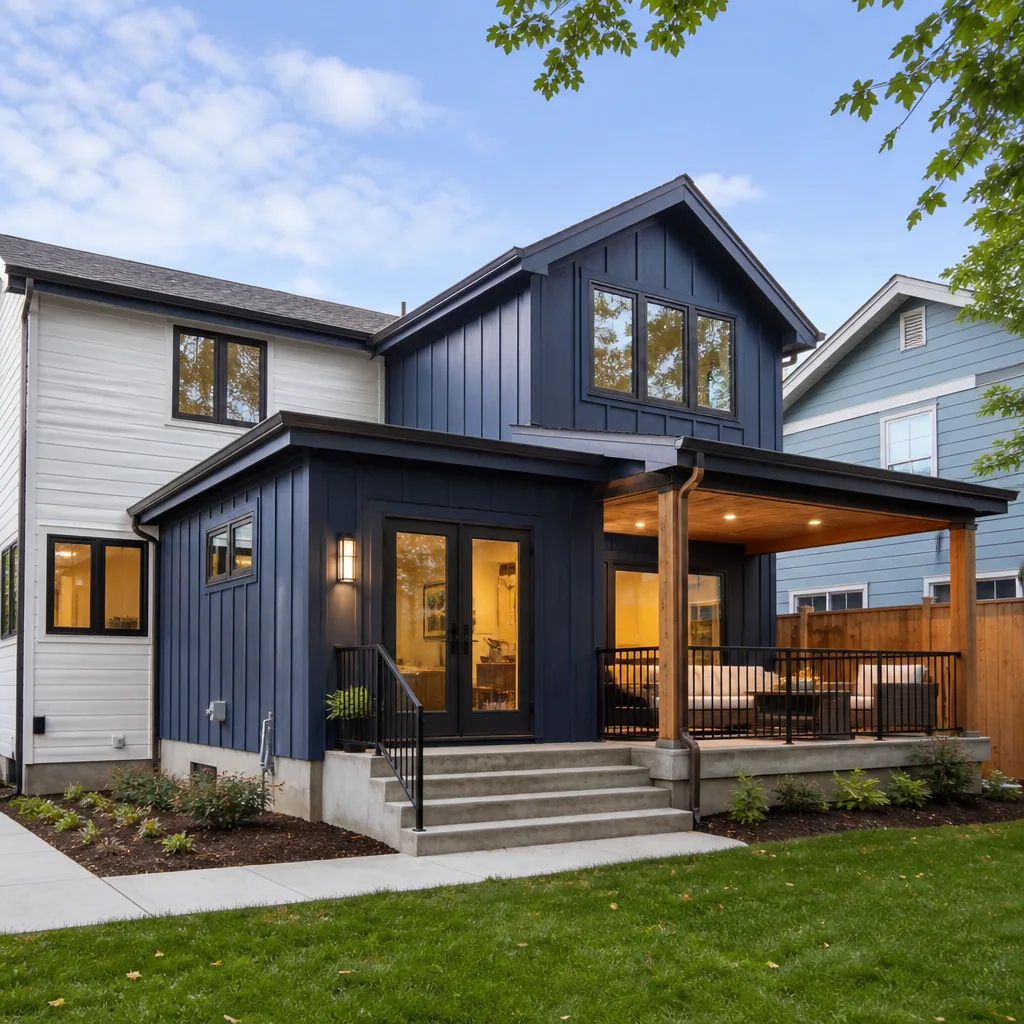 Home additions & ADU
 Kitchen remodeling
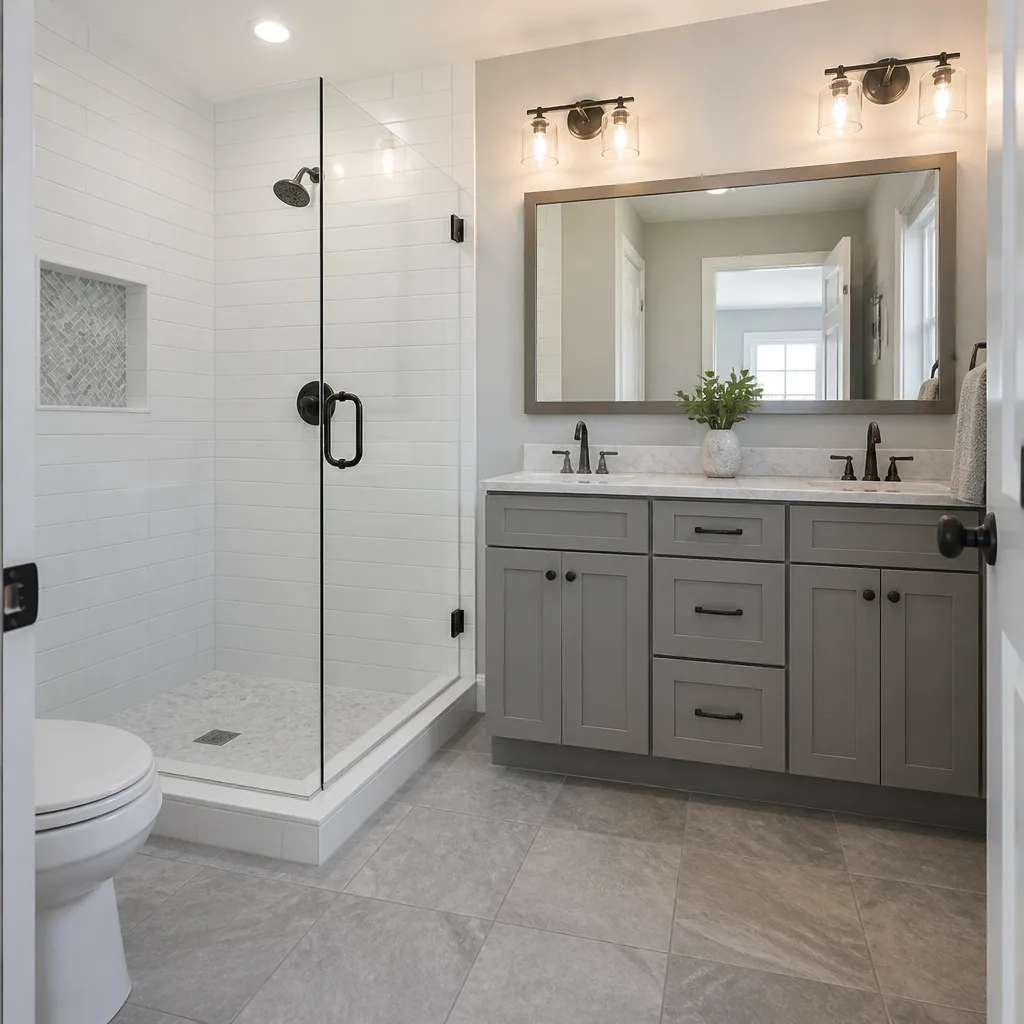 Bathroom remodeling
 Roofing
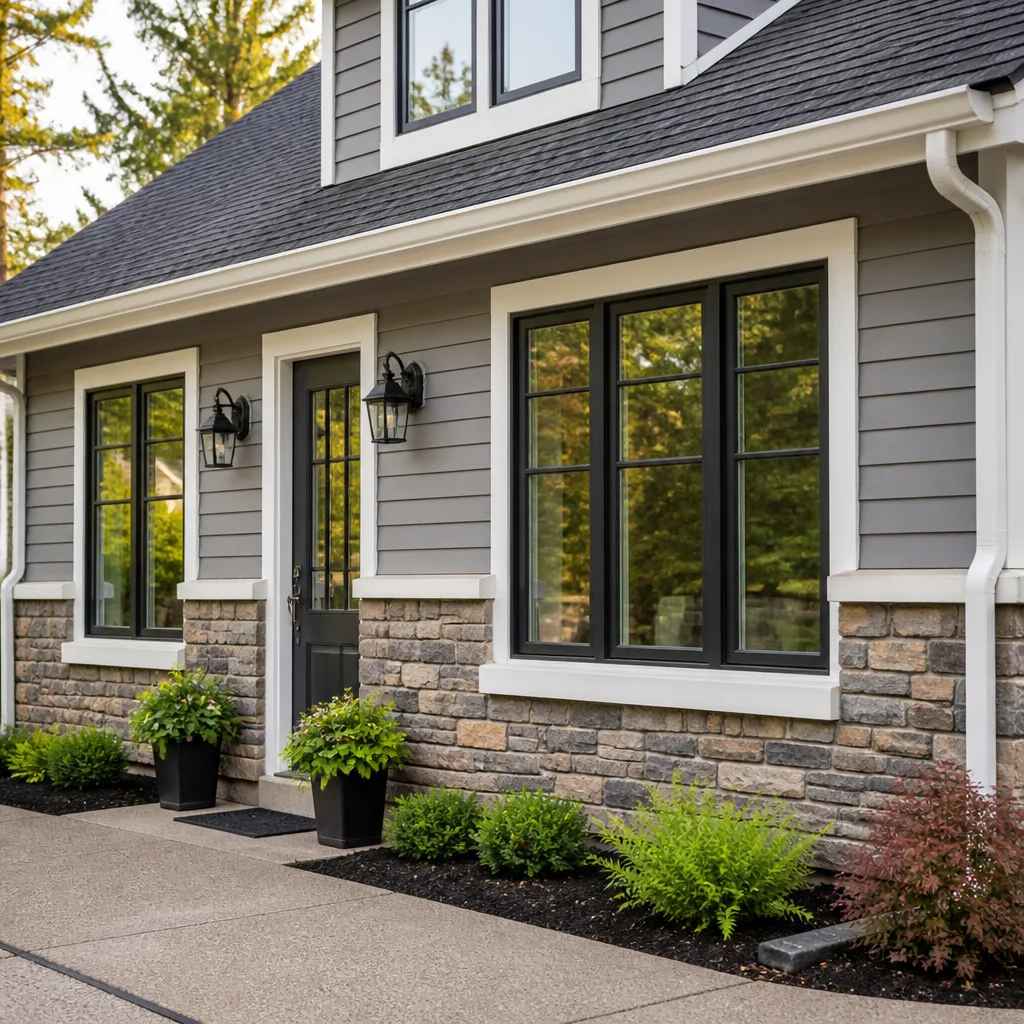 Windows & doors
 Driveway & pavers
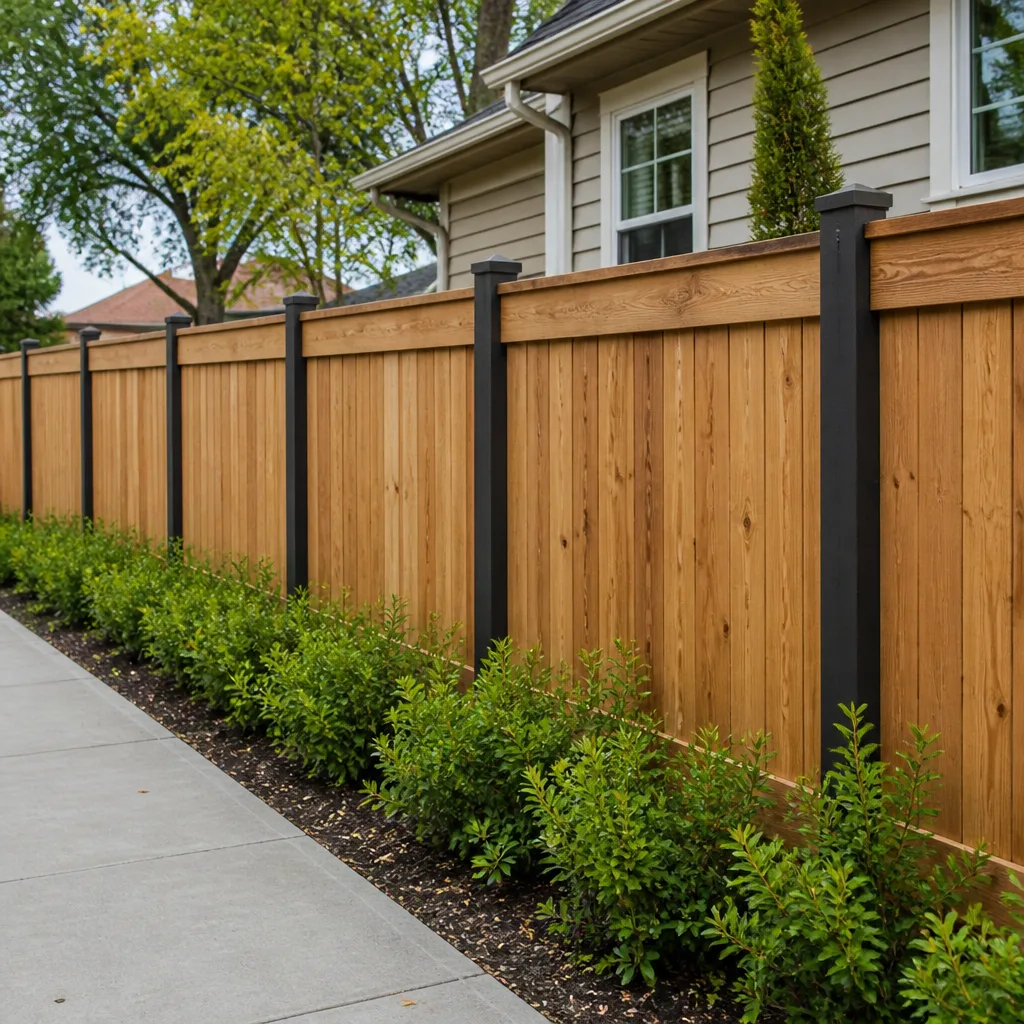 Fence
Free written scope consultation - allowances, timeline, and change-order rules on paper before a single trade is scheduled
DIY vs Professional Construction: The Lancaster Homeowner’s Decision Guide
The three projects Lancaster homeowners most often tackle themselves are also the three most likely to come back and bite them: electrical panel work, removing a wall they think isn’t load-bearing, and patching stucco over sheathing that has already cracked. Each one shows up in a home inspection report as a material defect or, worse, gets an insurance claim denied after a loss. This guide draws the line plainly between what California law lets you do yourself and what it doesn’t, where the honest DIY line sits, and how to run a hybrid project that keeps your money where it belongs. No sales pitch either way.
Quick Answer
In Lancaster, you can legally and safely DIY interior painting, basic concrete patching, landscaping, and demolition and prep work. You cannot legally perform most electrical, plumbing, gas, and structural work yourself if it requires a permit, and California law requires a licensed contractor for any job over $500 in combined labor and materials. The smartest projects are hybrid: you handle the tear-out and prep, a licensed contractor handles anything touching the building envelope, the structure, or a permitted trade.
Styles & brands we work with
- Kitchen remodeling
- Bathroom remodeling
- Home additions & ADU
- Roofing
- Windows & doors
- Driveway & pavers
- Fence
Table of Contents
- What California Law Actually Requires of You
- Judging Your Own Skill Honestly: YouTube vs. Job Site
- The Hidden Costs of DIY Nobody Quotes Upfront
- Projects That Are Genuinely Good DIY Candidates in Lancaster
- Projects That Are Not: The Desert UV Envelope Problem
- How to Structure a Hybrid Project That Actually Saves Money
- The Three Danger Zones: Electrical, Structural, and Envelope
- What a Home Inspector Sees That You Won’t
What California Law Actually Requires of You
California’s contractor licensing rules are stricter than most homeowners realize, and they apply the same in Lancaster as they do in Los Angeles. The Business and Professions Code is clear: any project with a combined labor and materials cost of $500 or more requires a licensed contractor. That threshold is low. A single bathroom vanity replacement can cross it before you’ve bought the faucet.
Beyond the license threshold, certain work requires a permit from the City of Lancaster regardless of who performs it, and some of that work is legally restricted to licensed tradespeople. Here’s the plain breakdown:
- Electrical panel replacement, new circuits, and service upgrades: permit required, licensed electrician required.
- Gas line work: permit required, licensed plumber or gas fitter required.
- Load-bearing wall removal: permit required, engineered plans often required, licensed contractor required.
- Water heater replacement: permit required, licensed plumber required.
- Roof replacement: permit required, licensed roofing contractor required.
- Window and door replacement in the building envelope: permit required for most replacements, licensed contractor required.
- Interior paint, landscaping, concrete patching under 4 inches, cabinet refacing, and demolition: no permit, open to homeowner self-performance.
Notice that none of the permitted categories say “homeowner may self-perform.” That’s because they can’t. A homeowner can pull an owner-builder permit for some projects, but the work still has to pass inspection, and an inspector who sees wiring that isn’t up to code will red-tag it. If a permit is required, a licensed contractor should be the one pulling it. That’s not a Barrett & Sons rule, it’s a Lancaster code reality.
Judging Your Own Skill Honestly: YouTube vs. Job Site
There’s a specific gap between watching a tiling video and laying a floor that’s flat, level, and won’t pop loose in three summers. We see it most often on three trades: tile, stucco repair, and rough framing. Each one rewards experience in ways a video can’t transmit.
Tiling looks simple until the substrate isn’t flat. A DIYer spends two days setting 200 square feet, then watches grout lines wander. A skilled setter spends half a day prepping the substrate, then sets the tile in four hours with a laser line. The visual difference after five years in an Antelope Valley freeze-thaw cycle is the difference between a floor that lasts and one that cracks along the backer board seams.
Stucco repair is the same story. The mix ratio, the scratch coat, the curing window, and the way the finish coat takes color all matter in ways you can’t see on film. A patch that looks fine in April will telegraph through by August if the base coat wasn’t scored. And rough framing isn’t just nailing studs, it’s crown orientation, plate alignment, and reading the structural plan.
Here’s an honest self-assessment, from a company whose crew members have up to 28 years of experience on the tools:
- Can you name the failure mode? If you can’t explain how your version of this project would fail, you don’t know the project yet.
- Have you done it twice on something that didn’t matter? Your first tile job should be a bathroom in a shop, not the kitchen you cook in.
- Can you afford to redo it? If a mistake means calling someone in to fix it, you’ve doubled the cost. Budget the fix before you start.
- Is it visible and permanent? Paint can be repainted. Stucco can be patched but never invisibly blended. Tile is nearly impossible to correct without tearing out.
- Does it void a warranty? Roofing and window manufacturers will deny claims if installation wasn’t by a certified installer. That GAF or CertainTeed warranty isn’t worth the paper if a homeowner installed it wrong.
The Hidden Costs of DIY Nobody Quotes Upfront
The Home Depot receipt is the cheap part. The expensive parts of DIY are the ones that don’t show up in the aisle. Permit self-filing in Lancaster means trips to the development services counter, plan check that can run weeks, and inspection scheduling that gets pushed when the queue is long. Every week of delay is a week you’re not using the space.
Then there’s the correction cost. We regularly get called to finish a project that was started wrong. Rough framing that isn’t sagging yet. Wiring roughed into a kitchen that doesn’t match the panel capacity. Stucco over lath that wasn’t self-furred. In most of those cases, the homeowner pays twice: once for the materials and their own labor, once for our crew to tear out and redo. The redo typically runs 1.4 to 2 times the cost of doing it right the first time.
And then there’s the resale or insurance angle. An unpermitted addition discovered during a sale can kill a deal or force a price cut. Unpermitted electrical is a fire risk the insurer doesn’t have to cover if it wasn’t disclosed at policy inception. When a Lancaster homeowner does a permitted job through us, the inspection card is the proof. Ask anyone on your street, or look up the license number yourself before you sign anything.
Projects That Are Genuinely Good DIY Candidates in Lancaster
This climate is kind to some projects and brutal to others. The dry heat and intense ultraviolet exposure make some exterior work harder, not easier, but it also means certain jobs last. Here’s where DIY is honestly fine.
- Interior painting: no permit, low consequence, and a bad paint job is annoying but not damaging. Do use a quality primer, because Lancaster’s interior drywall gets chalky under the summer sun.
- Concrete patching under 4 inches: small cracks and spalled driveway edges respond well to a bag of patching mix and a weekend. This is different from pouring a new slab, which is a different skill.
- Landscaping and xeriscape: desert-appropriate plants, drip irrigation zones, and gravel work are open to homeowner self-performance and rarely require permits unless grading exceeds certain thresholds.
- Cabinet refacing and hardware swaps: a few hundred dollars and a weekend of patience gets you a refreshed kitchen without touching the layout or the electrical.
- Demo and prep: pulling tile, tearing out old cabinets, removing carpet, and prepping for a contractor is honest DIY work and saves real money on a larger project. Our crew can walk in behind you and start at framing.
- Fence staining and repair: staining and re-fastening a fence is a good weekend project. Setting new posts in Lancaster’s caliche-heavy soil is a different animal, and worth a look at our Fence Installation in Lancaster page.
Notice what these have in common: no permit, low structural consequence, and a failure that is inconvenient but not dangerous. That’s the pattern. If a mistake means water intrusion, fire, or a wall falling, it’s not on this list.
Projects That Are Not: The Desert UV Envelope Problem
Lancaster’s climate is hard on the building envelope in ways coastal California pages don’t mention. UV index runs high most of the year, ambient humidity is low, and the daily temperature swing between a July afternoon and a July night is often 30 degrees or more. Materials move. Sealants fail. Stucco shrinks and cracks. That movement is a friend to the trained hand and an enemy to the amateur.
Anything that touches the building envelope is not a good DIY candidate here. That includes:
- Roof repair and replacement: a tile or shingle job that isn’t right will leak within two seasons under this sun. GAF and CertainTeed warranties require certified installers for a reason.
- Stucco patching over cracked sheathing: if the sheathing is cracked, the patch will fail. You have to fix what’s underneath before you reintroduce stucco.
- Window and door replacement: Andersen and Marvin windows need correct flashing, shimming, and sealing. A leak path you can’t see is worse than an old window.
- Exterior caulking and sealing: caulk that isn’t rated for high UV will fail in a single season. The wrong product wastes the whole weekend.
- Any permitted electrical or plumbing: listed above because it bears repeating.
Where envelope work does need a licensed contractor, materials matter more than most homeowners realize. If you’re having hardscapes or a driveway replaced, ask what pavers are going down. Tremron and Techo-Bloc pavers hold color far better under UV than low-end concrete pavers, and the difference shows in five years. If you’re considering that scope, our Driveway & Pavers in Lancaster page walks through the install sequence.
How to Structure a Hybrid Project That Actually Saves Money
The hybrid approach is where most of the savings actually live. You do the work you’re allowed to do, the contractor does the work that needs a license, and the two of you agree on the seam in writing before anyone picks up a tool. Here’s how we structure it on a typical Lancaster kitchen or bath remodel.
- Scope the split in writing. What you’re demolishing, what you’re prepping, and where the contractor’s work begins. Our written scope spells this out so there’s no argument on day one.
- Pull the permit before demo. Permitted work needs to be permitted before the walls open, not after. Pulling the permit first also surfaces plan-check requirements you didn’t know existed.
- Do your demo and prep, on the contractor’s schedule. Our crew walks in when the tear-out is done and the dumpster is gone. That handoff saves you labor dollars on a project that would otherwise cost more.
- Leave rough-in trades to the licensed contractor. Electrical, plumbing, and gas are done by trade, inspected, and signed. This is the part that isn’t negotiable.
- You finish. Paint, trim paint, and touch-up are perfectly fine as homeowner finishing work once the licensed work has passed inspection.
We do this every month in Lancaster. It works because the split is written, the permit is pulled, and there’s a licensed contractor on the parts that require one. If a change comes up, the price adjustment arrives as a written change order before a nail moves. An allowance that isn’t on paper is a surprise waiting for a date. If you’re considering a larger scope, our Home Additions & ADU in Lancaster page outlines how the hybrid structure works on additions, where permits and inspections are the backbone of the whole job.
The Three Danger Zones: Electrical, Structural, and Envelope
Three categories of work exist where DIY is not just risky to your wallet, it’s a genuine safety issue. We’ll name them plainly so nobody gets hurt.
Electrical panel work. The main breaker panel carries enough current to kill. Touching it without the right training, the right tools, and a permit is not a weekend project, it’s a gamble. A licensed electrician knows the code requirements, knows how to size the service, and knows when a permit will trigger plan check. That’s the person who should be inside the panel.
Load-bearing wall removal. Lancaster homes are full of walls that look non-structural and are. Without an engineer’s stamp or a licensed contractor’s assessment, you don’t know which is which. Removing the wrong wall is not a repair, it’s a structural failure waiting to happen over the next winter.
Building envelope work under UV stress. Stucco, roofing, windows, and doors all protect the interior from a sun that beats down 300 days a year. A failed seal in a wall you can’t see means water in, mold later, and a repair bill that dwarfs the original job.
We’ve said this before and we’ll say it again: the permit inspector works for you, not for us. That’s why we like him. He signs the work, and the signature is your proof.
What a Home Inspector Sees That You Won’t
A home inspector doesn’t care whether you saved money. They care whether the house will hold up. They look for the fingerprints of an amateur job: wire that isn’t stapled back, tile that has hollow spots when tapped, stucco that’s too thin at the seams, framing that’s out of plumb. When those show up, the report comes back with “recommend further evaluation by licensed contractor,” and the buyer asks for a credit.
In Lancaster, that report language carries extra weight because buyers here know how hard the sun is on a house. A patched stucco wall that shows a shrinkage crack is a red flag, even if it’s harmless. Unpermitted electrical is a negotiating tool. Unpermitted additions can kill a VA or FHA loan completely.
Every eligible job we finish comes with the permit card and inspection sign-off. That’s a document that lives in a drawer and gets pulled out at resale. That’s the kind of thing that keeps a sale moving.
Common Mistakes to Avoid
- Assuming a wall isn’t load-bearing because it “looks thin.” In Lancaster, plenty of interior walls are structural without obvious hardware. A contractor’s look costs nothing; a wrong removal costs thousands.
- Patching stucco over visibly cracked sheathing. The patch hides the problem until it spreads. Fix the sheathing first, or the repair is a bandage on a wound.
- Buying GAF or CertainTeed shingles and having a friend install them. The warranty requires a certified installer. When the roof leaks in year three, the manufacturer will ask who installed it, and “my buddy” isn’t an acceptable answer.
- Filing a permit yourself to save the contractor fee, then hiring an unlicensed installer. The permit doesn’t make the work legal; the license does. This is the exact pattern that shows up on inspection reports.
- Tiling over a subfloor without checking flatness. The Antelope Valley’s seasonal movement telegraphs every deficiency through the grout lines within a year.
- DIY-ing the electrical because the panel “has room.” Available breaker space doesn’t mean available service capacity. A licensed electrician runs a load calc before adding anything.
- Starting demo before the permit is pulled. In Lancaster, the inspector can require the work be uncovered further, or worse, red-tagged, which puts the project on hold.
See the difference
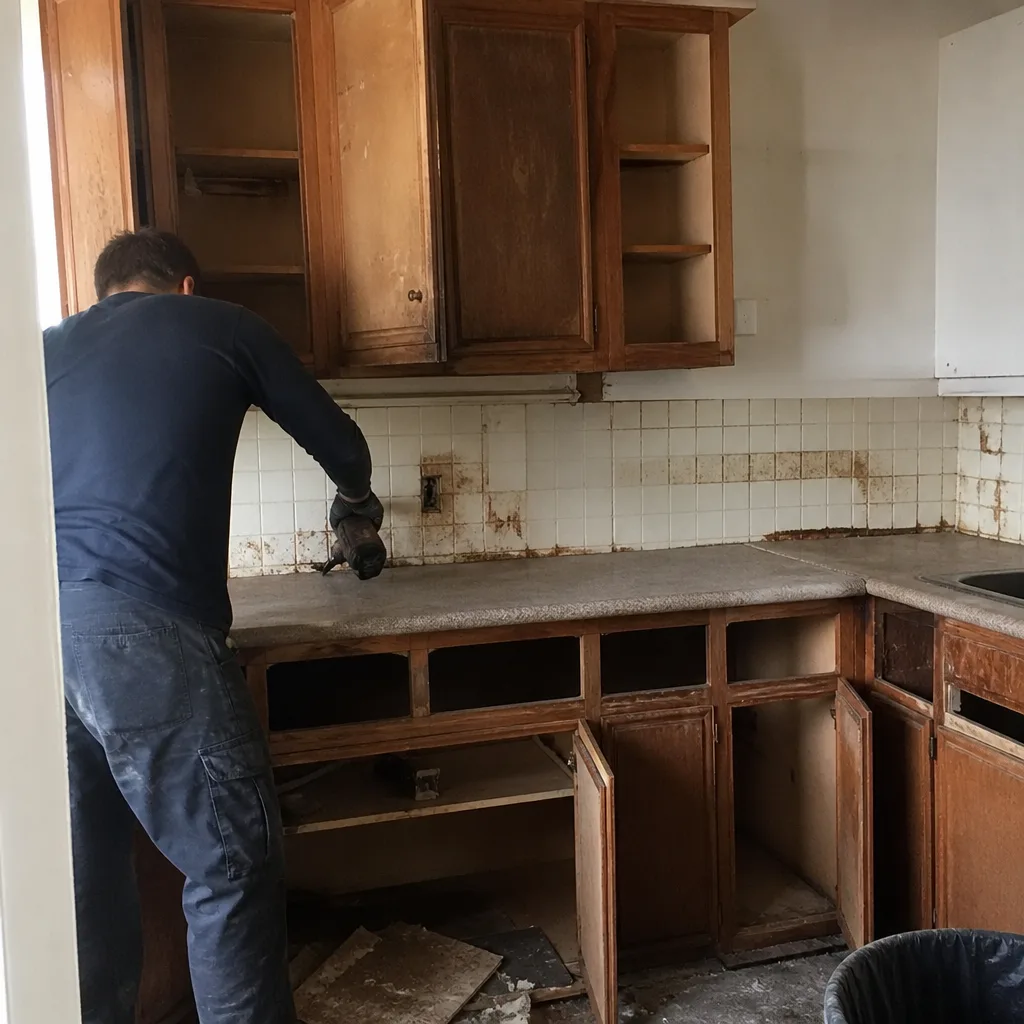 Before
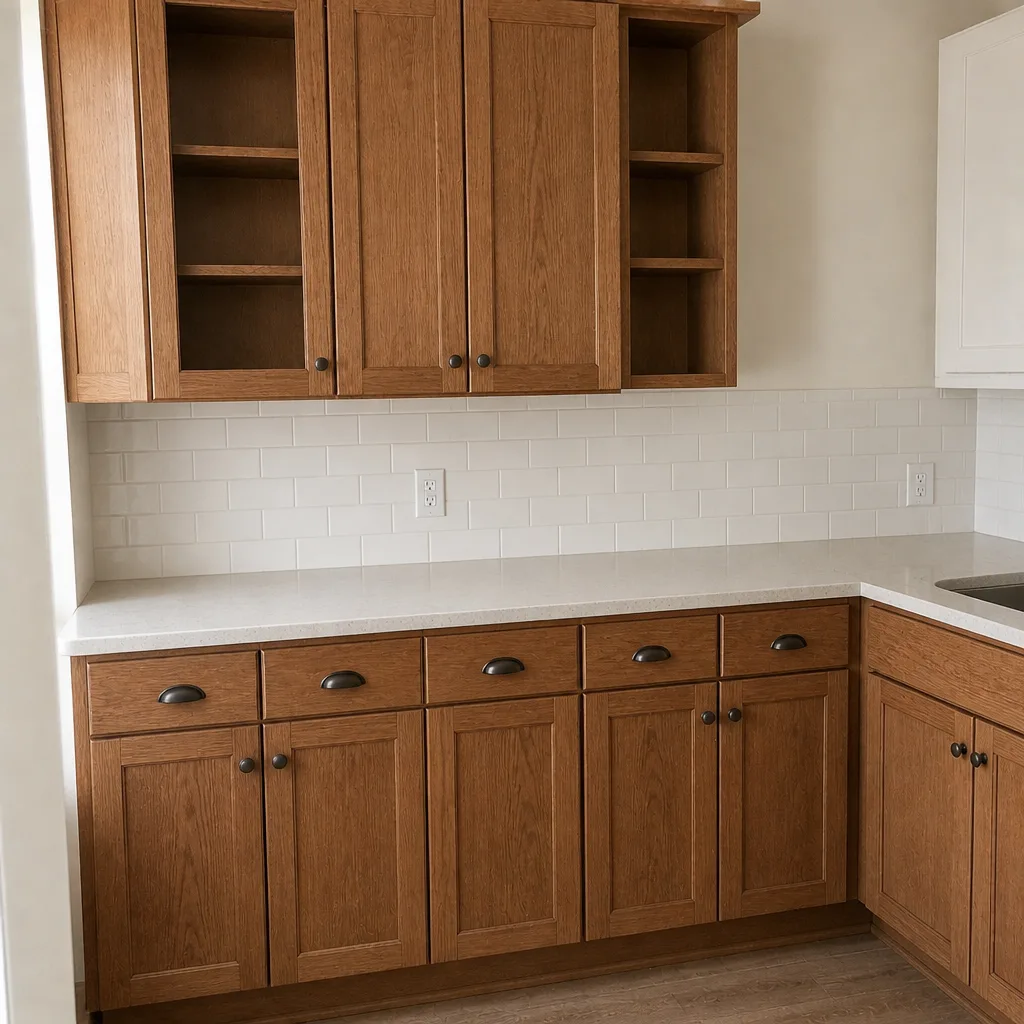 After
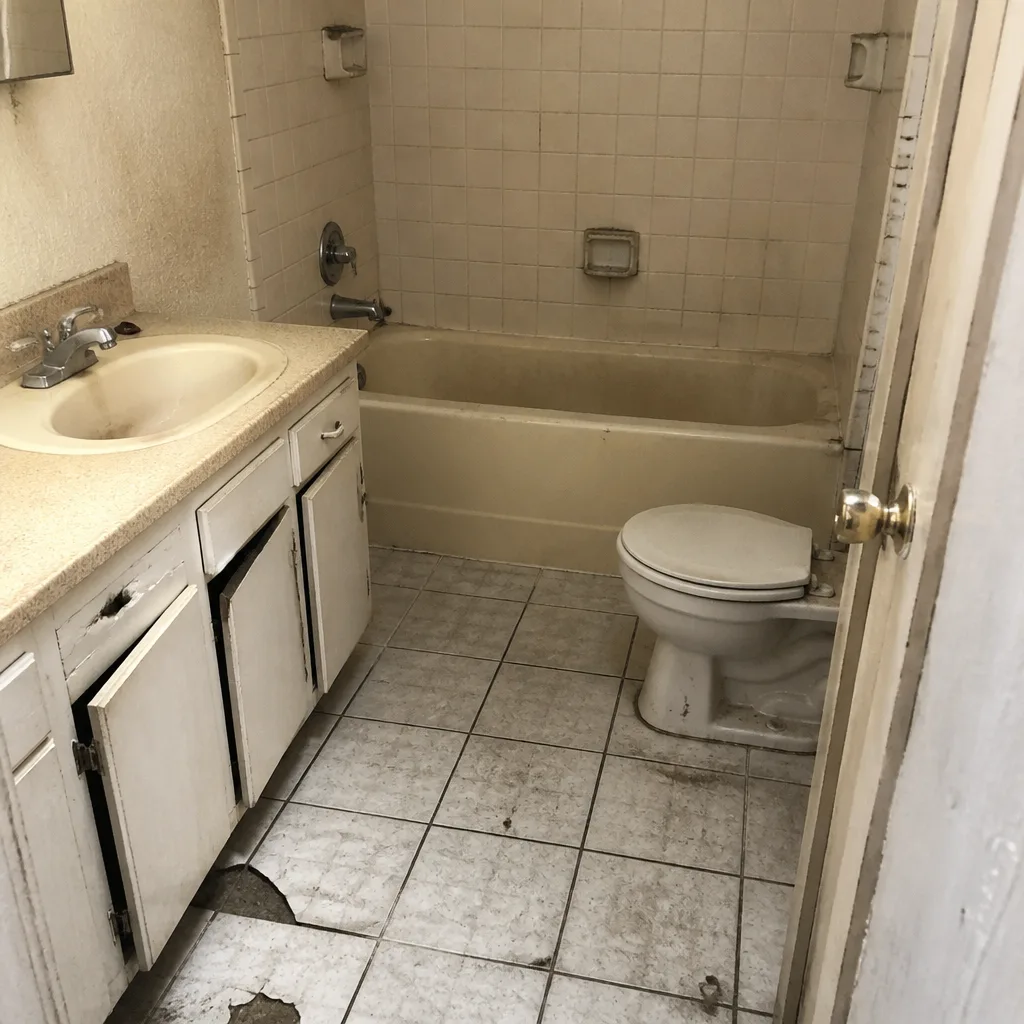 Before
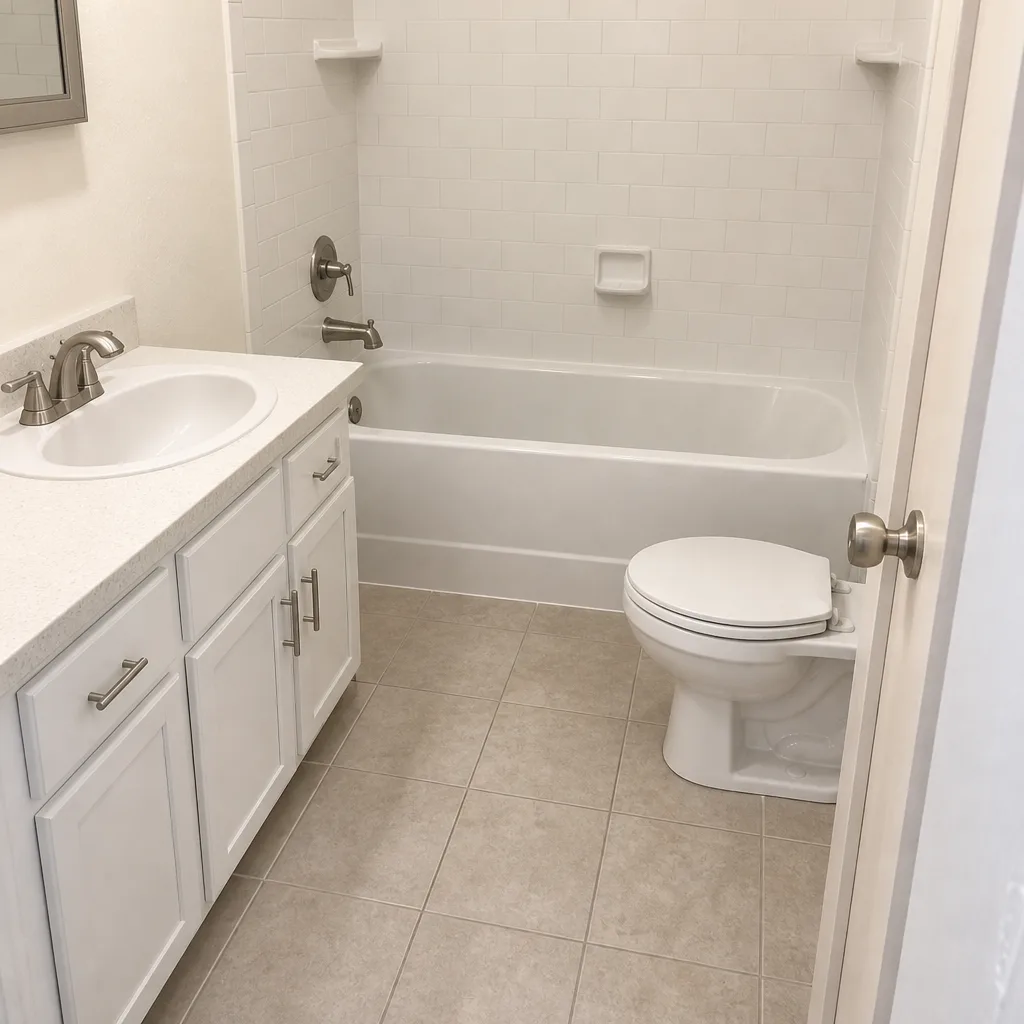 After
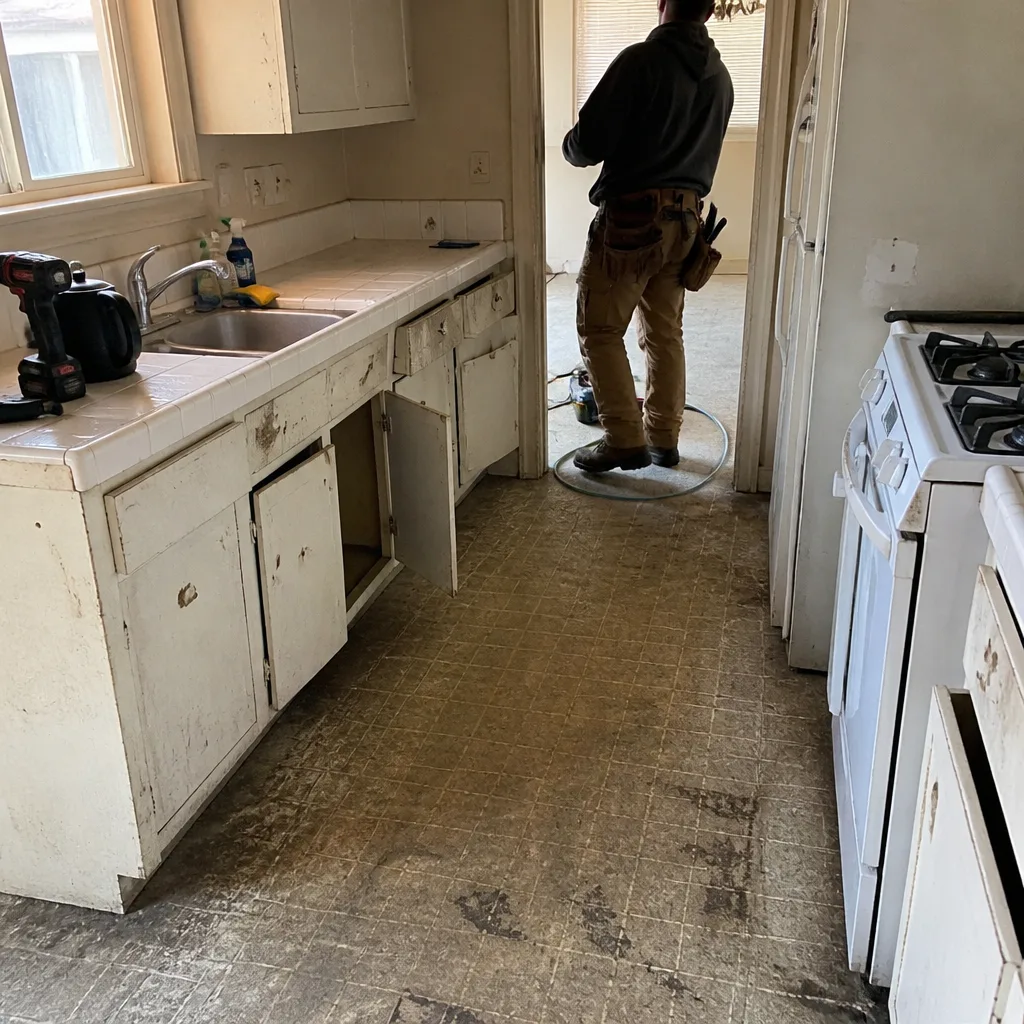 Before
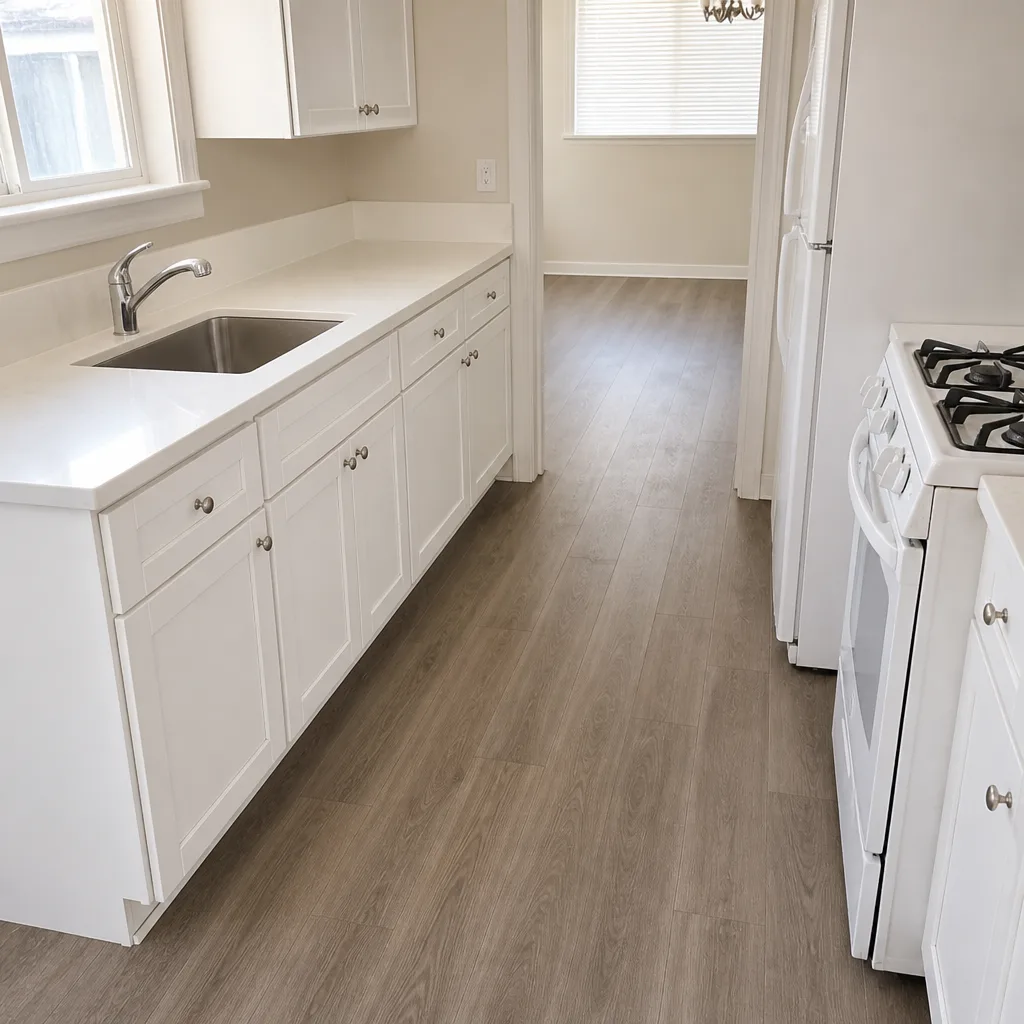 After
When to Call a Professional
Call a licensed contractor when the project carries a permit requirement, touches a load-bearing element, involves electrical, plumbing, gas, or roofing, or affects the building envelope. Also call when the scope crosses the $500 combined materials and labor threshold. And call when the failure mode would be a fire, a flood, or a wall falling, because the DIY savings on those projects don’t cover the correction cost.
On the other side, plenty of work is honestly fine to do yourself, and we’d rather you keep that money in your pocket than spend it with us out of fear. The line is which side of it the project sits on, not which side feels braver. Barrett & Sons Construction Lancaster offers free estimates in Lancaster – call (888) 427-1810 and we’ll walk your project with you and tell you straight whether it’s a DIY fit or not. If you want to understand the full range of what we do, start at our Barrett & Sons Construction Lancaster home page.
Frequently Asked Questions
In most cases yes, especially if plumbing, electrical, or gas lines are being moved or cabinets are being reconfigured. Cosmetic changes like paint, refacing, and surface hardware typically don’t. Pulling the permit first avoids the risk of an inspector red-tagging the job mid-construction. We pull permits and sign inspections on every eligible job. Call (888) 427-1810 for a free estimate and a straight answer on your specific scope.
California lets homeowners self-perform work that doesn’t require a permit and stays under the $500 combined labor and materials threshold. That covers interior painting, landscaping, basic concrete patching, cabinet refacing, demolition, and prep work. Electrical, plumbing, gas, structural, and envelope work all require a licensed contractor regardless of who’s doing it. Call (888) 427-1810 if you want a second opinion on where your project falls.
Unpermitted electrical, plumbing, and structural work can lead to claim denials after a loss, particularly if the work wasn’t disclosed. The insurer’s argument isn’t that you did it wrong, it’s that the loss came from undisclosed conditions. Permitted and inspected work usually avoids that problem, because the inspection card is the proof. Call (888) 427-1810 to discuss your project.
Correction costs typically run 1.4 to 2 times the cost of doing the job right the first time, plus whatever materials were already spent. The most expensive corrections we see involve framing that’s been covered up, wiring that wasn’t permitted, and stucco over failed sheathing. Call (888) 427-1810 for a free estimate on a correction – the number is often the difference between fixing it and living with it.
Yes, an owner-builder permit is available for some projects, but the work still has to pass inspection and certain trades require a licensed contractor regardless of who pulled the permit. The permit is not a substitute for the license. Most homeowners find the plan-check timeline and the inspection scheduling alone are enough to hire a licensed contractor. Call (888) 427-1810 if you want to talk through the trade-offs.
The most efficient hybrid is homeowner demo and prep, licensed contractor for rough-in plumbing, electrical, and tile setting. That split typically saves 15 to 25 percent on the labor side while keeping every permitted trade legally and safely executed. The split needs to be written down before demo begins. Call (888) 427-1810 for a free estimate and a written scope that spells out the handoff.
The Bottom Line
The DIY question isn’t about ego or money, it’s about consequence. Painting a bedroom badly means repainting it. Wiring a bedroom badly means a fire. In Lancaster’s climate, anything touching the building envelope is harder than it looks because the sun won’t forgive a shortcut. If your project needs a permit, touches the structure, or crosses into electrical, plumbing, gas, or roofing, a licensed contractor is the right call. If it doesn’t, and the failure mode is inconvenience rather than injury, do it yourself with our blessing. Barrett & Sons Construction Lancaster writes every scope, allowance, and change order down, pulls the permit, and stands behind the work with our 90-Day Done Right Promise. Call (888) 427-1810 for a free estimate and a second opinion on any written estimate you’ve already got.
Written by the team at Barrett & Sons Construction Lancaster.