
Last updated November 17, 2026
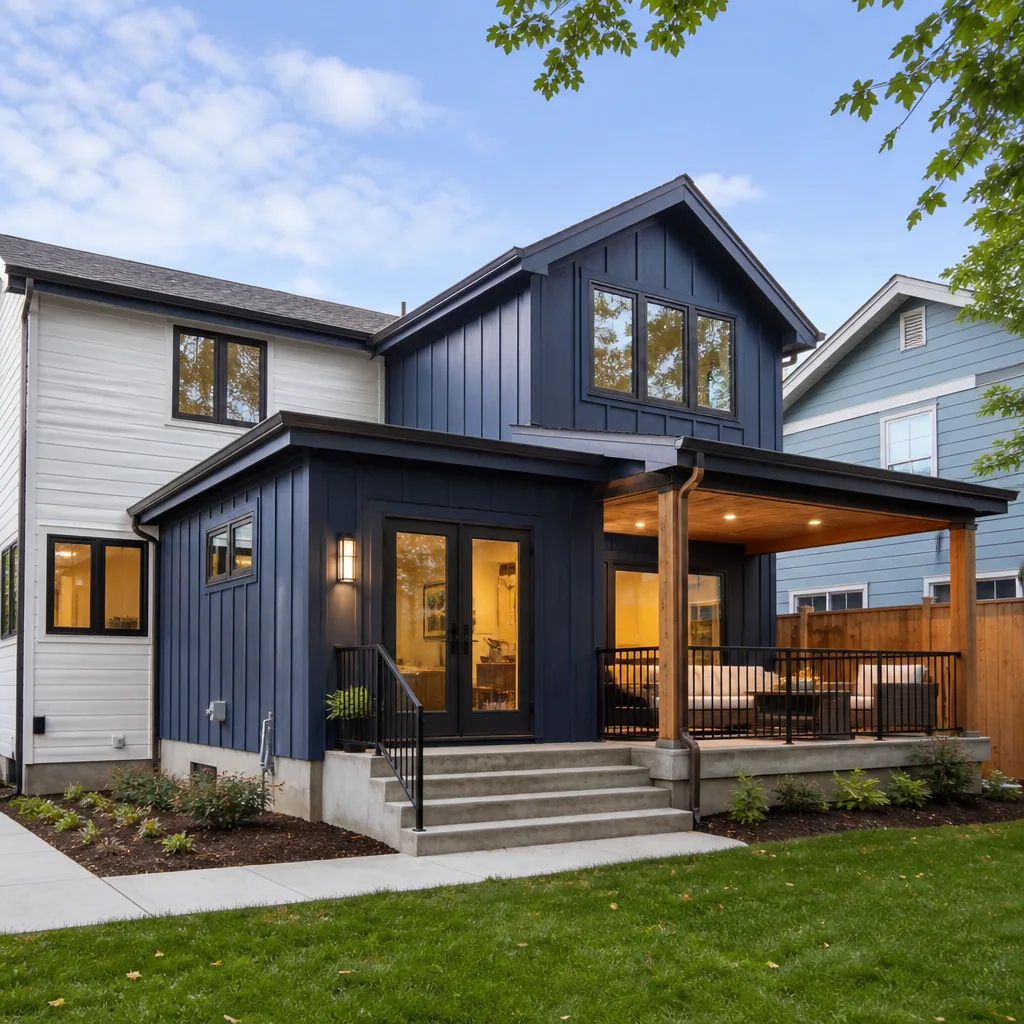 Home additions & ADU
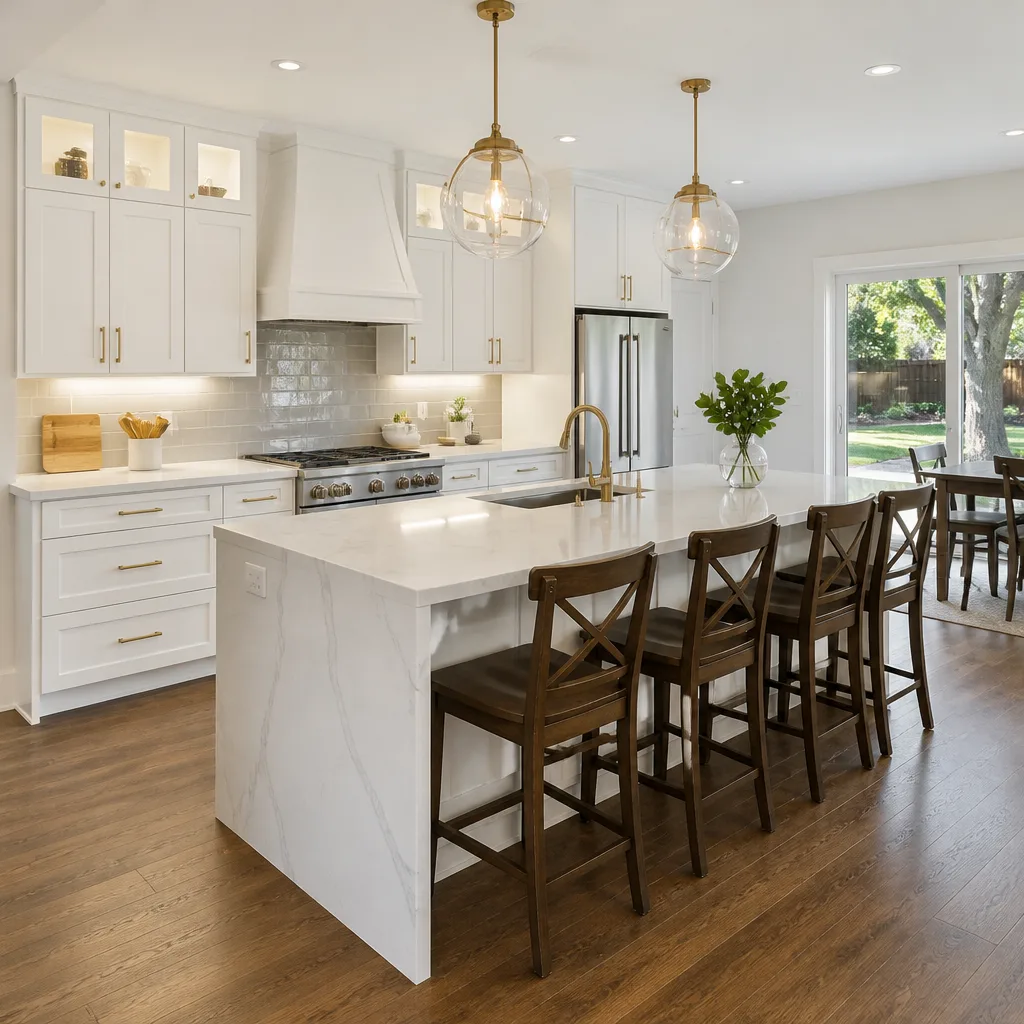 Kitchen remodeling
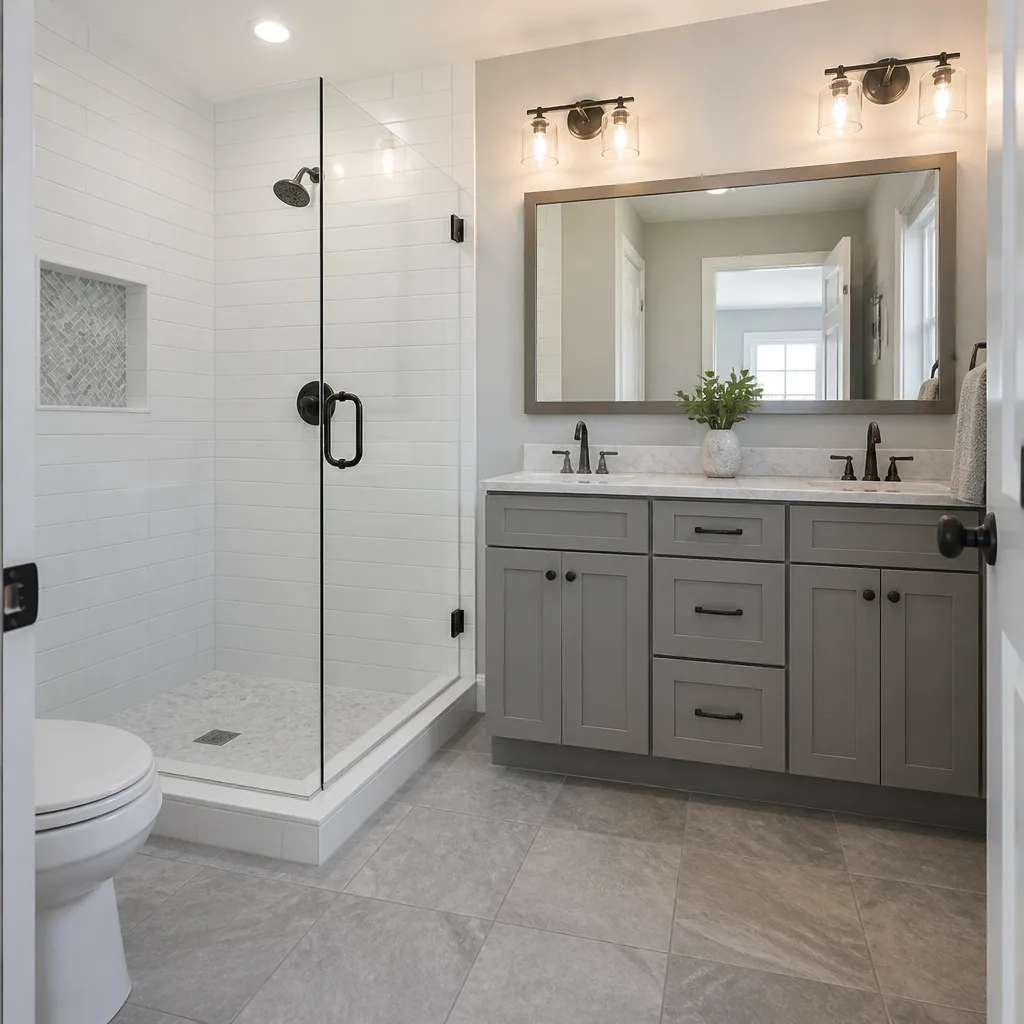 Bathroom remodeling
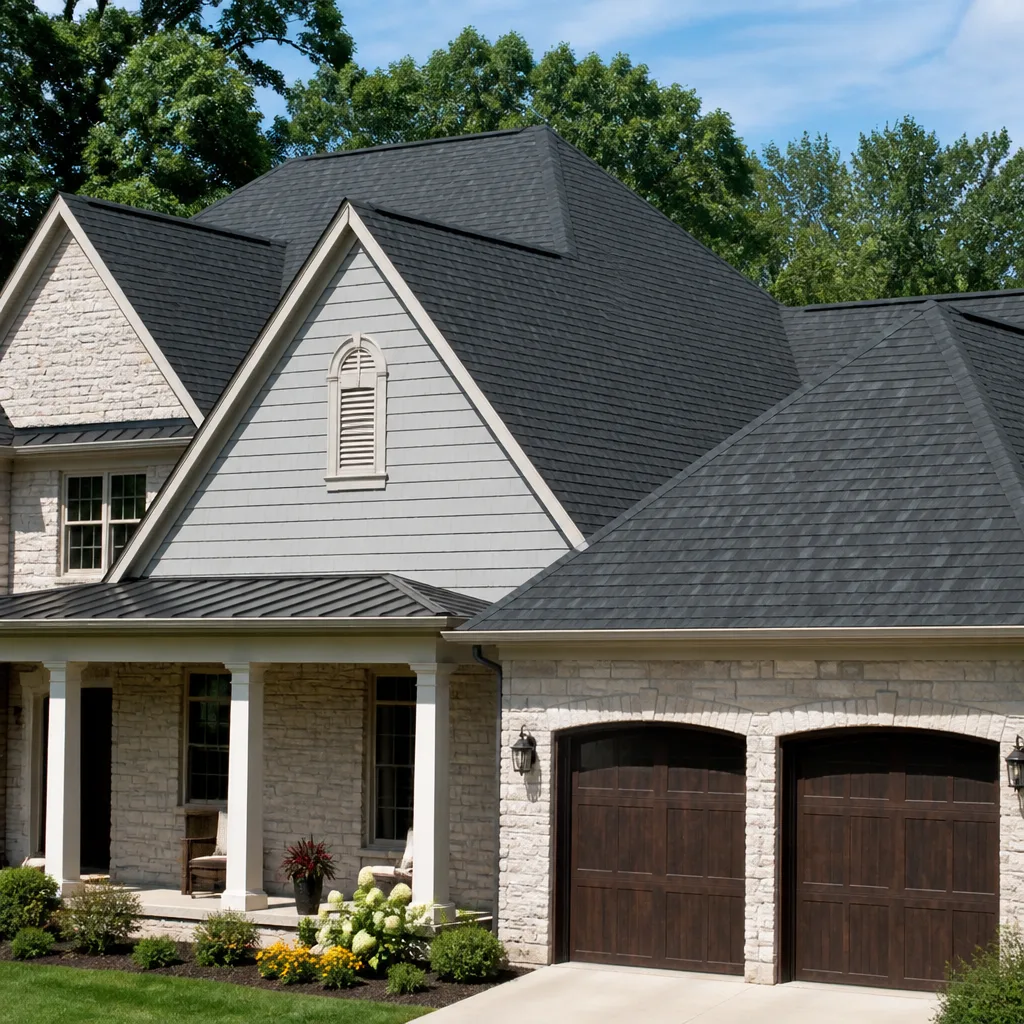 Roofing
 Windows & doors
 Driveway & pavers
 Fence
Free written scope consultation - allowances, timeline, and change-order rules on paper before a single trade is scheduled
DIY vs Professional Home Additions & ADU: What’s Safe to Do Yourself
California’s owner-builder permit lets a homeowner pull a permit and act as their own general contractor on an addition or ADU. What the videos and the forum posts tend to skip is the second half of that sentence: when you sign as owner-builder, every subcontractor on that job becomes your responsibility, and you’re the one holding the liability if their work fails an inspection or a lien gets filed. We’ve watched Lancaster homeowners learn that the expensive way. You’ll pay more in legal cleanup than the framing labor you saved. This guide draws the honest line: which work you can safely do yourself, which work California and LA County won’t let you touch without a license, and how to structure a hybrid project so your square footage stays financeable when you sell.
Quick Answer
On a permitted home addition or ADU in Lancaster, you can legally and safely handle finish work: interior and exterior painting, landscaping, cabinet installation after rough-in inspections are signed, finish carpentry, and hardware. You cannot legally perform electrical, plumbing, or HVAC work inside a permitted structure without a licensed contractor, and doing your own structural or rough-trade work as owner-builder puts the financing and resale of your home at risk if it isn’t inspected or isn’t permitted. The safe structure for most families is a licensed general contractor on the structural and trade work, with the homeowner doing finish labor under that contractor’s schedule.
Styles & brands we work with
- Kitchen remodeling
- Bathroom remodeling
- Home additions & ADU
- Roofing
- Windows & doors
- Driveway & pavers
- Fence
Table of Contents
- What California’s Owner-Builder Permit Actually Covers
- Trades That Require a Licensed Contractor in LA County
- Where Real Sweat Equity Is Possible Without Risk
- The Resale and Lending Problem With Owner-Built Work
- How to Structure a Hybrid Project
- ADU-Specific Rules in Lancaster You Should Know
- What Your Contract Needs to Say
- Common Mistakes to Avoid
What California’s Owner-Builder Permit Actually Covers
An owner-builder permit is exactly what it sounds like: the homeowner takes legal responsibility for the entire project as if they were the general contractor. That means you sign the building permit application, you hire the subs, you schedule the inspections, and you carry the liability. If a subcontractor walks off the job without paying a materials supplier, that supplier can file a mechanic’s lien against your property. The lien doesn’t care that you weren’t the one who ordered the lumber.
Here’s what the permit actually lets you do:
- Act as the general contractor of record on your own primary residence
- Perform work in trades where you personally hold the required license (rare for a homeowner)
- Hire licensed subcontractors for the trades that require them
- Schedule and attend inspections yourself
- Sign off on the final, which becomes part of your property record
What it does not do:
- Exempt you from licensing requirements in electrical, plumbing, or HVAC work inside a permitted structure
- Transfer your liability to the subs you hire
- Protect you from a contractor’s lien if a sub or supplier goes unpaid
- Guarantee that the finished square footage will be financeable later
Most homeowners don’t read past page one of the owner-builder form. It says, in plain language, that you’re assuming the role of contractor and the responsibility that comes with it. That’s a real transfer of risk, and it’s the detail the tutorials skip.
Trades That Require a Licensed Contractor in LA County
Owner-builder status does not get you out of trade licensing in Los Angeles County. Any permitted structure, whether it’s a 400-square-foot ADU in Quartz Hill or a two-story addition in West Lancaster, triggers the same rules:
- Electrical. All new circuits, panel work, subpanel installation, and any wiring inside a permitted structure must be done by a licensed electrician (C-10). This isn’t optional, and the inspection will fail without a licensed sign-off.
- Plumbing. Rough plumbing, drain lines, water heaters, gas lines, and any connection to the municipal sewer or septic system require a licensed plumber (C-36). Gas line work in particular is not a DIY trade for good reason: a leak you can’t smell kills people.
- HVAC. New HVAC systems, ductwork, and mechanical ventilation in a permitted structure require a licensed mechanical contractor (C-20).
- Structural. Framing, shear walls, foundation, and roof tie-ins are usually done by a licensed general building contractor (B) or a framing specialty contractor. The county requires licensed sign-off on structural inspections on permitted additions.
We’ve seen Lancaster homeowners try to slide electrical work under the owner-builder umbrella and get flagged mid-inspection. The deputy inspector doesn’t work for you or for us; he works for the county, and his job is to make sure the structure meets code. When he asks who did the rough wire and the answer is “me,” the conversation stalls fast.
Where Real Sweat Equity Is Possible Without Risk
Here’s the good news: there’s a meaningful amount of safe DIY work on an addition or ADU, and if you do it well, the savings are real. The key is that you’re doing it after the rough-in inspections are signed off and before final, in trades that don’t carry life-safety risk.
- Painting. Interior and exterior painting are the biggest sweat-equity wins. A 900-square-foot ADU in Lancaster might run $4,000 – $7,000 for a crew to paint. You can do it yourself in a long weekend per room.
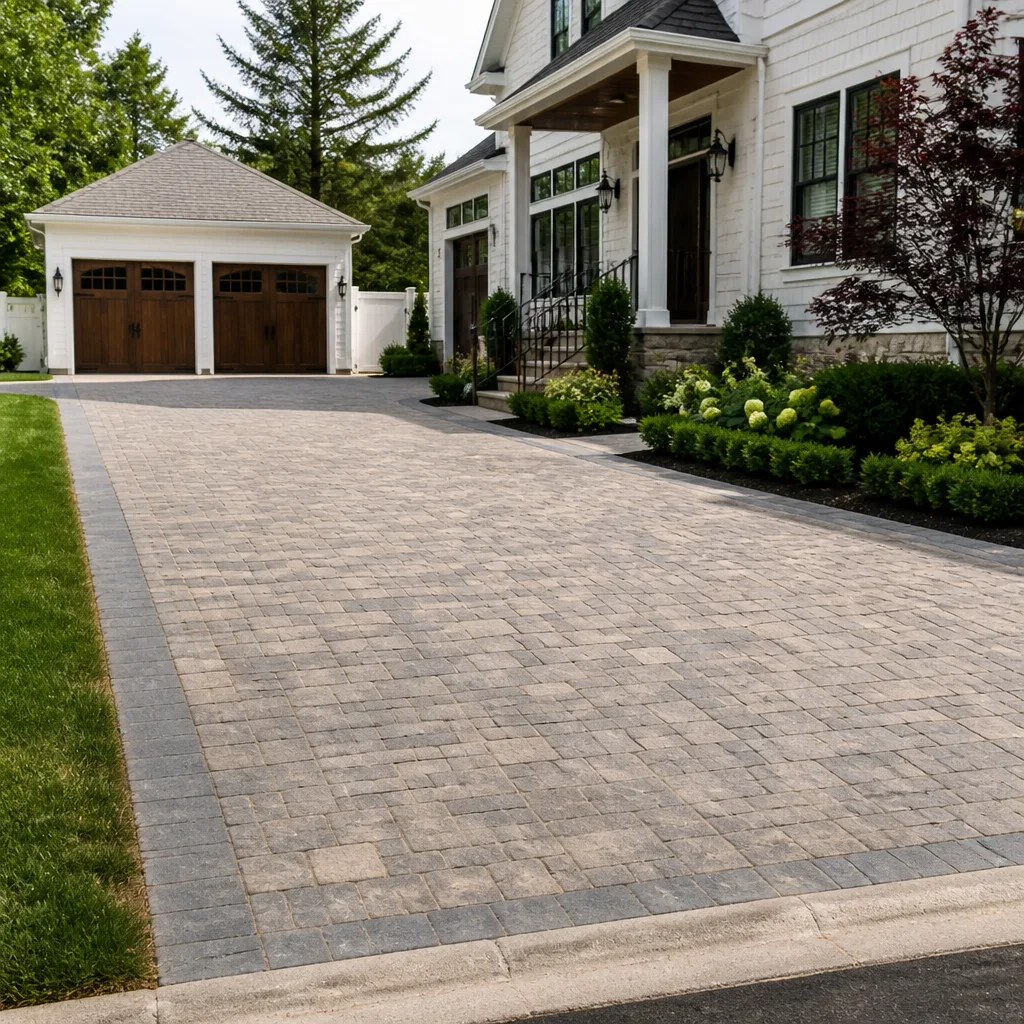
- Landscaping. Grading, soil prep, plant selection, and irrigation are yours. So are hardscapes if you’re patient. If you’d rather have it done, we install Driveway & Pavers in Lancaster and can match the design to your new structure.
- Cabinet installation after rough-in. Once the plumbing and electrical rough-ins are signed off, hanging cabinets is fair game. Assembly and placement don’t require a license. Cutting into a gas line to route a dishwasher does.
- Finish carpentry and trim. Baseboard, crown, window casing, closet shelving. All fair game.
- Finish hardware. Door knobs, hinges, closet rods, towel bars, ceiling fans (wired by the electrician, hung by you).
- Tile and flooring. This one has a learning curve, but tile and flooring are not license-regulated. Do the closets and utility rooms first, and hire out the master bath.
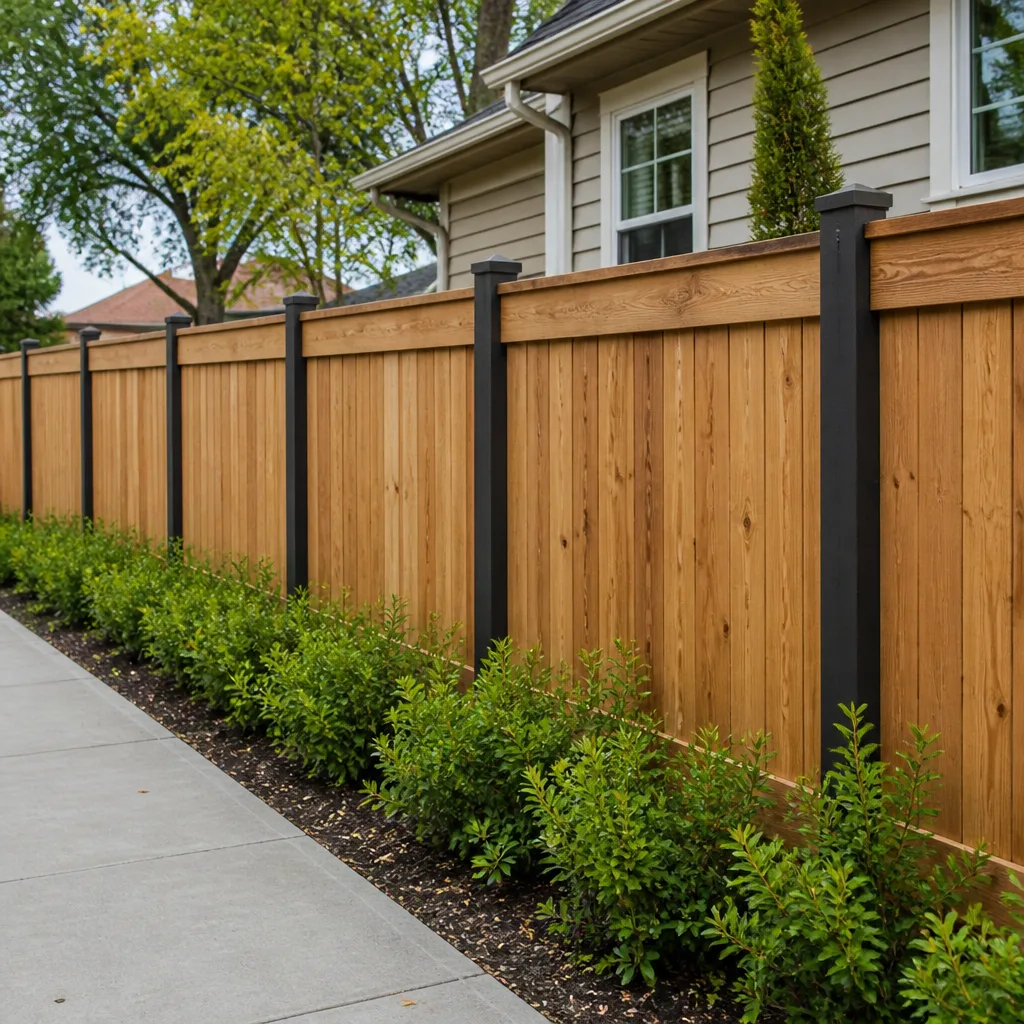
- Fencing, if it’s freestanding and not structural to the addition. We install Fence Installation in Lancaster with Master Halco, Ameristar, and Bufftech materials. If you want the fence done right the first time and your neighbor on the other side is splitting the cost, it’s often worth the call.
Every one of these is work that doesn’t touch a permit, doesn’t need an inspection, and doesn’t create a lien exposure. That’s the line.
The Resale and Lending Problem With Owner-Built Work
This is where the DIY math often goes sideways. Unpermitted square footage is the most common cause of financing problems on resale in Lancaster. Fannie Mae and Freddie Mac conventional loans, FHA, and VA financing all rely on an appraiser’s ability to confirm the property’s gross living area matches what the county has on record. If the addition is on the record but the square footage doesn’t match the assessor’s data, or if the addition is not permitted at all, the appraisal can flag it. Fannie Mae specifically excludes unpermitted additions from gross living area calculations, which means the house you built for $120,000 just appraised as if it weren’t there.
A few things we’ve seen go wrong on Lancaster resale:
- An ADU built under an owner-builder permit, never finaled, closes escrow as an unpermitted “storage structure” – which means the buyer’s lender won’t count the rent it could produce
- An owner-performed electrical panel in a garage addition, never inspected, becomes a red flag that a buyer’s inspector writes up, and the buyer asks for a $12,000 credit at closing
- A kitchen or bath rough-in behind the walls, done by the owner, with no permits, has to come out to be inspected – and that means tearing drywall
The math is unforgiving. Saving $30,000 in labor costs on an owner-built 700-square-foot addition can cost you $80,000 in lost property value if a buyer’s lender won’t count it. That risk lands on you at closing, years after the work was done, and it’s the risk nobody warns you about on YouTube.
If you’re weighing whether to build an addition at all, our Home Additions & ADU in Lancaster page goes through what’s realistic in our market, permitted and finaled the right way.
How to Structure a Hybrid Project
A hybrid project is the most common sense answer for most Lancaster homeowners, and it’s the structure we recommend when a family wants sweat equity without the liability. The idea is simple: a licensed general contractor handles everything that requires a license and everything that touches the permit. You do the finish work on a schedule that contractor controls, so the final inspection is still signed on time.
Here’s how a hybrid job usually runs:
- Hire a licensed GC on a written scope that explicitly excludes the finish work you’ll be performing. That exclusion needs to be in the contract, not a verbal handshake.
- Lock the finish-work sequence into the GC’s schedule so your painting, trim, and hardware are done on time without holding up final inspection. If you fall behind, you delay your own certificate of occupancy.
- Confirm the subcontractors on the job are licensed and insured. This is the part most homeowners skip, and it’s the part that creates the biggest lien exposure. Ask for a certificate and ask to see the license number yourself.
- Keep every change in writing. A hybrid job is more likely than any other to get scope-creep, because the line between “your” work and “their” work gets blurry in the field.
- Do the finish work after rough-in inspections are signed off and before final. Doing it early means tearing out work when the inspector catches something wrong behind the drywall.
The hybrid structure works well in Lancaster because our trade schedules aren’t as tight as in LA proper. A licensed contractor running a permitted addition here can usually hold a finish sequence open for a homeowner without much disruption, as long as the schedule is written down and agreed before the first nail goes in. That’s the point of the whole exercise: everything in writing before it happens, not after.
ADU-Specific Rules in Lancaster You Should Know
ADUs are the fastest-growing category of permitted work in Lancaster, and the rules have gotten friendlier in the last several years. The state preempts most local restrictions on attached and detached ADUs, which means Lancaster can’t cap them the way some cities once did. But the following still apply, and they catch owner-builders off-guard:
- Setbacks and lot coverage. Lancaster still enforces lot coverage, and property-line setbacks affect where the ADU footprint can go. A 4-foot clearance to a detached ADU may not be available depending on your lot.
- Site plan and utilities. The county requires a site plan showing where the ADU sits, where the utilities run, and how the sewer or septic connects. Getting this wrong on an owner-builder application is the single most common reason a permit gets kicked back.
- Design review. A detached ADU in a single-family zone in Lancaster has to match the residential character of the lot. If the ADU reads like a shipping container from the street, expect pushback.
- Energy Code (Title 24). New ADUs in Lancaster fall under Title 24 requirements, including envelope, insulation, and window ratings. This is why the design phase is not the place to cut corners.
- Fire hardening. The Lancaster area is in a high fire hazard zone in many pockets, and the ADU has to meet the same fire-resistant construction requirements as the primary house if it’s in that zone.
The climate matters here too. Lancaster is high desert: 100-plus degree summer days, big day-night temperature swings, and wind that carries dust. Cheap ADU construction shows up as a hot box in July. Over a ten-year span, the difference in energy costs between a properly detailed ADU and one built to minimum spec is not small. That’s why insulation and glazing matter more here than in a coastal build, and why cutting corners on envelope to save money during construction costs more in the long run.
What Your Contract Needs to Say
Whether you hire us or anyone else, the written contract is where the hybrid project is either clean or a disaster. Both parties need to understand where the owner’s responsibility ends and the contractor’s begins. Through 28 years of trade experience, our crews have walked onto jobs where handshake agreements were the entire contract and the result was a half-finished addition and a lien on the property. Not good for anybody. Here’s what a hybrid contract should include:
- Explicit scope exclusion listing the finish work you’ll be performing, by trade and by room
- A schedule that names dates for rough-in inspection, drywall, and final inspection, so your finish work has a locked window
- Line-item allowances for materials the contractor supplies – tile, fixtures, appliances – with a clear overage process in writing
- The change-order process spelled out, so no price change lands without a signed document first
- Lien releases from every subcontractor as they’re paid, and conditional lien releases held against final payment
- A workmanship warranty with the exact terms. Ours is the 90-Day Done Right Promise, written on every contract; if something’s off, one call brings us back.
- Who pulls the permit and who is the contractor of record. If the GC is pulling it, get that in writing. If you’re pulling it as owner-builder, the contract needs to say so clearly.
Ask anyone on your street, or look the license number up yourself before you sign. The license lookup is free and takes about 60 seconds on the California State License Board site. If a contractor balks at that request, keep looking.
Common Mistakes to Avoid
- Assuming owner-builder means no licensing rules. It doesn’t. Electrical, plumbing, and HVAC inside a permitted structure still require a licensed contractor in LA County. The owner-builder signature only changes who’s legally responsible if something goes wrong, and the answer is: you.
- Starting finish work before rough-in inspections are signed off. Every Lancaster owner-builder who’s had to tear out new drywall to expose wiring learns this the same way. Wait for the green tag.
- Hiring subs without verifying their license and insurance. A single unlicensed sub on your job exposes you to their workers’ comp claims, their tax liability, and their liens. Verify every one.
- Skipping the permit to save a phone call. Unpermitted ADU work in Lancaster doesn’t stay hidden. It surfaces at resale, at appraisal, or at insurance renewal, and every one of those moments is a financial hit at the worst possible time.
- Scheduling finish work without sequencing it into the contractor’s timeline. Your painting window has to fit the contractor’s drywall-and-final schedule, or you delay your own certificate of occupancy and pay the carrying cost.
- Reading the owner-builder disclosure after signing it. The form is short and it’s not boilerplate. Read it before you sign it.
- Letting a change order slide because “we’ll sort it later.” Every scope and price change belongs in writing before the work happens. An allowance that isn’t on paper is a surprise waiting for a date.
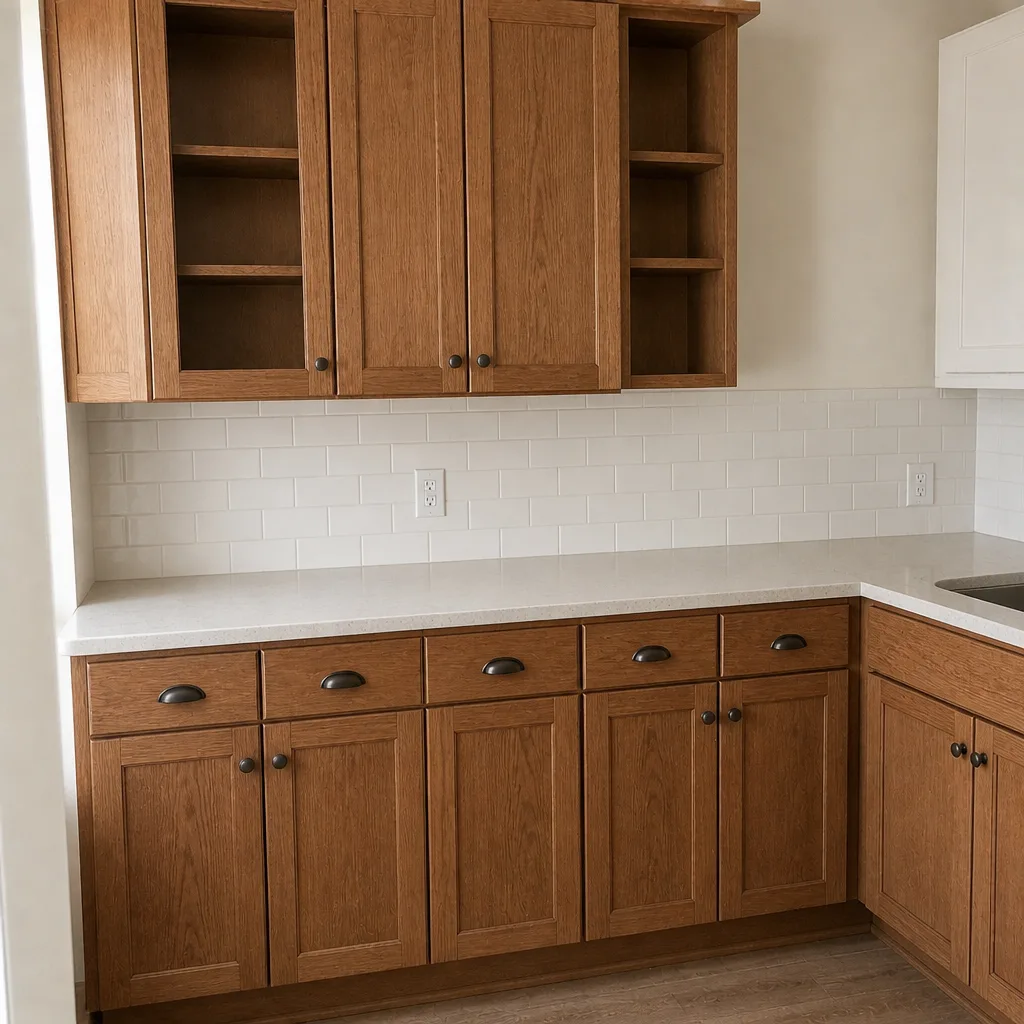
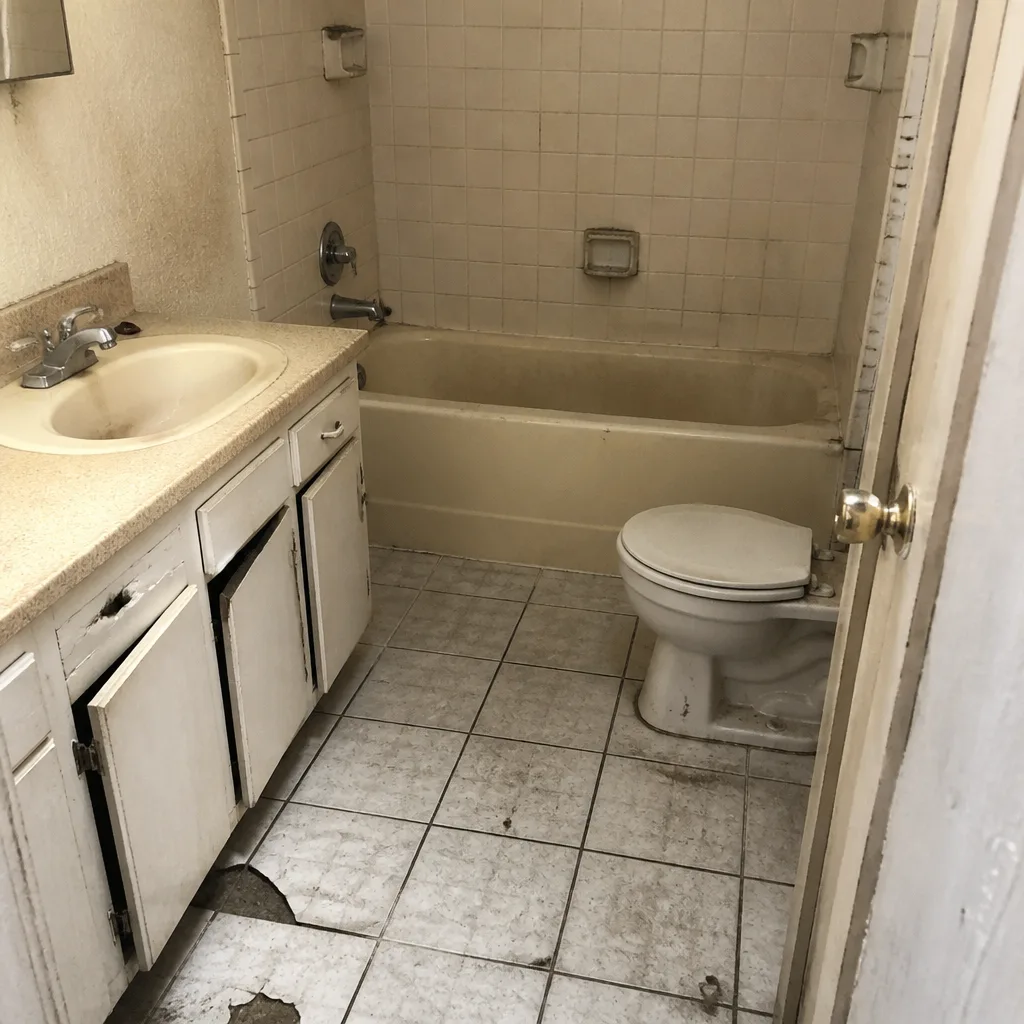
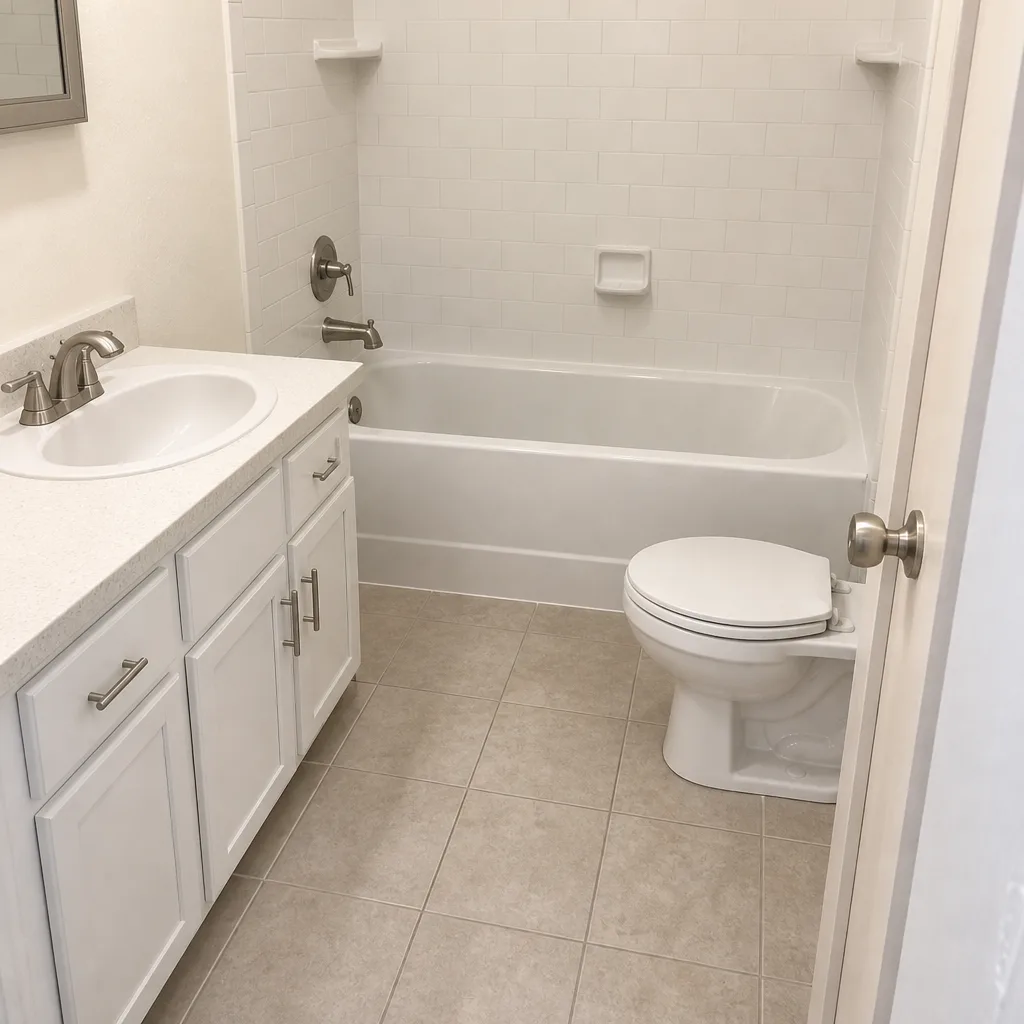
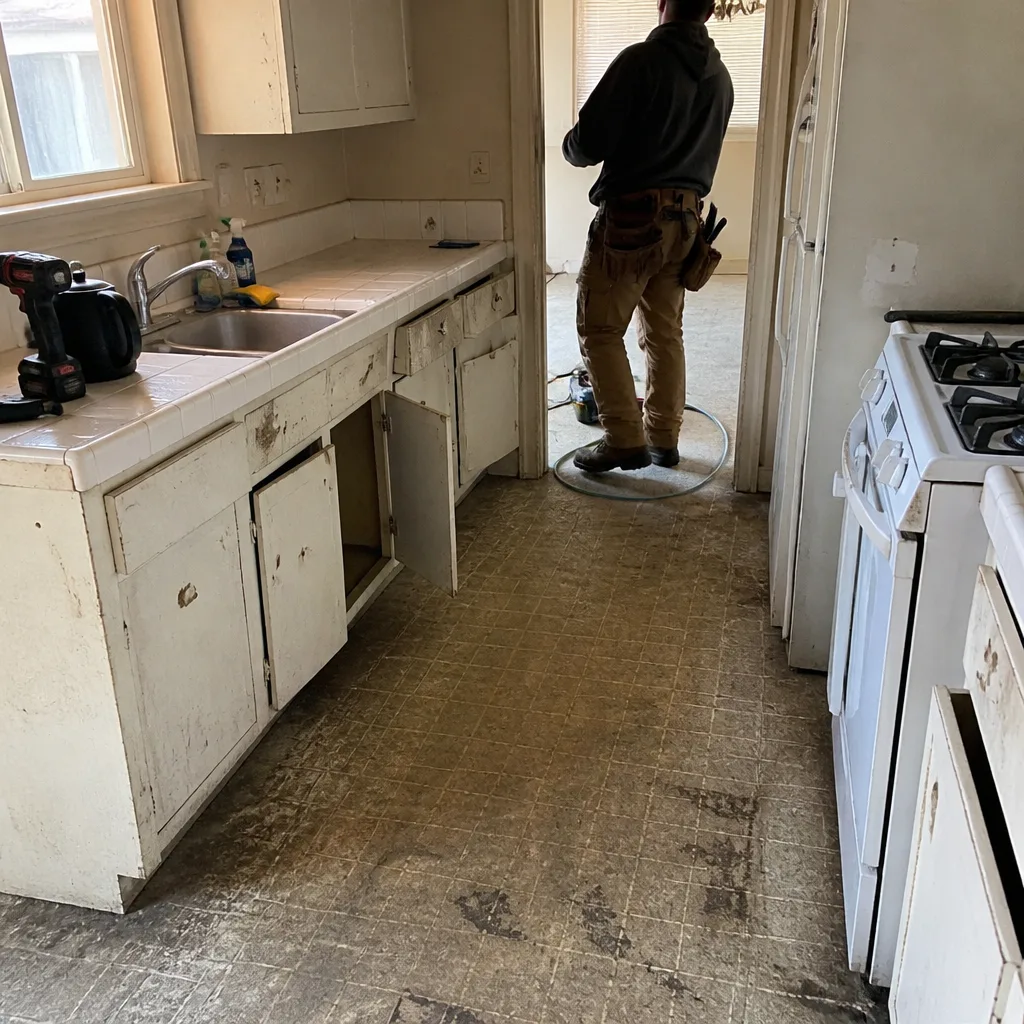
See the difference
 Before
 After
 Before
 After
 Before
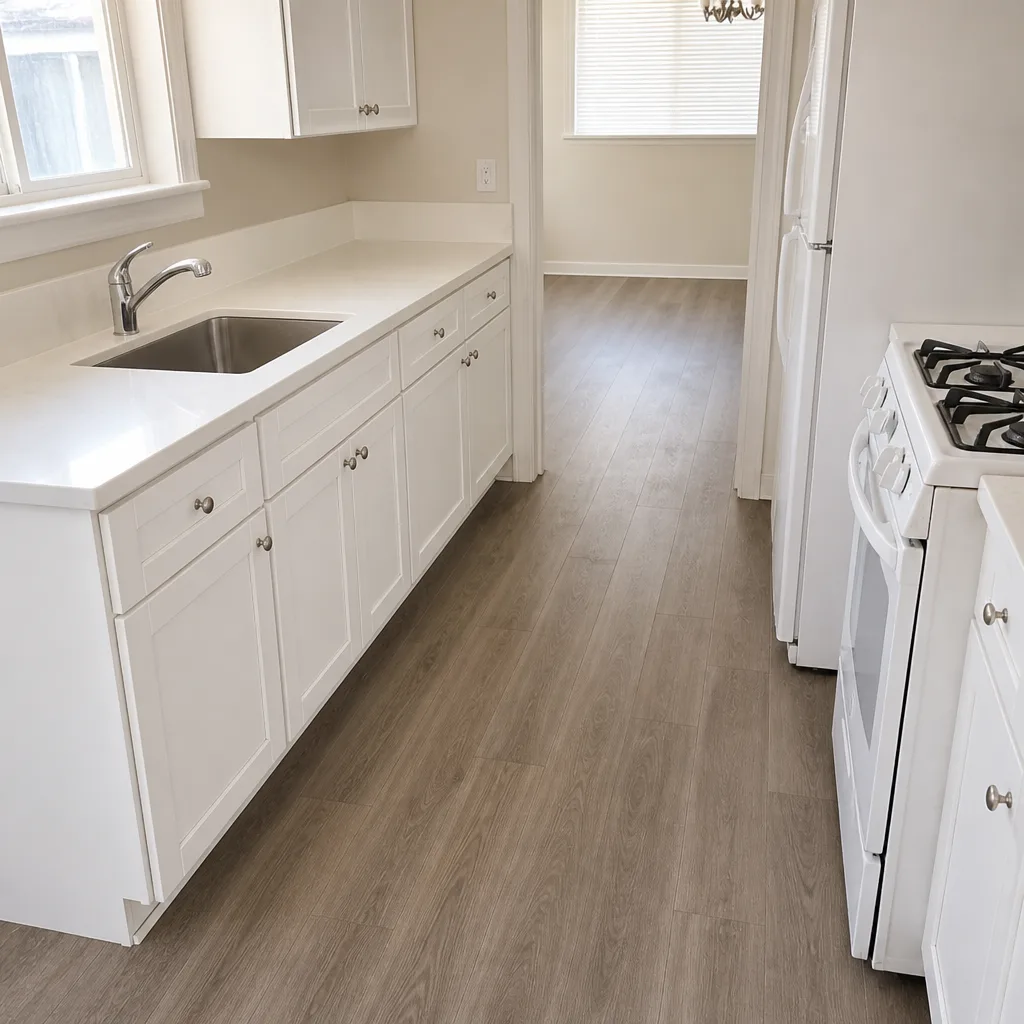 After
When to Call a Professional
Call a licensed contractor before you consider doing the work yourself when any of these is true: you’re changing structural framing, you’re moving a load-bearing wall, you’re doing anything to the electrical panel, you’re running gas or water lines, you’re installing HVAC, or you’re pulling a permit for anything larger than a shed or freestanding fence. Those trades carry licensing requirements that no owner-builder signature waives, and they carry life-safety risk that isn’t worth the savings. If you’re planning an addition or ADU in Lancaster and you want a straight answer on what’s safe to do yourself and what isn’t on your specific lot, we’ll walk through it with you at no cost. Barrett & Sons Construction Lancaster offers free estimates in Lancaster: call (888) 427-1810. Every quote is a written, line-item quote, and every change order lands in writing before the work touches the job.
Frequently Asked Questions
No. Electrical work inside a permitted structure requires a licensed electrical contractor (C-10) in Los Angeles County, regardless of whether you’re the owner-builder. The owner-builder permit changes who is the general contractor of record; it doesn’t exempt you from trade licensing. If you wire the addition yourself and the inspection catches it, you’ll be redoing the work and paying a licensed electrician to sign it off anyway. Call (888) 427-1810 for a licensed electrician referral through our network.
It depends on whether the ADU is permitted, finaled, and recorded. Fannie Mae, Freddie Mac, FHA, and VA all rely on the appraiser’s ability to confirm the structure’s records, and unpermitted or unfinished square footage typically gets excluded from gross living area. An owner-built ADU that went through permits, inspections, and a final certificate of occupancy is financeable. One that didn’t is a resale problem. We pull permits and get inspections signed on every eligible job we do, and that’s the difference that shows up at closing. Call (888) 427-1810 for a free second opinion on any written estimate you’ve received.
Finish-work labor on a 900-square-foot ADU in Lancaster commonly runs $15,000 – $28,000 for painting, trim, tile, and hardware, so that’s your realistic savings range if you do it all. What you can’t do without losing the savings: rough framing, electrical, plumbing, HVAC, and structural work, all of which have to be licensed. The sweet spot for most families is doing the painting and finish carpentry themselves and hiring out everything else. Call (888) 427-1810 to talk through where your time is best spent.
Yes. Any ADU – attached or detached – requires a building permit in Lancaster, and the permit is required whether you or a licensed contractor pulls it. The permit and inspection record is what makes the ADU financeable and insurable down the road, and it’s what a future buyer will look for. Skipping it saves a few hundred dollars on the front end and costs tens of thousands on the back end. Call (888) 427-1810 and we’ll tell you what permits your project needs before you sign anything.
Yes, and it’s a good idea. California Civil Code allows adjacent property owners to share the cost of a boundary fence, and a written agreement up front prevents the disputes that come later. Fence materials and installation typically run $35 – $65 per linear foot for wood privacy and $45 – $85 per linear foot for vinyl like Bufftech, so a 100-foot shared line is a real cost to split. We install fences in Lancaster and can price a shared boundary without a trip charge inside the county. Call (888) 427-1810 for a free estimate.
They can file a mechanic’s lien against your property, and you can lose the ability to sell or refinance until it’s resolved. The lien doesn’t care that you weren’t the one who cut the check; it attaches to the property. This is the biggest hidden liability of owner-builder status, and it’s why we require lien releases from every subcontractor as they’re paid and conditional lien releases against final payment. Call (888) 427-1810 if you’re being asked to sign an owner-builder disclosure and want a second set of eyes on it first.
The Bottom Line
The DIY question on additions and ADUs isn’t about skill. It’s about what California law allows an unlicensed owner-builder to do, who’s carrying the liability once the owner-builder signature is on the permit, and whether the work will still count for financing and resale years later. Painting, landscaping, finish carpentry, tile, and cabinet installation after rough-ins are real sweat equity with real savings. Electrical, plumbing, HVAC, and structural work require licensed contractors and aren’t negotiable. Unpermitted work costs more at closing than it saves at construction, every time. Build the hybrid structure, put everything in writing, verify every license before you sign, and keep the finish work in a schedule your contractor controls.
If you’re planning an addition or ADU in Lancaster and want to know what’s realistic on your lot – permitted, inspected, and built right the first time – call Barrett & Sons Construction Lancaster at (888) 427-1810 for a free estimate. We’re at your door with a written, line-item quote, and we back every job with the 90-Day Done Right Promise. Start at our Barrett & Sons Construction Lancaster home page to see what we do, or call and we’ll talk it through.
Written by the team at Barrett & Sons Construction Lancaster.