
Last updated November 17, 2026
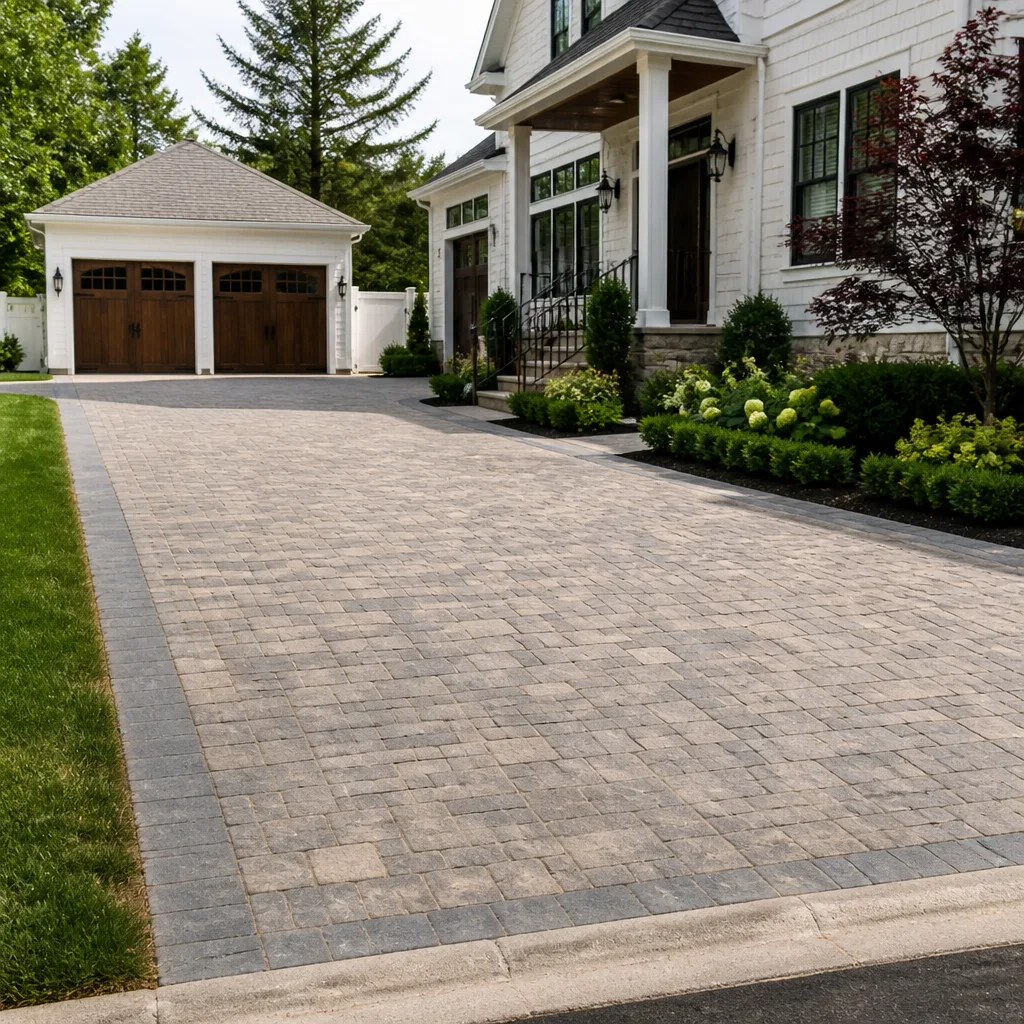 Driveway & pavers
 Kitchen remodeling
 Bathroom remodeling
 Home additions & ADU
 Roofing
 Windows & doors
 Fence
Free written scope consultation - allowances, timeline, and change-order rules on paper before a single trade is scheduled
DIY vs Professional Driveway & Pavers: What’s Safe to Do Yourself
YouTube makes paver installation look like a weekend project. The videos don’t show the part where someone rents a plate compactor without knowing what compaction depth means, and two years later the whole driveway looks like a topographic map. We’ve pulled enough failed DIY driveways out of Lancaster yards to know exactly where that line sits. This guide draws it honestly: the paver work you can confidently handle yourself, the base and grading work that quietly turns into an expensive professional rescue, and what a real cost comparison looks like once you count the redo. If you’re weighing DIY driveway pavers vs hiring a contractor in Lancaster, this is the page to read before you rent anything.
Quick Answer
Cleaning, re-sanding joints, sealing the surface, and swapping a single cracked paver are all genuinely safe DIY tasks for a handy homeowner. Base excavation, grading for slope and drainage, and proper compaction are not – on Lancaster’s caliche soil, a shallow or poorly compacted base is the number one cause of settling, heaving, and full driveway replacement within a few years. If your project involves new installation or regrading, hire a licensed paver contractor and get the permit handled.
Styles & brands we work with
- Kitchen remodeling
- Bathroom remodeling
- Home additions & ADU
- Roofing
- Windows & doors
- Driveway & pavers
- Fence
Table of Contents
- What You Can Safely Do Yourself
- Why Lancaster’s Caliche Soil Changes Everything
- The Real Cost Comparison: DIY vs Professional
- Permits in Lancaster: When a Driveway Project Triggers One
- Five Questions to Ask Before You Start
- Common Mistakes to Avoid
- When to Call a Professional
- Frequently Asked Questions
What You Can Safely Do Yourself
There’s real, satisfying work a Lancaster homeowner can take on with a paver driveway – and it genuinely extends the life of the surface when it’s done right. Here’s the short list we hand to customers who ask whether they can handle the maintenance themselves.
Joint Sand Replacement
Over time, the sand between pavers washes out, and this is where weeds take hold and where pavers start to shift laterally. Refilling joints with polymeric sand is a legitimate DIY job: sweep it in, mist it down, let it cure. Expect to spend a Saturday on a standard two-car driveway. The one caveat – if the sand is disappearing from the same spots every year, you likely have a drainage or base issue underneath, and re-sanding won’t fix the cause.
Single-Paver Swaps
A cracked or stained paver can be lifted and replaced with a matching unit. You’ll need a pry bar, a rubber mallet, and a spare paver – which is exactly why we tell every customer to keep a half-dozen spares from the original order stored in the garage. Color lots vary between manufacturing runs, so a paver bought three years later often won’t match. This is a two-hour job, not a two-day one.
Surface Sealing
Sealing is the highest-value DIY task on the list. A penetrating or film-forming sealer applied every two to three years keeps the color from fading under Lancaster’s high-desert sun – UV exposure here is brutal on unsealed concrete and clay pavers alike. Clean first, let the surface dry completely, then apply with a roller in the early morning before the heat climbs. Skip sealing a brand-new install until it’s fully cured, usually 30 to 60 days depending on the sealer.
Why Lancaster’s Caliche Soil Changes Everything
Here’s the fact that separates a Lancaster paver project from the same project in Ohio or the Pacific Northwest: much of the Antelope Valley sits on caliche, a naturally cemented layer of calcium carbonate that forms a hard, almost concrete-like crust beneath the topsoil. Tutorial videos assume loose, workable dirt. Caliche doesn’t cooperate.
In our experience working across Lancaster, from Quartz Hill to the west side near the fairgrounds, caliche is the reason DIY installations fail early. Here’s what actually happens when someone digs a base without accounting for it:
- Shallow excavation. Caliche is so hard that homeowners give up on digging to the proper depth and install a base half as thick as it needs to be. Pavers sit on a slab that flexes under load.
- Poor drainage. Caliche doesn’t drain. Water that would normally percolate away instead pools under the pavers or pushes up at the edges, and you get heaving and mud-pumping within one rainy season.
- False confidence from compaction. Renters of a plate compactor rarely know how to check compaction depth with a test probe. A base that looks flat and feels hard can still be loose three inches down.
- Wind-blown grit. Lancaster’s wind season moves fine dust into unsealed joints fast, and that dust breaks down the interlock over time.
The correct approach on caliche is mechanical excavation down to a stable subgrade, then a properly graded aggregate base, compacted in lifts with a plate or jumping-jack compactor, tested at depth. That’s the part YouTube skips.
The Real Cost Comparison: DIY vs Professional
When people compare DIY driveway pavers vs hiring a contractor, the first number usually looks a lot smaller for DIY. The comparison only tells the truth when you count tools, time, haul-away, and the probability of a redo. Here’s the line-item breakdown we walk customers through:
- Pavers, DIY: $3.50 to $7 per square foot depending on material (concrete, clay brick, or a premium brand like Belgard or Techo-Bloc).
- Pavers, professional install: $9 to $16 per square foot installed, material included, for a typical Lancaster driveway.
- Base aggregate and geotextile fabric: $1 to $2.50 per square foot DIY – often underestimated because caliche requires more excavation and more base depth.
- Tool rental (plate compactor, cement mixer if a concrete border, wheelbarrow, paver saw): $250 to $500 for a typical weekend plus return trips.
- Haul-away of excavated soil: $200 to $500, and caliche is heavy – dump fees add up fast.
- Permit and inspection fees: $150 to $600 depending on scope, sometimes more for a new driveway apron.
- Redo risk: 30 to 60 percent of failed DIY installs require full removal and rebuild within five years – that’s a second full price.
Add a professional install with a written warranty and a fixed quote, and the gap narrows considerably. For a full breakdown of what pavers cost locally, see our Driveway & Pavers in Lancaster page. Every job we quote comes in writing – scope, allowances, and change orders – before work begins, and every completed driveway is backed by the 90-Day Done Right Promise.
Permits in Lancaster: When a Driveway Project Triggers One
DIY installs frequently skip permits – sometimes because the homeowner didn’t know, sometimes because they were told permits were optional. In Lancaster, that’s a risk worth understanding before you dig.
A driveway project generally requires a permit when it involves:
- New driveway construction or full replacement of an existing driveway, especially where it meets a public street or sidewalk apron.
- Changing the driveway footprint – widening, adding a turnaround, or expanding toward a property line setback.
- Drainage changes – new swales, cut channels, or any work that redirects runoff toward a neighbor’s property.
- Work on a corner lot where sight lines and sidewalk clearances are regulated.
- Driveways attached to a home addition or ADU. New structures usually trigger driveway and parking requirements. If you’re planning that kind of project, our Home Additions & ADU in Lancaster page covers what permits look like for those builds.
The permit inspector works for you, not for the contractor. A signed inspection is your proof the base was deep enough, the grading was correct, and the drainage was handled – the exact things that go wrong in a DIY install nobody checked. We pull permits and get them signed on every eligible Lancaster job, and we’ve had more than one customer tell us their previous contractor said permits were optional. They weren’t.
Five Questions to Ask Before You Start
If you’re considering DIY, run this checklist honestly before you rent a single tool. If you can’t answer all five with confidence, that’s your signal.
- What’s my slope? A driveway needs a minimum slope away from the structure – usually around 2 percent – and a clear path for water to leave the property. Get this wrong and you’re routing water toward your foundation.
- How many square feet, really? Measure twice. A two-car driveway in Lancaster typically runs 400 to 600 square feet, and every surprise in base depth multiplies that number.
- What’s under the surface? Caliche-heavy lots may need mechanical excavation. Sandy or loose fill lots may need more base depth and geotextile to stabilize. You need to know before you budget.
- Can I get the right equipment here? Access to a proper plate compactor, an excavator for caliche, and a paver saw is essential. If your only option is a hand tamp, walk away from new installation.
- What’s my redo number? If the job fails, can you afford to pay twice? If not, put that second-cost budget into a professional install with a warranty.
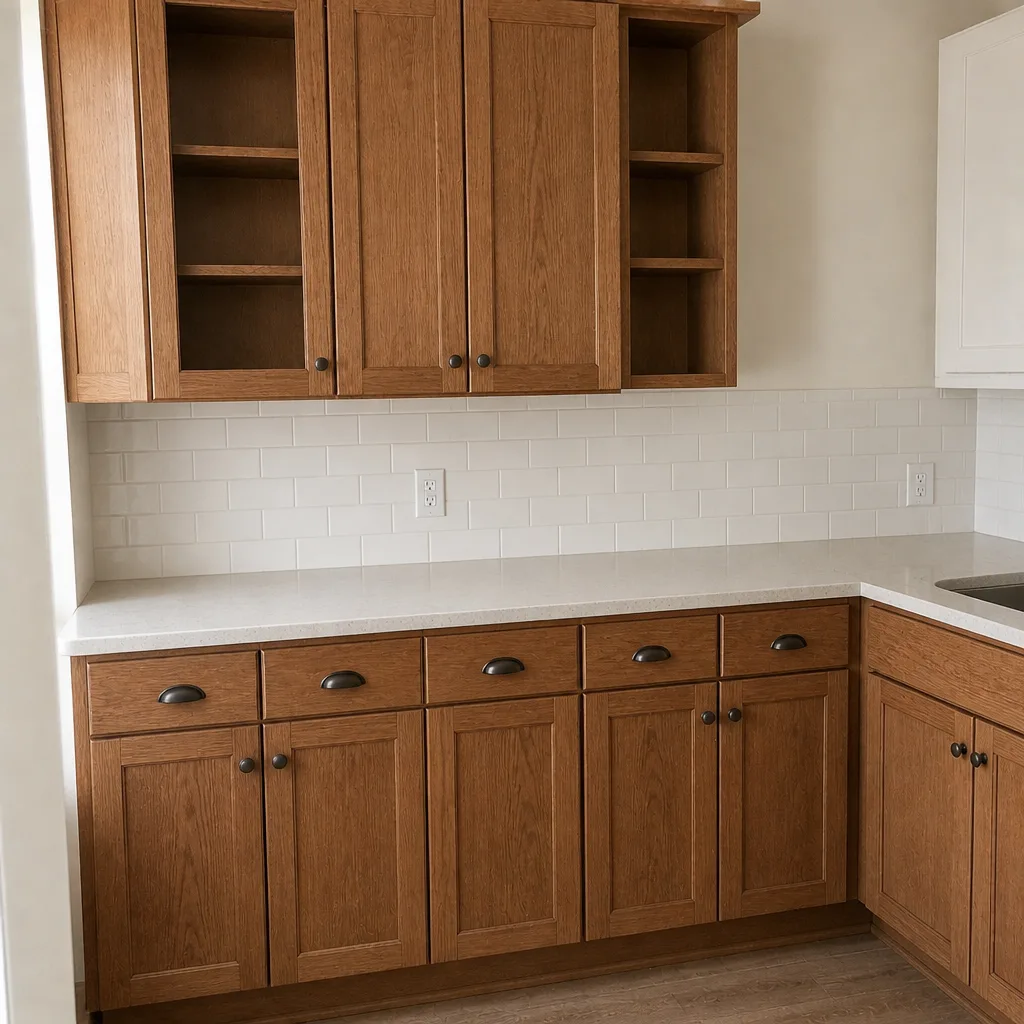
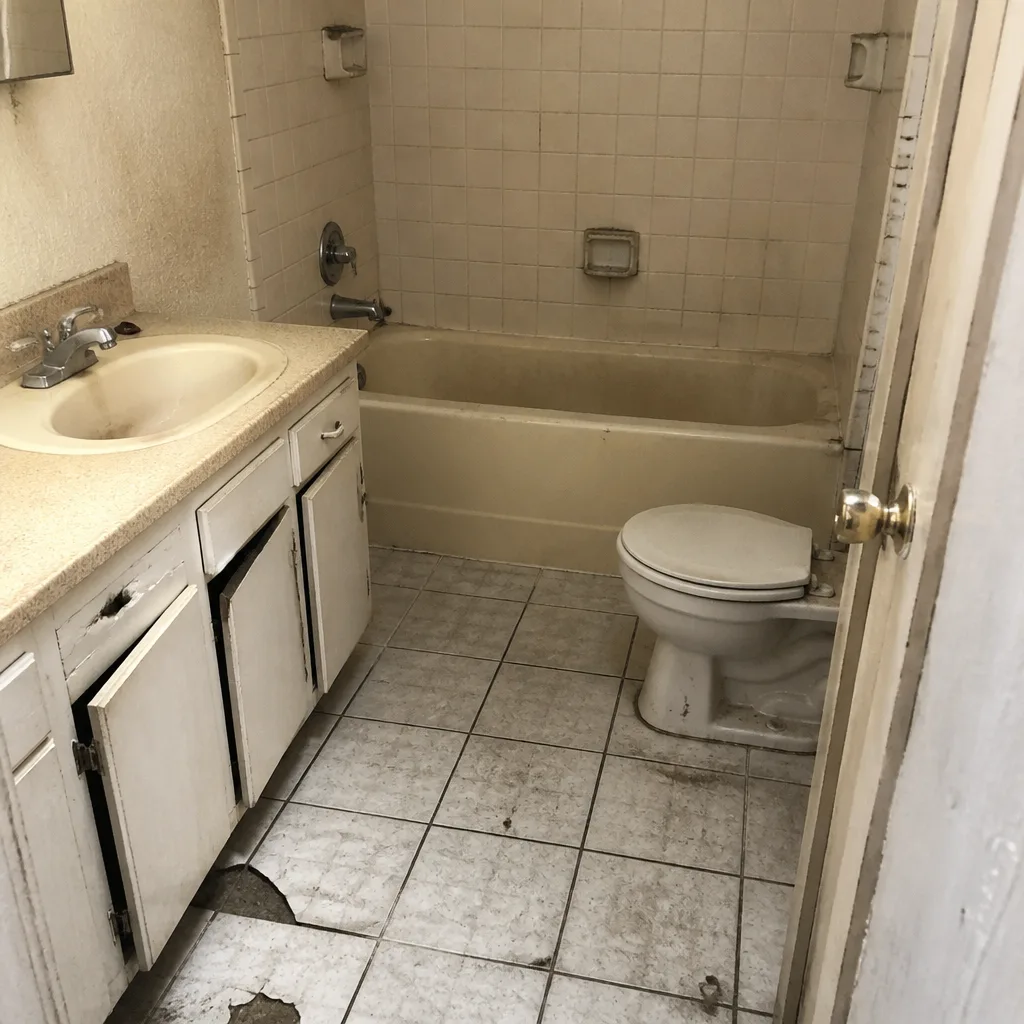
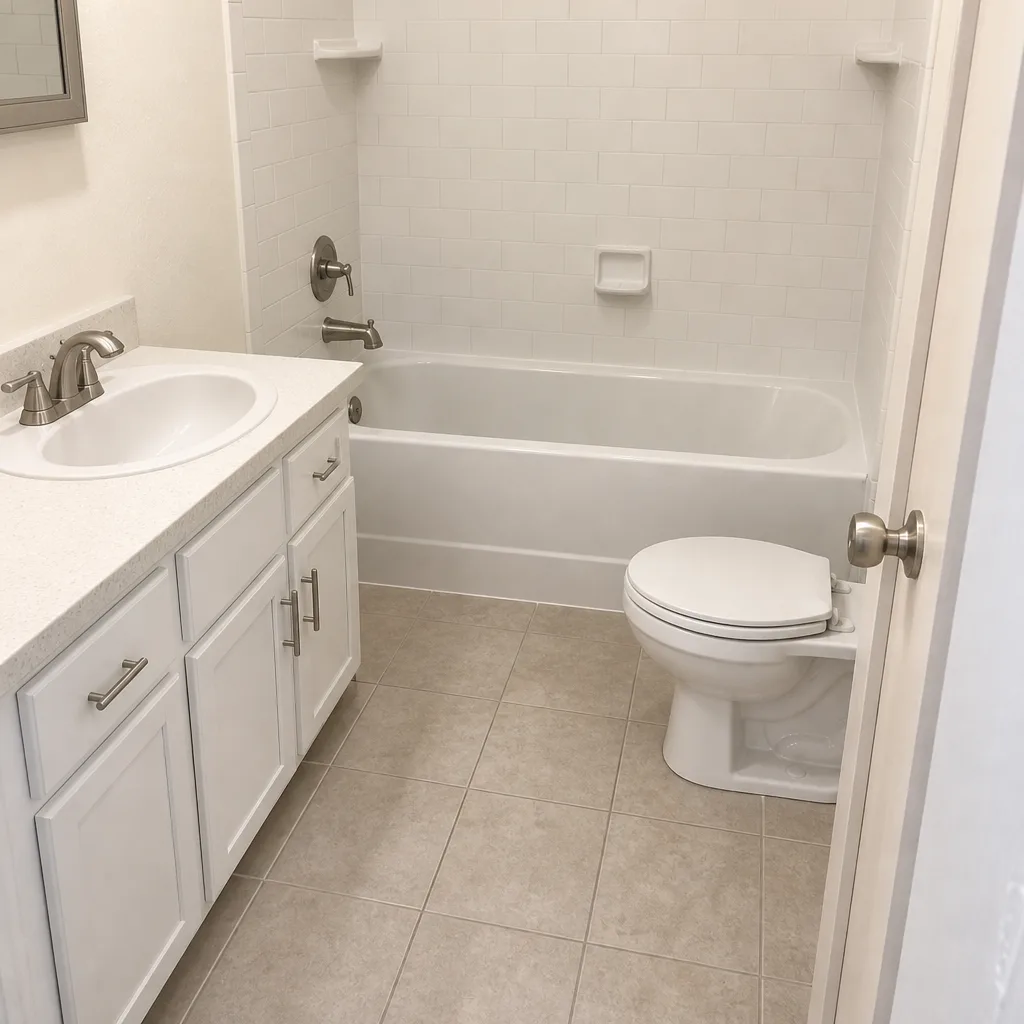
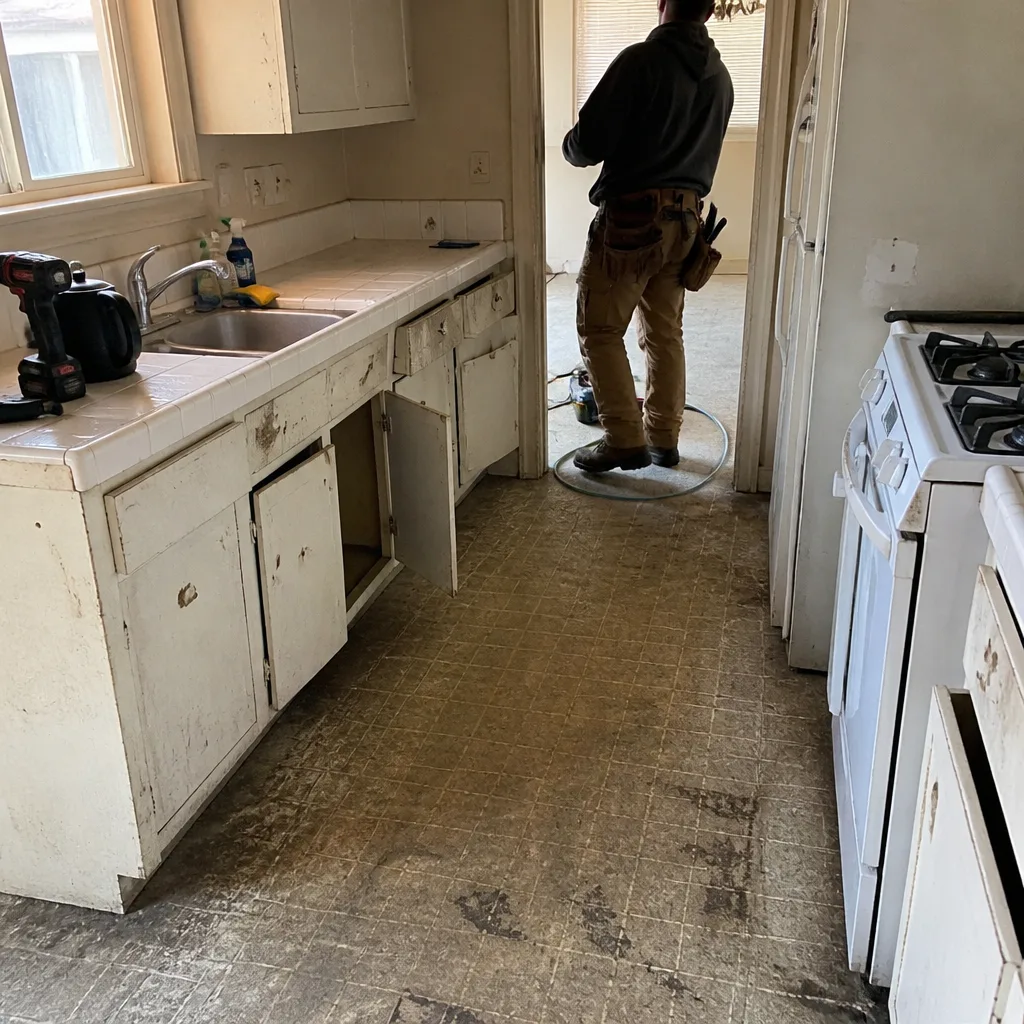
See the difference
 Before
 After
 Before
 After
 Before
 After
Common Mistakes to Avoid
- Skipping compaction depth tests. A base can look solid on the surface and be loose underneath. Test with a compaction probe at depth, not your boot.
- Underestimating caliche. Lancaster yards on the west side and around Quartz Hill regularly need mechanical excavation – a shovel and weekend won’t cut it.
- Re-sanding without finding the cause. If joint sand washes out in the same spots every year, you have a grading or drainage problem. Re-sanding won’t fix it.
- Installing pavers without a permit when one is required. It catches up with you at resale, or when a new apron work triggers an inspection on an unpermitted surface.
- Sealing too soon. Applying sealer before the pavers cure (usually 30 to 60 days for new installs) traps moisture and causes a cloudy finish.
- Mixing paver lots. Buying an extra pallet months later rarely matches – color lots vary. Buy spares at the time of install.
- Ignoring a utility locate before digging. Call 811 before any significant excavation. It’s free and it prevents a very expensive mistake.
When to Call a Professional
Call a licensed paver contractor when the project involves new installation, base excavation, grading, or drainage changes – especially on caliche-heavy lots. Call us if your driveway is heaving, sinking in places, pooling water at the edges, or if you’re planning an install tied to an addition, ADU, or fence line that touches the driveway. Our Fence Installation in Lancaster page covers the boundary work that often pairs with a driveway project. We’ve worked Lancaster and the surrounding Antelope Valley communities for over 29 years, and our technicians have up to 28 years of experience with paver systems, base prep, and the tricky caliche work that DIY installs get wrong.
Barrett & Sons Construction Lancaster offers free estimates in Lancaster – call (888) 427-1810. Every quote comes with written scope, allowances, and change orders before any work begins, and every completed job is backed by the written 90-Day Done Right Promise.
Frequently Asked Questions
You can install pavers yourself if you have excavation equipment, know how to grade for slope and drainage, and can test compaction depth correctly. In Lancaster, the caliche layer under many yards makes this significantly harder than the tutorials show – most DIY installs that fail do so because the base was too shallow or poorly compacted. For a full new install, hire a licensed contractor.
A professionally installed paver driveway in Lancaster typically runs $9 to $16 per square foot, material included, depending on the paver brand and driveway size. A typical 500-square-foot two-car driveway lands somewhere between $4,500 and $8,000. Premium brands like Belgard and Techo-Bloc sit at the higher end. Call (888) 427-1810 for an exact quote – estimates are free.
On a job we handle, no surprise invoices – every price change arrives as a written change order before any work proceeds. If we discover something unexpected under the surface – extra caliche, an unmarked utility line – we walk you through what it means and the cost before anyone lifts a shovel.
Yes, we pull permits and get them signed on every eligible Lancaster job. If your project involves a permit, we handle the application, the inspection, and the signed sign-off. Skipping that step is one of the most common DIY mistakes we see.
A standard 500-square-foot paver driveway typically takes three to five working days from excavation through final joint sand, weather and inspection schedule permitting. Larger driveways or heavy caliche excavation run longer. Your written quote includes the expected timeline.
Every two to three years is the norm in Lancaster because UV exposure is intense – unsealed pavers fade faster here than in cooler climates. Wait 30 to 60 days after a fresh install before sealing, and always clean the surface thoroughly before applying product.
The Bottom Line
DIY paver maintenance – re-sanding, sealing, and single-paver swaps – is genuinely within reach for a careful homeowner, and doing it regularly extends the life of your driveway. Base prep, excavation, grading, and compaction on Lancaster’s caliche soil is where DIY quietly turns into an expensive rescue, and often a full rebuild two years later. The honest cost comparison only works when you count tool rental, haul-away, permit fees, and redo risk. If your project is maintenance, do it yourself. If it’s new installation or regrading, work with a licensed contractor who pulls the permits, quotes in writing, and backs the job with a real warranty.
If you’re planning a paver driveway in Lancaster or the surrounding Antelope Valley, call Barrett & Sons Construction Lancaster at (888) 427-1810 for a free estimate. Every quote comes in writing – scope, allowances, and change orders – and every completed driveway is backed by the 90-Day Done Right Promise.
If you’d like to see the full range of work we handle, start with the Barrett & Sons Construction Lancaster home page – every service, every trade, and every standing offer in one place.
Written by the team at Barrett & Sons Construction Lancaster.