
Last updated November 17, 2026
 Home additions & ADU
 Kitchen remodeling
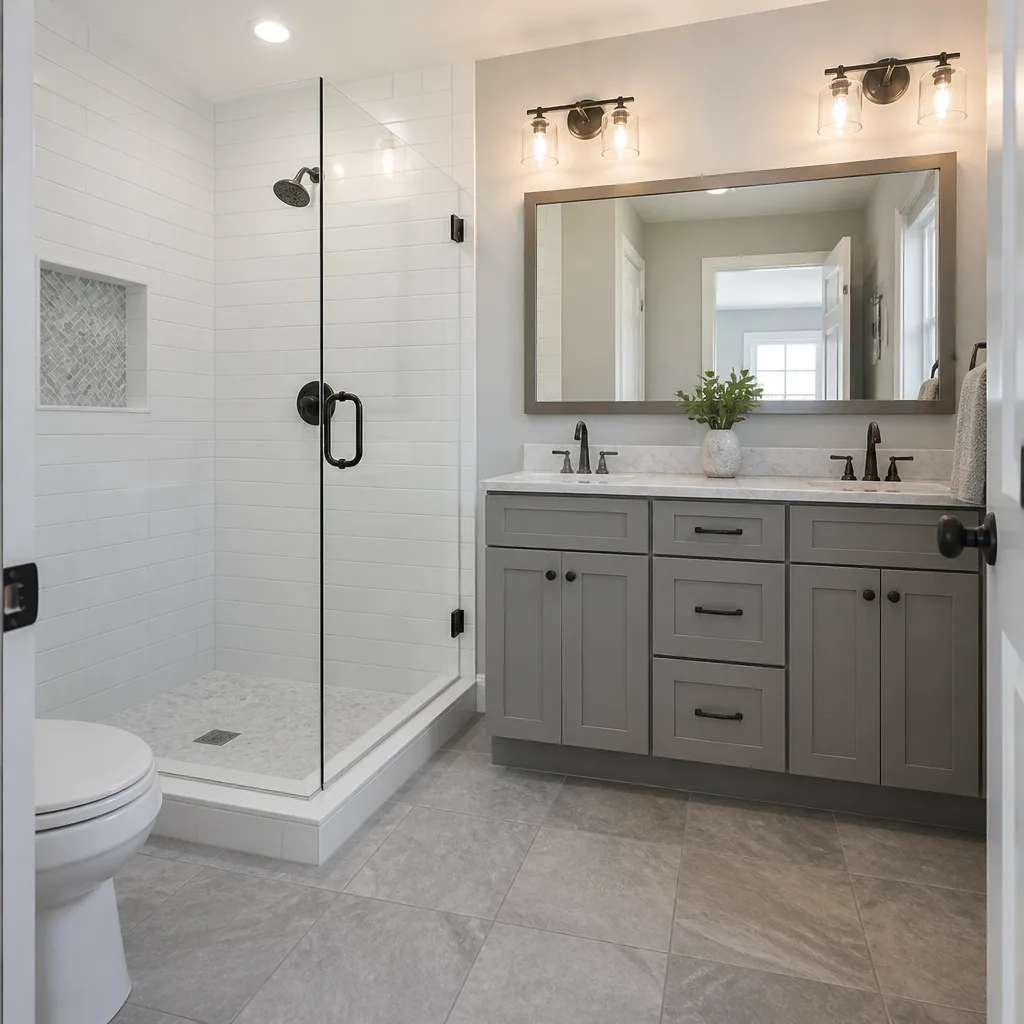 Bathroom remodeling
 Roofing
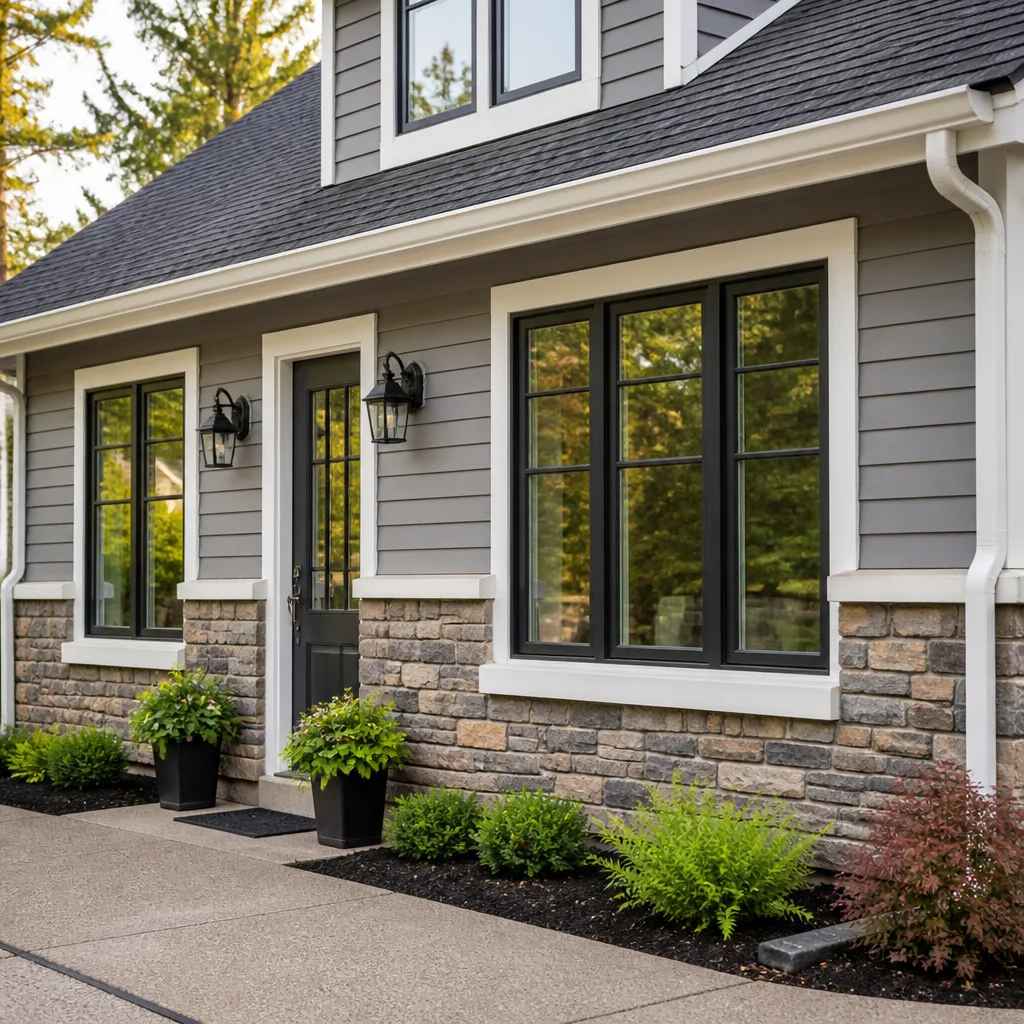 Windows & doors
 Driveway & pavers
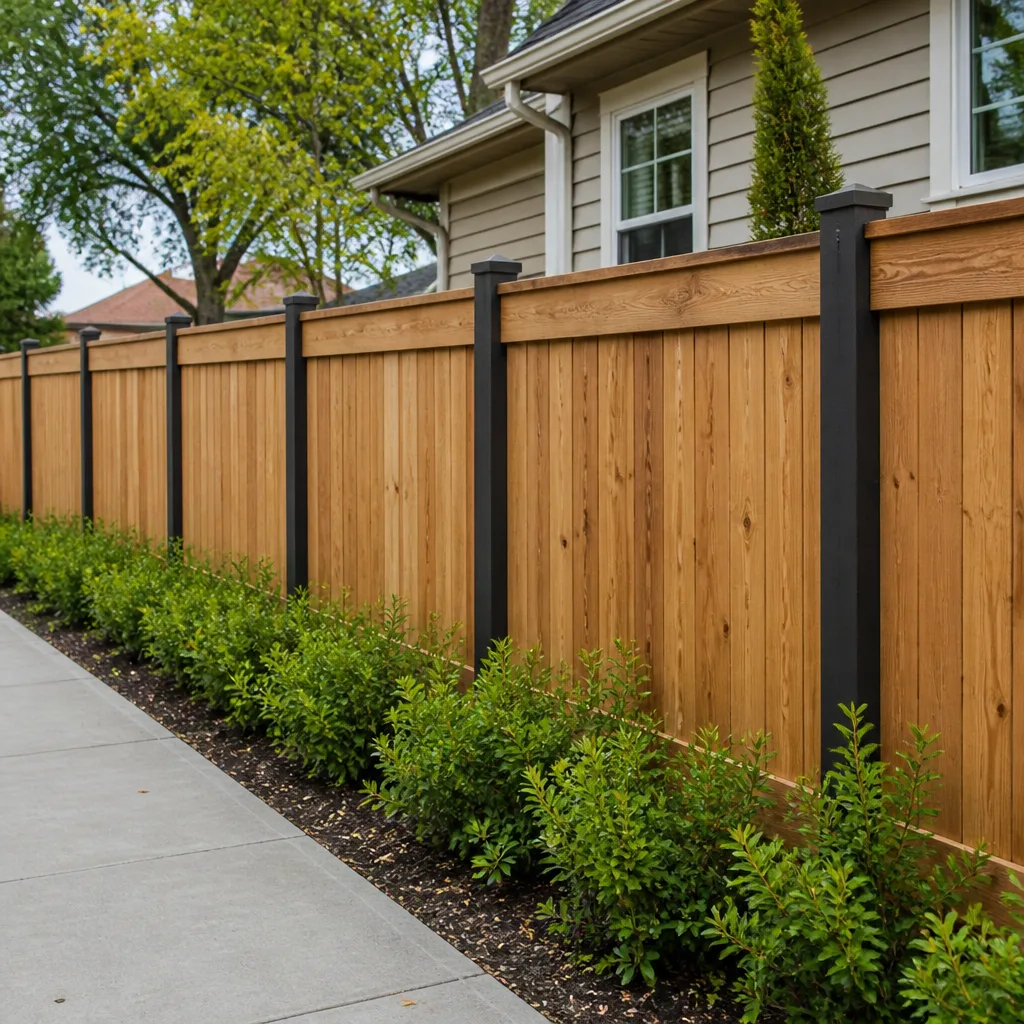 Fence
Free written scope consultation - allowances, timeline, and change-order rules on paper before a single trade is scheduled
Construction Warning Signs: A Lancaster Homeowner’s Reference Guide
The contractor who costs Lancaster homeowners the most money rarely announces himself with a missing license or a cash-only demand. He shows up on time, hands you a reasonable bid, and says all the right things. The trouble reveals itself later, after the demo is done, the old kitchen is in a dumpster, and you have no leverage left. That’s the pattern most red-flag articles miss. This guide covers the subtle tells: the bid that hides more than it shows, the job site that looks tidy but isn’t inspected, the contract clause that quietly passes your project to strangers. Read it before you sign, and again once work starts.
Quick Answer
The most reliable construction warning signs in Lancaster are a bid with no itemized materials by brand, a job site with no permit card posted, and a contractor who gets vague when you ask what happens if something fails after the job. Real contractors put scope, allowances, and change orders in writing before work begins, welcome the city inspector, and answer that last question with a warranty and a name attached to it. If any of those three pieces is missing, slow down and ask harder questions before you sign.
Styles & brands we work with
- Kitchen remodeling
- Bathroom remodeling
- Home additions & ADU
- Roofing
- Windows & doors
- Driveway & pavers
- Fence
Table of Contents
- Warning Sign #1: The Bid That Doesn’t Itemize
- What a Job Site Should Look Like Mid-Project
- Contract Language That Hides Subcontractors
- The “What If It Fails After You’re Done?” Test
- Why a Contractor Who Discourages Inspection Calls Is Telling You Something
- Pattern Recognition: How Small Tells Become Big Bills
- How to Verify a Lancaster Contractor Before You Sign
- Making the Call Without Second-Guessing Yourself
Warning Sign #1: The Bid That Doesn’t Itemize
A one-line bid is not a time-saver. It’s a blank check with your name on it. When a contractor hands you a total number, say $42,000 for a kitchen, with no breakdown of materials by brand and quantity, you have no way to know whether you’re getting KraftMaid cabinets or a knock-off line with a similar look. You also have no way to spot the allowance trap. An allowance is a budget placeholder, and when the jobsite reality runs over it, the overage lands on you. The allowance that isn’t on paper is a surprise waiting for a date.
What a real itemized bid includes:
- Materials by brand and model, plus quantities, not categories. “18 linear feet of Cambria quartz” beats “countertops.”
- Separate line items for labor, materials, permits, and cleanup.
- Allowances stated in dollars, with the spec that sets them and the process if you go over.
- Exclusions spelled out. What the contractor is not doing matters as much as what they are.
Asking for the breakdown doesn’t make you difficult. Try a plain sentence: “Can you send this itemized so I can compare it line to line?” A contractor who does this for a living will have the numbers on hand and send them without a fuss. A contractor who can’t produce them either doesn’t know his own costs or doesn’t want you to. Either answer tells you something before a single nail moves. When we rebuild estimates in Lancaster, every line gets a brand and a dollar figure because that’s the only version a homeowner can actually audit.
What a Job Site Should Look Like Mid-Project
Drive by at 3:30 in the afternoon. That’s when the truth is on display. A well-run site has a permit card posted in a front window or at the entry, visible to the inspector and to you. It has materials stacked off the ground, wrapped, and out of the weather. It’s secured at the end of the day: gates latched, openings covered, debris contained. Missing those three things is a signal that the crew is rushing the setup, and rushed setups get repeated at the end when it matters more.
Use this as your mid-project walkthrough checklist:
- Permit card posted. If it isn’t visible, ask where it is. “It’s in the truck” is a warning sign on its own.
- Materials stored properly. Lumber on stickers, drywall flat and dry, bags off the slab. Lancaster heat and dry wind ruin poorly stored material fast.
- Site secured at end of day. Ladders down, doors locked, dumpster covered, no open trenches overnight in a fenced yard.
- The same faces show up. A rotating cast of unfamiliar day labor is worth a question. Who are these guys, and who’s supervising them?
- Debris has a home. A dumpster, not a pile in the side yard that a Santa Ana wind will scatter across the block.
In our experience, the sites that look sloppy on day four look worse on day forty. Cleanup discipline and construction discipline tend to come from the same crew.
Contract Language That Hides Subcontractors
Most homeowners assume the crew on the contract is the crew on the job. Often it isn’t. There’s nothing automatically wrong with a contractor bringing in a licensed trade for specialty work, but you deserve to know, and you deserve to know who carries the liability. The clause to watch for reads something like “Contractor may delegate portions of the work to qualified personnel” or “Contractor reserves the right to engage trade partners at its discretion.” Those phrases usually mean the person who signed your contract is about to hand your kitchen to someone you’ve never met.
Why it matters for liability: if an uninsured sub gets hurt on your property or damages a neighbor’s fence, the question of who pays gets ugly fast. You want the contract to state who is insured and bonded and who supervises the trades on site. Ask directly: “Who’s pulling the permit, who’s on site daily, and are all trades insured?” Get the answer in writing before work starts. Our crews carry the Barrett & Sons name and are background-checked because a homeowner who’s met the people in their house sleeps better. That’s not a slogan; it’s how a job site stays accountable.
The “What If It Fails After You’re Done?” Test
Ask the question and then listen closely to how it’s answered. A confident contractor gives you a concrete term and a name. Something like: “If anything we installed fails within 90 days, you call this number and I come back and make it right.” A vague answer (“we stand behind our work,” “our guys guarantee it,” “that’s never been a problem”) is the tell. It’s not that the words are false; it’s that they can’t be enforced. A promise with no duration and no name has no edges to hold onto.
What a real answer includes:
- A specific warranty term in the contract, not in conversation.
- A named process for how to file a claim and who responds.
- The product manufacturer’s warranty passed to you in writing, since GAF or Andersen warranties belong to the homeowner, not the contractor.
- What is and isn’t covered, so nobody’s disagreeing six months later.
If the answer is warm and reassuring but empty, you’ve learned something important before the check clears. A written 90-day promise with a phone number attached beats a friendly grin every time.
Why a Contractor Who Discourages Inspection Calls Is Telling You Something
If a contractor suggests you skip the city inspection call, or tells you the permit “is handled, don’t worry about it,” or acts annoyed when you mention you’re going to call the city to check status, pay attention. That discomfort is information. The permit inspector works for you, not for the contractor. Inspection is the one independent set of eyes on your project, and a contractor who doesn’t want those eyes on his work is either cutting corners or wasn’t planning to pull the permit in the first place.
What to do with that signal:
- Pull the permit record yourself. The city of Lancaster and LA County both let you check status online or by phone.
- Confirm the permit is in your name at your address, not “in process.”
- Ask when each inspection is scheduled and plan to be present for at least one.
- If the record doesn’t exist and the contractor told you it did, that’s your answer. Walk.
Unpermitted work in Lancaster is a real headache at resale. A buyer’s inspector finds a remodeled kitchen with no permit on file, and suddenly you’re explaining it to a lender. The permit exists to protect you, and any contractor who treats it as a nuisance is treating your protection as a nuisance.
Pattern Recognition: How Small Tells Become Big Bills
Warning signs rarely travel alone. They cluster. A contractor who’s vague about the warranty is often also vague about the allowance, and the allowance is where the budget quietly grows. The pattern looks like this: an itemized bid missing brand names, then mid-project a verbal “we need a little more for the tile,” then an invoice at the end that doesn’t match any number you remember seeing in writing. Each step felt survivable. Together they added ten percent to the job.
The defense is one rule: scope, allowances, and change orders in writing, before the work happens. Not after. Not in a text. A written change order with the dollar figure and a signature line, sent before anyone touches the wall. When we run a job, every price change goes to the homeowner on paper first because the allowance that isn’t documented is exactly how a friendly project turns into a fight at final walkthrough. Once you know the pattern, you’re harder to surprise. Los Angeles County has a permitting and inspection system that does work if homeowners use it, and the contractors who hide from it tend to hide other things too.
How to Verify a Lancaster Contractor Before You Sign
Verification takes an afternoon and saves months. Start with the state license lookup through the Contractors State License Board. The number, the name, and the address should match what’s on your bid, not similar or close. A license in someone else’s name, or one that’s expired or suspended, is a hard stop.
Run through this list before any contract gets signed:
- Look up the license number on the CSLB site and confirm the business name and address match the bid.
- Ask for proof of insurance and bonding and confirm it’s current for the calendar year.
- Call the city or county to confirm permits will be pulled for your specific scope.
- Ask for three references from jobs in Lancaster or the Antelope Valley within the last two years and actually call them.
- Read the warranty clause and the change-order procedure in the contract before signing.
- Get the itemized bid with brand names and quantities in your hands, not promised for later.
If you’re sizing up a driveway or hardscape job, the same rules apply, and our guide to Driveway & Pavers in Lancaster walks through what an itemized hardscape bid should include. For fencing, where a sloppy install in our wind shows up within a year, see Fence Installation in Lancaster.
Making the Call Without Second-Guessing Yourself
Most homeowners already have a gut feeling by the third visit. The problem is they talk themselves out of it because the bid was a little lower or the contractor seemed nice. Trust the pattern, not the promise. If the itemization isn’t there, the permit card isn’t posted, the warranty is vague, and the contract hides who’s doing the work, those four things together are your answer. You don’t need a fifth. And if everything checks out, you’ve earned the confidence to sign, because you’ve verified the license, the permits, and the paperwork with your own eyes.
For bigger projects like an addition or accessory dwelling unit, the stakes grow and so should the vetting. Our Home Additions & ADU in Lancaster page covers the permit and inspection timeline for those jobs specifically, and it’s worth a read before you sit down with any contractor about a major build.
Common Mistakes to Avoid
- Accepting a one-number bid. Without brand names and quantities you can’t compare bids or catch the allowance trap. Ask for the itemization before you sign.
- Not driving by the job site. Visiting mid-afternoon tells you more than any reference call. Permit card, stored materials, secured site, familiar faces.
- Skipping the license lookup. The CSLB lookup takes two minutes and confirms the name and address on the bid, not something close to it.
- Believing “the permit’s handled.” Confirm the permit is in your name at your address with the city of Lancaster before work starts.
- Taking verbal change orders. A tile upgrade or a moved wall agreed in a text is a surprise invoice waiting for the final walkthrough.
- Accepting a vague warranty answer. “We stand behind our work” is a phrase. A written term with a phone number and a name is a warranty.
- Ignoring the subcontractor clause. Read the part of the contract that governs who does the work and who’s insured, and get it in writing.
See the difference
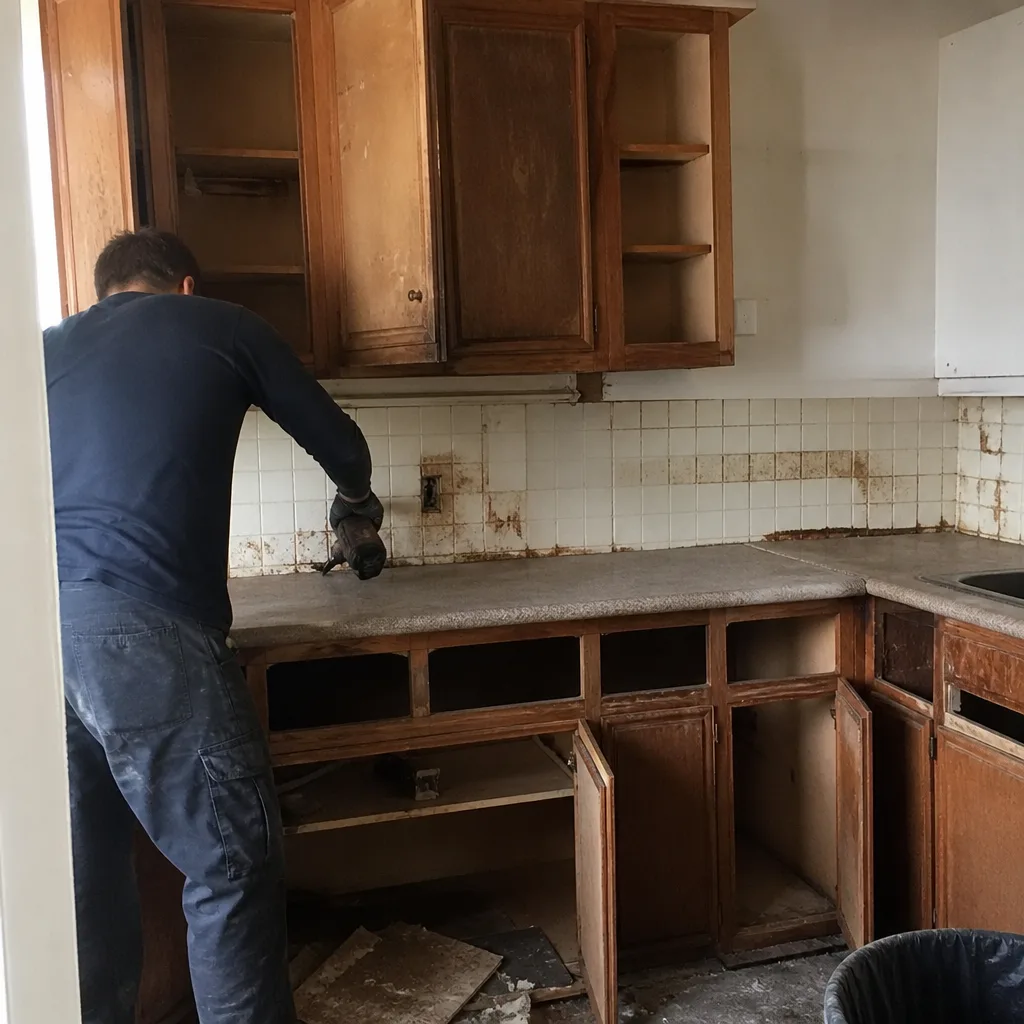 Before
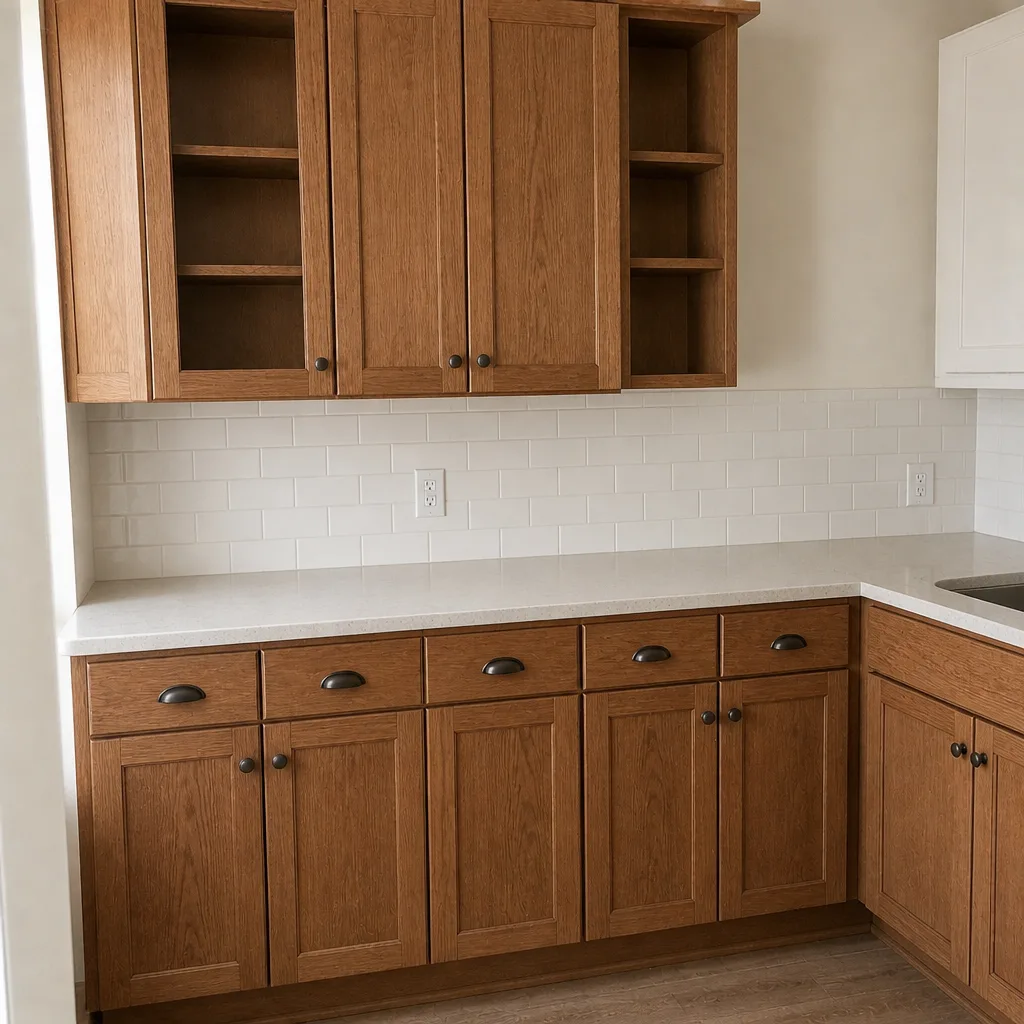 After
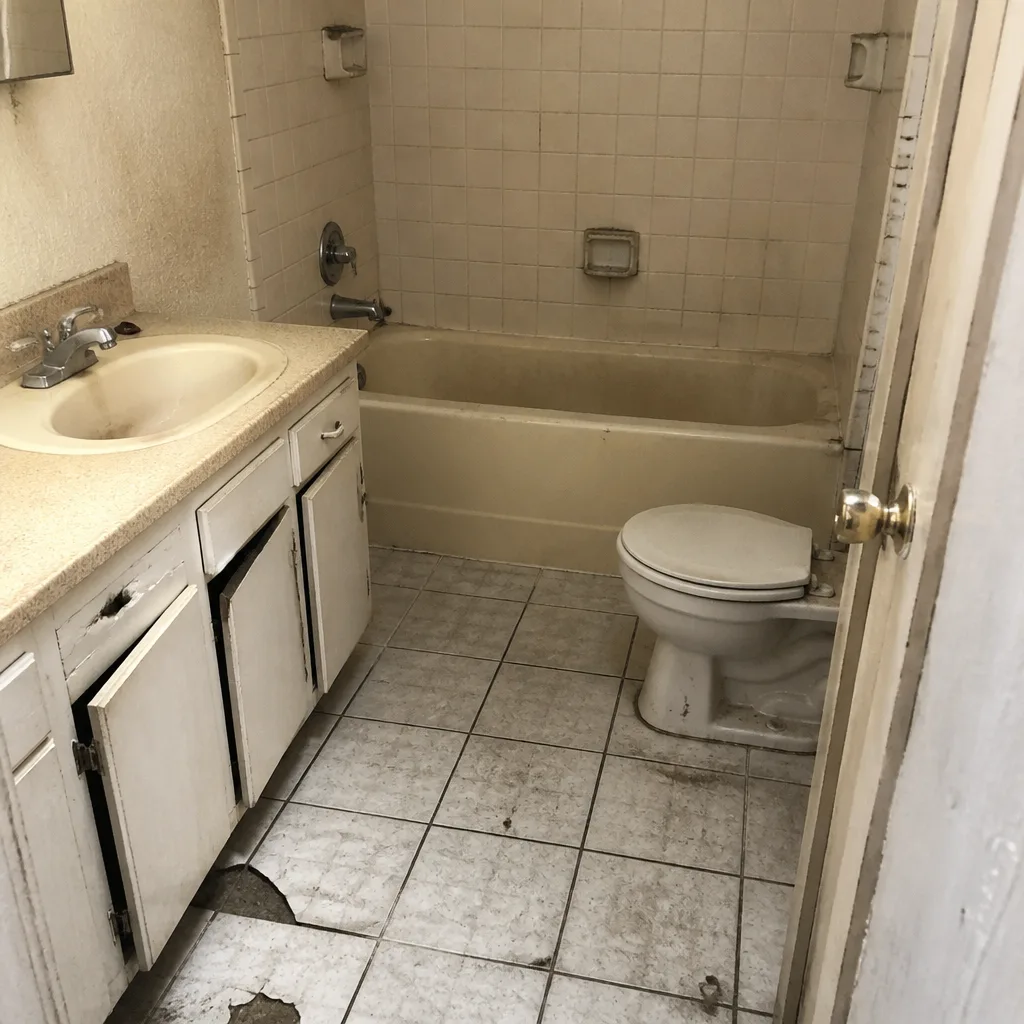 Before
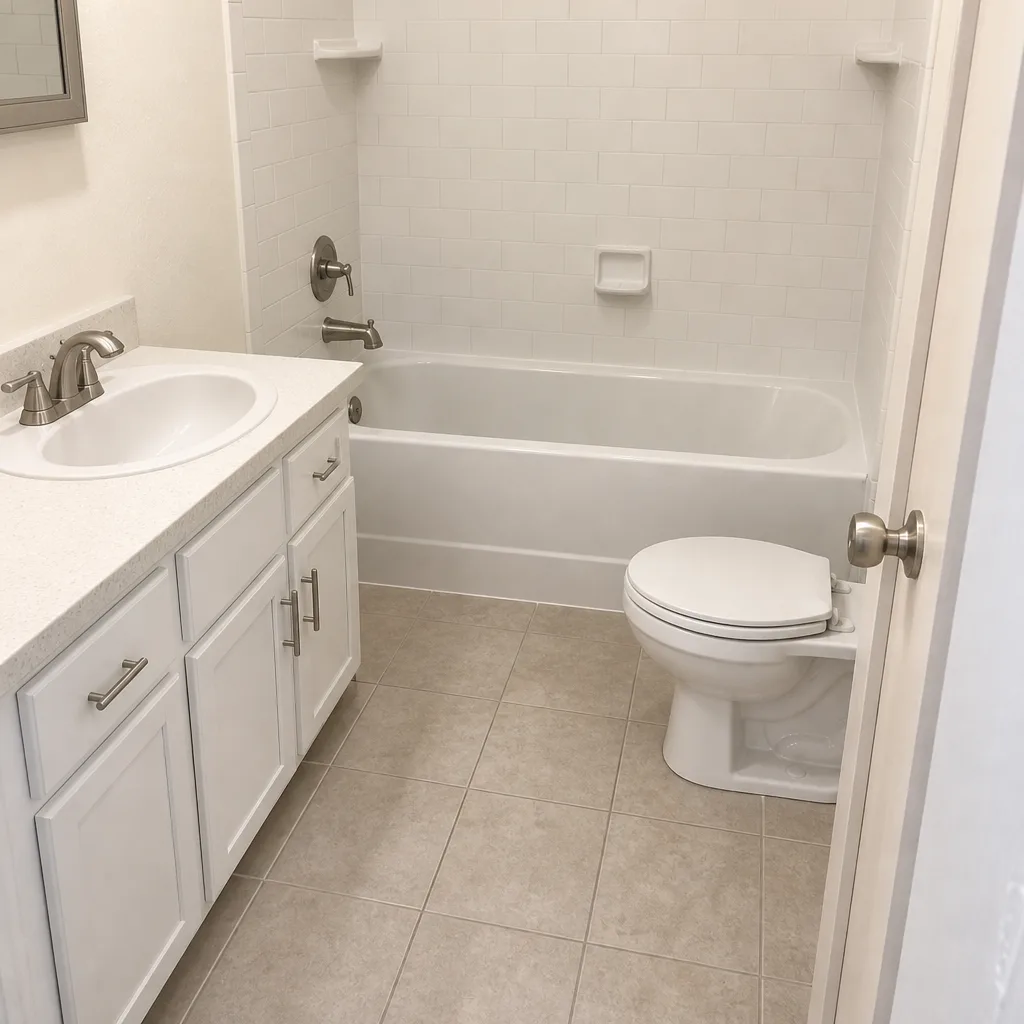 After
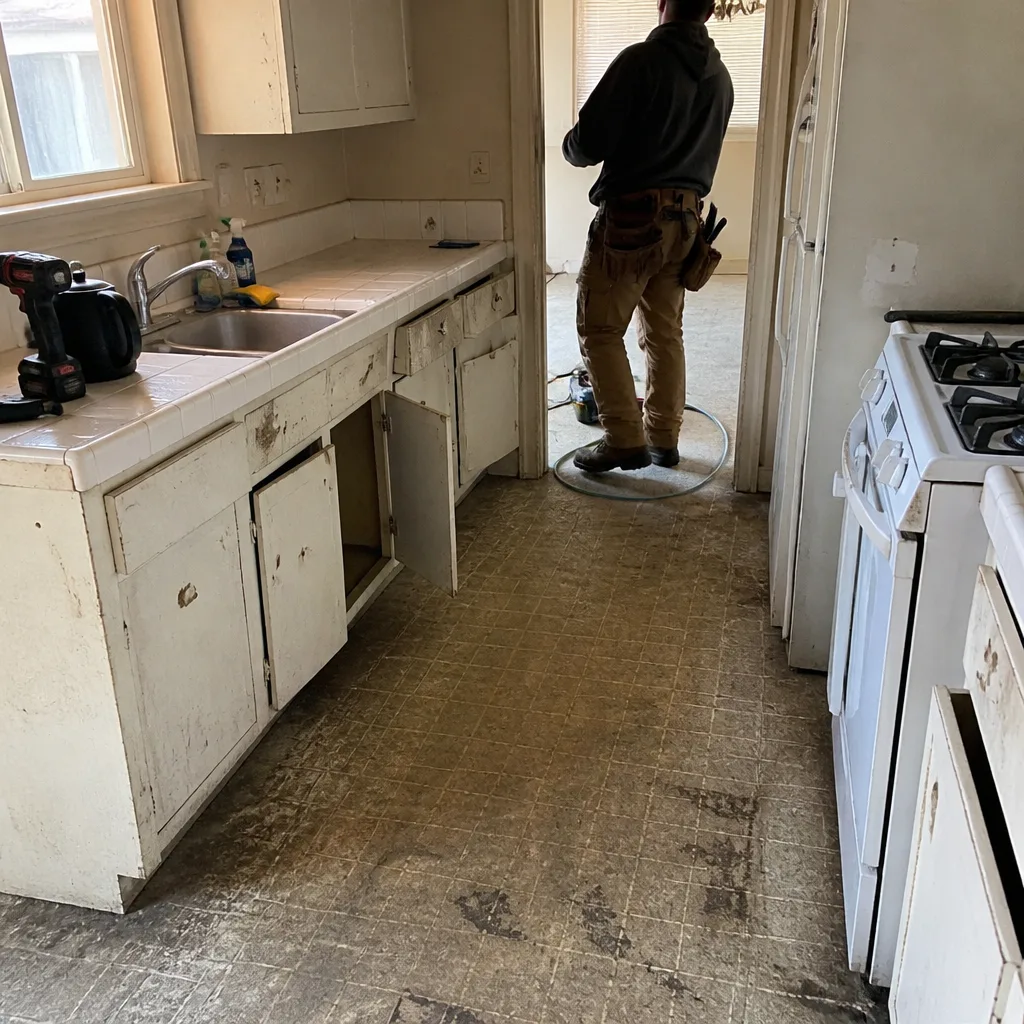 Before
 After
When to Call a Professional
Some jobs are never DIY, and the danger isn’t worth the savings. Call a licensed professional for anything that touches a structural wall, an electrical panel, or a gas line, and for roof or height work where a fall is a real risk. Also call when a job needs a permit and inspection, which in Lancaster covers most remodels, additions, and roof replacements. If a project has grown past your comfort level, or you’re not sure the previous work was done right, get a second opinion before you add a layer on top of a problem. Barrett & Sons Construction Lancaster offers free estimates in Lancaster, and we’ll tell you straight if the job is one you can handle yourself. Call (888) 427-1810 to schedule yours.
Frequently Asked Questions
A bid with no itemized materials by brand and quantity is the biggest single red flag, because it removes your ability to compare or catch the allowance trap. Everything else (permits, warranty, subcontractors) can be verified in an afternoon, but an un-itemized bid hides in plain sight. Ask for the breakdown and watch how the contractor responds.
Look for contract language that says the contractor may “delegate portions of the work” or “engage trade partners at its discretion,” because that’s the usual tip-off that someone besides the contractor will do the work. Ask directly who’s on site daily, who’s insured, and who pulls the permit, and get the answer in writing. Liability follows the insured party, so make sure you know who’s insured before work starts.
Yes. Always call the city of Lancaster or LA County to confirm the permit is real and in your name at your address, regardless of what the contractor tells you. Inspection is the one independent check on your project, and a contractor who discourages that call is signaling a problem. Confirm permit status before the first day of work.
A specific term, a named process, and a phone number signal a contractor who plans to stand behind the work. A vague “we stand behind it” answer signals a contractor who either hasn’t thought about it or doesn’t intend to return. Put the warranty in the contract, not the conversation.
Initial estimates and second opinions should be free, and you should never pay for a bid. If a contractor wants a deposit just to give you an itemized estimate, that’s a warning sign of its own. Ask for the bid in writing with brand names and quantities, and if it isn’t free or isn’t itemized, keep calling around.
Unpermitted work becomes a real problem at resale, when a buyer’s inspector finds a remodeled kitchen or addition with no record on file and the lender starts asking questions. It can also void insurance claims if a fire or water issue traces back to unpermitted electrical or plumbing. Permits and inspections exist to protect you, and a contractor who treats them as optional is treating your protection as optional.
The Bottom Line
Lancaster homeowners rarely lose money to the obvious bad actor. They lose it to the contractor who looked fine: the itemized bid that wasn’t, the permit card never posted, the warranty that was just a phrase, the contract that quietly passed the work to strangers. The defense is verification. Pull the license, confirm the permit, ask for the itemized bid, read the subcontractor and warranty clauses, and drive past the job site on a Tuesday afternoon. The patterns are there if you know where to look. Verify, get it in writing, and don’t sign until the answers match the promises.
If you’d like a straight read on a bid you’ve already received, Barrett & Sons Construction Lancaster offers a free second opinion on any written estimate. Call (888) 427-1810 for a free estimate, and we’ll walk through the numbers with you line by line. Our technicians have up to 28 years of experience, and our name, address, and license number are published so you can check them before anything gets signed. Start with Barrett & Sons Construction Lancaster home to see the full picture.
Written by the team at Barrett & Sons Construction Lancaster.