
Last updated November 17, 2026
 Windows & doors
 Kitchen remodeling
 Bathroom remodeling
 Home additions & ADU
 Roofing
 Driveway & pavers
 Fence
Free written scope consultation - allowances, timeline, and change-order rules on paper before a single trade is scheduled
Windows & Doors Maintenance Schedule: What to Do and When
A dried-out door sweep costs about $12 to replace. The water damage from ignoring it for two more winters costs considerably more – and it starts at the threshold, not the roof. Most homeowners never learn this because nobody ever told them what to actually do with their windows and doors, beyond a vague memory of “clean the tracks.” This guide fixes that. You’ll get a real task list by season, tuned to Lancaster’s wind and heat, the specific products that won’t wreck your seals, and the warning signs worth catching early.
Quick Answer
Clean and lubricate window and door tracks every three months, clear weep holes in Lancaster monthly during windy season, and check weatherstripping and door sweeps twice a year – before summer heat and before winter rain. Anything involving glass, springs, or structural rot belongs with a trained professional, not a weekend project.
Styles & brands we work with
- Kitchen remodeling
- Bathroom remodeling
- Home additions & ADU
- Roofing
- Windows & doors
- Driveway & pavers
- Fence
Table of Contents
- The Lancaster Seasonal Task Breakdown
- What to Clean With (and What Will Wreck Your Seals)
- How to Clean Tracks and Frames the Right Way
- Weep Holes: Why Lancaster Dust Fills Them Fast
- Early Warning Signs a Seal or Hardware Is Failing
- The Five-Minute Annual Check
- Common Mistakes to Avoid
- Frequently Asked Questions
The Lancaster Seasonal Task Breakdown
Generic “spring and fall” advice doesn’t fit the Antelope Valley. Lancaster runs on a different clock: brutal dry summers, gusty spring and fall wind events that push fine desert dust into every seam, and the occasional hard freeze in December and January. Here’s the schedule that actually matches the weather we live in.
Pre-summer (April – May)
- Lubricate every sliding track and hinge with a silicone-based lubricant. The dry heat pulls moisture out of moving parts, and dry metal grinds.
- Inspect weatherstripping on doors. Heat makes foam and rubber brittle; catch cracking before the air conditioning season starts leaking money out the gap.
- Check window screens for tears. This is when you want them sound, before the windows stay shut all summer.
Post-summer (September – October)
- Clear dust from tracks after months of open windows pulling in fine grit. A vacuum with a brush attachment, then a damp cloth.
- Wipe down frames and sills. Summer dust settles in the sill channel and holds moisture if rain catches it there.
- Re-check door sweeps. If a sweep has hardened and pulled away from the threshold, water rides in under the door all winter.
Pre-winter (November)
- Seal check on every exterior door and window. Run your hand around the frame on a cold morning; feel for drafts. Replace worn weatherstripping and sweeps now, before the rain.
- Inspect caulk lines around frames. Cracked caulk at the exterior joint is where water gets behind the frame and starts rot.
- Look up. Water intrusion often starts at the roof or flashing, not the window itself. If you see staining near a window head, that’s worth a look from the Barrett & Sons Construction Lancaster home side before you blame the window.
What to Clean With (and What Will Wreck Your Seals)
The wrong cleaner does more damage than no cleaner. Vinyl, aluminum, and fiberglass frames can all handle mild soap and water, but a few common household products degrade gaskets, weatherstripping, and the factory finish over time.
Safe on all three frame types
- Mild dish soap diluted in warm water
- White vinegar and water (light mix) for hard water spots and dust film
- Silicone-based lubricant for tracks and hinges
- A soft cloth or brush – never steel wool
Hard on seals and finishes
- Bleach and ammonia-based cleaners: they attack rubber weatherstripping and break it down faster than sun alone.
- Abrasive scouring pads: they scratch vinyl and fiberglass finishes and leave a surface that holds dirt.
- Petroleum-based lubricants (like standard WD-40) on tracks: they attract dust. In Lancaster, that means a gritty paste in your track within a month. Use silicone instead.
- Pressure washers on window and door frames: they force water behind the frame and past the seal. Never do this, no matter how tempting the dust buildup looks.
One brand note we’ve come to trust on replacement windows and doors: Andersen and Marvin are the two we install most, and both hold up to the desert swing between 100-degree summers and freezing winter nights. If you’re weighing a replacement rather than a repair, our Home Additions & ADU in Lancaster crew handles windows and doors on new construction too.
How to Clean Tracks and Frames the Right Way
Cleaning a track isn’t scrubbing harder – it’s getting the grit out first so you don’t grind it into the finish. Here’s the sequence our crew uses, and the order matters.
- Vacuum first. Use a shop vac or a household vacuum with a brush or crevice tool. Pull the loose dust and grit out dry. This is the step most people skip, and it’s the one that matters most in Lancaster.
- Loosen packed dirt with a soft brush. An old toothbrush works for the corners. Don’t dig with a screwdriver; you’ll scratch the track and create a rust point.
- Wipe with soapy water and a cloth. Mild dish soap, warm water. Ring out the cloth so you’re not flooding the track.
- Dry completely. Leave no standing water in the channel. In a dry climate you’d think this is automatic, but water sitting against the sill seal is exactly where trouble starts.
- Lubricate the moving track and rollers. Silicone spray or a silicone-based stick. A light coat, not a soaking.
- Test the slide. Open and close the window or door slowly. It should move smooth and quiet. Grinding or a hard spot means a roller or hinge is on its way out.
While your hands are down in the track, you’re also doing an inspection. Note anything that looks like rust, cracked gasket material, or a roller that’s flat instead of round. That’s your early warning list.
Weep Holes: Why Lancaster Dust Fills Them Fast
Weep holes are the small slots at the bottom of a window frame or the base of a sliding door. They let water drain out so it doesn’t sit and rot the sill. When they clog, water backs up, and you get staining, warped trim, and eventually rot. In Lancaster, the wind events through spring and fall push fine desert dust against the house, and those slots fill faster than most people expect. We recommend checking them monthly during windy season (roughly February through May, then again in October) and clearing them every time you clean the tracks.
Clearing one is simple: a stiff wire or a pipe cleaner, gently worked through the slot. Don’t force it; if it won’t clear, something bigger than dust is in there and it’s worth a professional look. A clogged weep hole on a sliding door is one of the most common calls we get after the first real rain in Lancaster, and it’s almost always preventable with a two-minute check.
Early Warning Signs a Seal or Hardware Is Failing
The good news about maintenance is that almost nothing fails without warning. You just have to know what you’re looking at. Here’s what to watch for while you’ve got your hands in the track or your nose near the frame.
- Water staining or soft wood at the sill. This is the big one. Soft wood under a window or beside a door means water has been getting in for a while. Don’t caulk over it and hope – the rot is behind the caulk.
- A door sweep that won’t sit flat. The rubber or brush at the bottom of an exterior door hardens with age and heat. If you can see daylight under the closed door, the sweep is done.
- Weatherstripping that’s cracked, flat, or peeling. Press a fingernail into it. If it doesn’t spring back, it’s not sealing anymore.
- Condensation between the panes. Fog inside a double-pane window means the seal has failed. That’s not a cleaning problem – the glass unit needs replacing.
- A window that won’t stay up, or a door that drags. A dragging door often means a hinge has loosened or the frame has shifted. A window that won’t stay open is a balance or spring issue – and on high-tension springs, stop there and call a professional.
- Rust on the track or hardware. Small surface rust is worth cleaning and protecting. Deep rust in a load-bearing hinge or roller means replacement is coming.
Caught early, most of these are small repairs. Caught late, they’re the difference between a $40 sweep and a rotted threshold. That threshold problem starts at the door, not the roof – we say it every time, because it’s true. If you’re seeing rot at a door, our team can tie it into a larger repair, from the Fence Installation in Lancaster side of the yard to the window above it.
The Five-Minute Annual Check
Every job we finish, our crew runs this check before they leave, and we tell every customer to repeat it once a year – same steps, same order. Pick a cool morning. It takes five minutes and catches nearly everything on the warning list above.
- Open and close every window on the house. Note any that stick, grind, or won’t stay up.
- Open and close every exterior door, watching for daylight at the bottom and top. Daylight means a sweep or weatherstripping has failed.
- Feel for drafts around the frame on the windward side of the house. Cold morning air will tell you in a second what a thermometer won’t.
- Look at the caulk line around each exterior frame. Cracks, gaps, or peeling mean it’s time to re-caulk.
- Check the weep holes at each window bottom and door base. Clear, not blocked.
- Run a finger along the sill interior. Any softness, staining, or discoloration is a flag.
- Listen when you close a window. A hard clunk or rattle means hardware has come loose.
Write down anything on this check that surprises you. A list in hand beats a memory when you call for a look.
See the difference
 Before
 After
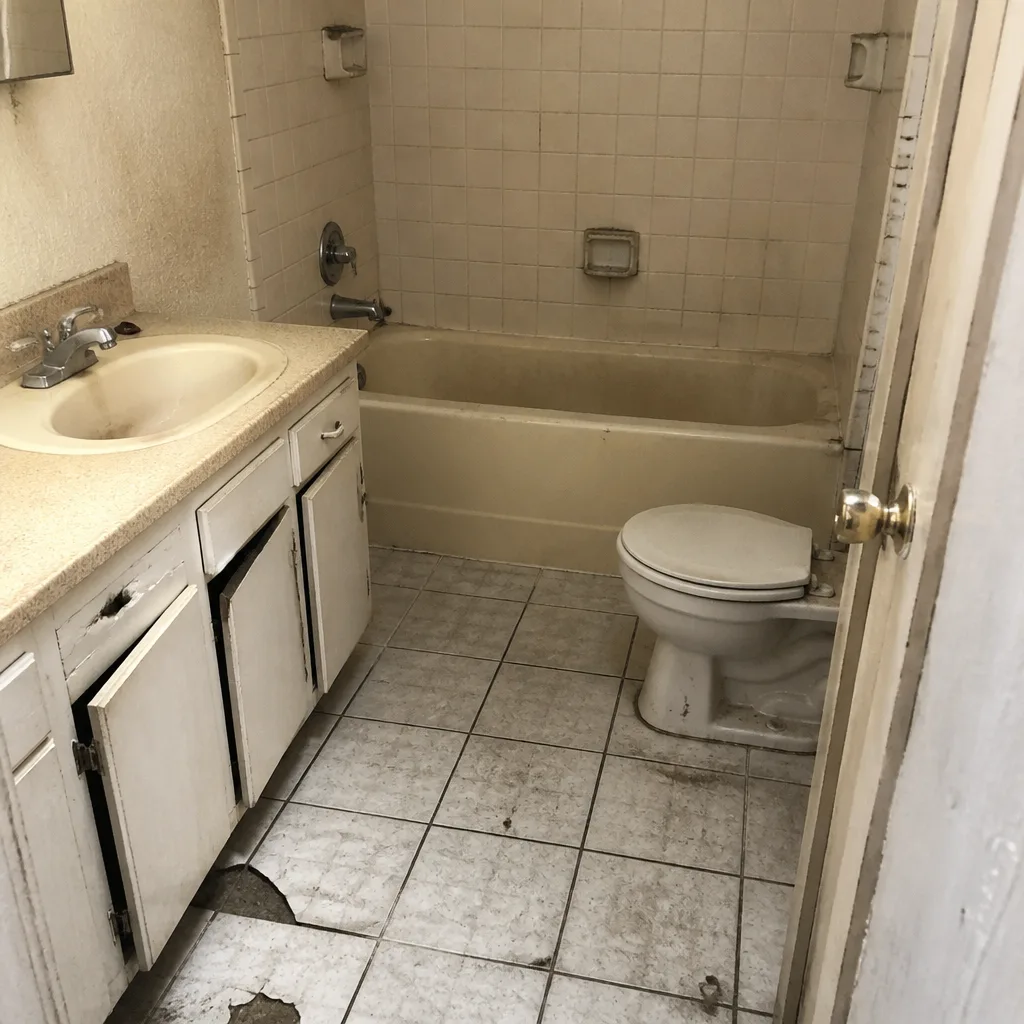 Before
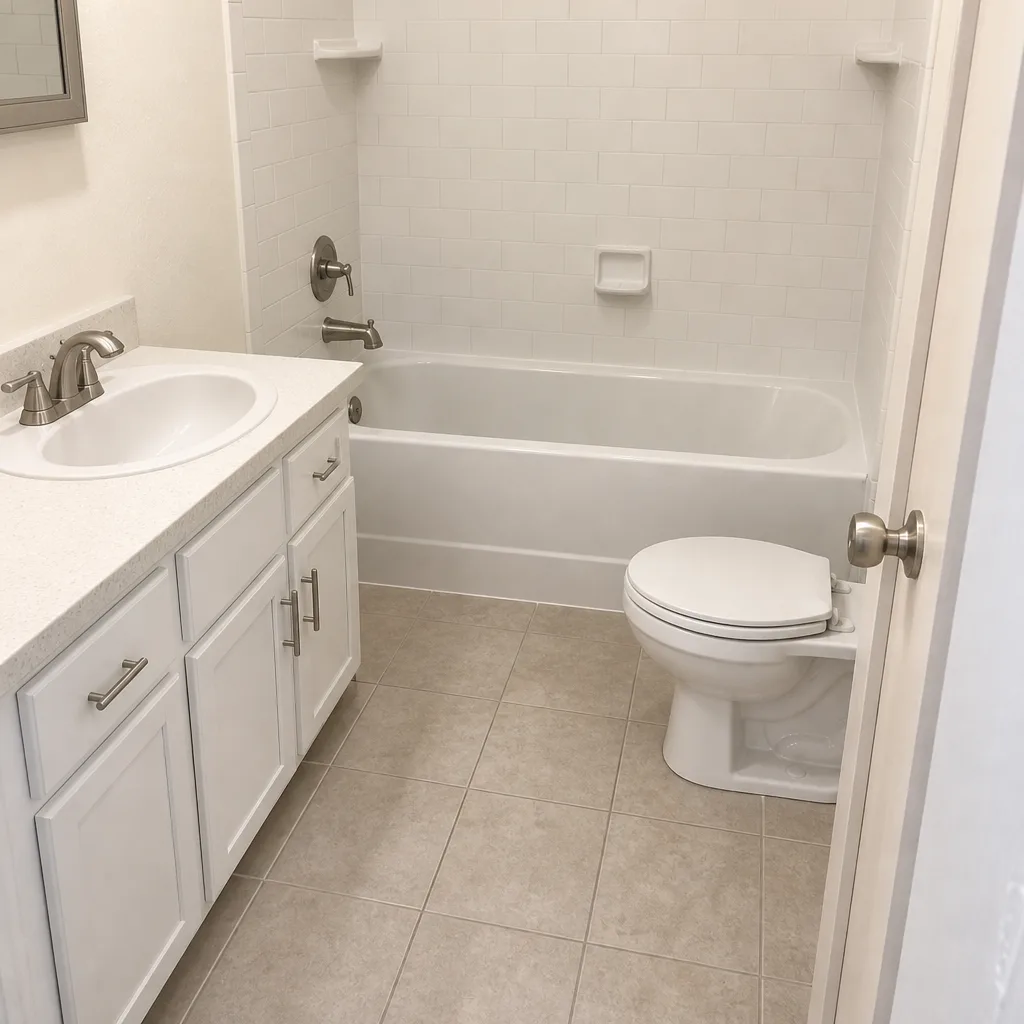 After
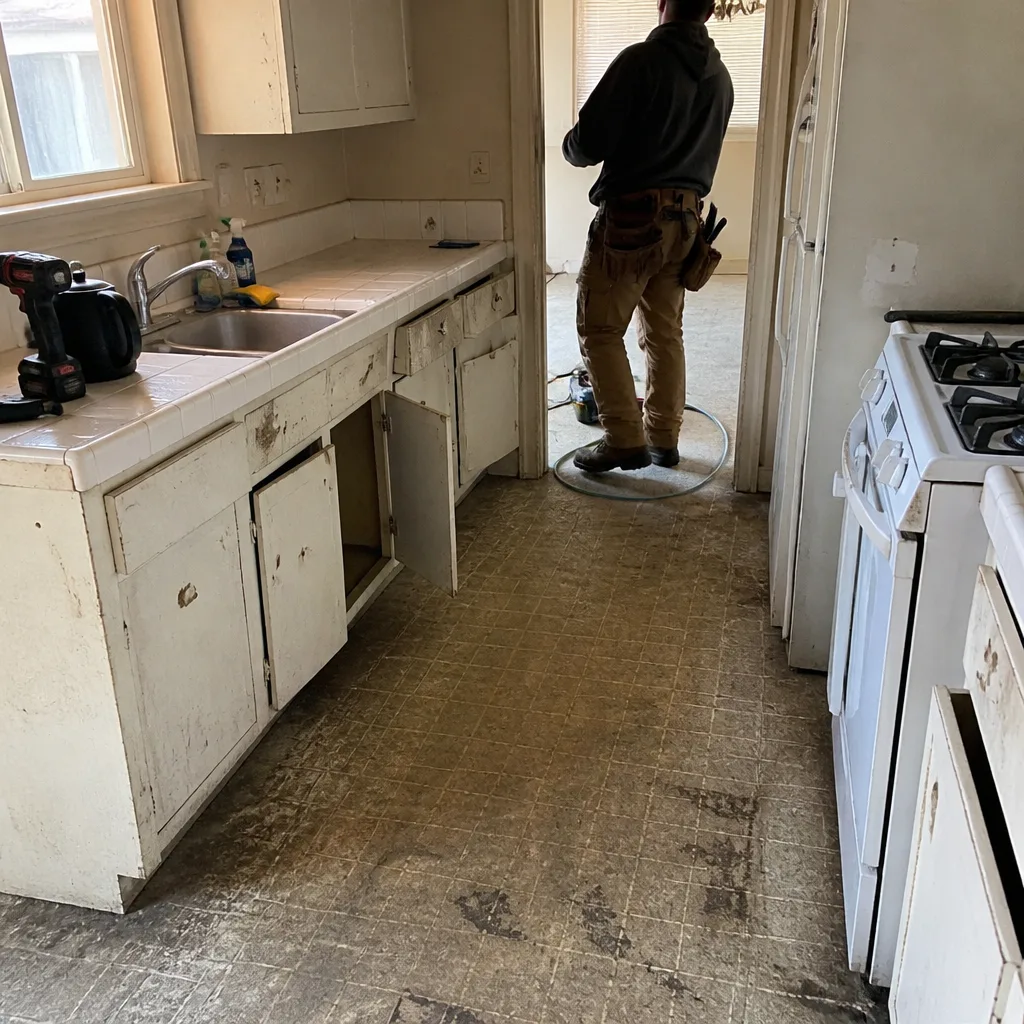 Before
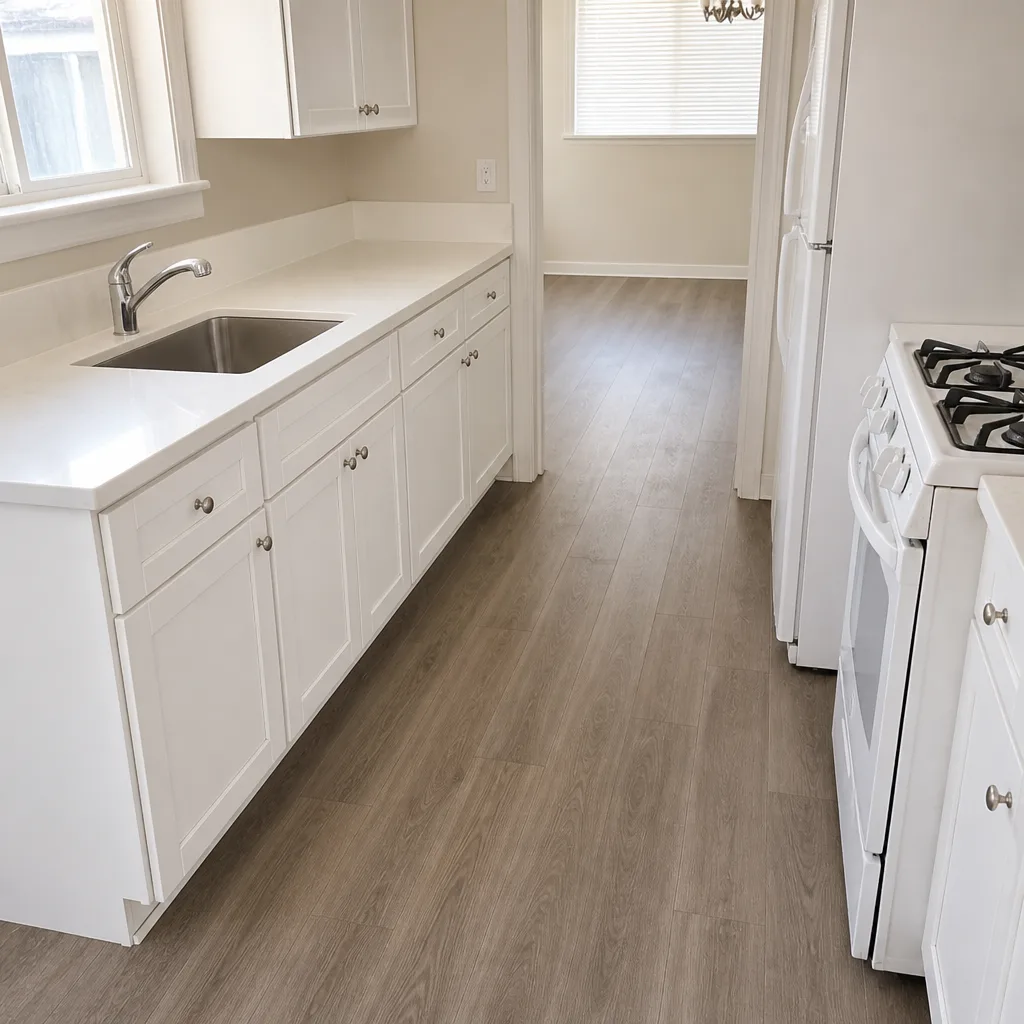 After
Common Mistakes to Avoid
- Pressure washing the frames. It looks efficient and it forces water behind the seal. Lancaster dust is tempting, but a garden hose and a cloth do the job without the damage.
- Using WD-40 on track rollers. It attracts dust, and in this climate the track turns gritty within weeks. Silicone lubricant, every time.
- Caulking over soft wood. Soft wood means rot behind the caulk. Covering it just traps the moisture and pushes the repair bigger. Fix the rot first.
- Skipping weep holes because they’re small. A clogged weep hole is the most common cause of sill rot we see after a wet Lancaster winter. Two minutes, monthly.
- Putting off that $12 door sweep. It’s the cheapest repair on the house, and the most expensive to ignore. The water goes in at the threshold first.
- Forcing a sticky window. A window that grinds usually has a dry roller or a bad balance. Forcing it breaks the hardware and can shatter the glass. Stop and diagnose.
- Assuming the roof is the leak. Water near a window head often comes from a window or door seal, not the roof. Check both before you call either one.
When maintenance turns into a bigger repair, we handle the whole envelope of the house, from the Driveway & Pavers in Lancaster under your feet to the windows above it.
When to Call a Professional
Most of what’s above is genuine owner work: cleaning, lubricating, checking, and swapping a door sweep or weatherstripping. A few things belong with a trained professional, and we’d rather you hear that from us. Call for:
- Failed window seals (fog between panes) – the glass unit has to be replaced, not cleaned.
- High-tension window or door springs, cables, or anything holding glass under load – these can cause serious injury if worked on wrong.
- Soft wood or rot at a sill or threshold – this is a repair, and covering it makes it worse.
- A door or window that won’t close securely – a security and water issue at the same time.
- Caulk lines or flashing that need replacement at height – that’s a ladder job with real risk.
Barrett & Sons Construction Lancaster offers free estimates in Lancaster – call (888) 427-1810. We’ll tell you what’s maintenance, what’s repair, and what’s a replacement worth doing now versus later. Our crew members have up to 28 years of experience, and every price change arrives as a written change order before work starts.
Frequently Asked Questions
Every three months for general cleaning, and monthly during Lancaster’s windy season (roughly February through May, then October). The desert dust load means tracks fill faster here than in most climates. Vacuum dry first, then wipe with mild soapy water, then lubricate with a silicone product.
Most of the schedule in this guide costs you a few dollars in supplies. When a repair is needed, a door sweep replacement or re-caulk runs small, while a failed window seal or rotted threshold is a larger job. Call (888) 427-1810 for an exact quote – estimates are free, and you’ll get it in writing.
A silicone-based lubricant – a spray or a stick. Skip petroleum-based products like standard WD-40 on tracks, because they attract dust. In Lancaster, that means a gritty paste inside the track within a month. Silicone keeps the track smooth without grabbing grit.
No. Soft wood means moisture has already gotten behind the frame and started rot. Caulking over it traps the water and grows the repair. The rot has to be removed and the source of the water found before anything is sealed back up.
Replacement windows and doors typically require a permit in the City of Lancaster, and it’s worth confirming before work starts. We pull permits and sign off on inspections on every eligible job – the inspector works for you, not for us. If a contractor tells you permits are optional, that’s a red flag.
Split it by season: pre-summer prep in April and May, post-summer dust clearing in September and October, and a pre-winter seal check in November. Lancaster’s swing between 100-degree summers and freezing winter nights is harder on seals and weatherstripping than a mild climate, so timing matters.
The Bottom Line
Window and door maintenance isn’t complicated – it’s just specific, and nobody hands you the specifics. Clean tracks with mild soap and dry them fully, lubricate with silicone (never petroleum), clear weep holes monthly during windy season, and run the five-minute annual check every year. Replace a dried-out door sweep before the first rain, not after it. Most of the expensive repairs we see in Lancaster started as a $12 part nobody replaced. Keep the small stuff small, and the rest belongs with a pro who pulls permits and puts the price in writing.
Call Barrett & Sons Construction Lancaster at (888) 427-1810 for a free estimate on any window or door work – a live person answers the phone, and we’ll give you a real answer about what needs doing now and what can wait.
Written by the team at Barrett & Sons Construction Lancaster.