
Last updated November 17, 2026
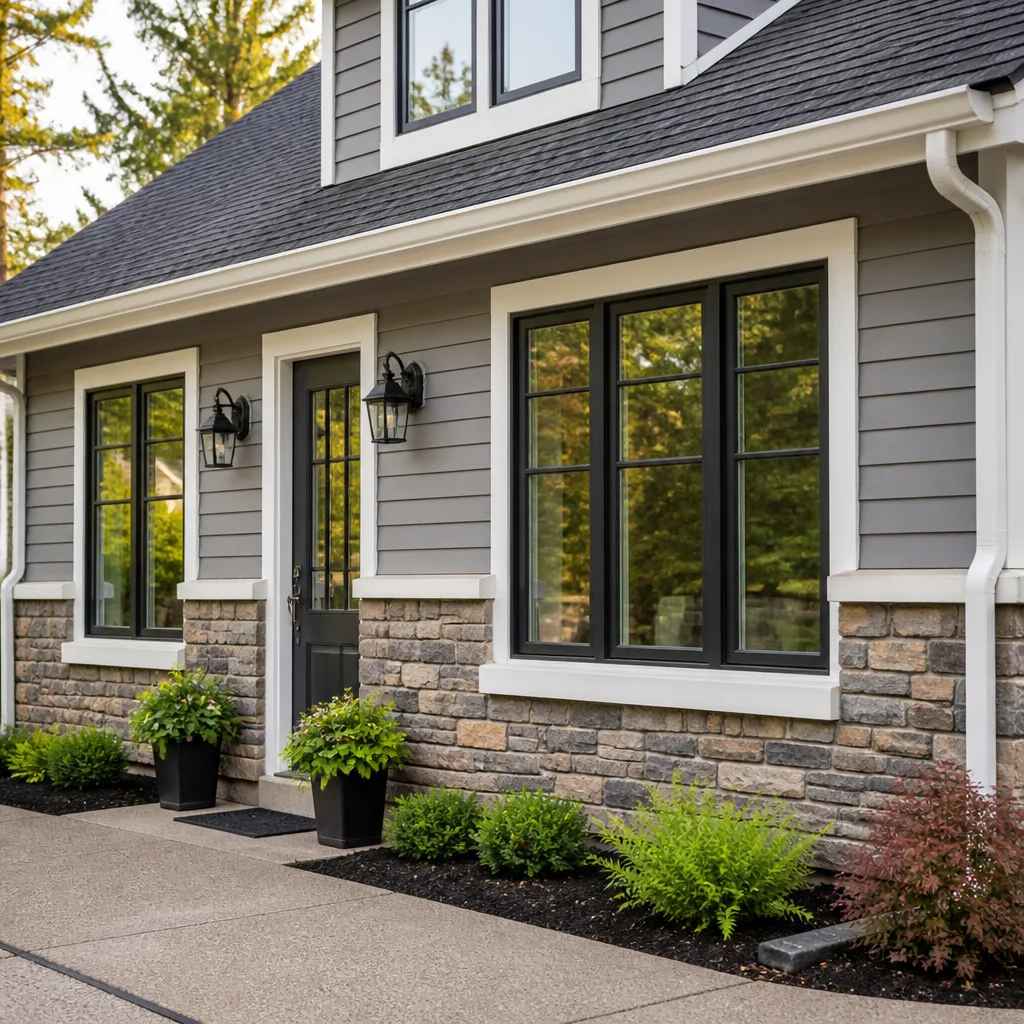 Windows & doors
 Kitchen remodeling
 Bathroom remodeling
 Home additions & ADU
 Roofing
 Driveway & pavers
 Fence
Free written scope consultation - allowances, timeline, and change-order rules on paper before a single trade is scheduled
Windows & Doors Troubleshooting: Common Problems and How to Fix Them
A door that sticks in summer but swings fine in winter is almost never a hardware problem. It’s a framing or installation issue, and it’s telling you something about how your wall moves with the weather. Here in Lancaster, where summer afternoons push past 100°F and winter nights drop near freezing, that swing is exaggerated. We’ve pulled enough doors out of Jamestown and Quartz Hill homes to know the pattern. This guide walks you through the real causes behind five common symptoms, so you can tell whether you’re looking at a $15 part or an installation problem that’s been quietly growing since day one.
Quick Answer
Most window and door problems that look like hardware failures are actually installation or framing issues surfacing years later. A sticking door, a draft you can’t seal, or a rattle that came with a “brand new” window usually traces back to the opening it was set in, not the part that broke. Diagnose the symptom before you spend, because the fix depends entirely on which one you’re facing.
Styles & brands we work with
- Kitchen remodeling
- Bathroom remodeling
- Home additions & ADU
- Roofing
- Windows & doors
- Driveway & pavers
- Fence
Table of Contents
- Start With the Symptom, Not the Part
- A Door That Sticks in Summer and Swings in Winter
- Settling House or a Door Hung Wrong From Day One?
- Drafts That Won’t Seal
- Condensation Between Panes (And the Dollar You’re Wasting Sealing From the Inside)
- What Lancaster’s Thermal Swings Do to Aluminum, Vinyl, and Fiberglass
- Rattling and Hard-to-Lock Windows
- When It’s a DIY Fix and When It’s Hiding Something Bigger
Start With the Symptom, Not the Part
You notice a draft. You replace the weatherstripping. The draft stays. That’s the wrong order, and it’s how homeowners end up spending three weekends and $200 fixing the wrong thing. The right order is symptom first, root cause second, part third. In our experience working this valley, the same five symptoms keep showing up, and each one points at a fairly small set of causes.
Here’s the diagnostic tree we run in the field:
- Drafts: worn or compressed weatherstripping, a door that sits proud of the strike, or gaps at the sill. Sometimes a missing or skipped flashing detail behind the trim.
- Sticking: a frame out of square, seasonal swelling, or a slab that swelled from moisture. Rarely the hinge itself.
- Rattling: a loose sash, failed glazing, or hardware that loosened from repeated heat expansion. On older windows, it can be a window set in a crooked opening.
- Condensation between panes: a failed unit seal that let argon escape. Condensation on the room side is a humidity problem, not a window problem.
- Hard-to-lock (doors and windows): the strike plate, the deadbolt alignment, or the frame has shifted enough that the lock is now fighting the opening.
Learning to sort the symptom first saves money every time. If you’re already weighing a full replacement against a fix, read our guide on Barrett & Sons Construction Lancaster home to see where windows and doors sit in the bigger picture.
A Door That Sticks in Summer and Swings in Winter
This is the classic Lancaster front-door complaint, and virtually no one diagnoses it right the first time. A door slab moves with the weather. The frame moves more. If the opening was furred out tight and the door was trimmed to a narrow margin on install day, a 110°F afternoon will push the slab into the jamb, and you’ll fight it all summer. Around 60°F on a January morning, the same door glides.
Before you plane anything, run these checks:
- Mark the door edge lightly with chalk, close it, and open it. The high spots will show you where it’s rubbing.
- Look at the reveal on the latch side and the hinge side. If one side is a hairline and the other is a wide gap, the door is hung out of square rather than swollen.
- Check the top jamb. A sagged header shows up as a tight gap at the top corner opposite the hinges.
- Measure the diagonal from top latch to bottom hinge and bottom latch to top hinge. If those two numbers differ by more than a quarter inch, the frame is racked.
If the reveal is even and the door simply swelled, a plane and a coat of paint on the painted edge solves it. If the reveal is uneven, you’ve got a framing problem. Planing only buys you one summer. A proper fix means resetting the opening or replacing the unit entirely, which is the same conversation you’d have with a contractor about a window unit in a home addition.
Settling House or a Door Hung Wrong From Day One?
Both make a door stick. The difference is whether the frame moved after the door went in or was never right to begin with. The answer changes your fix and your budget.
Here’s the tell we use. Take a pencil mark on the jamb and see whether the door eased over a stretch of months as the ground softened and dried. A settling house usually shows signs in several doors at once, the drywall cracks over the header, and the door swings differently depending on humidity. The frame is moving, and the angle changes with it. That points to foundation or grading, not carpentry.
A door hung wrong from day one behaves consistently wrong. The door was set into a frame that was already out of plumb, the shims were never adjusted, the strike plate was field-modified with a hammer to make it latch. Walk the opening with a level and you’ll find the frame leaning a degree or two. That’s not settling. That’s a bad install that survived because it took the first dry season to reveal itself.
If you’re seeing one bad door in a house where every other door is fine, ask whether it’s the door or the opening. The answer changes who you call. Settling goes to a foundation or frame specialist. Wrong install goes back to a carpenter.
Drafts That Won’t Seal
If you’ve replaced the weatherstripping twice and the draft is still there, the draft isn’t coming from the weatherstripping. It’s coming from the rough opening. A window or door set into an opening with gaps in the air barrier, or with foam that was skipped at one corner, will leak cold air around the frame rather than past the sash. You’ll feel it at the floor or along the jamb, and caulking the inside trim won’t stop it.
Three tests to narrow it down:
- The window test: if the draft feels strongest where the movable sash meets the frame, it’s the weatherstrip or the lock pulling the sash shut, not the rough opening.
- The trim test: if the draft comes through the wall around the trim, it’s the rough opening or the wall assembly.
- The candle test: hold a lit candle near the frame on a windy evening. A flicker at the jamb points to the weatherstrip; a steady deflection near the trim points to the wall.
Once you know which it is, the fix is either a $20 weatherstrip replacement or a rough-opening repair. Don’t skip the test and start spraying foam into the wall cavity. We’ve seen homeowners seal themselves into a situation where the only fix is to open the drywall again.
Condensation Between Panes (And the Dollar You’re Wasting Sealing From the Inside)
Foggy glass between two panes of a double-pane unit means the seal failed and the gas between the panes escaped. You can’t seal the fog out from the inside. You can’t vent it out with a drill. The unit has failed and needs to be replaced. That’s the honest answer.
Where homeowners waste money is mistaking between-pane condensation for room-side condensation. They’re two very different problems.
- Between-pane fog sits inside the glass sandwich. Wipe the inside of the room and the exterior; the fog is still there. A failed unit seal. Replaces the glass unit or the whole sash. New argon-filled unit from a brand like Andersen will cure it.
- Room-side condensation forms on the inside of the glass because the inside air is more humid than the glass surface. Running the bath fan longer, running the range hood, or hanging a dehumidifier in the living room is the fix. Sealing the exterior won’t help. Sealing the frame won’t help. The window isn’t the problem, the moisture in the house is.
- Exterior condensation is usually harmless and mostly appears on cool mornings in Palmdale-adjacent desert stretches. Wipe it off and leave it alone.
If the fog is between the panes, the unit is failing. On a Marvin or Andersen window, in our experience, the glass can often be swapped without a full replacement. On the budget units that are sold through the box stores, a full replacement may be the more practical answer. Either way, the fix isn’t on the inside of the wall.
What Lancaster’s Thermal Swings Do to Aluminum, Vinyl, and Fiberglass
The Antelope Valley is hard on window frames. Summer afternoons in Lancaster hit triple digits, and winter nights routinely dip to freezing. That’s about 70 degrees of swing in a single day, and the frame material determines how it responds. Most “brand new” window problems in this valley appear after the first summer, and the material is why.
- Aluminum: Minimal expansion compared to wood, but aluminum moves heat quickly. On a west-facing wall in June, the exterior frame surface can be well over 150°F. Over a decade, sealant at the perimeter cracks and cold air walks in. Aluminum frames also pull heat into the room, so the interior surface stays colder than the air, which encourages room-side condensation. Look for hairline cracks in the caulk line at the first autumn after install.
- Vinyl: Vinyl expands and contracts a fair amount with heat. In our experience, vinyl units on west and south exposures in Lancaster soften noticeably on a 110°F day. If the install shipped with insufficient shim and gaps under a quarter inch, the frame will flex and the sash won’t seal or lock. This is where the “brand new windows that rattle” complaints come from: the unit was set too tight or too loose with no room for the swing.
- Fiberglass: The most stable of the three on paper, because fiberglass expands much less than vinyl with heat. The failures we see in fiberglass are install failures: shims that weren’t installed, a sash that was never adjusted after install, or the unit was set into an out-of-plumb opening and the frame never worked as designed. On a Marvin or similar fiberglass unit, that’s usually a service call and an adjustment, not a replacement.
What this means practically: the first summer in Lancaster is the test. If the windows lock and seal cleanly in August, they were installed right. If they don’t, the deal is with the installer, not the brand.
Rattling and Hard-to-Lock Windows
A window that rattles in the wind or requires two hands to lock is telling you the sash is out of alignment with the frame. That’s a symptom of three things, and each has a different fix.
- Loose glazing. Run your fingernail along the edge where the glass meets the sash. If the glazing bead is loose or cracked, the glass can move in the frame. That’s a re-glaze, usually a modest cost. On a storm window, the pane may just need a re-set.
- Worn sash hardware. The pivot bars or the sash lock hardware wear down and the sash no longer pulls the frame together when you turn the handle. A $25 hardware kit and 20 minutes often solves a window that won’t lock.
- Frame out of square. If the reveal is uneven, the lock has to fight the frame. On a settling house that’s a framing conversation. On a fresh install it’s an installer call.
Rattling windows don’t just annoy. A window that won’t seal is a window that will fog on cool mornings. Fix the alignment first, then see whether the fog clears. Most of the time it does.
When It’s a DIY Fix and When It’s Hiding Something Bigger
You can fix a lot of this yourself. You cannot safely re-hang a door in an out-of-square frame, reset a window unit, or diagnose a wall air-leak by feel. Here’s where the line is in our experience.
Reasonable to do yourself:
- Replacing worn weatherstripping.
- Adjusting a strike plate on a door that’s not structurally out of square.
- Replacing sash lock hardware.
- Caulking the exterior where the trim is cracked and the crack is cosmetic.
- Running the bath fan and range hood longer to solve room-side condensation.
Call a professional when:
- The frame is visibly out of square, with a reveal that changes by more than a quarter inch top-to-bottom.
- Two or more doors in the house are sticking, and the door swings differently across seasons. That’s a house movement issue, not a hardware issue.
- You’ve replaced weatherstripping and the draft persists at the trim line.
- A window has fog between the panes. The sealed unit is done and needs to come out.
- A window won’t lock, and the frame reveal is uneven.
- You’ve found rot, moisture stains, or soft wood around the frame. That’s a water intrusion problem with a source that has to be found before the window is fixed.
Fixing the symptom with a $15 part is a fine investment when the symptom is the whole problem. When it’s the tip of something structural, the $15 fix delays a $1,500 repair and makes it more expensive.
Common Mistakes to Avoid
- Plane first, diagnose second. Planing removes material you can’t put back. If the frame is racked, you just moved the sticking from one season to the next and shaved the door slab in the process.
- Caulking the inside when the leak is outside. Sealing the interior trim of a window set into a rough opening that wasn’t flashed correctly doesn’t stop water, it traps it. In Lancaster, we’ve seen this hidden under drywall until the first big rain and the drywall turned soft.
- Replacing the whole window over a failed unit. On an Andersen or Marvin window, the fog is a glass unit and sometimes a sash, not a full replacement. Get the glass unit quote before you sign a whole-window replacement.
- Ignoring the second door. One door sticking is door-specific. Two doors sticking in the same season is the house. That’s a call-the-contractor signal, not a hardware-store run.
- Buying a new door because the current one won’t close. If the frame is out of square, the new door will do the exact same thing inside a year. Fix the opening before you buy the slab.
- Trusting a phone number and no written scope. If someone quotes door and window repairs over the phone without putting eyes on the frame, the number is a guess. Any honest contractor puts the scope in writing, with the range, before anyone swings a hammer.
- Skipping the permit question on window replacements. A window replacement can be a permitted change to the building envelope depending on the scope. Ask the question before someone starts tearing trim.
See the difference
 Before
 After
 Before
 After
 Before
 After
When to Call a Professional
Call us when a door moves with the seasons, when a window has fog between the panes you can’t wipe away, when a draft survives a weatherstrip replacement, or when two or more openings in the same house are misbehaving. Those are the cases where a real diagnosis saves money because the wrong fix delays a bigger repair. We pull permits and sign inspections on every eligible job, and if a price changes, it changes on paper before a screwdriver comes out of the bag. Barrett & Sons Construction Lancaster offers free estimates in Lancaster on window and door work. Call (888) 427-1810 to set up a time, and we’ll put eyes on the frame before we talk about parts.
Frequently Asked Questions
Because the door slab and the frame expand at different rates with heat and humidity, and a frame hung too tight on install day will bind once the summer heat arrives. In Lancaster, where a 110°F afternoon follows a near-freezing winter night, that swing is exaggerated. Check the reveal on both sides of the closed door. If it’s even, the door is swelling and a plane and paint solve it. If it’s uneven, the frame is racked and the fix is at the frame. Call (888) 427-1810 for a free estimate if you’re unsure which one you’re facing.
Not necessarily. Fog between the panes means the sealed glass unit lost its gas, and on brands like Andersen and Marvin the glass unit can usually be replaced without replacing the whole window. On older economy units, the full window may be the more practical call. Either way, sealing the inside trim won’t fix it. Call (888) 427-1810 to have someone look at the unit and confirm which fix you actually need.
Settling moves the frame after the door or window was installed, so the symptom changes with the season and usually shows in multiple openings across the house. A wrong install was wrong from day one, so the symptom is consistent and usually shows up as an uneven reveal on one or two openings. If you’re seeing one bad door in a house of good doors, suspect the install. If you’re seeing three bad doors, suspect the house. Call (888) 427-1810 for an honest read on which one you’re looking at.
Vinyl and aluminum frames expand with Lancaster’s summer heat, and if the installer set them too tight or skipped shims on the perimeter, the sash loses its seal as the frame moves. Fiberglass stays closer to installed dimensions but fails the same way if it’s set into an out-of-plumb opening. A rattle in the first summer is an installer issue, not a brand issue. Call (888) 427-1810 for a second opinion on the install before you pay for replacement.
Weatherstrip replacement, sash lock hardware, and strike plate adjustments are reasonable to do on your own. If the draft is at the trim line rather than the sash, or the weatherstrip has been replaced and the draft persists, it’s a rough-opening problem and a professional needs to look. Call (888) 427-1810 to schedule a diagnostic visit and get a written scope before anything is opened up.
Some do and some don’t, and it depends on the scope of the work. A simple hardware swap usually doesn’t. A window unit replacement or a new door opening can. Every eligible job we take on has the permit pulled and the inspection signed, and we’ll tell you up front which category your job falls into. Call (888) 427-1810 and ask the question before work starts.
The Bottom Line
The five symptoms on this page look like hardware failures. Most of them are installation or framing issues surfacing years later, and which one you’re facing determines whether you’re spending $15 or $1,500. Diagnose the symptom before you shop for the part. Check the reveal, check the seasonality, check whether multiple openings are involved. When the answer points at the frame, stop and get a professional read before you plane or seal anything. If it’s a single door or window that’s misbehaving, a skilled carpenter can usually diagnose it in one visit. If it’s the whole house, we’d rather find that out at the margin than at the end of a full replacement. For window and door issues in Lancaster that need real eyes on the frame, give us a call.
For homeowners in Lancaster who want a contractor with a name and a license number you can look up before you sign anything, Barrett & Sons Construction Lancaster keeps the scope in writing, pulls the permits, and stands behind the job with a written 90-Day Done Right Promise. We’ve got standing offers for $40 off any repair over $200, a free second opinion on any written estimate, no trip charge inside the county, and a permanent 10% senior & veteran discount. Our team has up to 28 years of experience. If you’re thinking about a window or door replacement rather than a repair, our team handles full installations with the same written scope, and we can look at the surrounding trades too: our Driveway & Pavers in Lancaster page covers exterior hardscape, Fence Installation in Lancaster covers the yard, and Home Additions & ADU in Lancaster covers the bigger builds. Call (888) 427-1810 for a free estimate.
Written by the team at Barrett & Sons Construction Lancaster.