
Last updated November 17, 2026
 Windows & doors
 Kitchen remodeling
 Bathroom remodeling
 Home additions & ADU
 Roofing
 Driveway & pavers
 Fence
Free written scope consultation - allowances, timeline, and change-order rules on paper before a single trade is scheduled
Windows & Doors Warning Signs Every Homeowner Should Know
Condensation on the interior surface of a window looks like a humidity problem. It can be. It can also mean a failed thermal break and a window that’s already past its useful life, and the two look identical from three feet away. That gap between “looks minor” and “already failing” is where Lancaster homeowners lose the most money, because the quiet signs get rationalized for years until the damage moves into the framing. This guide covers what to look at, touch, and test with no special tools, which warning signs are specific to Lancaster’s high-desert climate, and how to tell a repair that buys you years from one that just delays the bill.
Quick Answer
The warning signs that a window or door needs replacement (or serious repair) are: condensation or fogging between the panes, drafts you can feel with a wet hand, frames that are soft or cracking at the corners, doors that stick only in certain seasons, daylight visible around the frame, and rising energy bills with no other explanation. Any one of these is worth a look; two or more together usually means the unit is failing, not just aging. In Lancaster, UV and thermal swing accelerate all of them.
Styles & brands we work with
- Kitchen remodeling
- Bathroom remodeling
- Home additions & ADU
- Roofing
- Windows & doors
- Driveway & pavers
- Fence
Table of Contents
- Cosmetic Aging vs. Functional Failure: What to Look At, Touch, and Test
- The Warning Signs Specific to Lancaster’s Climate
- Condensation, Fogging, and What They Actually Tell You
- Door Warning Signs Most Homeowners Miss
- When Repair Buys You Years and When It’s Money Down a Hole
- What a Contractor’s Sales Process Should Look Like (and the Warning Signs When It Doesn’t)
- What to Photograph Before Any Work Begins
- Common Mistakes to Avoid
- When to Call a Professional
- Frequently Asked Questions
Cosmetic Aging vs. Functional Failure: What to Look At, Touch, and Test
Every window and door in Lancaster ages. Not every one is failing. The difference comes down to whether the unit still does its one job: keeping outside air, water, and heat where they belong. You can sort cosmetic from functional in about ten minutes per opening with your eyes, your hands, and a flashlight. Here’s how our crews walk through it.
- Look at the seal line where the frame meets the wall. Hairline cracks in caulk are normal wear. Caulk that’s pulling away in ribbons, or a gap you can slip a business card into, is air infiltration waiting to happen.
- Run a wet hand around the perimeter on a windy day. A draft you can feel on the back of a damp hand is a draft. This is the cheapest leak test there is, and it’s more honest than any gadget.
- Shine a flashlight from outside at night. Any light you see around the frame from inside is a path for air, dust, and water.
- Press on the frame at the corners. Solid resistance is good. Any give, softness, or crunch under the paint means moisture has been in the wood.
- Open and close the unit slowly. Binding, grinding, or a sash that won’t seat flush points to a shifted frame or a failed hinge or roller.
- Check the glass itself. Scratches and mineral haze are cosmetic. Fogging between panes is not.
Two or more functional findings on the same opening usually means the unit is at or past the end of its service life. One finding, especially a caulk line, is often just maintenance. For the broader picture of how these openings tie into the rest of a Lancaster home, our Barrett & Sons Construction Lancaster home page lays out how windows and doors sit alongside the other systems we work on.
The Warning Signs Specific to Lancaster’s Climate
Lancaster is high desert: intense sun most of the year, big day-to-night temperature swings, and spring winds that carry fine dust. That combination produces three warning signs we see constantly here and rarely in milder climates.
UV-degraded seals
Ultraviolet light breaks down the elastomeric seals and weatherstripping on south- and west-facing windows faster than anything else. On a Lancaster window that catches full afternoon sun, you’ll often find weatherstripping that has gone chalky, cracked, or sticky within a decade. PGT and CGI units sold for this market are built to handle the exposure, but no seal lasts forever. When the seal fails, you get drafts and dust first, water later.
Thermal expansion damage on frames
When the afternoon hits the high 90s and the overnight drops into the 40s, every frame in the house expands and contracts a little. Over years, that cycle loosens fasteners, opens miter joints at the corners, and pulls caulk away from siding and stucco. Corners that have opened up on a vinyl or aluminum frame are a classic Lancaster finding, and they’re the ones most likely to leak in the first real rain.
Dust infiltration from failed air seals
If you’re dusting the sill under the same window every week, the air seal is gone. Fine desert dust finds every gap a draft does. A track that fills with grit quickly, or a sill that never stays clean, is telling you the unit is breathing the outside air into your house. That’s also a sign your heating and cooling are working against a leak.
This is the same wind and sun that work on every exterior surface, which is why we treat fences and hardscape the same way we treat windows and doors. If you’re seeing similar wear on the outside of the house, fence installation in Lancaster covers what to check on that side of things.
Condensation, Fogging, and What They Actually Tell You
Condensation is the warning sign homeowners misread most. Where the moisture forms tells you what’s happening.
- Condensation on the inside of the glass (the room side) usually means indoor humidity is high, not that the window failed. Cooking, showers, and a tightly sealed house in winter will do it. Wipe it, run a fan, and watch whether it clears.
- Condensation on the outside of the glass is actually a sign the window is doing its job. The outer pane is staying cold enough to condense, which means the insulating gas seal is intact.
- Fogging or condensation between the panes is different. That’s a broken seal on an insulated glass unit, and it means the argon or krypton fill is gone along with the moisture barrier. The window still keeps rain out, but its insulating value is compromised, and the fog will only get worse.
- Water pooling on the interior sill after a cold night usually points to a thermal break failure or a badly sealed frame, not just humidity. This one is worth a professional look.
Sealed units in double-pane windows can sometimes be replaced without replacing the whole window, and that can be a real saving. But if the frame is also soft, the corners are open, or the unit is original to a 1980s Lancaster tract home, put the money toward a full replacement. In our experience, a glass-only swap on a failing frame is the most common way homeowners spend twice.
Door Warning Signs Most Homeowners Miss
Doors fail more quietly than windows. They still work, so they get ignored, and the water gets in through the threshold before anyone notices. These are the ones to watch:
- A door that sticks only in summer. Wood and composite slabs swell with heat and humidity. If it swings free in January and drags in August, the door or frame has absorbed moisture. In Lancaster, a door that sticks in the heat but not the cool of the morning usually points to a slab that’s taken on water.
- Daylight under the threshold or around the frame. Slab doors often settle at the hinge side, opening a gap at the bottom corner. That gap lets in wind, dust, and rain driven sideways.
- Weatherstripping that’s flattened or torn. Run your fingers along the jamb. If the seal is flat, brittle, or missing chunks, you’ve lost your air barrier. This is cheap to fix, and worth fixing before it becomes a threshold problem.
- Rot or softness at the bottom corners of the exterior door. The threshold is the first place water attacks. Soft wood at the base of the jambs means the water has already been there a while.
- A sliding door that jumps the track or needs a shoulder to close. Rollers wear out and tracks fill with dust. Sometimes it’s a simple repair; sometimes the frame has settled and the door will never sit true again.
- Cracks in the slab or a hollow sound when you tap it. A composite or fiberglass door that has taken on water can delaminate from the inside out. Once it’s hollow, it’s done.
When Repair Buys You Years and When It’s Money Down a Hole
Homeowners ask us this constantly, and the honest answer depends on four things: the age of the unit, the condition of the frame, whether the glass seal survived, and how the rest of the opening was installed. Here’s how we sort it.
Repair usually makes sense when:
- The seal or weatherstripping has failed but the frame and glass are sound.
- It’s a single sealed glass unit that’s fogged, on a window otherwise in good shape.
- A door needs new rollers, a hinge adjustment, or a fresh sweep at the threshold.
- The unit is under about 15 years old and the failure is isolated.
Replacement usually wins when:
- The frame is soft, cracked at the corners, or showing rot anywhere.
- Two or more functional failures show up on the same opening (fog plus a draft, or a draft plus a settled frame).
- The unit is 20-plus years old and made with older glazing technology.
- You’re already remodeling the room, since replacement cost is lower when the opening is already open.
The math is straightforward once you look at the whole unit instead of one symptom. A repair that buys five more years on a sound frame is a good deal. A repair that buys five more years on a rotting frame is a bill you’ll pay twice, once now and again when you replace it anyway. If you’re planning a bigger project around the windows, our home additions & ADU work in Lancaster often folds new windows into the build, which is the cheapest time to do it.
What a Contractor’s Sales Process Should Look Like (and the Warning Signs When It Doesn’t)
The job site and the bid sheet both tell a story, and the bid sheet usually tells it first. A window and door job is a written-scope job: what’s being removed, what’s going in, what’s being trimmed, which brands are being installed, how the old units get disposed of, and where the price can and can’t move. If any of that is verbal, it isn’t agreed. Here’s what a clean process looks like, and what the warning signs are in a pitch.
What the process should look like:
- A walkthrough that measures every opening, checks the frame condition, and asks about drafts and sticking before pricing anything.
- A written estimate with line items: brands and models of window and door, glass specs, trim, labor, disposal, permits if required, and any allowances spelled out in writing.
- A clear statement of what changes the price and what doesn’t, with any change arriving as a written change order before work starts.
- A permit pulled when the job requires one, and an inspection signed at the end. The permit inspector works for you, not the contractor, and a company that skips permits is a company telling you something.
- A workmanship warranty in writing, not a verbal promise.
Warning signs in the pitch:
- A single price with no line items, or a “today only” discount that disappears if you sleep on it.
- A bid that won’t name the brands going in. You should be able to look up the model. We install windows from brands like PGT and CGI precisely so a homeowner can check the specs.
- Any claim that permits are “optional” on a replacement that requires one.
- Salespeople who won’t write the allowance down. An allowance that isn’t on paper is a surprise waiting for a date.
- A quote that’s dramatically below everyone else’s with no explanation of what’s being left out.
Barrett & Sons Construction is owner-operated, so every window and door job gets the same treatment: scope in writing, allowances in writing, change orders in writing, permits pulled on eligible work, and the written 90-Day Done Right Promise on the completed job. Tom Barrett publishes his name, address, and license number. Look any of it up before you sign anything, with anyone.
What to Photograph Before Any Work Begins
You don’t need a professional camera. You need a paper trail that answers any question that comes up during the job, and taking twenty minutes before work begins to shoot a set of photos is the single best thing you can do to protect yourself.
- The full exterior wall containing each window or door, straight on, at a distance where the whole opening is in frame. This is your before shot for the siding, trim, and surrounding finish.
- Each opening close-up, interior and exterior, showing the frame, sill, and seal line.
- Any existing damage on its own photo: cracked caulk, opened corners, fogged glass, soft wood, a sticking door.
- The interior floor and furnishings in front of the opening. This is what a drop cloth should protect, and you want a clean record of the finish before the crew walks in.
- The manufacturer label on the glass or frame of each existing unit. It tells you the brand, model, and often the age.
- Your signed estimate and every change order, photographed after each is signed. Store them in the same folder.
On our window and door walkthroughs, we document the same set of items, in the same order, on every job. It protects the homeowner and it protects us. If a bidder balks at you photographing the job before it starts, that’s information too.
If you’re working on the driveway at the same time as the front door, the same documentation habit applies before any hardscape goes in, and the crew at driveway & pavers in Lancaster works the same way.
Common Mistakes to Avoid
- Waiting for a failing window to “get worse.” A fogged seal doesn’t heal, and a soft frame only gets softer as water works its way in. The cheapest moment to fix either is the day you spot it.
- Assuming condensation always means the window failed. Interior condensation is usually a humidity issue. Fog between the panes is not. Read the moisture before you spend.
- Replacing glass on a failing frame. New glass in a rotting frame is money spent delaying the inevitable. If the frame is soft, do the whole opening.
- Accepting an “allowance” that isn’t on paper. In Lancaster, a verbal allowance on trim or finish is the most common source of a surprise invoice at the end of a window job.
- Letting a contractor skip permits on a replacement that requires one. Unpermitted work is your liability at resale, not the contractor’s.
- Ignoring the high-desert sun on the south and west walls. Those units fail first here, and a homeowner who inspects only the shaded side will miss the signs until the water shows up.
- Buying on brand alone. A well-known window installed badly on a shifted frame will leak. The install matters more than the label.
When to Call a Professional
Most of this guide is inspection work you can do yourself. The line where you should call a pro is when the finding is functional rather than cosmetic, or when it sits on a component that’s dangerous to touch. Call us if you see fogging between the panes, softness or rot in any frame, drafts that persist with the window closed, doors that stick or that show daylight at the threshold, or water on the interior after a storm. Call before you do anything on a frame that won’t hold a screw, a door that has cracked through, or any opening on the second floor where you’d need a ladder to reach the damaged part. Those are the areas to leave to a trained crew. Barrett & Sons Construction offers free estimates in Lancaster, and you can reach a live person at (888) 427-1810 any hour. Every estimate is written, and any change comes to you in writing before work starts.
Frequently Asked Questions
Look at the frame and the glass separately. If the glass is fogged but the frame is solid, a glass-only repair is often the answer. If the frame is soft, cracked at the corners, or showing rot, replacement is usually the better money. In Lancaster, the most common case is a sound-looking frame that fails under a corner press, which is why we check frames before we quote glass.
Fog between the panes means the seal on the insulated glass unit has failed, letting moisture into the gap and releasing the insulating gas. Lancaster’s UV exposure and day-to-night temperature swings are hard on those seals, so south- and west-facing units tend to fail first. The fog will not clear, and the window’s insulating value is already reduced. Call (888) 427-1810 for a written estimate on repair or replacement – estimates are free.
It depends where the moisture forms. Condensation on the inside surface is usually high indoor humidity and clears with ventilation. Condensation or fog between the panes is a failed seal, and condensation on the outside of the glass is a sign the window is working correctly. Wipe and watch before you spend. If moisture is pooling on the sill after a cold night, call us for an inspection.
Yes, if the failing units are the source of the loss. A fogged or drafty window is leaking heat or cooling the whole year, and new glazing on a properly sealed frame reduces that loss. But windows are one part of a bigger envelope. We check the seal, the frame, and the surrounding wall before we promise anyone a specific savings figure.
Check three things first: the weatherstripping, the threshold, and the top hinge. A door that drags in the summer heat and closes fine in cool weather is absorbing moisture, and a door that jumps its track or needs a shoulder to shut points to a settled frame. If adjusting the hinge or replacing a roller doesn’t fix it, the frame has moved and the door needs a professional look.
Yes, on every eligible job. We pull the permit and sign the inspection before we consider the job done, because a permit is your record of the work and the inspector works for you, not for us. If a bidder tells you permits are optional, that tells you what kind of job it will be. Call (888) 427-1810 for a free estimate and a written scope.
The Bottom Line
The warning signs that cost homeowners the most aren’t the dramatic ones. They’re a hairline gap in caulk, a draft you can feel but not see, and fog that clears by noon. In Lancaster’s sun and temperature swing, those quiet signs are the ones that lead to structural damage. Read your openings twice a year, inspect the south and west walls first, and treat any soft frame or fogged glass as a real finding, not a wait-and-see. If you need help sorting cosmetic from functional, Barrett & Sons Construction offers a free estimate and a written, itemized scope. Call (888) 427-1810 to schedule yours, and check the name, address, and license number before you sign with anyone. L.O.C.A.L. is our values code – Local roots, On time, Community first, Accountable, Loyal – and it’s how we work every window and door job in this valley. The 90-Day Done Right Promise is written on the contract, not buried in the fine print, and one call brings Tom back to make anything right.
Written by the team at Barrett & Sons Construction Lancaster.
See the difference
 Before
 After
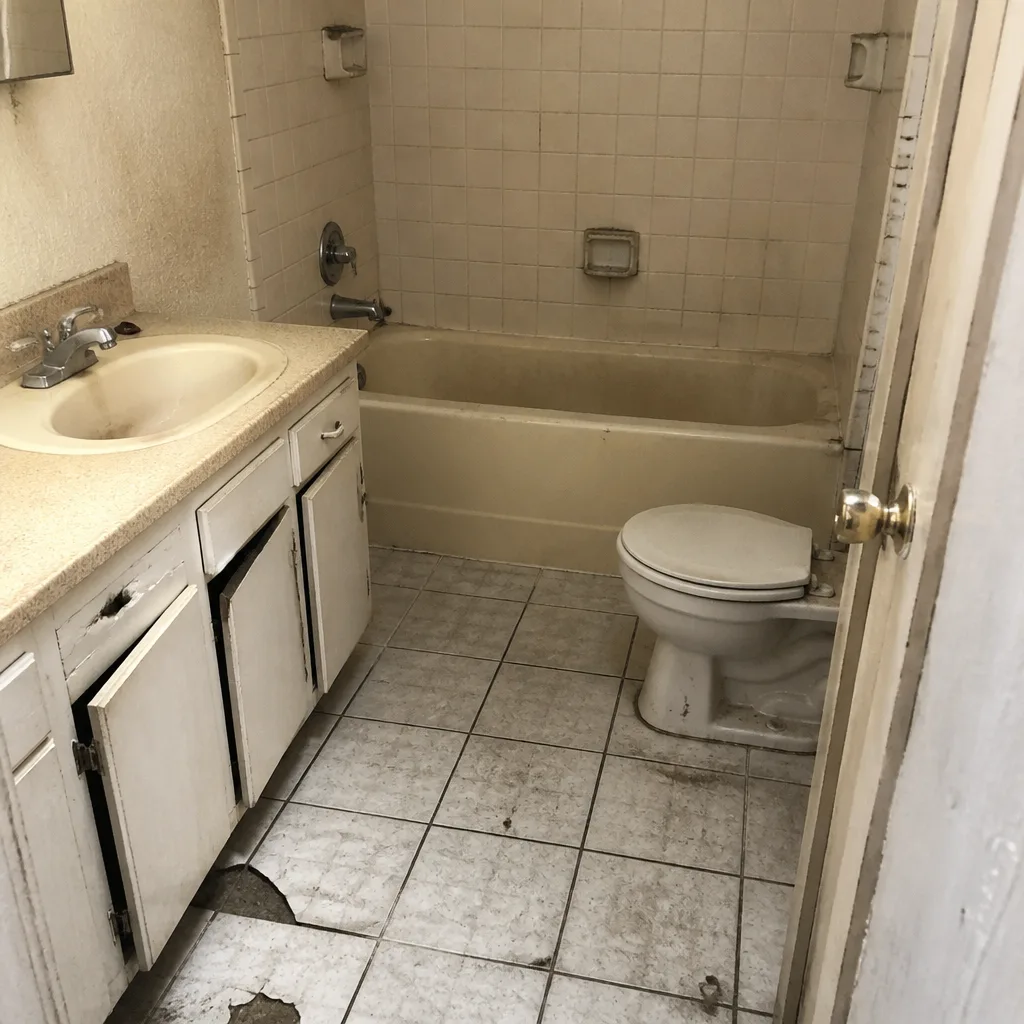 Before
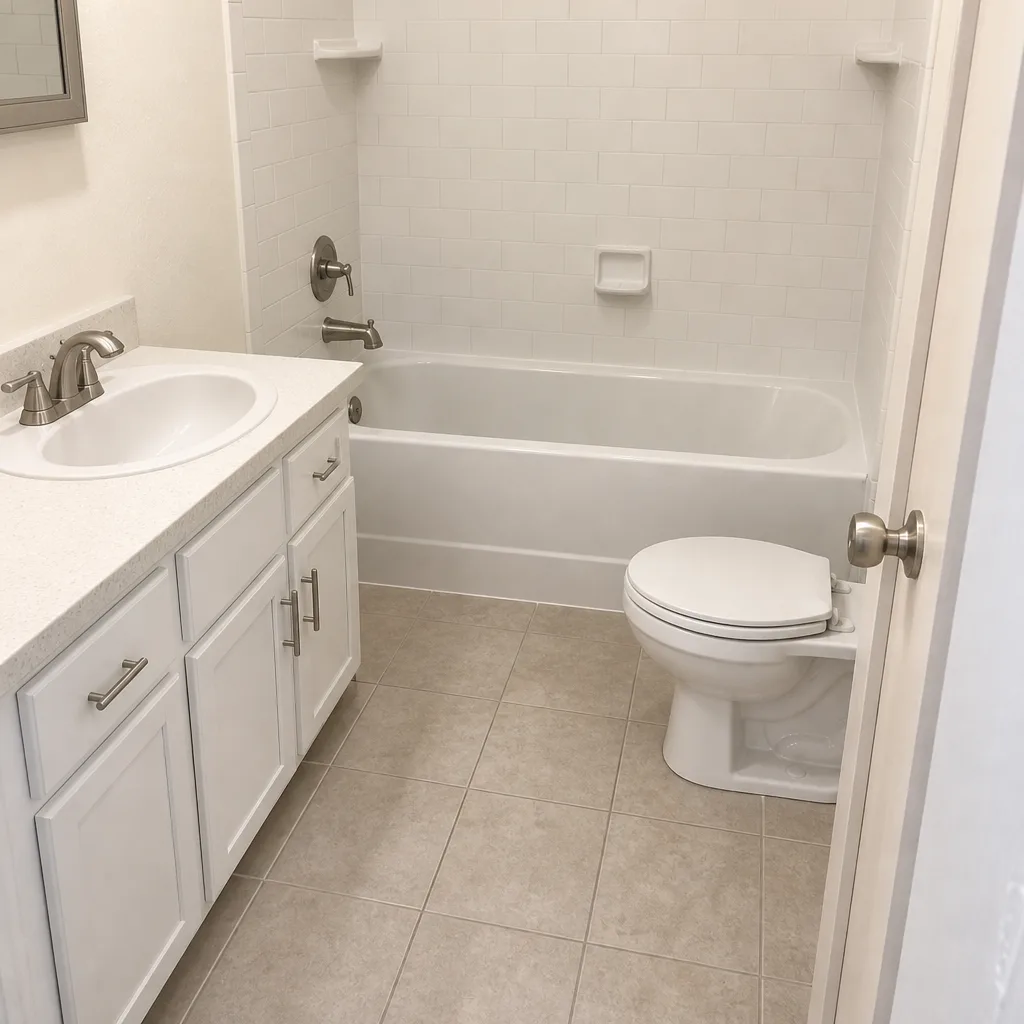 After
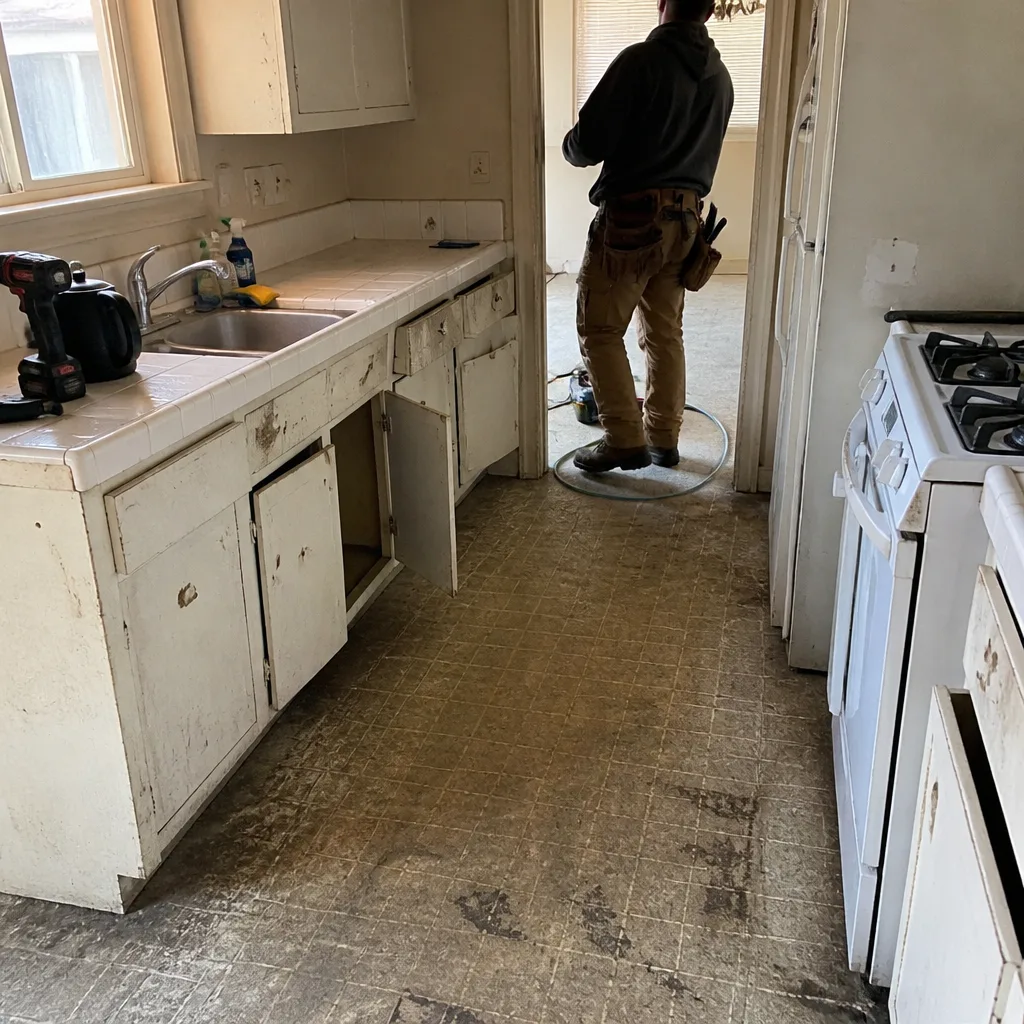 Before
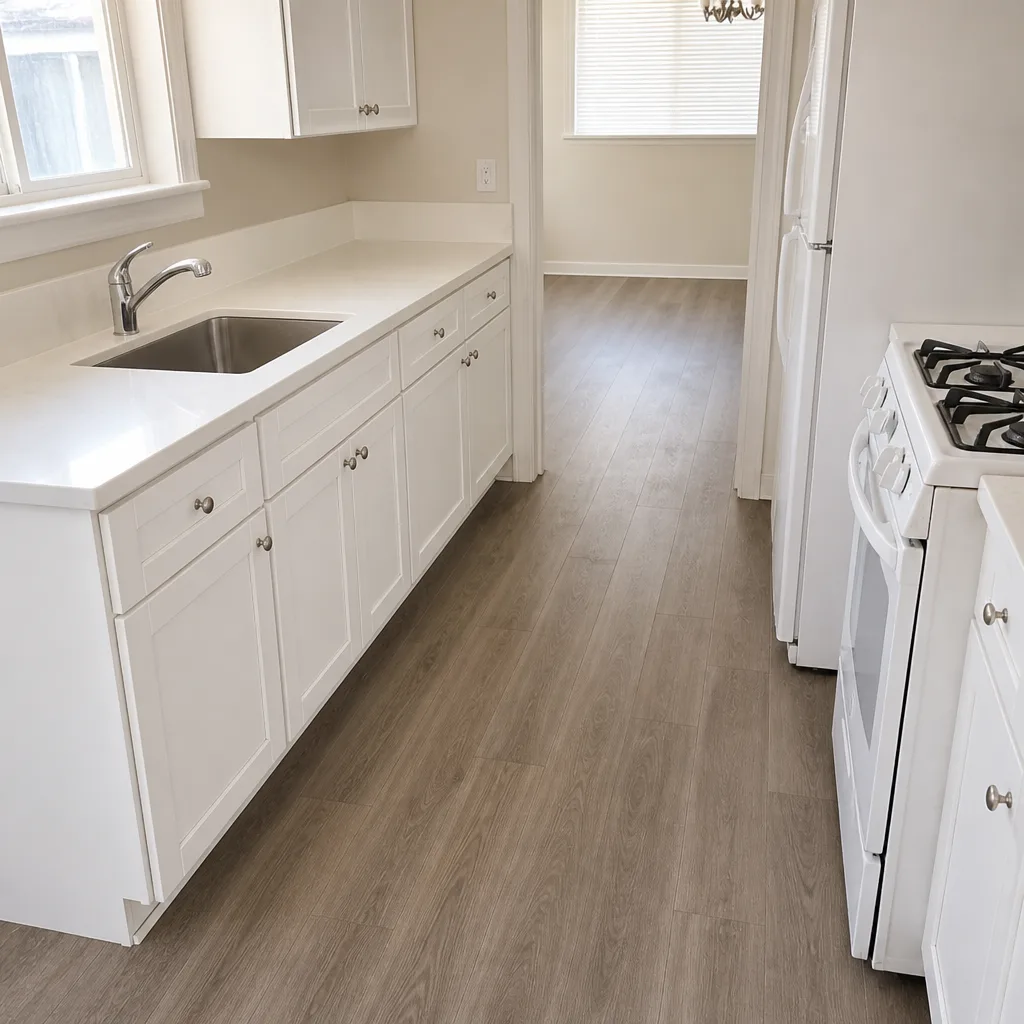 After