
Last updated November 17, 2026
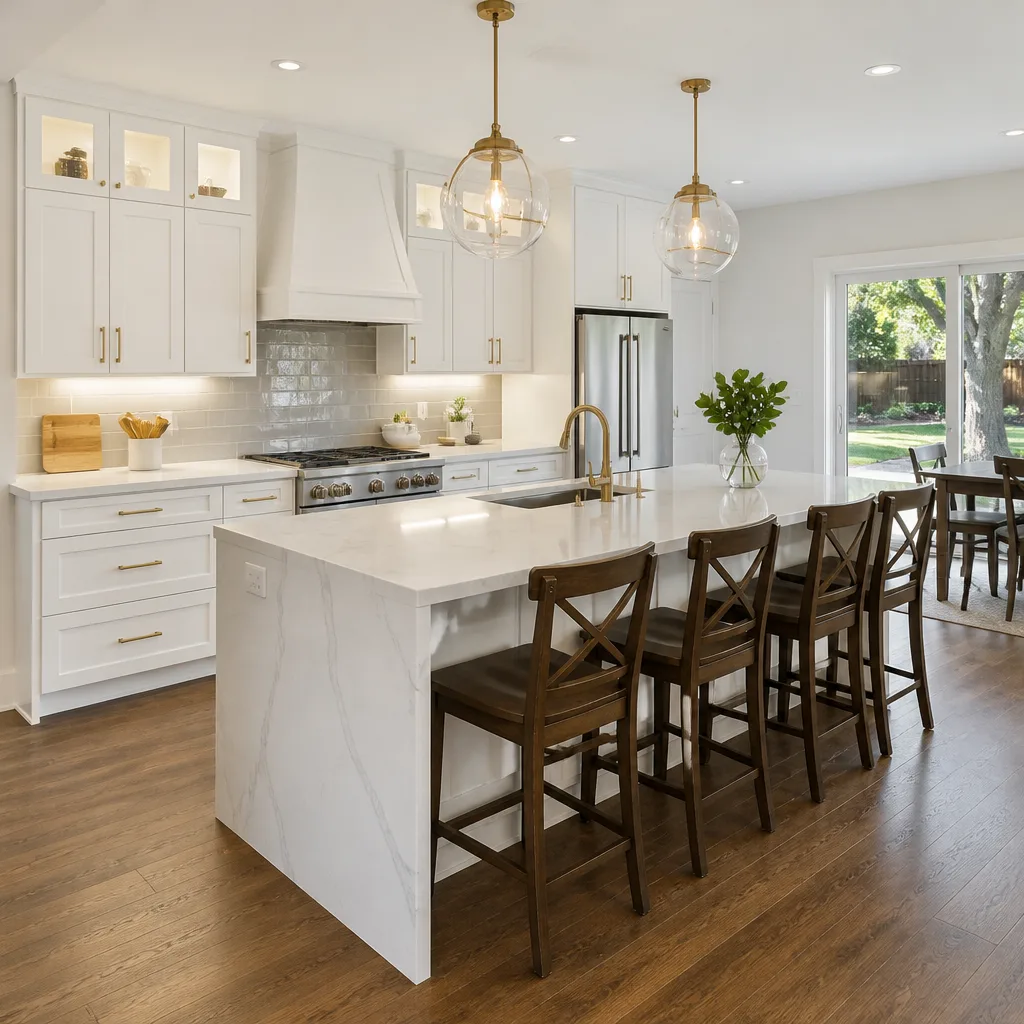 Kitchen remodeling
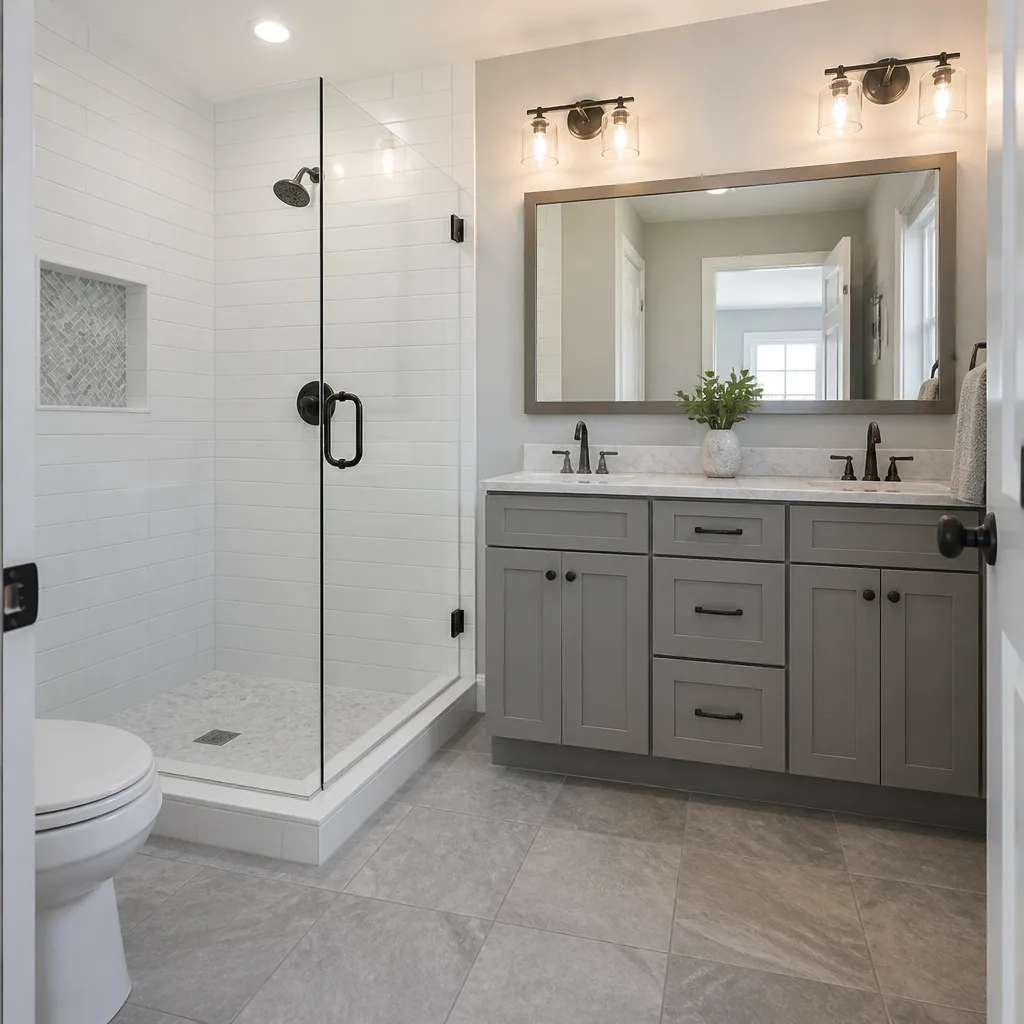 Bathroom remodeling
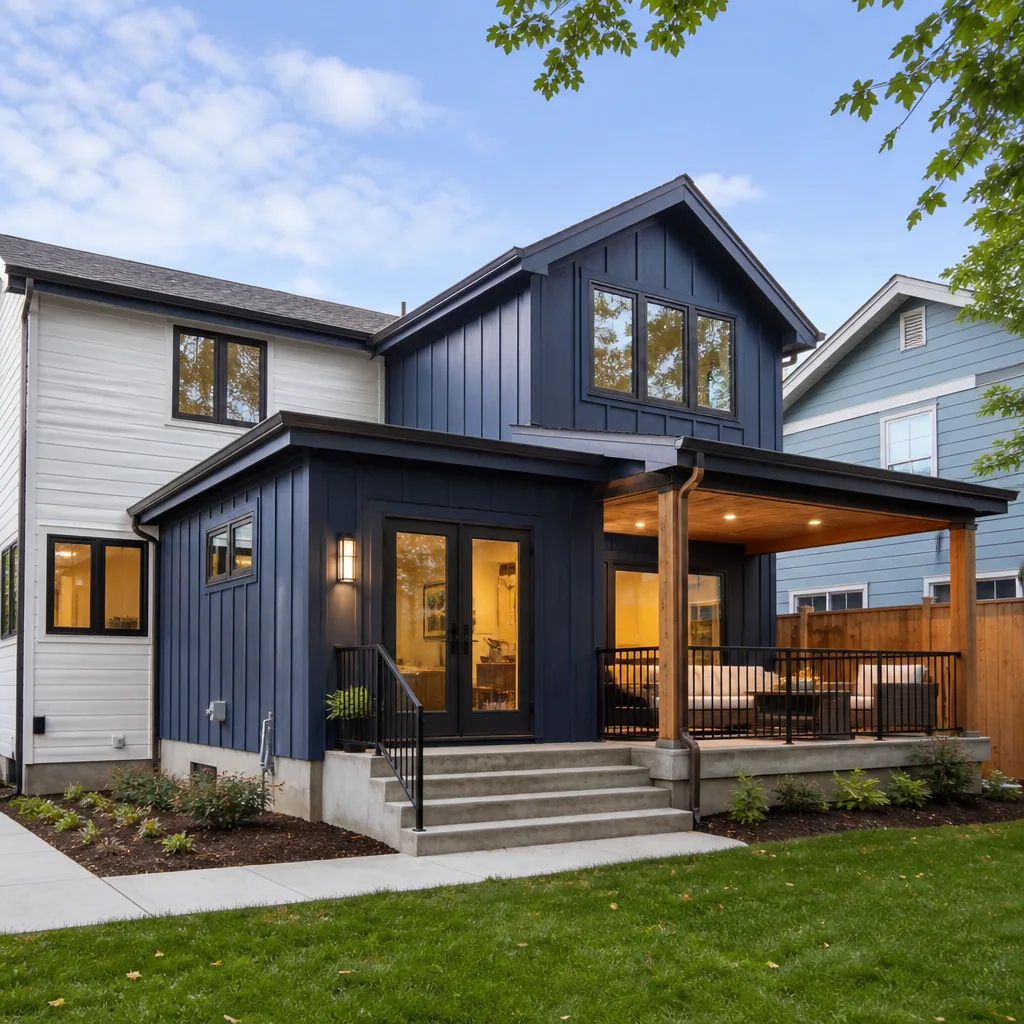 Home additions & ADU
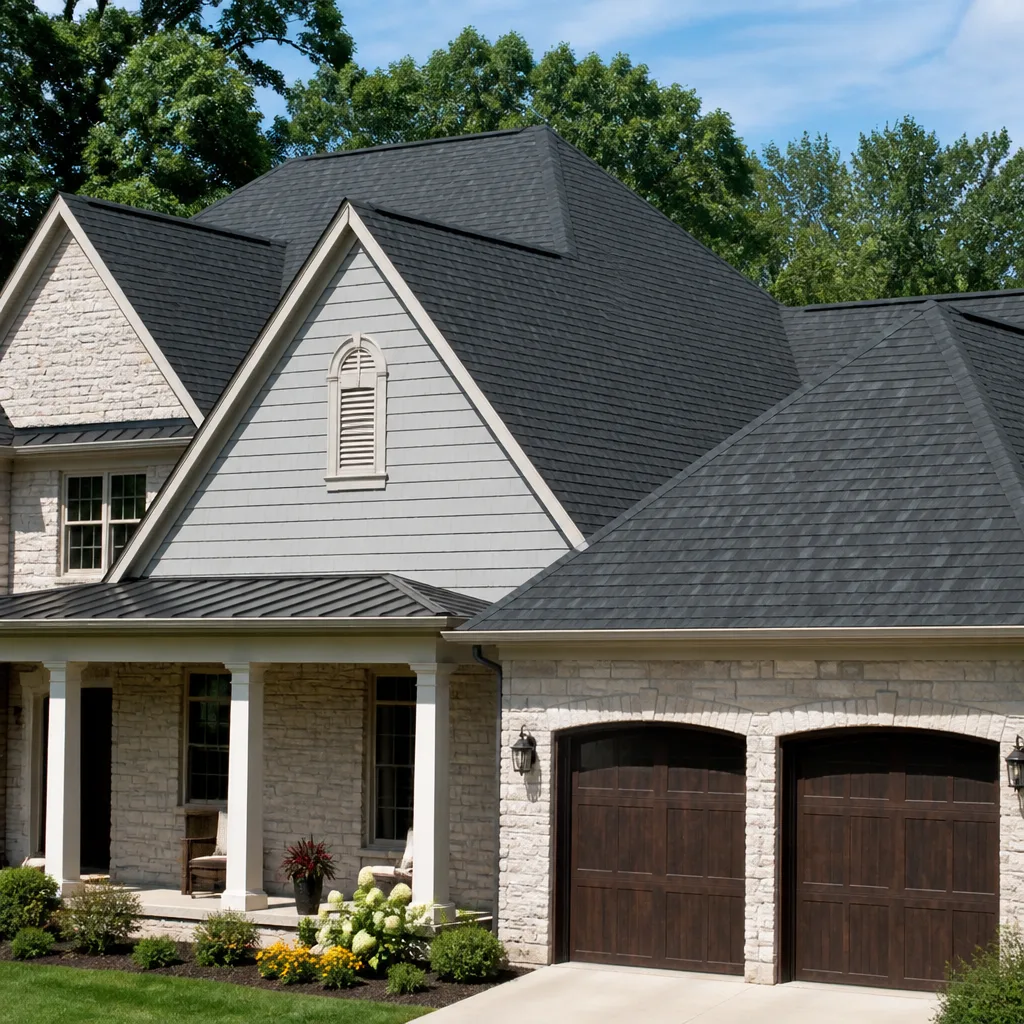 Roofing
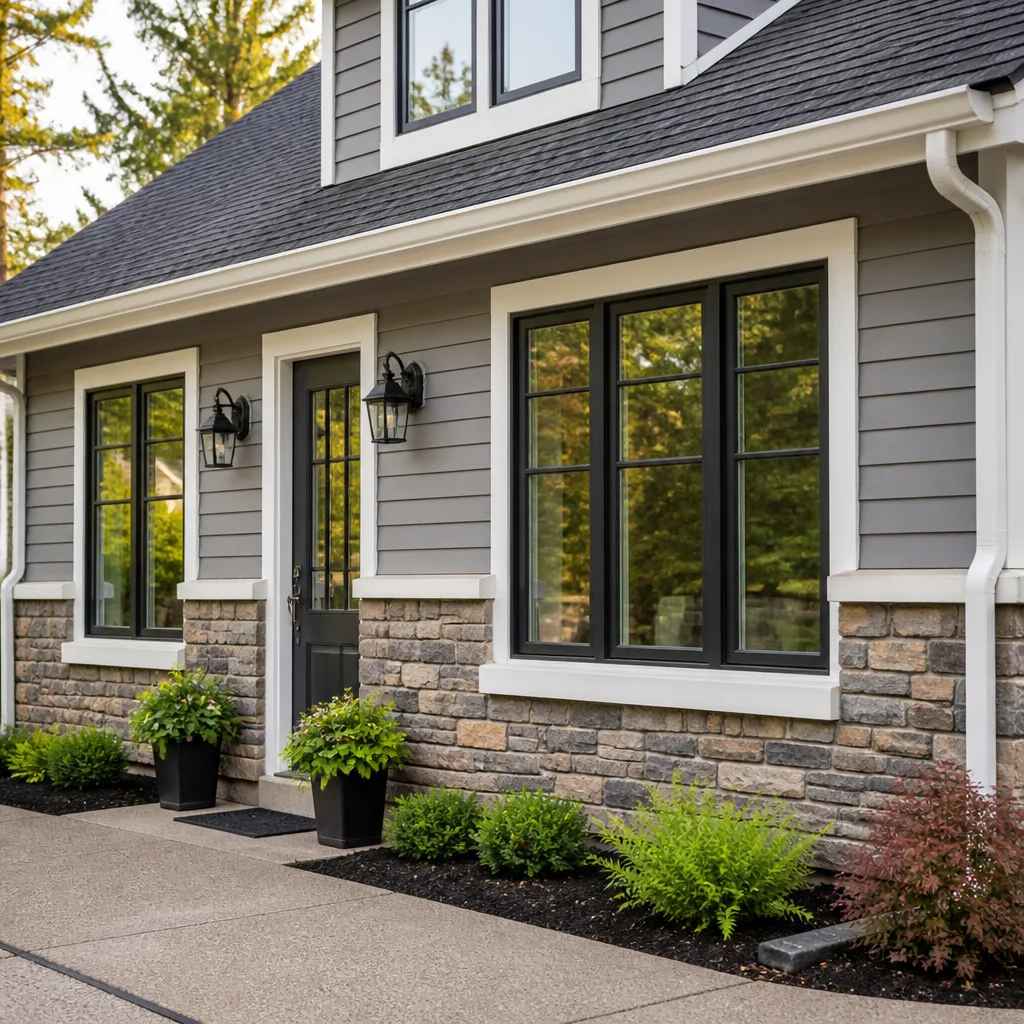 Windows & doors
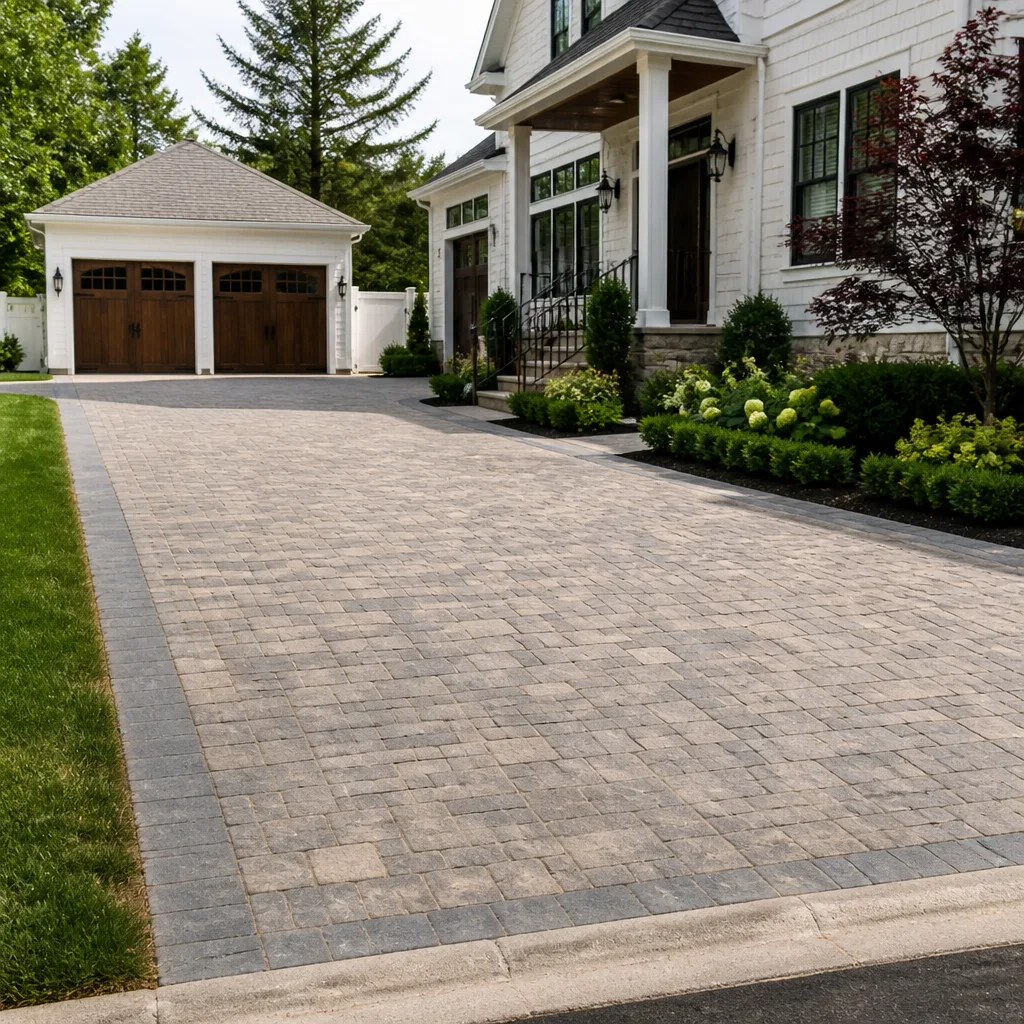 Driveway & pavers
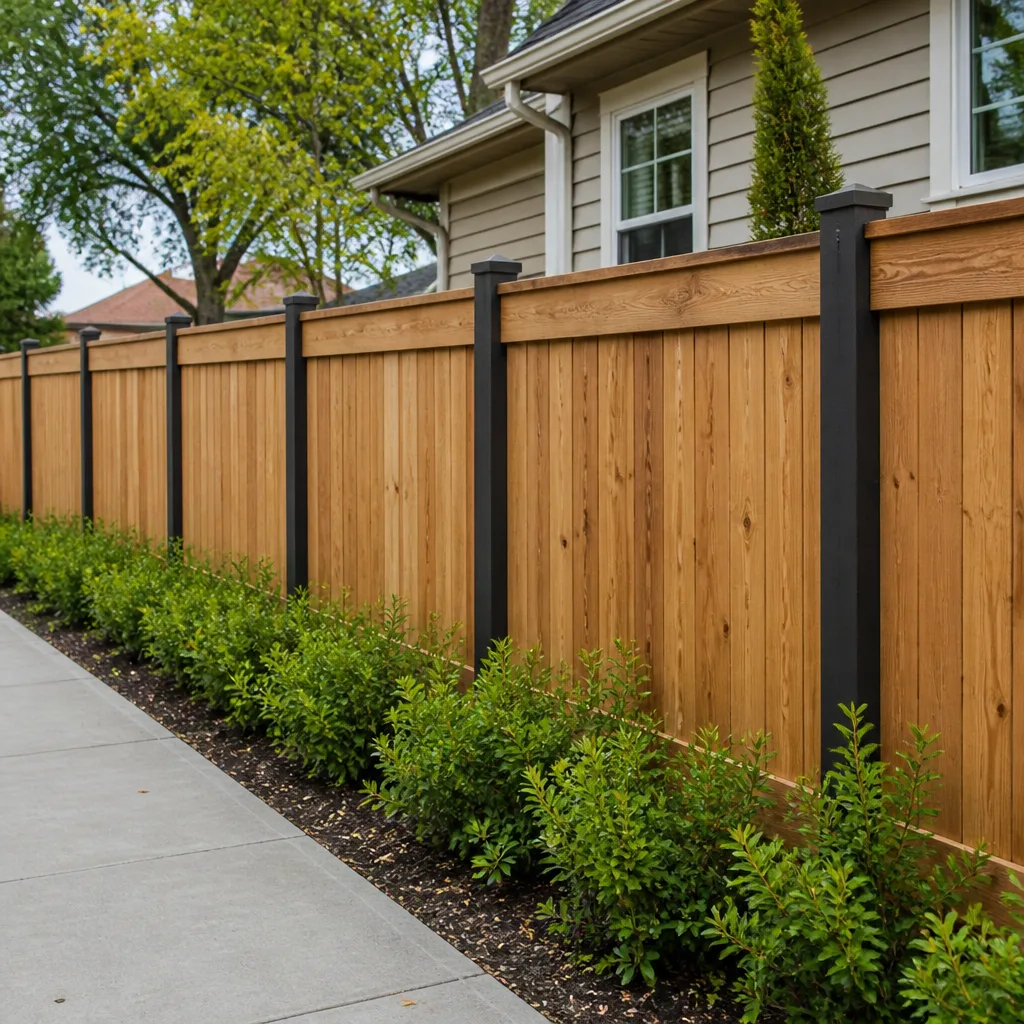 Fence
Free written scope consultation - allowances, timeline, and change-order rules on paper before a single trade is scheduled
Choosing the Right Construction Brand: A Buyer’s Guide for Lancaster
A builder-grade roof underlayment rated for UV exposure will degrade measurably faster in Lancaster’s 300-plus days of annual sun than a premium product rated for the same job. Most homeowners never learn which one went on their roof until water shows up on a ceiling three years after the warranty window closed. That’s the gap this guide closes. We’ll walk through what “premium brand” actually means in measurable terms, how roofing, stucco, concrete, pavers, and windows hold up under Antelope Valley heat, how to verify the brand on your contract is the brand that lands on your job site, and why paying more upfront usually saves money over the life of the product.
Quick Answer
The right construction brand in Lancaster is the one whose published performance specs – UV resistance, impact ratings, thermal expansion tolerances, solar heat gain numbers – match the desert conditions here, not the one with the prettiest logo. Ask your contractor to name the exact product and show you the spec sheet before you sign, then verify that same product arrives on site. Brand choice in Lancaster is a durability decision first and an appearance decision second.
Styles & brands we work with
- Kitchen remodeling
- Bathroom remodeling
- Home additions & ADU
- Roofing
- Windows & doors
- Driveway & pavers
- Fence
Table of Contents
- What “Premium Brand” Actually Means in Construction
- Roofing Brands and Lancaster’s Sun
- Stucco Systems, Concrete, and Paver Products for Antelope Valley Heat
- Windows Rated for High Solar Heat Gain
- How to Verify the Brand on Your Contract Is the Brand That Arrives
- The Lifecycle Cost Argument: Why Upfront Material Spend Pays Back
- Questions That Reveal Whether Your Contractor Has a Real Reason
- Common Mistakes to Avoid
What “Premium Brand” Actually Means in Construction
A premium brand is not a logo on a truck. It’s a set of published performance numbers you can look up, compare, and hold a contractor to. When we specify a brand for a Lancaster job, we’re specifying the specs behind it – because that’s the part that decides how the roof, the stucco, or the driveway performs after five summers of 100-degree afternoons and dry winds off the foothills.
Here’s what to ask for, category by category. Every one of these is a number the manufacturer publishes:
- UV resistance rating – for underlayments, membranes, sealants, and exterior finishes. Cheap products break down under ultraviolet light; premium ones are engineered for it.
- Impact rating – Class 3 or Class 4 impact-rated shingles resist hail and wind-driven debris better than standard products, and some carriers discount homeowner premiums for them.
- Thermal expansion tolerance – critical in the Antelope Valley, where surfaces swing from cold desert nights to 100-plus-degree afternoons. Products with poor expansion tolerances crack, cup, or pull at fasteners.
- Solar heat gain coefficient (SHGC) – for windows. A low SHGC means less heat load through the glass, which matters when the afternoon sun hits a west-facing wall for six hours straight.
- Warranty structure – what’s covered, for how long, and whether the manufacturer requires a certified installer to honor it.
If a contractor can’t name the exact product and pull up the spec sheet, that’s your answer about how much thought went into the choice. Barrett & Sons works with premium brands across every trade we touch because materials you can look up beat mystery brands off a van. That’s the standard we’d want on our own house in Lancaster, and it’s the standard we bring to yours.
Roofing Brands and Lancaster’s Sun
Your roof takes the worst of the Lancaster climate. West-facing slopes get hammered by afternoon sun, and the UV load here is relentless. That’s why the brand and product line matter more than most homeowners realize – a shingle rated for a mild climate is not the same product as one built for high UV and heat cycling, even when the boxes look similar.
We install and stand behind premium roofing lines including Owens Corning, IKO, Atlas, and Tamko. Each one publishes impact ratings, wind ratings, and warranty terms you can compare side by side. When we quote a roof in Lancaster, the product line is written into the scope, not left to whatever the supply house had on the rack that morning. That’s a small thing until it’s your roof.
What to look for in Lancaster specifically:
- Impact-rated shingles – Class 3 or Class 4, which hold up better against hail and wind-blown debris common in spring storms.
- High-temp underlayment – standard felt breaks down fast under desert UV; premium synthetic underlayments are rated for it.
- Proper ventilation – attic ventilation products that move heat out matter as much as the shingle itself. A premium shingle over a poorly vented attic still cooks.
- Manufacturer-certified installation – many premium warranties only apply in full when installed by a certified contractor. Ask before you sign.
The difference between a 12-year roof and a 20-year roof in Lancaster often comes down to which product line went on and whether it was installed to spec. Same labor, different material, very different service life. When you’re ready to talk roofing, Barrett & Sons Construction Lancaster home is the place to start.
Stucco Systems, Concrete, and Paver Products for Antelope Valley Heat
Stucco and concrete live or die by thermal behavior in this climate. The Antelope Valley swings hard between cold nights and hot days, and materials that can’t handle that expansion and contraction will crack, craze, or pull away from their substrate. The brand behind the mix matters, and so does the spec sheet.
On the hardscape side, we install Belgard and Techo-Bloc products. Both publish freeze-thaw and thermal ratings and both offer lines engineered for harsh sun. A premium paver with the right density and color-fast pigment holds its color through years of Lancaster summers; a builder-grade paver fades and chips. If you’re planning a driveway, patio, or walkway, our Driveway & Pavers in Lancaster page goes deeper on product selection and installation.
What to ask about stucco and concrete products:
- UV-stable pigments – for integrally colored stucco and colored concrete, so the finish doesn’t chalk out after a few seasons.
- Fiber reinforcement and admixtures – specified by the manufacturer for hot-weather pours. Concrete cured too fast in 100-degree heat loses strength; the mix and cure method have to match the climate.
- Paver density and absorption rating – lower absorption means better performance through wet winters and dry summers alike.
- Compatible sealants and joint materials – premium systems are designed to work together. Mixing brands at the joint is where failures start.
The through-line: in Lancaster, stucco and concrete aren’t just cosmetic. They’re the envelope and the ground plane, and both get tested every summer. Specify the product, not just the look.
Windows Rated for High Solar Heat Gain
Windows are where brand selection pays off fastest on your energy bill. A west-facing window in Lancaster with a high solar heat gain coefficient turns your living room into an oven from 2 to 6 p.m. The same window with a low-SHGC glass package and a quality frame barely notices the afternoon. The glass, the frame material, and the spacer system are all spec-sheet items, and premium brands publish them clearly.
We install Andersen and Marvin windows, both of which offer climate-specific glass packages and publish their performance ratings. When we quote windows for a Lancaster home, we match the glass package to the orientation of the window. East and west exposures need different treatment than north-facing glass, and a contractor who hands you one glass package for every opening either doesn’t know or doesn’t care.
What matters for Lancaster windows:
- Low SHGC for west and south exposures – less heat load, lower cooling bills.
- Low-E coatings – the coating type matters; some are tuned for heating climates, some for cooling climates. Lancaster needs the cooling-climate spec.
- Frame material rated for heat cycling – vinyl, fiberglass, and clad wood all behave differently. The right choice depends on exposure and budget, and the spec sheet tells you which holds up.
- Proper flashing and installation – the best window in the world leaks if it’s set wrong. Installation details should be spelled out in writing.
Ask for the NFRC label and the manufacturer’s spec sheet before you sign. If the contractor can’t produce them, that’s information you want to have before the order goes in.
How to Verify the Brand on Your Contract Is the Brand That Arrives
Specifying a premium brand and getting a premium brand are two different things. The gap between the two is where most homeowners get burned, and it’s why we write the exact product line into every scope and every allowance. When the contract says Owens Corning Duration, the truck should carry Owens Corning Duration. Here’s how to check, in order:
- Read the contract for product names and model numbers. Generic language like “architectural shingles” or “vinyl windows” tells you nothing. The brand and product line should be printed.
- Ask for the spec sheet before materials are ordered. A contractor with a real reason can produce it in a minute. One passing on whatever the supply house had will stall.
- Check the delivery ticket. When materials arrive, the ticket should name the product. Ask to see it, or ask the crew to leave it on the counter. This is a normal, reasonable request.
- Photograph the packaging before install. Wrapper, label, and batch number. Takes thirty seconds, settles any question later.
- Confirm the warranty registration is in your name. Premium manufacturer warranties only pay out if the product is registered and the installer is certified for that brand.
Any price change along the way should arrive as a written change order before work proceeds. That’s true for material substitutions too – if the specified brand isn’t available and the contractor wants to swap, you get it in writing with the alternative product named, then you decide. An allowance that isn’t on paper is a surprise waiting for a date. That’s how we run every Lancaster job, and it’s how you should expect any contractor to run yours.
The Lifecycle Cost Argument: Why Upfront Material Spend Pays Back
Here’s the math most homeowners never run. Say a 20-year roof product costs $800 more than a 12-year product on the same square footage. Over 20 years, the cheaper product gets replaced once, and the second install costs the full price again – material plus labor, not just the material difference. The $800 “savings” at the start turns into a whole second job at year 12. That’s not a savings; it’s a deferral.
The same logic applies across every product category in Lancaster. A premium paver line that holds color and structure for 25 years versus a builder-grade paver that fades and chips at year 8. A low-SHGC window package that cuts cooling load for two decades versus a standard glass that bakes the house every summer. The premium product almost always wins on total cost of ownership, and in the Antelope Valley climate the gap closes faster because the sun works the materials harder.
When you compare bids, compare the products being quoted, not just the bottom line. A bid that’s $1,500 lower because it specifies a shorter-life product isn’t lower – it’s a different product on a different timeline. Ask each contractor to name the product and the expected service life, then compare bids on equal footing. That’s when the premium choice makes itself obvious.
If you want to understand how this plays out on an addition or ADU – where materials and structure decisions compound – our Home Additions & ADU in Lancaster page walks through the build process and the brand choices that come with it.
Questions That Reveal Whether Your Contractor Has a Real Reason
Some contractors specify a brand because they’ve thought about climate, warranty, and service life. Others specify whatever their supply house had a pallet of that week. A short set of questions tells you which one you’re talking to, and the answers usually come fast if the reason is real.
- “Why this product for this house in Lancaster?” A real answer references spec sheets, climate, orientation, or warranty – something specific to your situation. A vague answer references “quality” or “what we always use.”
- “Can you show me the spec sheet?” If they can pull it up in a minute, they know the product. If they promise to email it later and it never arrives, you have your answer.
- “What’s the service life in this climate?” Watch for a number, not a range that runs from 10 to 30 years. The manufacturer publishes this; the contractor should know it.
- “Are you certified for this brand’s warranty?” Many premium warranties run in full only through certified installers. If the answer is no, the “premium” warranty you’re counting on may not apply.
- “What’s the alternative, and why did you choose this one over it?” A contractor with a genuine reason has considered the alternative. One who hasn’t wasn’t choosing – they were taking.
- “Is the exact product written into my contract?” If the answer is anything but yes, ask for it to be.
We answer these questions on every Lancaster estimate because the answers are the point. Brand selection isn’t a luxury decision – it’s a durability decision, and it should be made with the spec sheet open, not the catalog closed.
Common Mistakes to Avoid
- Accepting “architectural shingle” or “vinyl window” as a product name. Generic language in a contract leaves the material choice to whoever’s ordering, and in Lancaster the difference between a Class 3 and a standard shingle shows up in the first spring storm. Insist on the exact brand and product line in writing.
- Skipping the spec sheet. If you haven’t seen the manufacturer’s published UV, impact, or SHGC numbers, you’re buying a promise. The spec sheet is the single most useful document in the whole transaction.
- Letting a material substitution slide without a written change order. “We couldn’t get the brand, so we used this instead” is a change order situation, not a phone-call courtesy. Get the alternative named in writing before it’s installed.
- Comparing bids on price alone. A lower bid often means a shorter-life product. Compare products first, then prices, or you’re comparing apples to a different apple.
- Not photographing packaging and delivery tickets. Thirty seconds of photos before install settles any brand question later. Homeowners who skip this step are the ones who can’t prove what went on the roof when a warranty claim comes up.
- Assuming the “premium” brand means free replacement. Premium brands have better warranties, but the terms matter. Read the labor coverage, the certified-installer requirement, and the registration steps. A warranty you didn’t register is a warranty that won’t pay.
- Forgetting how Lancaster’s climate stresses the details. The high-desert sun and temperature swings work on the joints, flashings, and sealants as hard as they work on the shingle or the stucco. A premium product installed with builder-grade details underperforms in Lancaster every time.
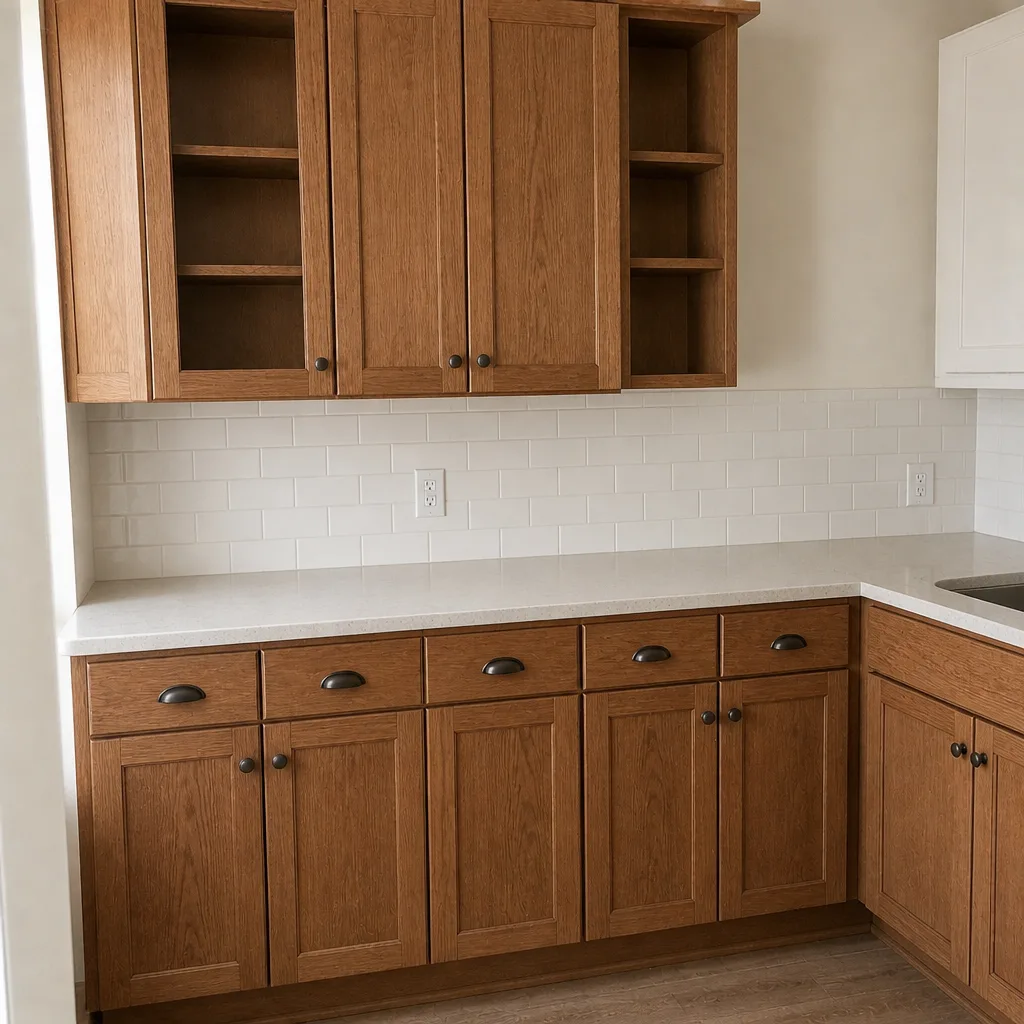
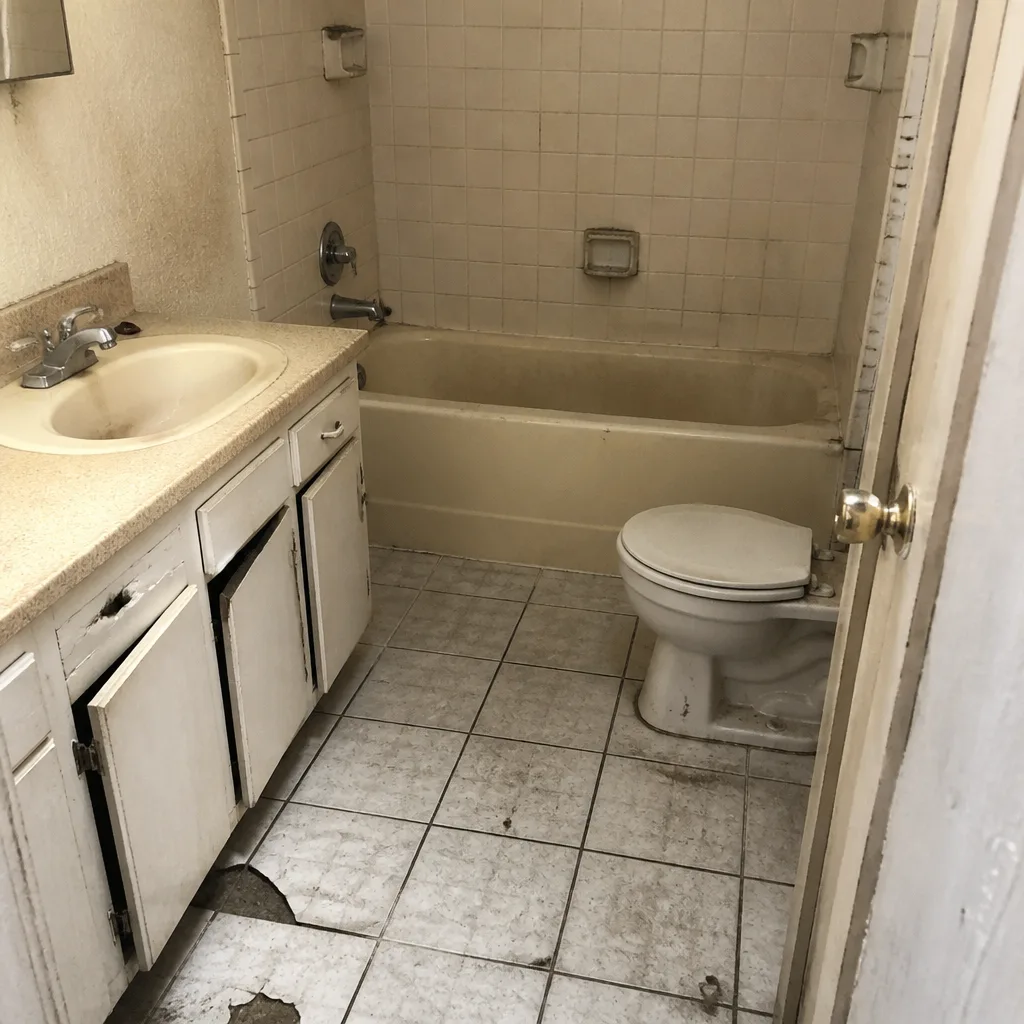
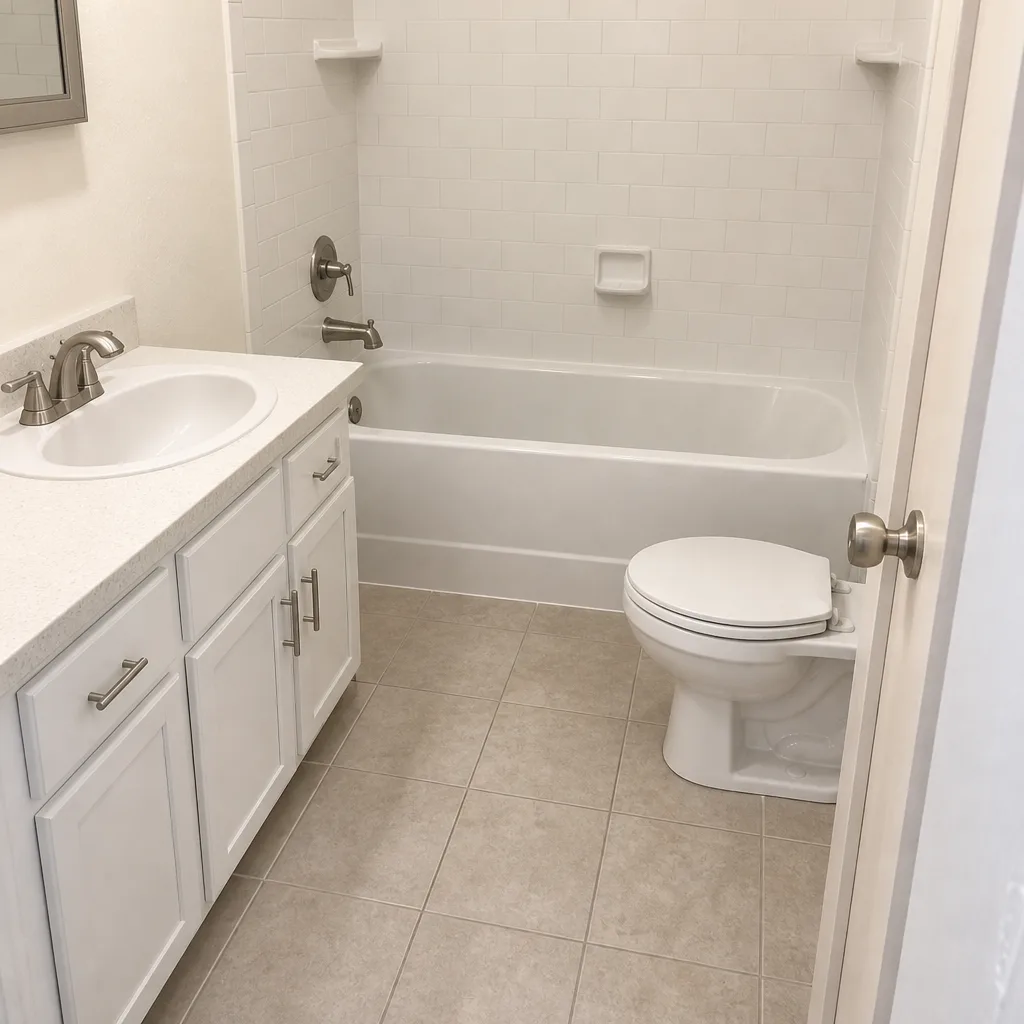
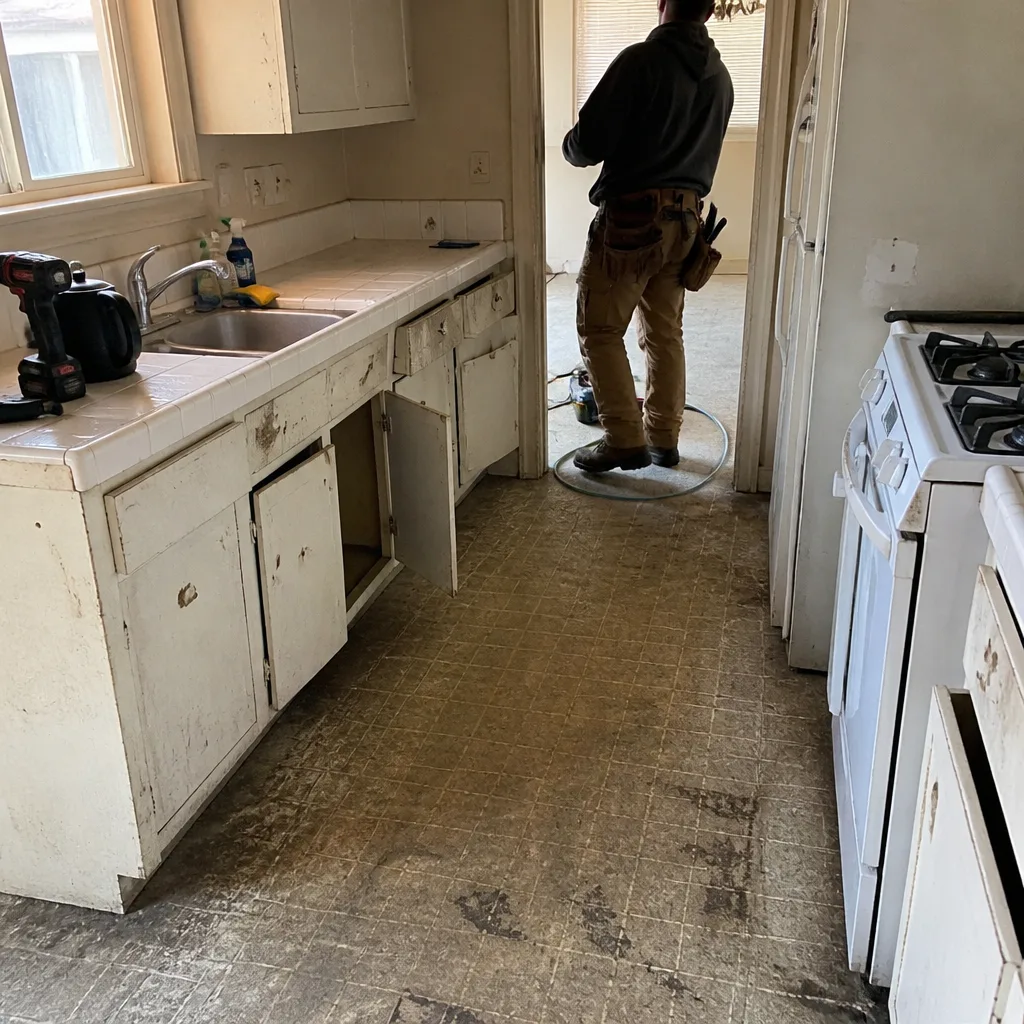
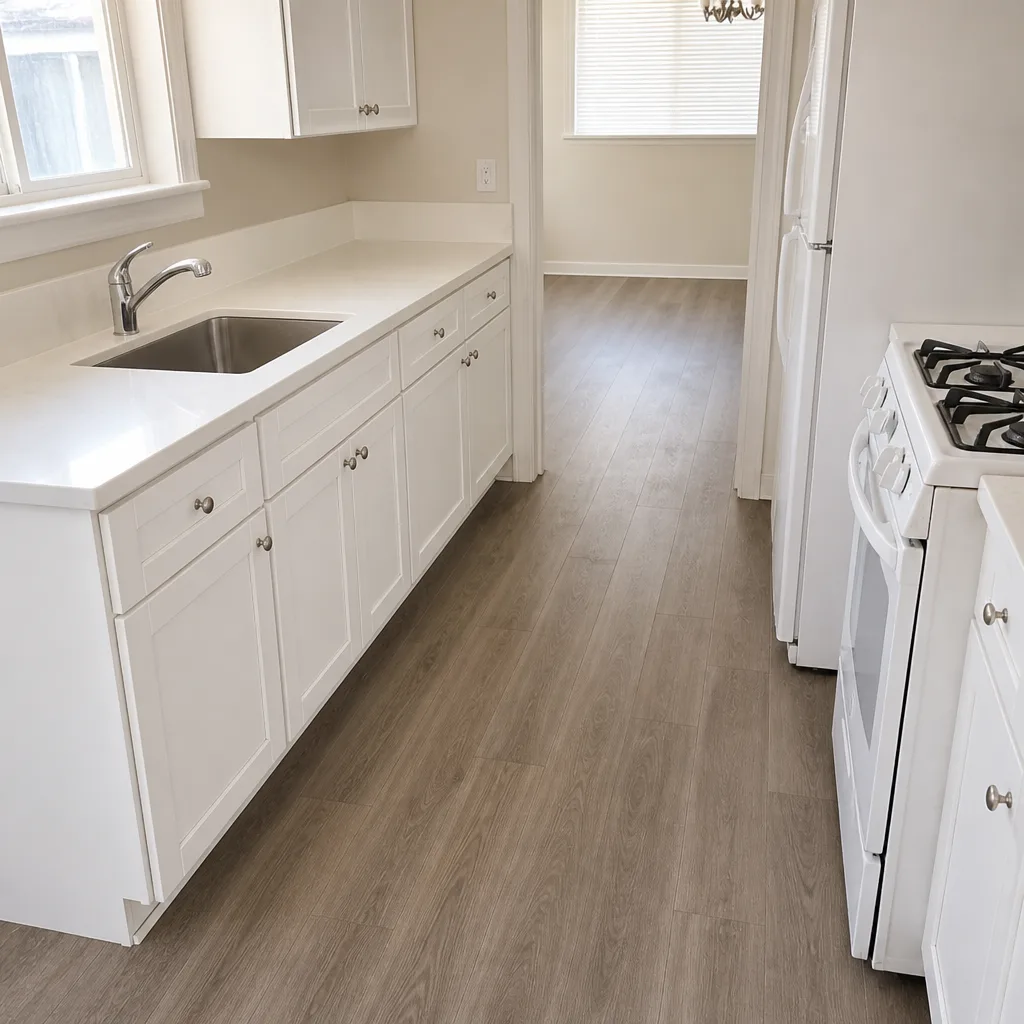
See the difference
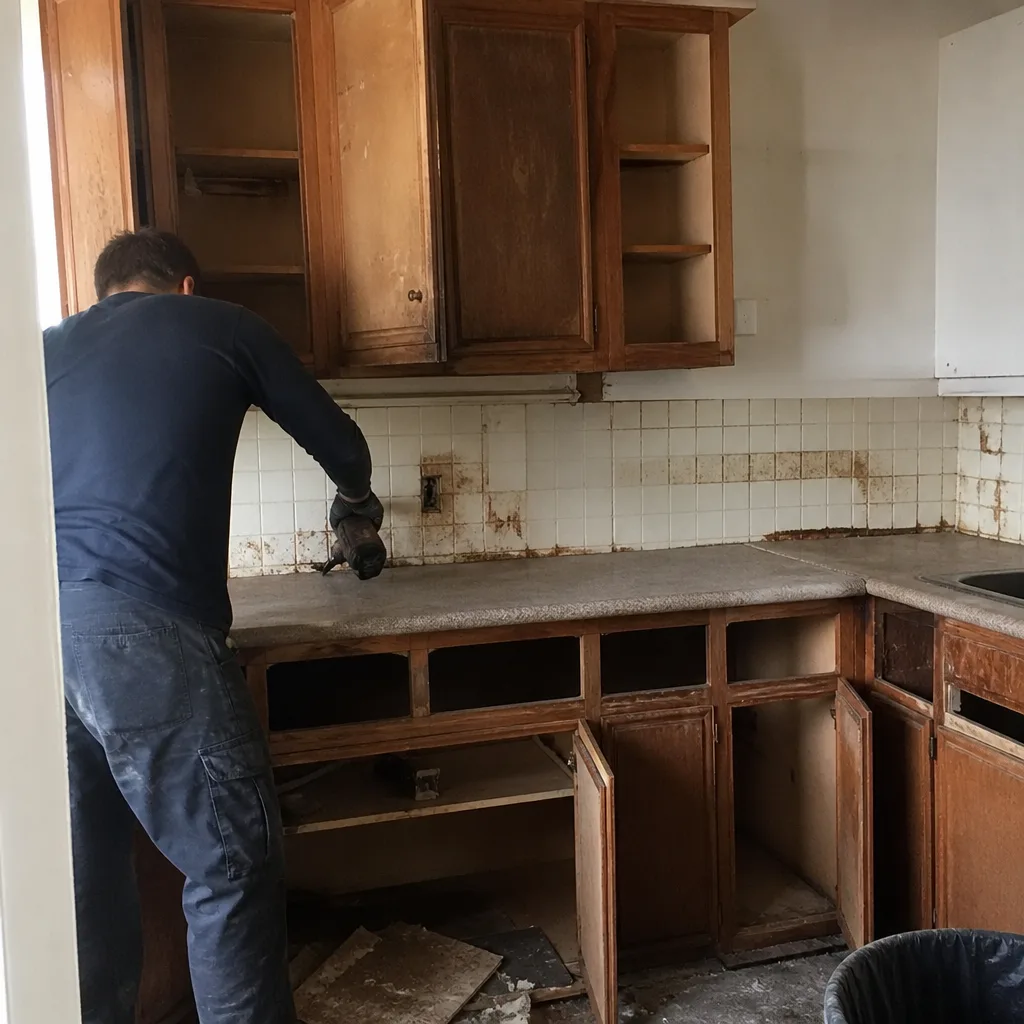 Before
 After
 Before
 After
 Before
 After
When to Call a Professional
Some brand choices are DIY-adjacent – paint, trim, a faucet swap. Roofing, stucco systems, window replacement, and structural work are not. These involve permits, code compliance, and life-safety details, and in Lancaster the permit and inspection record follows the house. If a contractor offers to skip the permit, that’s not a favor, it’s a liability you’ll inherit at resale. If you’ve been quoted materials without a spec sheet, or you’re not sure what’s going on a roof or behind a wall, a professional conversation will be faster and cheaper than finding out in year three. Barrett & Sons Construction Lancaster offers free estimates in Lancaster – call (888) 427-1810. Every eligible job gets its permits pulled and inspections signed, and every price change is in writing before work happens.
Frequently Asked Questions
The best brands for Lancaster are the ones with published performance specs that match high-UV, high-heat desert conditions – not the ones with the biggest logo. On roofing, that means impact-rated lines from Owens Corning, IKO, Atlas, or Tamko, installed with premium high-temp underlayment. On hardscape, it means Belgard or Techo-Bloc paver lines rated for sun and heat cycling. On windows, it means glass packages with a low solar heat gain coefficient and frames rated for thermal expansion. Ask for the spec sheet and compare. Call (888) 427-1810 for an exact quote – estimates are free.
You verify it in three steps: the contract names the exact brand and product line, the delivery ticket matches what’s specified, and you photograph the packaging before install. If a substitution is needed, it should come as a written change order naming the alternative before work proceeds. Any reasonable contractor will welcome the check – it’s their proof too. Call (888) 427-1810 if you’re not sure what your contract says.
Almost always yes, because the desert climate closes the gap between premium and builder-grade products faster than a mild climate would. A 20-year product that costs $800 more upfront beats a 12-year product that has to be replaced once, since the second replacement carries full material and labor. Compare bids on expected service life and product specs, not bottom-line price alone. Call (888) 427-1810 to get a written quote that names the products.
Not without a written change order signed before the change happens. That covers material substitutions too – if the specified brand isn’t available, you get the alternative in writing with the product named, then you decide. Surprise invoices at the end are a choice a contractor makes, not a fact of construction. Ask any contractor how they handle change orders, and get the answer in writing. Call (888) 427-1810 for a free estimate on your Lancaster project.
Yes, permits are pulled and inspections signed on every eligible job in Lancaster. Roof replacements, window replacement, and structural work are commonly permit-required, and the inspection record stays with the house – which matters at resale and after a storm claim. A contractor who offers to skip the permit is transferring that risk to you. Call (888) 427-1810 and we’ll tell you what your project needs.
A premium impact-rated roof installed to spec typically delivers 18 to 25 years in Lancaster conditions, while a builder-grade product often needs replacement closer to 12 years. The difference comes from the shingle’s UV rating, the underlayment grade, and the attic ventilation – all spec-sheet items. The premium product usually wins on total cost of ownership even though it costs more per square. Call (888) 427-1810 for a written quote that names the product line.
The Bottom Line
Brand selection in Lancaster is a durability decision, not a luxury one. The products you put on the roof, walls, driveway, and windows decide how many years you get before the first major repair – and in the high-UV, high-heat Antelope Valley climate, that window is shorter than in most of California. Ask for the exact product line, get the spec sheet, verify the delivery ticket, and compare bids on products and service life rather than price alone. If you want a contractor who names the brand and stands behind the install, Fence Installation in Lancaster is another place to see how we work.
Barrett & Sons Construction has been owner-operated since 1998, and every eligible Lancaster job includes permits pulled, inspections signed, and written change orders before any price or scope change. Every completed job is backed by the 90-Day Done Right Promise in writing. If you’d like a second opinion on a written estimate you’ve already been given, that’s free too. Call (888) 427-1810 for a free estimate on your Lancaster project. A live person answers, every day of the week.
Written by the team at Barrett & Sons Construction Lancaster.