
Last updated November 17, 2026
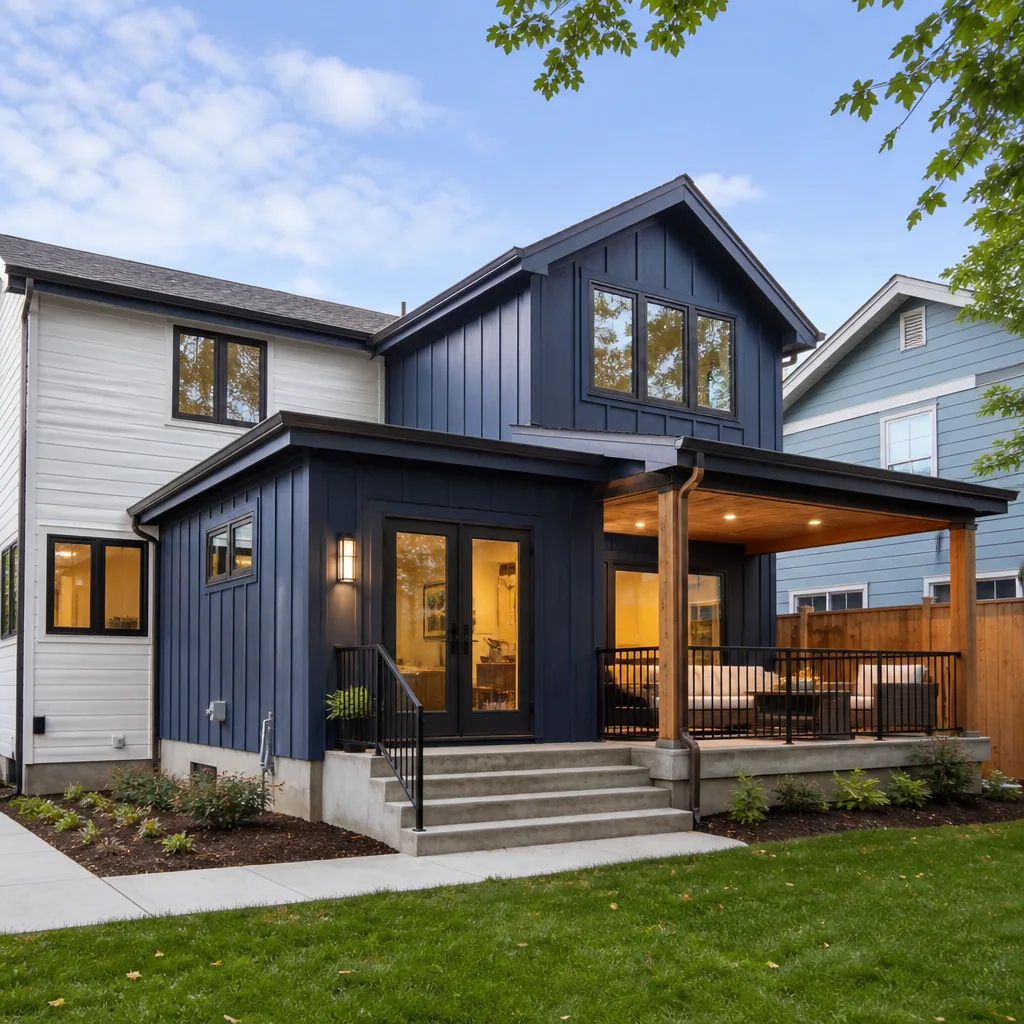 Home additions & ADU
 Kitchen remodeling
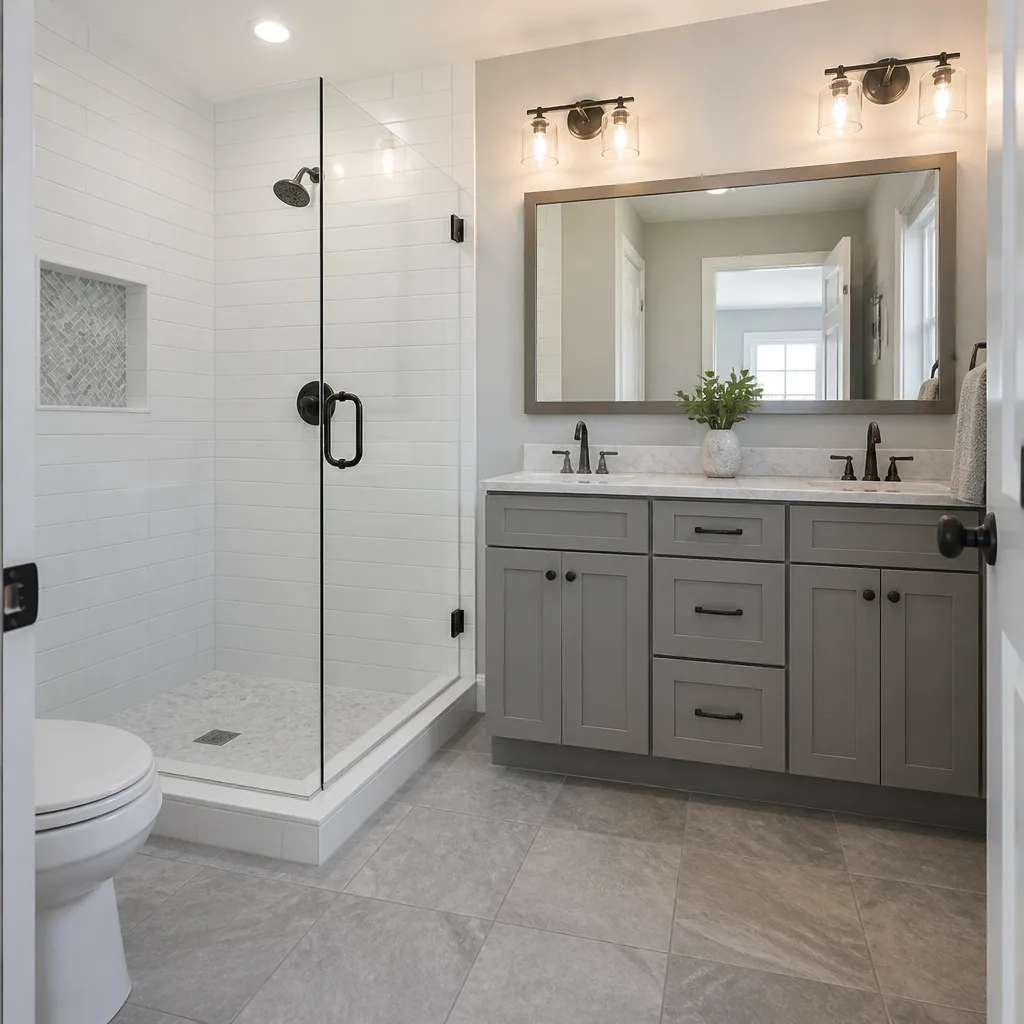 Bathroom remodeling
 Roofing
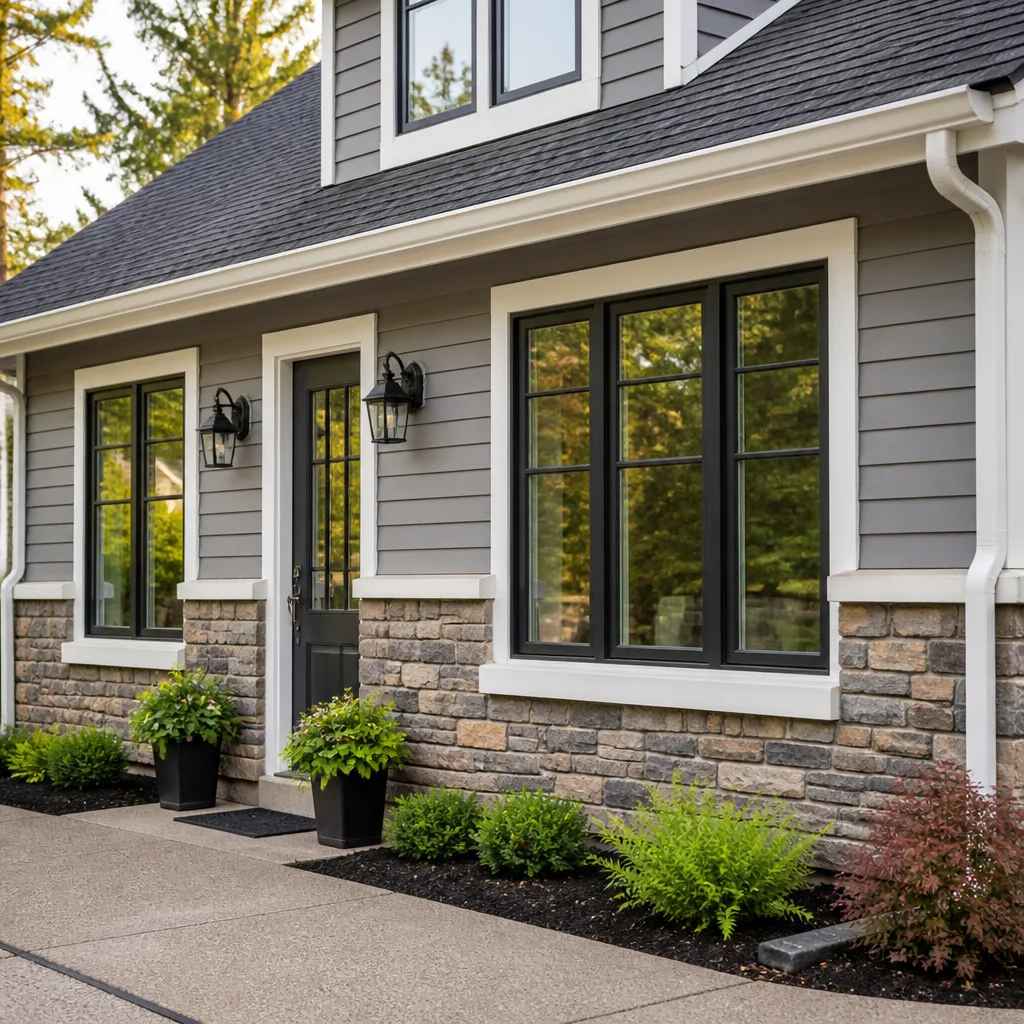 Windows & doors
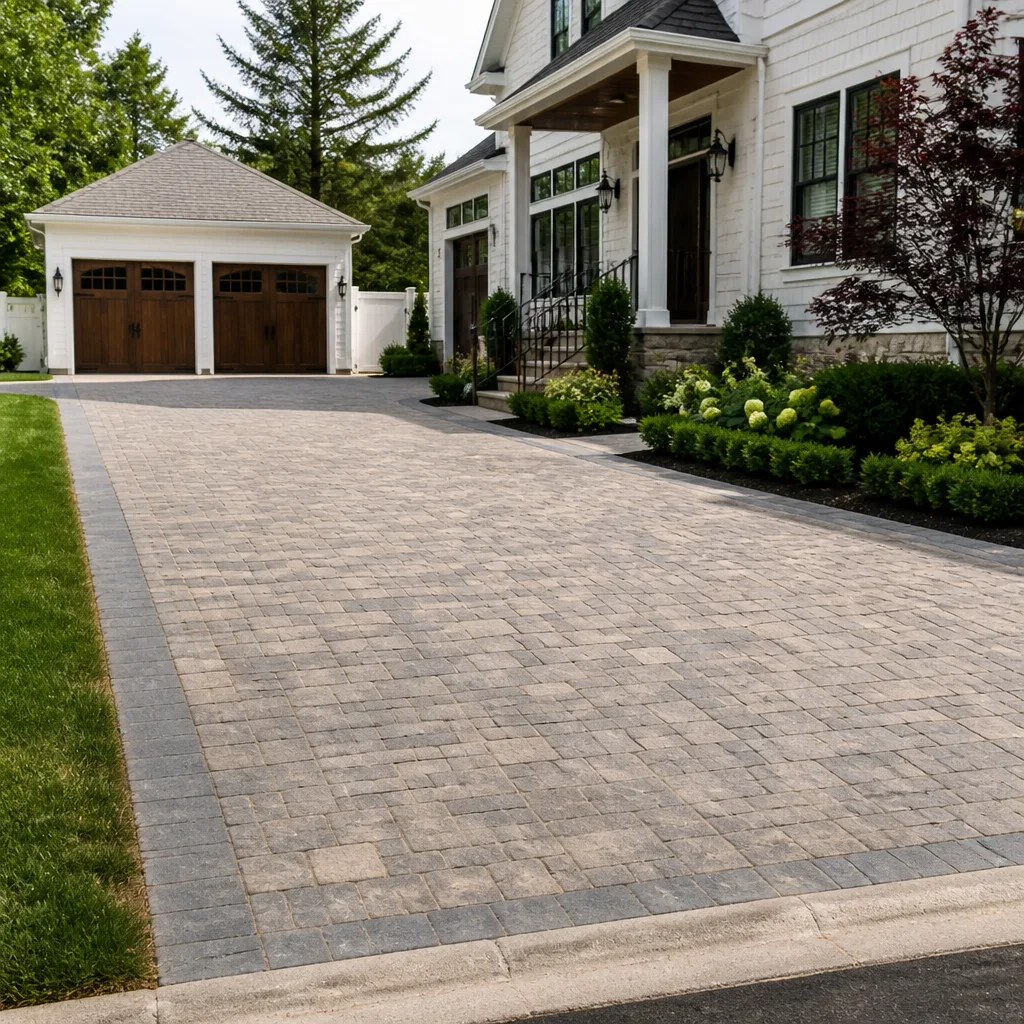 Driveway & pavers
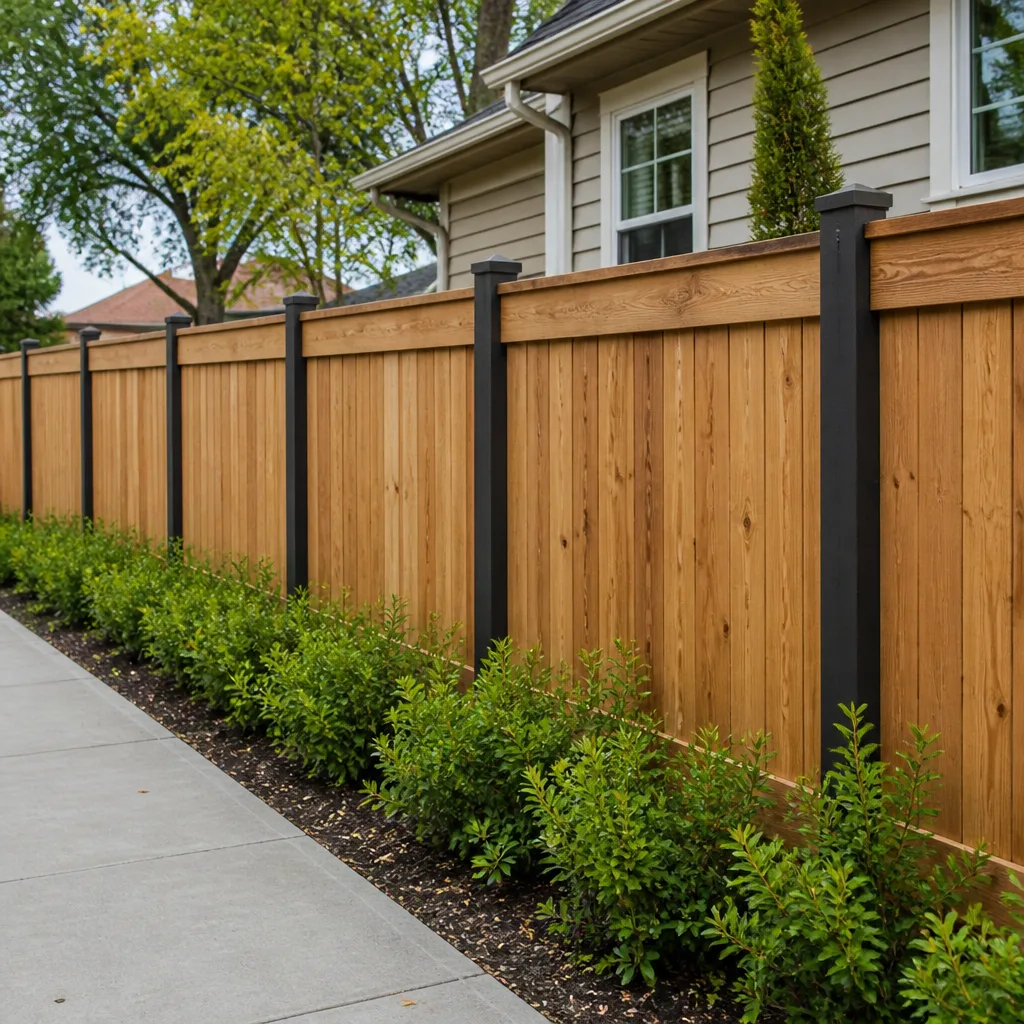 Fence
Free written scope consultation - allowances, timeline, and change-order rules on paper before a single trade is scheduled
Seasonal Construction Care for Lancaster: Year-Round Homeowner’s Guide
Lancaster recorded 32 days above 100°F in a recent summer and then dipped below 20°F the following January. That’s a thermal swing of more than 80 degrees inside a single calendar year, and it cracks caulk, blows out expansion joints, and splits improperly sealed stucco on homes all over the Antelope Valley. Most maintenance calendars you’ll find online were written for a temperate coastal climate that doesn’t exist here. This guide builds a realistic quarterly checklist around Lancaster’s actual weather, the two things that damage local homes most (summer heat load and winter freeze-thaw), and the permit windows worth planning around.
Quick Answer
In Lancaster, your home’s maintenance year splits into two real threats: heat load from May through September and freeze-thaw movement from December through February. The highest-value months to act are late spring (seal stucco, service the roof, clear attic ventilation before June) and early fall (start permitted projects before the building department backlog hits). Homes here also need winter-specific prep that coastal guides skip entirely, including pipe insulation and evaporative cooler winterization.
Styles & brands we work with
- Kitchen remodeling
- Bathroom remodeling
- Home additions & ADU
- Roofing
- Windows & doors
- Driveway & pavers
- Fence
Table of Contents
- Spring: Inspecting the Damage Winter Left Behind
- Pre-Summer: Roofing, Ventilation, and Stucco Sealing Before June
- Monsoon Season: What Late-Summer Storms Reveal About Your Drainage
- Fall Is Permit Season: The Window Most Homeowners Miss
- Winter Weatherization for High-Desert Homes
- Which Projects Fit Which Season in Lancaster
- Common Mistakes to Avoid
- When to Call a Professional
Spring: Inspecting the Damage Winter Left Behind
Spring in Lancaster isn’t about planting. It’s about reading the record of what the cold months did to your structure. Freeze-thaw cycles open seams, lift concrete, and stress the joints where materials meet. Walk your home with a notepad before you touch a thing.
The three places winter damage hides in Lancaster homes:
- Stucco cracking. Look for hairline cracks at corners, above windows, and along wall transitions. A crack wider than a credit card is telling you water is finding a path in, and a second winter will widen it.
- Exposed pipe joints. Check under sinks, in the garage, and anywhere a supply line runs along an exterior wall. A joint that didn’t burst this year may have been stressed and is now one cold snap from failing.
- Driveway heave. Soil movement lifts slabs, which means water now pools where it used to drain. Run a straightedge across your driveway and look for humps you can feel with your foot. Settled or heaved slabs on a paver or concrete drive usually point to sub-base issues that will keep worsening until the base is corrected. If you’re seeing this, Driveway & Pavers in Lancaster covers how a properly graded base gets built to survive our soil movement.
We’ve seen plenty of homes in the West Lancaster neighborhoods near the Antelope Valley Freeway where the spring stucco crack shows up first on the sun-facing wall, not the shaded one. Heat and cold team up on the same surfaces. Write down what you find by date. By June, you’ll want that list to compare against.
Pre-Summer: Roofing, Ventilation, and Stucco Sealing Before June
Here’s the one rule that matters before summer: coatings and sealers applied in July are already too late. Once surface temperatures push past 130°F on a roof deck, sealers flash-dry and stucco elastomerics skin over before they bond. Schedule this work in April or May.
Three pre-summer jobs, in order of impact:
Roof inspection and repair. Our summers are brutal on shingles, and the material matters. A GAF or CertainTeed shingle rated for high heat will outlast a bargain product by years. Have the flashing, valleys, and vent boots checked before the sun bakes them all day.
Attic ventilation. Poor attic ventilation pushes attic temperatures upward of 150°F in Lancaster summers, which cooks shingles from underneath and shortens roof life. Check that your intake and exhaust vents aren’t blocked by insulation and that your ridge vent is clear.
Exterior paint and stucco sealer. Elastomeric sealers need to go on before the surface gets too hot to bond. This is also the right time to spot-prime any bare wood you found during spring inspection.
One more pre-summer check: look at your windows and doors. Heat makes frames and seals work harder, and older single-pane units drive up cooling bills. If you’re replacing, Andersen and Marvin both make product lines that hold up to desert temperature swings. New windows and doors in Lancaster are a reasonable pre-summer investment because you’ll feel the difference in the first cooling season.
Monsoon Season: What Late-Summer Storms Reveal About Your Drainage
Late summer brings Lancaster’s storm events, and they don’t ease into the ground. When an inch of rain falls in twenty minutes, the water has to go somewhere, and older drainage grades weren’t designed for that load. Monsoon season is your home’s annual drainage test, and most homeowners read the results wrong.
What to check after the first significant rain, while the evidence is still wet:
- Where water pooled. Standing water in the yard, along the foundation, or at the base of a sloped drive is a grade problem, not bad luck. Note where it sat and mark the spot.
- Where gutters overflowed. An overflowing gutter sends water down the fascia and into the wall cavity. Check the downspout exits are pointed away from the house.
- Where soil washed away. Look for exposed roots or scoured channels in the landscaping. Erosion under a fence post or slab edge is a warning sign.
- Where the water entered. Any staining at the base of a stucco wall or around a window means water is getting behind the finish.
Older Lancaster properties sometimes have drainage grades that were fine for a smaller storm and now can’t keep up with a bigger one. If your fence line sits in a low spot, a solid perimeter helps, but the fence posts get undermined when water runs through. Fence Installation in Lancaster addresses setting posts and footings to hold through a storm season rather than shifting after the first big rain.
Fall Is Permit Season: The Window Most Homeowners Miss
Attitudes toward permits in Lancaster have shifted, and that’s a good thing. We still meet homeowners who were told by the last contractor they hired that a permit wasn’t needed for a room addition or a structural change. That’s the wrong answer, and a good general contractor will pull the permit and see it through to a signed inspection.
Here’s what most people don’t plan around: the holiday backlog. If you want a permitted project started in the cooler months, get your application in during autumn. October and November are the best window in Lancaster to file, because the building department loses breathing room between Thanksgiving and the new year.
Projects that benefit from a fall filing:
- Room additions and ADUs. Larger scopes with a longer approval runway. Filing in fall gives you a realistic start early in the new year without sitting in the holiday queue.
- Reroofs. Fall temperatures are easier on installation crews and materials than July.
- Kitchen and bath remodels. If you’re planning a kitchen with KraftMaid cabinets, Silestone counters, or Kohler and Moen fixtures, lead times on finishes are real. Filing the permit in fall keeps the schedule honest.
If you’re weighing an addition, Home Additions & ADU in Lancaster walks through the scope and permit process. Every eligible job should have the permit pulled and the inspection signed, because the inspector works for you, not for us.
Winter Weatherization for High-Desert Homes
Lancaster winters drop below 20°F, and that’s cold enough to burst an uninsulated pipe in a single bad night. Coastal weatherization advice doesn’t fit here. High-desert homes need their own winter prep, and the time to do it is before the first hard freeze warning, not the morning after.
The high-exposure items on a Lancaster home:
- Pipe insulation. Any supply line running along an exterior wall, in the garage, or through an unheated space needs foam insulation sleeves. Check the joints and elbows where frost first forms.
- Garage door seals. A worn bottom seal lets wind and cold under the door and can freeze a pipe in the garage. Run your hand along the seal and look for daylight.
- Evaporative cooler winterization. If your cooling comes from a swamp cooler, shut it down properly: drain the water pan, cover the unit, and seal the duct opening so cold air doesn’t pour back into the house through the vent.
- Exterior faucets and hose bibs. Disconnect hoses, drain, and insulate the bib.
- Exposed wood. Seal any unpainted wood trim or fascia before the freeze-thaw cycle starts to split it.
- Gutters and downspouts. Clear the leaf load so winter rain can drain instead of backing up behind a dam of debris.
If your attic or crawl space is poorly insulated, this is the season to correct it. Cold rooms in winter and hot rooms in summer often come back to the same attic venting and insulation gap.
Which Projects Fit Which Season in Lancaster
The season drives the schedule for every job, and matching the scope to the calendar saves you money and frustration. Here’s how we think about it:
- Spring (March-May): Inspections, stucco repair, sealer and paint application, drainage corrections, fence repair.
- Pre-summer (April-May): Roofing, attic ventilation, window and door replacement, exterior painting. All must be done before the heat peaks.
- Late summer (July-September): Some finish work and interior projects are easier to run indoors during storm season. Storm damage repair.
- Fall (October-November): Permit filings for additions, ADUs, and remodels. Reroofs. Kitchen and bath remodels before the holiday rush.
- Winter (December-February): Interior remodels, weatherization, garage door seals, evaporative cooler shutdown.
One project stays on the schedule year-round: an interior bath or kitchen remodel spends most of its life inside the house, so winter weather is less of a factor than you’d think. Finish selection, though, is where a remodel lives or dies. Named brands you can look up, like a Silestone counter or Moen bath fixtures, let you compare and verify before you commit. That’s the point of naming them.
Common Mistakes to Avoid
- Sealing a roof or stucco in July. Sealers need cooler surface temperatures to bond. A job done at the wrong time looks fine for a year and fails early.
- Assuming a hairline stucco crack will close itself. It widens with every freeze-thaw cycle. Anything wider than a card deserves a look before fall.
- Skipping the pre-summer attic check. A blocked ridge vent or insulation smothering the intake runs attic temperatures past 150°F and shortens roof life.
- Letting a monsoon storm reveal a grading problem you ignore. That puddle against the foundation is a message. Fix the grade before the next rain finds the same seam.
- Filing a permit application in December for a spring addition. You’ll sit in the holiday backlog. File in fall instead.
- Leaving the swamp cooler uncovered through winter. An open duct lets cold air into the house, which makes your furnace work harder and can freeze a line.
- Trusting a “don’t worry about the permit” contractor. If a project requires a permit and none is pulled, the roof is on your side of the risk. The inspector works for you.
When to Call a Professional
Most seasonal maintenance you can do yourself. But a few situations call for a trained crew, and it’s worth knowing where the line is. Call a professional for anything structural: a stucco crack that’s widened or runs diagonally, a driveway that’s heaved more than the width of your thumb, water entering a wall, a roof that’s missing shingles or showing granules in the gutter, and any electrical or gas work tied to a remodel. High-tension work, roof-height work, and anything behind a wall belongs to someone trained and insured to do it. Barrett & Sons Construction Lancaster offers free estimates in Lancaster – call (888) 427-1810. Every estimate is a written scope, and any price change comes to you as a change order before the work proceeds.
If you’re planning a renovation alongside seasonal care, grouping the work helps. That’s where our crew can save you a trip, whether it’s a Barrett & Sons Construction Lancaster home overview or a specific project page. Every job we complete carries a 90-Day Done Right Promise in writing – if something isn’t right, the same crew comes back and fixes it.
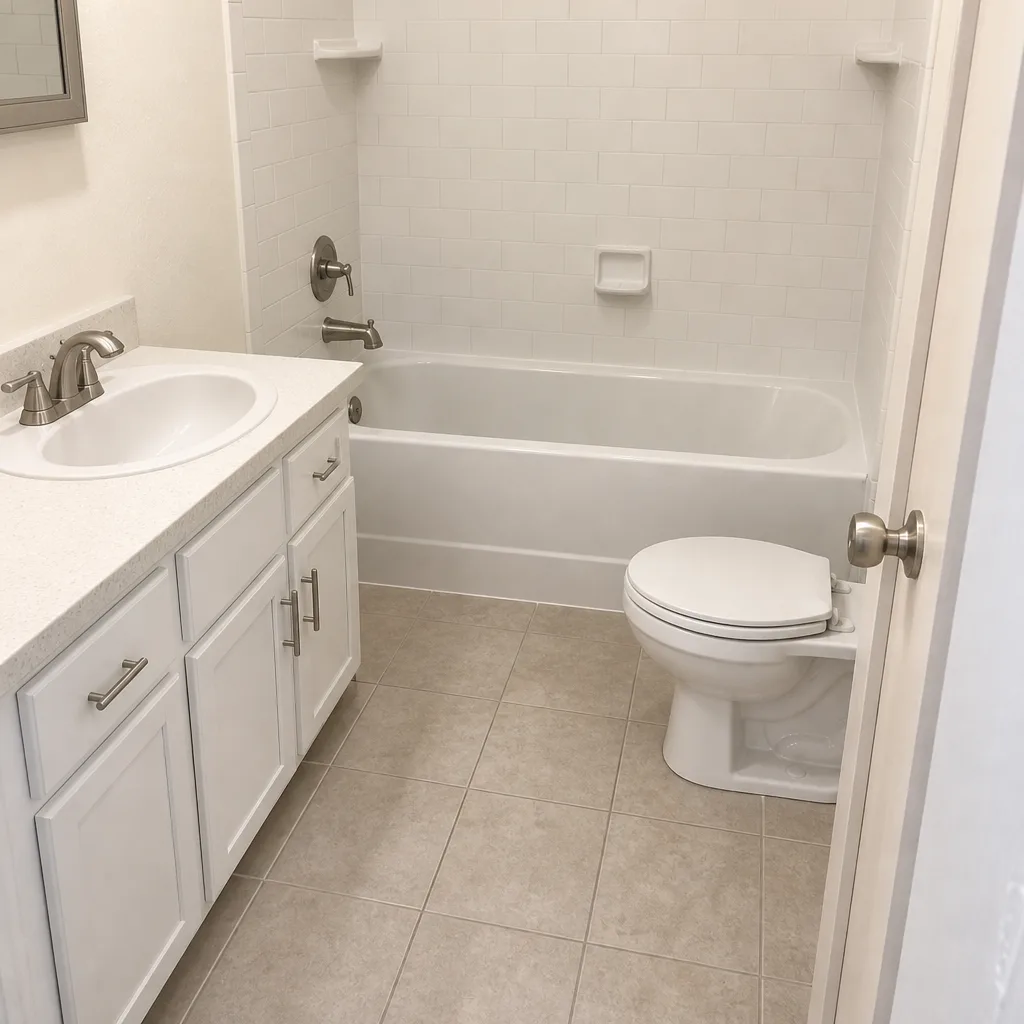
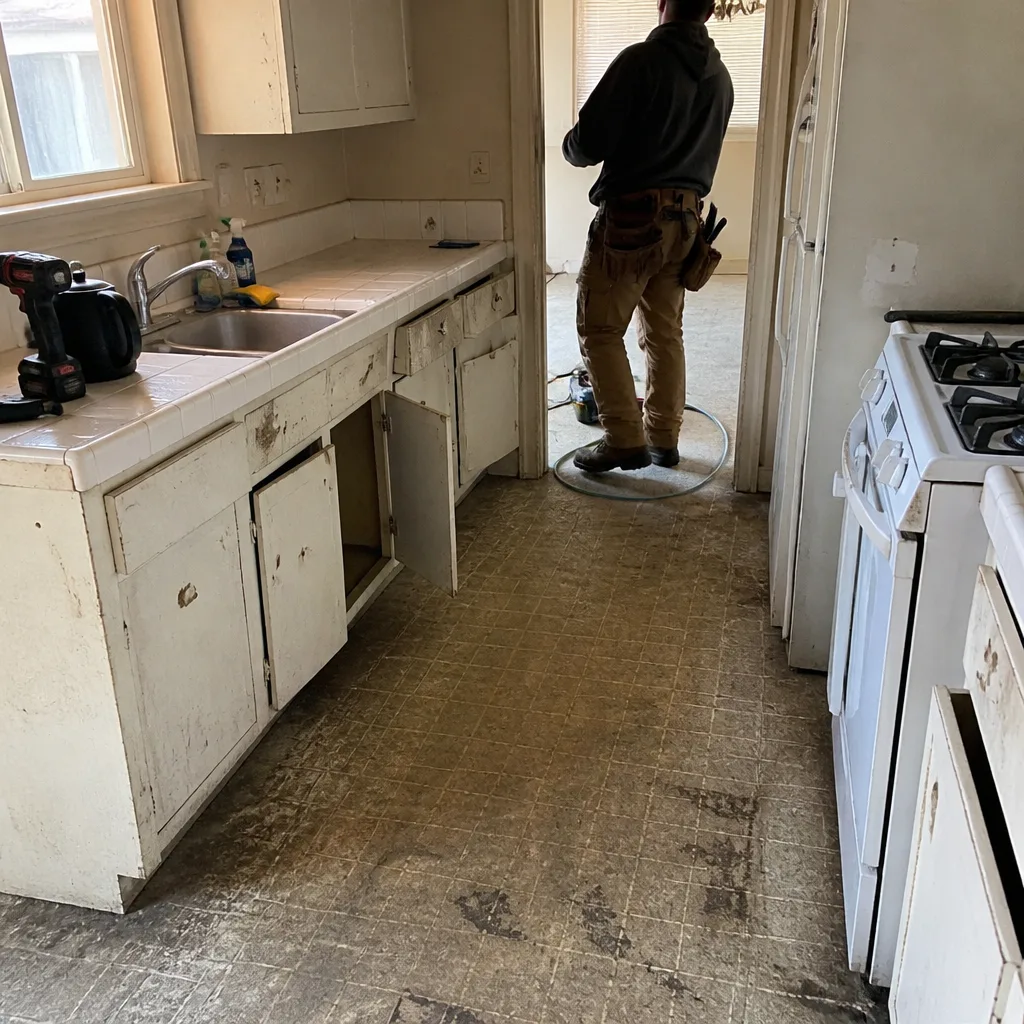
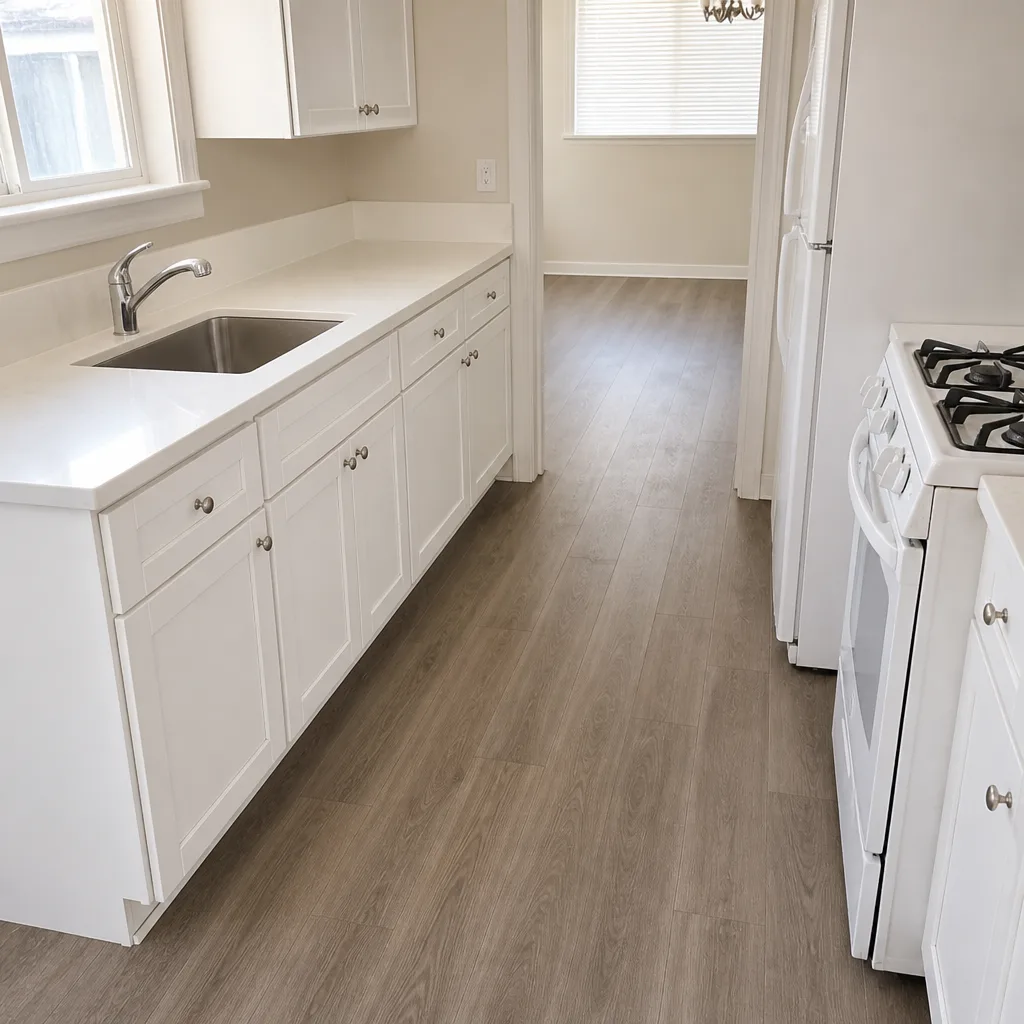
See the difference
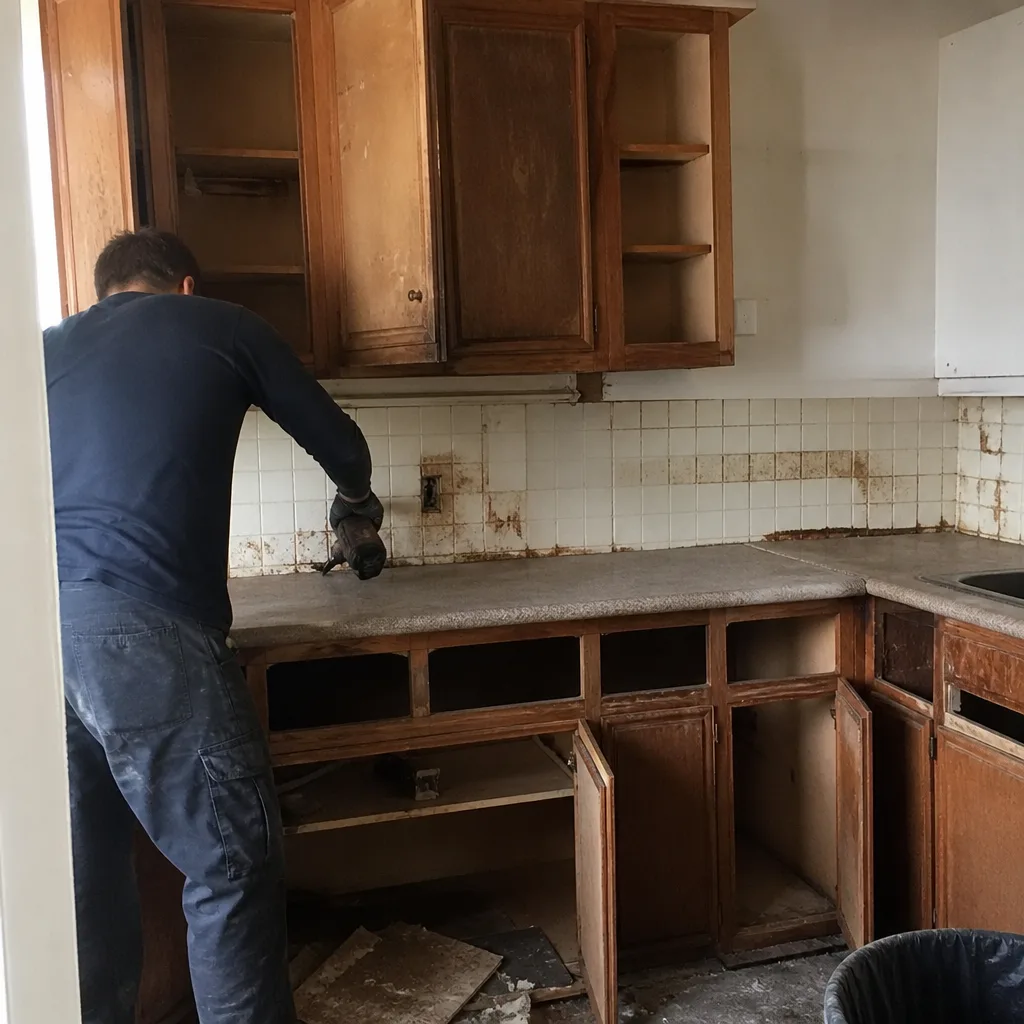 Before
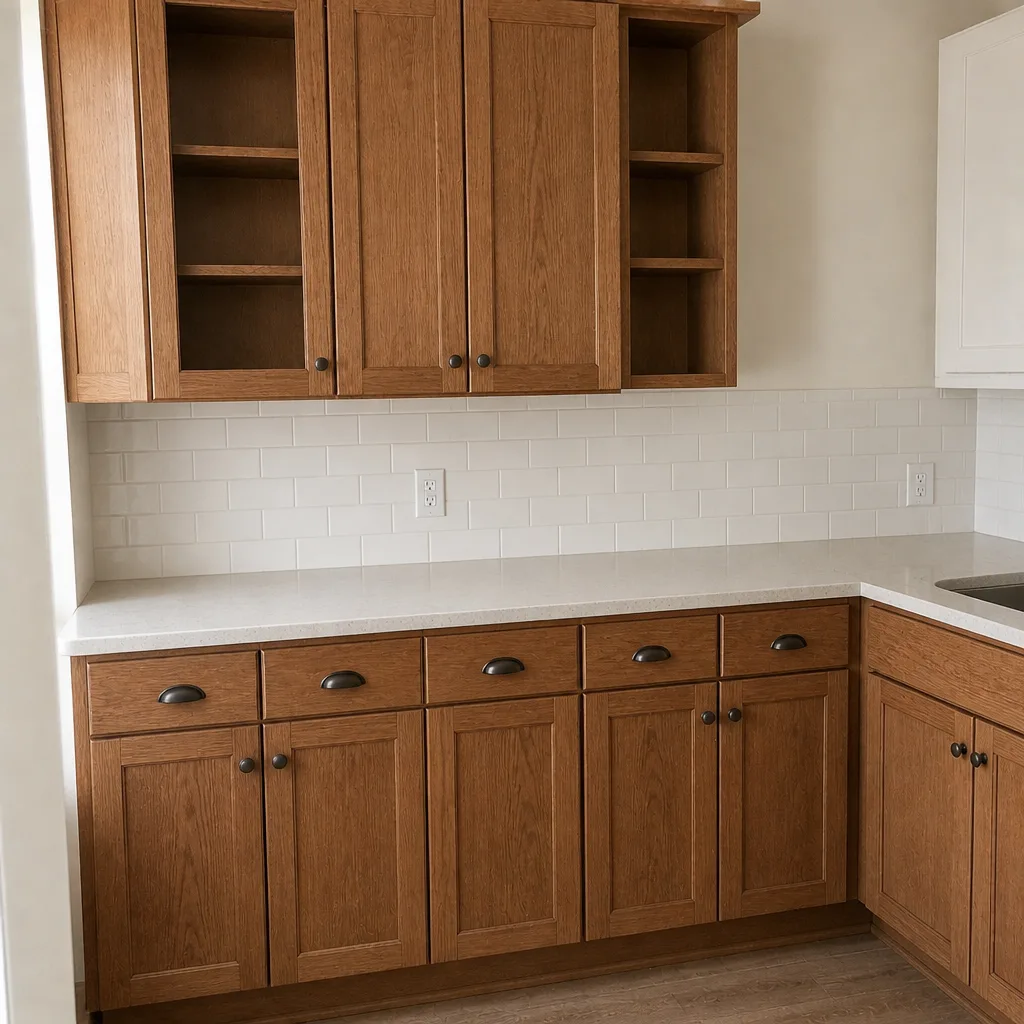 After
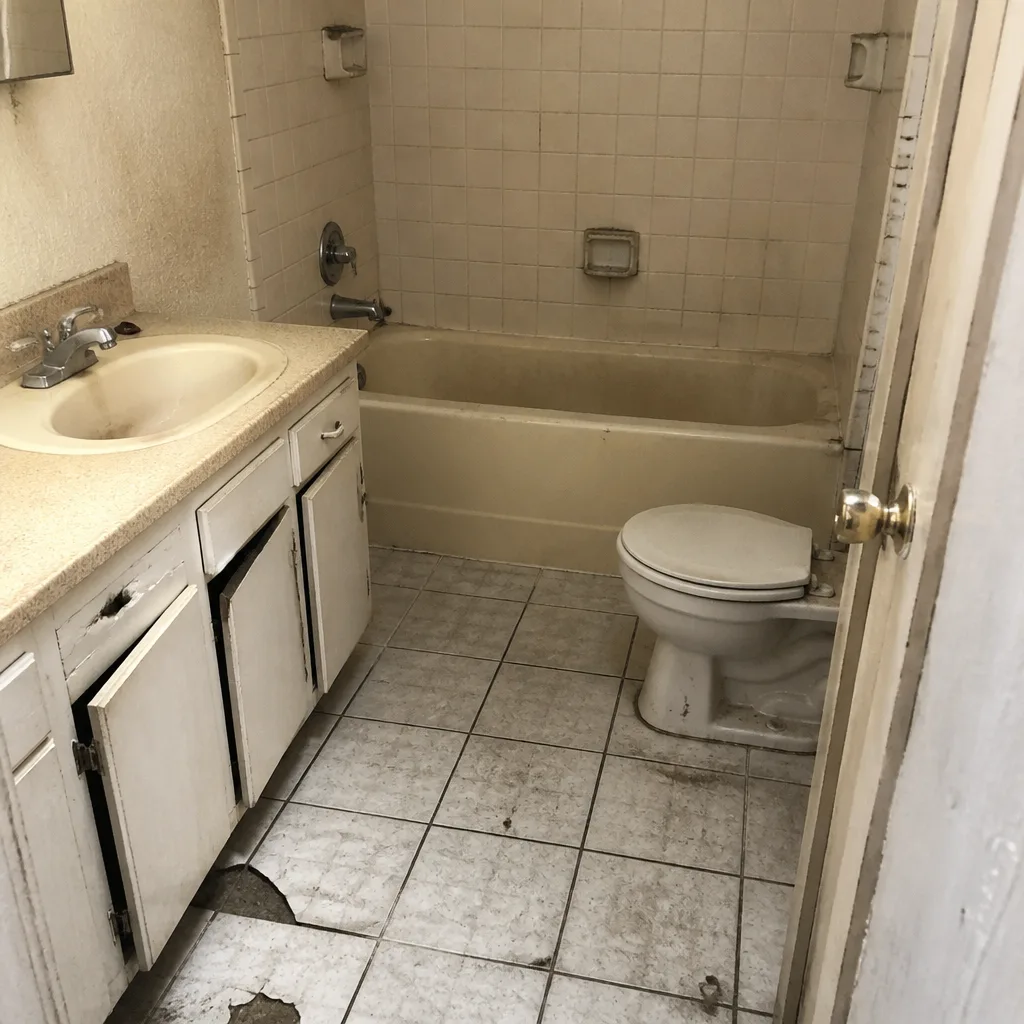 Before
 After
 Before
 After
Frequently Asked Questions
Schedule stucco sealing in April or May, before the June heat arrives. Once surfaces push past 130°F, elastomeric sealers skin over before they bond, and the job you paid for fails within a year. Call for a free estimate to get it on the calendar before summer.
Yes, a room addition typically requires a permit and a signed inspection in Lancaster, and a good contractor pulls it for you. Filing in fall avoids the holiday building-department backlog for a winter or spring start. Call for a written scope that includes the permit in writing.
Driveway heave in Lancaster comes from soil movement driven by freeze-thaw cycles, plus a sub-base that wasn’t built to handle it. Water pools where the slab lifts, and the problem keeps worsening until the base is corrected. A written estimate will tell you whether repair or replacement is the right call.
Shut down an evaporative cooler by draining the water pan, covering the unit, and sealing the duct opening so cold air doesn’t pour back into the house. Do this before the first freeze warning draws near. If you’re not comfortable handling the shutdown yourself, call us and we’ll walk you through it.
Check flashing, valleys, and vent boots before summer heat bakes them, and confirm your attic intake and ridge vents are clear. Poor attic ventilation can push attic temperatures past 150°F and cook shingles from underneath. Schedule a roof inspection in April or May, and call for a free estimate.
No. Fall is actually the best window to file a permitted remodel in Lancaster, because you get ahead of the holiday building-department backlog. A kitchen with KraftMaid cabinets or Silestone counters takes real lead time on finishes, so filing in fall keeps the schedule honest. Call for a free estimate and written scope.
The Bottom Line
Lancaster’s climate writes its own maintenance calendar, and the two things that hurt local homes are summer heat load and winter freeze-thaw movement. Spring is for finding what the cold left behind: stucco cracks, exposed pipe joints, driveway heave. Late spring is for the roofing, attic ventilation, and sealer work that only bonds before June. Then monsoon season tests your drainage, fall opens the permit window before the holiday backlog, and winter is for weatherization and interior remodels. Get the sequence right and your home holds up to both ends of the thermometer. Barrett & Sons Construction has been serving our local communities for over 29 years with permits pulled, written change orders, and crews Tom Barrett’s sons stand behind – call (888) 427-1810 for a free estimate.
Written by the team at Barrett & Sons Construction Lancaster.