
Last updated November 17, 2026
 Driveway & pavers
 Kitchen remodeling
 Bathroom remodeling
 Home additions & ADU
 Roofing
 Windows & doors
 Fence
Free written scope consultation - allowances, timeline, and change-order rules on paper before a single trade is scheduled
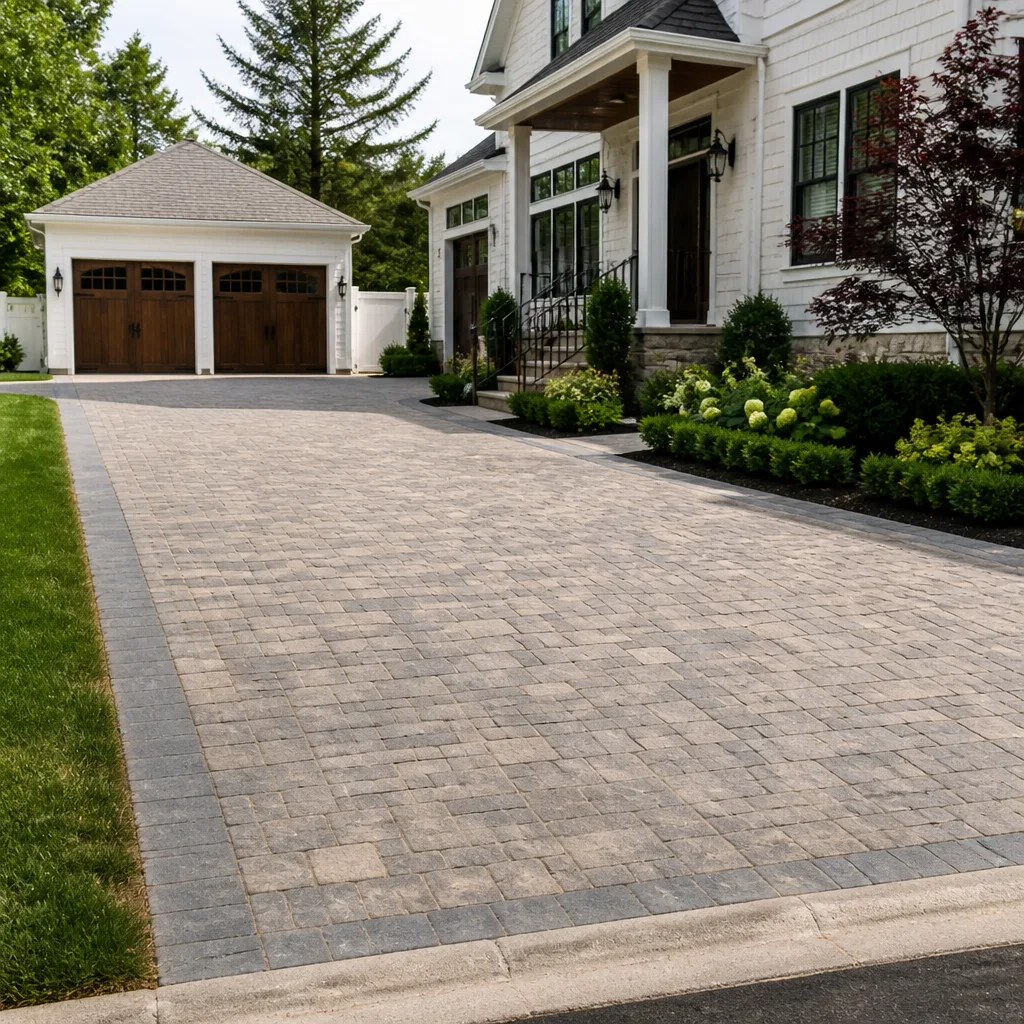
Driveway & Pavers Maintenance Checklist for Lancaster Homeowners
Most of what you read about paver care was written in a place where summer UV tops out around 7. Manchester, maybe. Portland. Those guides leave out the thing that matters most in Lancaster: our UV index regularly hits 11 from May through August, and that kind of sun eats standard polymeric sand joints in as little as two years without the right sealer. Lancaster sits on ground that punishes pavers from both ends – blazing summers on top, caliche and clay heaving underneath in winter. This checklist gives Lancaster homeowners a month-by-month plan built for the Antelope Valley’s specific abuse, plus the signs that separate a weekend sand-and-seal from a job that needs lifting and re-bedding.
Quick Answer
Plan on three maintenance touchpoints a year in Lancaster: a spring inspection for UV and heat-expansion damage (check joints, edge restraints, and sealant), a fall re-sanding before winter freeze cycles get into the joints, and a mid-summer spot check after triple-digit heat. Most Lancaster paver driveways need a full re-sand every 2-3 years and a UV-stable sealer reapplication every 3-5 years – not the 5-7 years the standard manufacturer guide suggests.
Styles & brands we work with
- Kitchen remodeling
- Bathroom remodeling
- Home additions & ADU
- Roofing
- Windows & doors
- Driveway & pavers
- Fence
Table of Contents
- Why Lancaster Pavers Age Faster Than the Care Guide Says
- The Spring Inspection Checklist: UV and Heat-Expansion Damage
- How Caliche and Clay Heave in Winter (and the Surface Signs to Read)
- The Correct Re-Sanding Schedule for High-UV Desert Living
- Which Sealers Hold Up in Lancaster and Which Chalk Out
- DIY Sand-and-Seal vs. Lifting and Re-Bedding Pavers
- A Month-by-Month Maintenance Plan for Lancaster
Why Lancaster Pavers Age Faster Than the Care Guide Says
Three forces hit a paver driveway in Lancaster at the same time, and most care guides only account for one of them. The first is UV. Our elevation runs about 2,300 feet, the air is dry, and the sun comes through it with very little filtering. That UV load breaks down the polymer binder in ordinary polymeric sand – the joints go chalky, then friable, then they wash out in the first real rain. Standard polymeric sand is formulated to last 5 to 7 years in a mild climate. Around here, without a UV-stable sealer on top, we see failures at the two-year mark on west- and south-facing driveways.
The second force is heat expansion. Pavers on a Lancaster driveway can hit 140-150°F surface temperature in July. Every paver expands and pushes against its neighbor, and that pressure has to go somewhere. It goes to the edge restraints first. When a plastic edge restraint softens in the heat or pulls its spikes, entire field pavers start creeping toward the street or the garage apron. That creeping opens the joints that the sun is already eating, and the whole cycle accelerates.
The third force is the ground itself. Much of Lancaster sits on caliche – a densely cemented calcium carbonate layer that acts almost like bedrock in dry weather and turns spongy when it finally gets saturated. Above that is expansive clay that swells and shrinks with moisture swings. When the base under a paver driveway shifts, the pavers move with it, and you get the trip hazards and ponding that pass the point of simple maintenance.
Belgard and Techo-Bloc pavers are built for this abuse far better than the entry-level product you see at the big-box store, but they still need the right joint sand and sealer to survive Lancaster. If you’re still selecting a product for a new driveway, our Driveway & Pavers in Lancaster page walks through the base prep that matters more than the paver choice.
The Spring Inspection Checklist: UV and Heat-Expansion Damage
Spring in Lancaster – usually April into early May – is the best window to catch damage before the UV grind starts again. Walk your driveway with this list and don’t skip the boring items. The small signs are the ones that save you money.
- Walk the perimeter of the edge restraints. Look for pavers that have slid 1/4 inch or more out of line along the garage apron or the street edge. That movement means the restraint has lost its grip or softened in last summer’s heat.
- Probe the joint sand with a screwdriver. If you can push the tip in more than about 1/4 inch, the sand has lost its binder and the joint is no longer protecting the base.
- Check for chalky white or gray powder on the paver surface. That’s efflorescence from joint sand breaking down, and it’s an early warning that the sand is failing.
- Pour a bucket of water on a slope paver section. If it pools instead of draining within a minute, the joint channels are clogged or the base has settled.
- Look at the joints on the south and west sides first. Those faces take the most UV; if the sand is failing anywhere, it will fail there first.
- Press down on suspicious pavers. A rock or teeter means a void underneath – the base is moving, not just the joint.
If you find edge restraint movement or a teetering paver, mark it with a piece of blue tape and don’t just re-sand over it. Re-sanding hides the problem until winter. In our experience, Lancaster driveways that need edge work in spring are almost always showing base movement that a lift-and-rebed resolves; a sand-and-seal alone will fail again by August.
How Caliche and Clay Heave in Winter (and the Surface Signs to Read)
Lancaster winters aren’t long, but the freeze cycles between roughly December and February are enough to move expansive clay. Water gets into the subgrade through failing joints or a missing sealer, the clay swells, the pavers lift in a slight crown, and the next warm stretch lets the clay shrink back – but the pavers don’t always come back to their original place. Do that two or three winters in a row and you have a wavy driveway that’s no longer flat enough to be safe.
Caliche complicates it. Caliche doesn’t drain like normal soil; it holds water at the surface when it’s saturated and refuses to pass it down. If your paver base was cut into caliche without proper drainage correction, you’ll see moisture sit under the pavers longer than it should, and that steady moisture accelerates the heave.
Here are the surface signs that the base – not just the joint – is shifting in a Lancaster driveway:
- A visible crown or dish in a long straight run. Set a 10-foot straight edge across the pavers; more than a 3/8-inch dip or rise over 10 feet suggests base movement.
- Ponding that gets worse each year. Small dips that appear in the same place every winter are a base symptom.
- Stepped pavers where two rows meet. A 1/8-inch step is cosmetic; a 1/4-inch step is a trip hazard and a base problem.
- Settlement around the garage apron or the street edge. Transition zones are where base failure shows up first in Lancaster.
- Pavers that sit loose but look fine. Loose pavers with intact joints mean the base under them has lost contact with the paver face.
When you see caliche-related heave, the fix isn’t more sand. It’s lifting the affected field, correcting the base and drainage, and re-setting the pavers – a job that’s often easier to get right if our crew does it, because the compaction and the drainage correction have to happen before the pavers go back. We see this pattern most in Lancaster driveways where the original base was cut shallow and the caliche was never broken up.
The Correct Re-Sanding Schedule for High-UV Desert Living
The manufacturer’s recommendation on most polymeric sand bags says “every 5 to 7 years.” In Lancaster that number is closer to every 2 to 3 years, and 2 years on west- and south-facing driveways exposed to full afternoon sun. The math is simple: UV breaks down the polymer that binds the sand, and our UV load shortens that life by more than half.
Here’s the re-sand schedule we recommend for Lancaster homeowners, adjusted for orientation:
- Full-sun west or south driveway: Check every spring, re-sand every 2 years, and top up failed joints each fall.
- Shaded or north-facing driveway: Re-sand every 3-4 years, with mid-summer spot checks.
- New install (first 2 years): Inspect every 6 months. The base is still settling and any joint that opens early needs to be caught before it channels water.
- Any driveway with visible joint failure: Re-sand before the first freeze, not after. Winter water through open joints is what accelerates the base damage.
Do the re-sand in the morning on a cool day, not in July. Polymeric sand cured at 100°F+ sets too fast and weakens at the joint edge. If you’re not comfortable with the work, this is a reasonable job to have handled – our team has seen hundreds of Lancaster joints fail at the two-year mark on full-sun pavers, and we’ll tell you honestly whether your driveway is due for a re-sand or a base correction.
Which Sealers Hold Up in Lancaster and Which Chalk Out
Not every sealer survives Lancaster’s UV. The wrong product chalks out in a single summer, and then you pay for a costly strip and re-apply. Here’s the short version, sorted by what actually holds:
- Penetrating acrylic or siliconate sealers formulated with UV blockers. These soak into the paver face rather than sitting on top, so they don’t chalk. They also let moisture vapor escape, which matters on caliche and clay.
- Solvent-based acrylic sealers with UV stabilization. Good for a wet-look finish and for pavers with more color variation. The brand matters – look for a stated UV-stable formula, not a generic “acrylic sealer” on the shelf.
- Avoid water-based surface sealers labeled “mild climate” or “interior/exterior.” These are the ones that chalk out in one Lancaster summer. Once they chalk, they have to be stripped before anything else goes on.
- Avoid over-sealing. Two thin coats are right. Three-plus coats trap moisture, and in a freeze cycle that trapped moisture pops the sealer film off the paver in sheets.
Reapply a UV-stable sealer every 3-4 years in Lancaster; the manufacturer’s 6-8 year figure assumes a milder sun load. On a full-sun driveway, 3 years is realistic. A water bead test after a rain shows whether the sealer is still working – if water soaks in immediately, the sealer is gone.
DIY Sand-and-Seal vs. Lifting and Re-Bedding Pavers
Most Lancaster homeowners ask the same question: can I just re-sand and seal, or does this need a real fix? The honest answer comes down to what’s moving.
A sand-and-seal is the right call when the pavers themselves are stable – no teeter, no settlement, no edge creep – and only the joint sand has failed. That’s a weekend job with the right sand and sealer, and it’s a reasonable project to handle yourself if you take your time and follow the re-sand steps above.
Lift-and-re-bed is the right call when any of these are true:
- Pavers teeter or rock when you press on them.
- The edge restraints have moved 1/4 inch or more.
- You have visible settlement dips or crowns in a straight run.
- Any single paver has stepped 1/4 inch or more at the joint.
- Water ponds in the same spot every winter.
- You see movement near the garage apron or the street edge.
Each of those points to base movement, and covering moving base with fresh sand only hides the problem until the next freeze cycle. In our experience, about half the Lancaster driveways that fail first-summer are suffering from edge-restraint or base issues, not joint failures alone. If you’re not sure which you’re facing, have someone look before you buy sand – a mistake here costs a lot more than the sand. Our crew checks for a free second opinion on any written estimate, so a competing quote is fine to bring us; we’ll tell you which side of this line your driveway sits on.
A Month-by-Month Maintenance Plan for Lancaster
Here’s the calendar we recommend for Lancaster pavers. Pin it to the garage wall and use it as a reminder.
- January-February: After each freeze, walk the driveway and check for heave. Note any new trip steps.
- March-April: Full spring inspection (the checklist above). Re-sand any joint that’s failed. Address edge restraint movement now, not after summer.
- May: Apply UV-stable sealer if the driveway is due. Do it before the UV index hits 11.
- June-August: Spot-check joints on the south and west sides monthly. Sweep blown sand back into joints after wind events.
- September-October: Fall re-sand before the first freeze. This is the most important entry on the calendar for Lancaster.
- November: Clear all organic debris from the joints and the street edge so freeze water has somewhere to go.
- December: Re-inspect edge restraints; if any have moved, note them for the spring repair.
Pair this with the general exterior work on your property. If you’re also thinking about privacy and wind screening, our Fence Installation in Lancaster page covers the Antelope Valley wind and UV factors that matter there too.
Common Mistakes to Avoid
- Using standard, non-UV-stable polymeric sand. The two-year failure window in Lancaster is real. Spend the extra few dollars a bag on the UV-stable product.
- Re-sanding over a moving base. Fresh sand on a teetering paver looks fine for one season, then the joint fails again at the first freeze. Check for movement before you buy sand.
- Sealing too soon after installation. Wait at least 30-60 days so the pavers off-gas. Sealing a brand-new install is the single most common way to chalk a sealer film.
- Skipping the fall re-sand. The most damaging water enters a Lancaster driveway through open joints in winter, not summer. Fall is the important cycle.
- Piling sand over the edge restraint. Sand should sit in the joint, not against the edge. Sand against the edge holds moisture and rots the restraint faster.
- Choosing a sealer by price alone. A $30/gallon sealer that chalks in August costs three times more to strip and redo than a UV-stable product that lasts three winters.
- Ignoring tripping thresholds. A 1/4-inch step is a trip hazard. Fix it before it becomes an injury, not after.
See the difference
 Before
 After
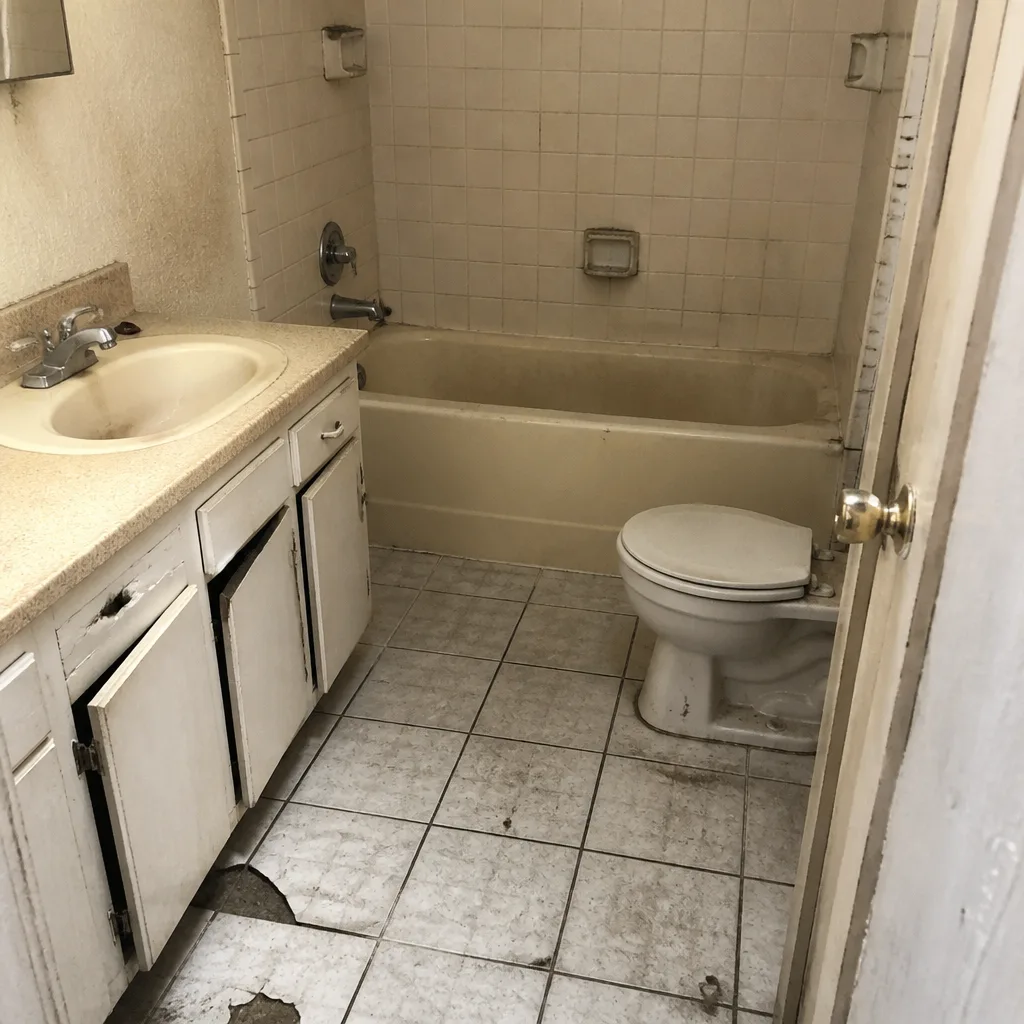 Before
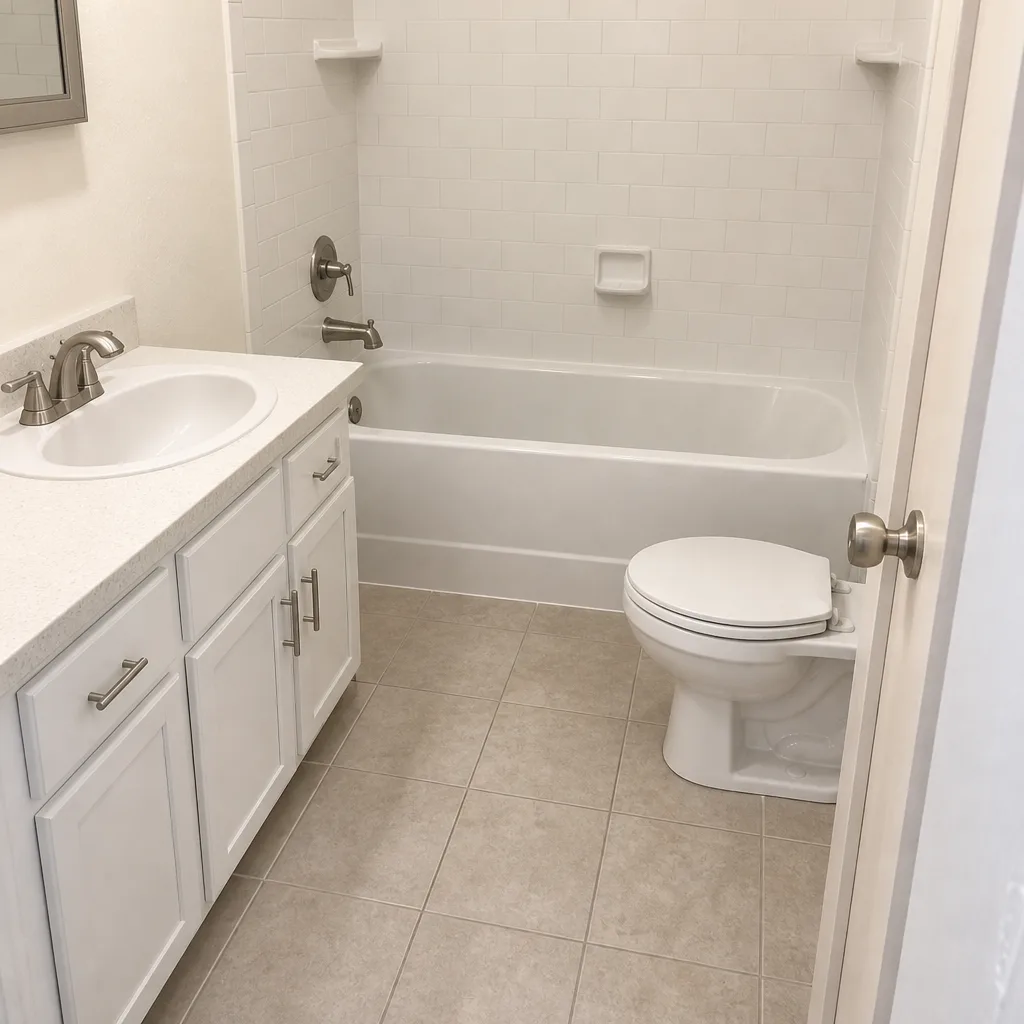 After
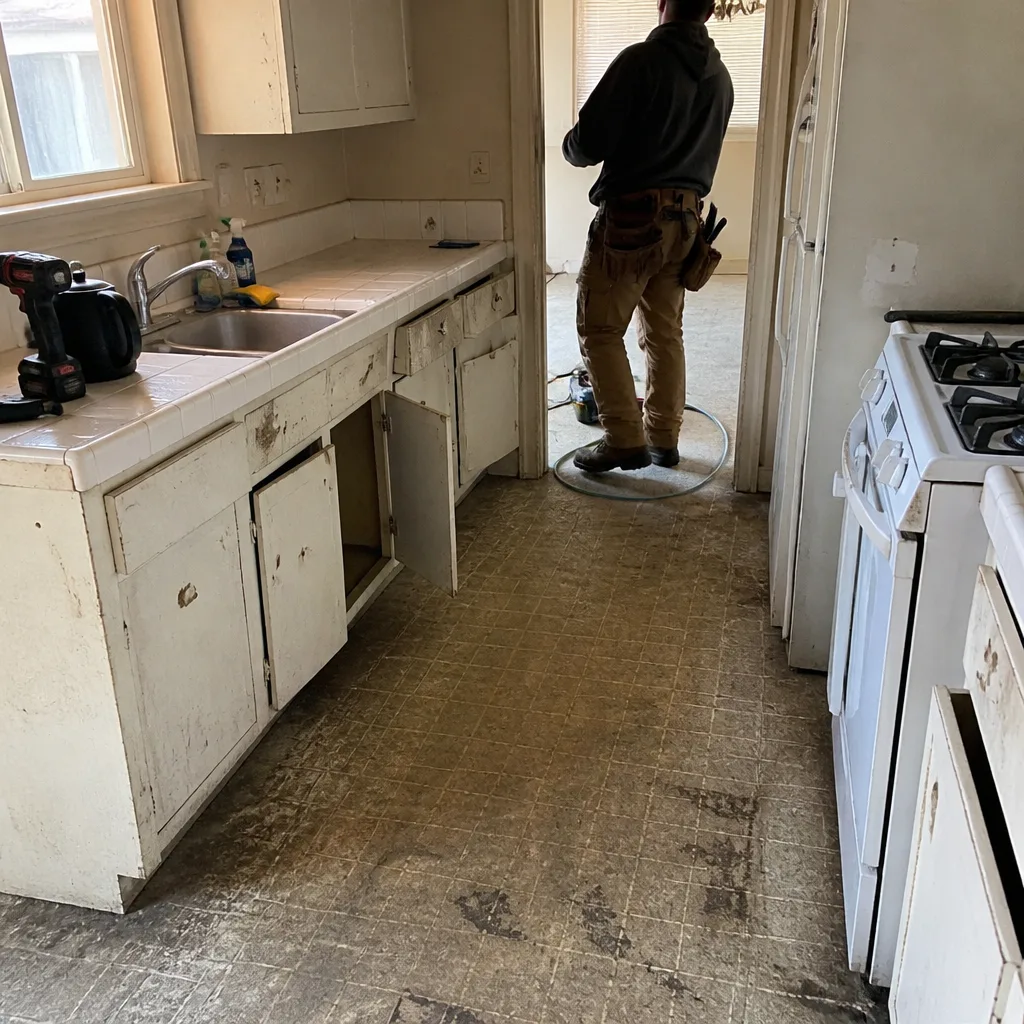 Before
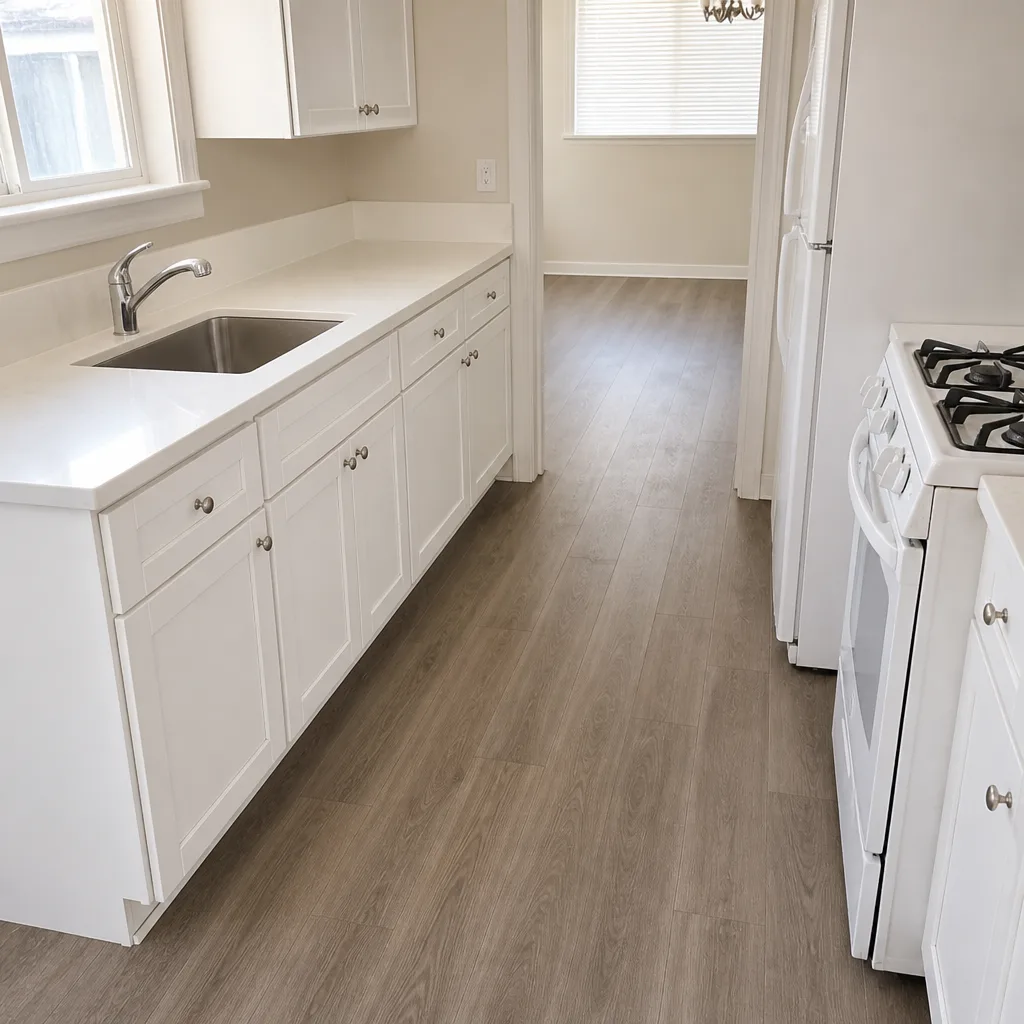 After
When to Call a Professional
Call a professional when you find edge restraint movement, teetering pavers, visible settlement dips, or any step 1/4 inch or more between pavers. These are base problems. Sand and a hose won’t fix them, and a DIY sand-and-seal on a moving base is money thrown away. Call before winter if the fall re-sand is showing open joints, and call before purchasing a new sealer if the old one is chalked or peeling, because stripping a failed sealer is a different job than applying a fresh one. If you’re planning a bigger exterior scope alongside the driveway – an addition, an ADU, or a full hardscape layout – our Home Additions & ADU in Lancaster page covers how pavers tie into footprint and drainage. Barrett & Sons Construction Lancaster offers free estimates in Lancaster – call (888) 427-1810 to schedule one, and we’ll tell you honestly whether your driveway needs a re-sand or a lift-and-re-bed.
Frequently Asked Questions
Every 2-3 years for most Lancaster driveways, and every 2 years on full-sun west- or south-facing pavers. The UV load here is about triple what standard care guides assume, so the manufacturer’s 5-7 year figure simply doesn’t apply. Re-sand in the fall before winter freeze cycles get into the joints.
Reapply a UV-stable sealer every 3-4 years, and every 3 years on full-sun faces. Look for a stated UV-stable formula, not a generic acrylic. A water bead test after rain tells you whether the sealer is still working – if the water soaks right in, it’s due.
You can seal a stable driveway yourself if there’s no teeter, no edge creep, and no settlement. If any of those signs are present, the sealer will just cover a base problem. If you’re not sure, call (888) 427-1810 for a free second opinion on any written estimate.
Caliche and expansive clay under the pavers. Water enters through failing joints, the clay swells, the pavers lift in a slight crown, and the next warm stretch lets the clay shrink but not always the pavers. A proper base with drainage correction fixes the cause; re-sanding alone won’t.
Not with us. Every scope, every allowance, and every price change arrives as a written change order before any work happens. No surprise invoices at the end.
We pull permits and sign inspections on every eligible job. Paver replacement over a failing base, drainage correction, and structural edge restraints often require permit – we’ll tell you at the estimate whether your scope qualifies. Call (888) 427-1810 with questions about your specific driveway.
The Bottom Line
A Lancaster paver driveway is not the same as a driveway in a mild-climate suburb, and care guides written for that climate will lead you wrong. Watch the joint sand every spring, re-sand in fall before the freeze, use only UV-stable sealers, and treat teetering pavers or moved edge restraints as base issues – because they are. Follow the month-by-month calendar above and you’ll get decades out of a well-built Belgard or Techo-Bloc driveway instead of fighting joint failures every two years. Barrett & Sons Construction Lancaster is proud to be the owner-operated, name-on-the-truck alternative for Lancaster homeowners – call (888) 427-1810 for your free estimate, and keep your driveway off the “sand it and hope” cycle for good.
If you’re planning the driveway alongside other exterior work, our Barrett & Sons Construction Lancaster home is a good starting point for the full picture.
Written by the team at Barrett & Sons Construction Lancaster.