
Last updated November 17, 2026
 Kitchen remodeling
 Bathroom remodeling
 Home additions & ADU
 Roofing
 Windows & doors
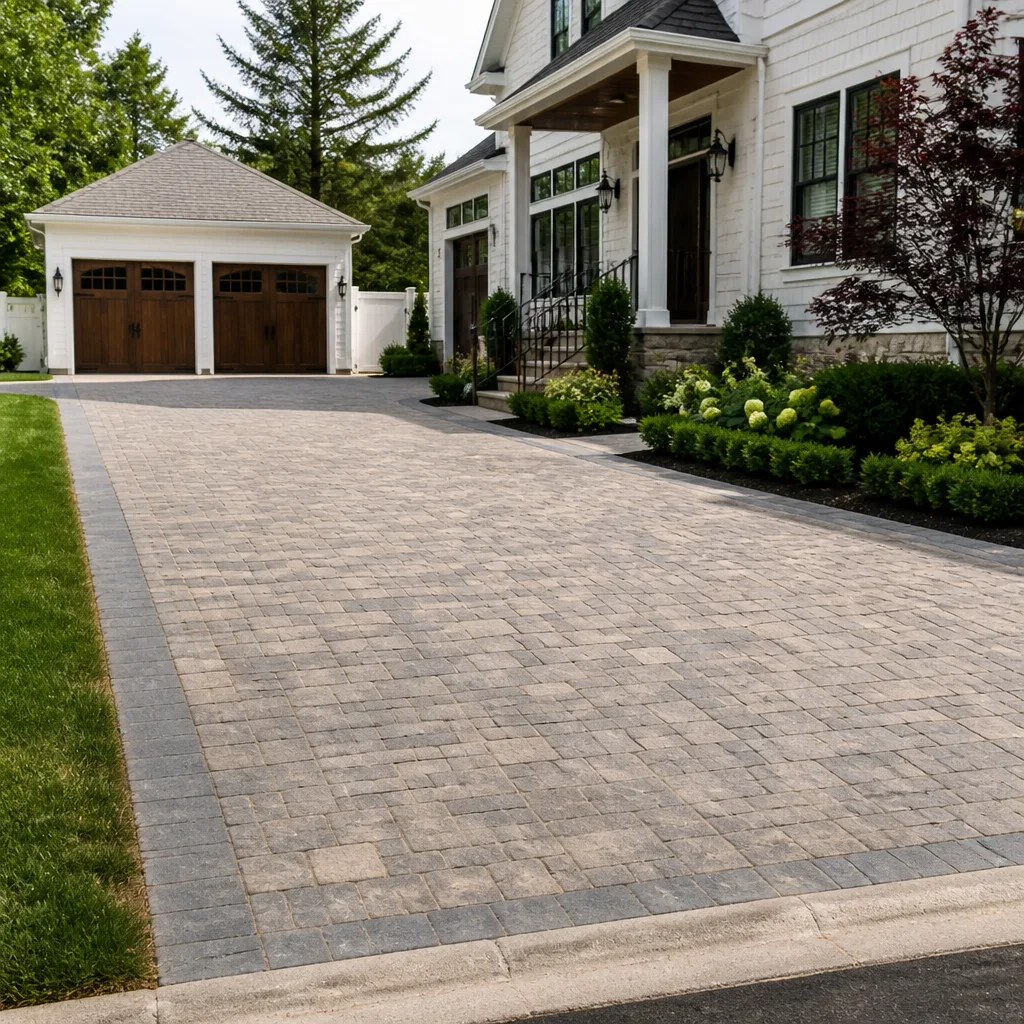 Driveway & pavers
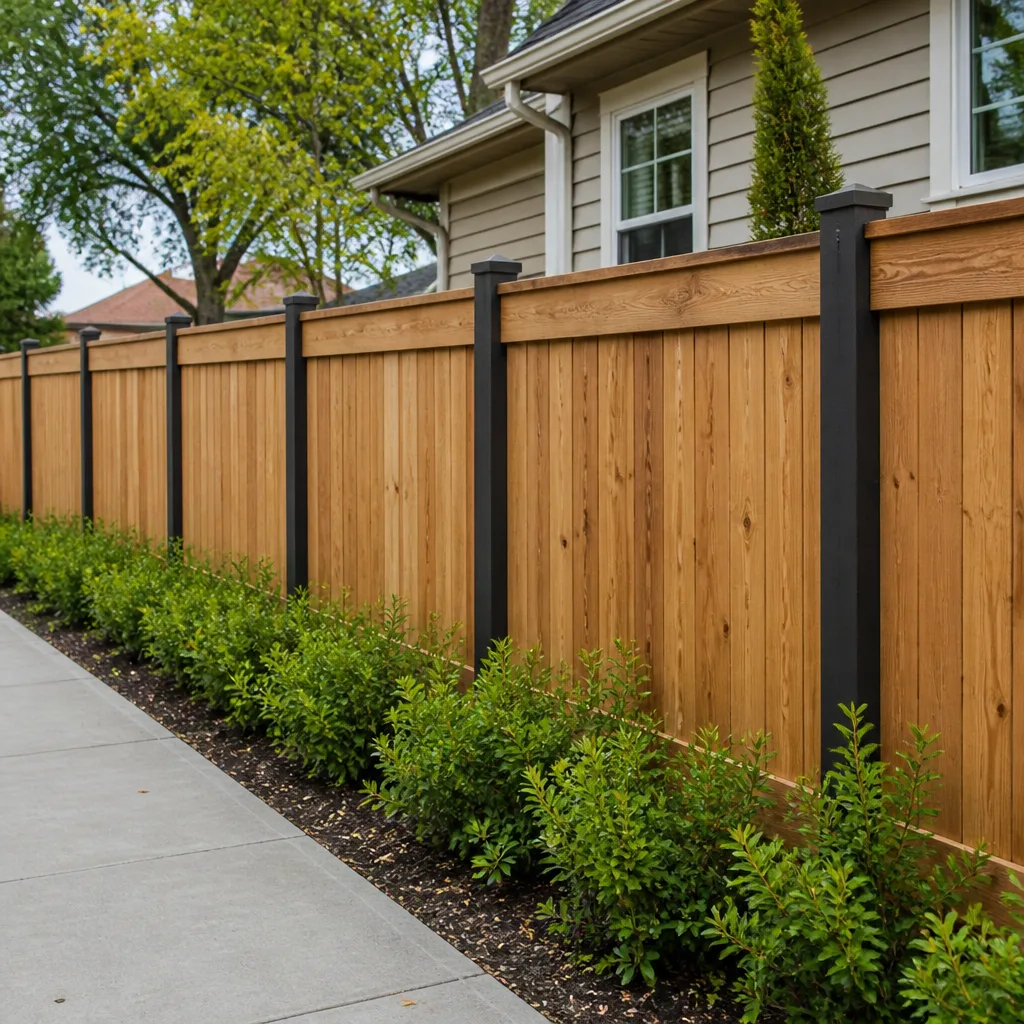 Fence
Free written scope consultation - allowances, timeline, and change-order rules on paper before a single trade is scheduled
How to Hire a Construction Contractor in Lancaster: A Step-by-Step Guide
The California Contractors State License Board logs tens of thousands of complaints most years, and a large share of them involve the same story: a homeowner signed a contract and handed over a deposit before anyone checked a license number or asked who would actually swing the hammer. In Lancaster, where wind, heat, and desert soil punish shortcuts faster than almost anywhere in California, those shortcuts get expensive by year two. This guide walks you through the exact vetting sequence we’d use on our own homes: license checks, contract clauses, payment schedules, and the red flags that repeat across the Antelope Valley.
Quick Answer
To hire a contractor in Lancaster, verify the license on the CSLB website before anything else, get every scope, allowance, and change order in writing, confirm whether the owner or a day-labor crew will show up, and never pay more than a modest deposit up front. The lowest bid is usually the one that plans to skip permits or substitute base materials.
Styles & brands we work with
- Kitchen remodeling
- Bathroom remodeling
- Home additions & ADU
- Roofing
- Windows & doors
- Driveway & pavers
- Fence
Table of Contents
- How do you verify a contractor’s license in under three minutes?
- What contract clauses actually protect you?
- Why is the lowest bid in Lancaster often the wrong one?
- Who actually shows up on your job?
- What does a legitimate payment schedule look like?
- Do you need a permit, and who pulls it?
- How does the Antelope Valley climate affect your project?
- Questions to ask before you sign anything
How do you verify a contractor’s license in under three minutes?
Go to the Contractors State License Board website, type in the license number, and look at the status. Three minutes, no account, no fee. This is the single most important step, and it’s the one homeowners skip most often because the contractor seemed friendly and the references checked out.
Here’s what the status codes mean and how to read them:
- Active – license is current and the contractor can legally work. This is what you want.
- Expired – the license lapsed. Do not sign anything until it’s renewed and active.
- Suspended or revoked – the board has intervened, usually for a reason. Walk away.
- Inactive – the contractor isn’t currently operating under that number. Ask why.
On the same page, check the classification. A general building contractor holds a B license, which covers most residential work. Specialty trades hold C-class licenses. Also look at the bond and workers’ compensation status. If the workers’ comp line says “exempt,” that usually means the contractor has no employees, which raises the question of who is showing up on your Lancaster job.
Finally, scroll to the complaint history. One complaint in twenty years means little. A pattern of judgments or arbitration awards tells you how the contractor handles disputes when the work goes sideways. If a contractor’s name, license number, and physical address aren’t published anywhere you can find them, look them up anyway. Anyone who won’t hand you those three pieces of information before you commit is telling you something.
What contract clauses actually protect you?
A construction contract in Lancaster is a legal document, not a handshake with some typed pages stapled to the back. The clauses below are the ones that determine whether you have recourse when the job goes off plan. If a contractor pushes back on any of them, that’s information.
- Written change orders before work proceeds. Every scope change, every allowance adjustment, every price change should arrive as a signed change order before a single nail moves. Verbal approvals are how surprise invoices happen. An allowance that isn’t on paper is a surprise waiting for a date.
- Line-item scope and allowances. The contract should break out materials, labor, permits, and disposal separately. “Kitchen remodel: $28,000” is not a scope. It’s a number that invites interpretation.
- Payment tied to milestones, not calendar dates. You should never pay for work that hasn’t happened yet. More on this below.
- Who pulls the permit. The contract should state in writing that the contractor pulls all required permits and schedules inspections. If permits aren’t mentioned, assume they’ll be skipped.
- Start and completion dates. Real dates, not “TBD.” Weather delays in the high desert are a legitimate reason to adjust, but a written schedule is still the baseline.
- Written warranty terms. Ask what happens if something fails at day 60. A real warranty is written into the contract, not explained verbally at the walkthrough.
If a contractor resists putting changes in writing, ask them directly why. There’s no good answer. The most common one we hear is “we’ve always done it this way,” which usually means the homeowner was left holding the difference.
Why is the lowest bid in Lancaster often the wrong one?
The lowest bid isn’t the lowest price. It’s the one where the number on the contract doesn’t match the number on the invoice, or the one where the number is real but the materials aren’t. In the Antelope Valley market, low bids tend to come from one of three places.
- Permits skipped. A permit costs money and requires an inspector to sign off. The cheapest way to cut a bid is to leave it off entirely and hope the homeowner doesn’t notice. When you sell the house, unpermitted work becomes your problem.
- Base materials swapped. Roofing underlayment, fence posts, window flashing, and paver base are the invisible layers. Cutting corners on any of them shows up in two or three years, usually after the contractor’s gone. A bid that installs a named brand like GAF or CertainTeed is telling you something a bid that just says “premium shingles” isn’t.
- Labor misclassified. If the quote is 30% below the next bid, ask how the crew is paid. Unlicensed day labor working under someone else’s license is a liability transfer to you if someone gets hurt on your property.
Compare three bids side by side, but compare the scope line by line, not the bottom number. A bid that’s $4,000 higher but includes permits, a named underlayment, and a written warranty is usually the cheaper one when you do the math over ten years.
Who actually shows up on your job?
Ask every contractor you interview: who will be on my property, and are they your employees, your subs, or day labor?
This matters for three reasons. First, background checks. Second, insurance. Third, accountability. If the person who quoted the job never returns to the property, the punch list gets handed to someone who has no stake in the outcome.
In our experience working Lancaster neighborhoods from the Antelope Acres rural parcels out to the Quartz Hill edges, the jobs that go smoothly are almost always the ones where the same crew finishes what it started. When you’re talking to a contractor, ask directly:
- Are your crew members background-checked?
- Do they carry your name and wear identifying clothing on site?
- Is the person who quoted the job the same person running the crew?
- If a subcontractor is used, are they licensed and insured separately?
- Will I have one point of contact for the whole job?
A contractor who answers all five without hesitation is telling you how they operate. One who deflects is telling you something else.
What does a legitimate payment schedule look like?
California law caps the upfront deposit on most home improvement contracts at 10% of the contract price or $1,000, whichever is less. That’s the ceiling, not a target. A contractor who asks for 50% up front is asking you to fund their materials and payroll on your credit.
A sound payment schedule looks roughly like this:
- Deposit – 10% or less, at signing.
- Rough-in milestone – payment tied to a completion stage you can see, inspected if permits apply.
- Substantial completion – the bulk of the payment lands here, after most of the work is done.
- Final payment – 10-15% held until the punch list is signed off and final inspection passes.
The schedule that leaves you with no leverage is the one that’s front-loaded with “progress” payments tied to calendar weeks rather than milestones. If you’ve paid 80% of the contract and the job is 50% done, you have no leverage and your contractor has every incentive to move to the next job.
Also resist paying in cash for anything you can’t document. Every payment should trace to a written invoice and a bank record, especially on a job over a few thousand dollars. The last thing you want is a dispute on a Lancaster job where the paperwork is a series of text messages.
Do you need a permit, and who pulls it?
In Lancaster, the answer is almost always yes for anything structural, anything that touches electrical, plumbing, or gas, and anything over a certain square footage. Fences over six feet, home additions, roof replacements, window replacements that change the opening, and most driveway work near the public right-of-way all get pulled. Smaller cosmetic work often doesn’t.
The permit inspector works for you, not for the contractor. That’s the part homeowners miss. An inspection is a second set of eyes confirming the work matches the code, and it’s free to you. A contractor who treats the inspector as the enemy is telling you where their shortcuts live.
Ask three questions in writing before you sign anything:
- Which permits will you pull for this job?
- Who schedules the inspections, and will I get copies of the signed cards?
- What happens if the inspector fails an item?
If you’ve been told permits are “optional” or “just a formality,” that’s the most reliable red flag in this market. Every eligible job gets permitted, inspected, and signed off, because unpermitted work is the gift that keeps giving at resale.
How does the Antelope Valley climate affect your project?
Lancaster isn’t Bakersfield or Los Angeles. The wind gusts off the Sierra Pelona can peel a bad roof, the summer UV index eats sealants and paint faster than coastal California, and the clay-heavy soils in parts of the valley move with the moisture cycle. A contractor who’s built in Burbank will quote you Burbank prices for a Lancaster install, and the materials won’t hold.
A few climate-specific things to ask about:
- Roofing: Wind uplift ratings matter more here than in most California markets. Ask about the manufacturer’s wind warranty, not just the warranty. Nailing patterns and underlayment specs are the difference between a 15-year roof and a 25-year roof.
- Windows: Dual-pane low-E is not optional in this heat. Ask for the U-factor and SHGC rating, not just “energy efficient.”
- Driveways and pavers: Base prep is everything. A properly compacted Class II base with the right depth is what keeps pavers from heaving after the first wet winter. We’ve talked with homeowners in west Lancaster whose driveway was a 2-inch sand base and looked fine until February.
- Fences: Wind-loaded panel systems fail at the post. Ask what brand and what post depth.
- Additions: Foundation design has to account for expansive soils. A slab on grade that works in Long Beach may not work in Quartz Hill.
The upshot: ask every contractor what they’ve built in Lancaster specifically, and what they’ve seen fail. A real answer will be specific and geographic. A vague one won’t be.
Questions to ask before you sign anything
Print this list. Ask every contractor the same questions. Compare answers side by side.
- What’s your license number, and where are you located?
- Who exactly will be on my property, and are they your employees?
- What’s the payment schedule, and what milestones trigger each payment?
- Which permits apply, and who pulls them?
- What brands are going into this job? Can I look them up?
- What’s your written warranty, and how does it work in practice?
- What happens if I want to change something mid-job?
- Can I call three past customers from this county?
- What’s the start date and completion date on the contract?
- How do you handle the punch list at the end?
Get the answers in writing as part of the estimate. A contractor who sends a signed scope with the price, the brands, the payment schedule, and the permit scope is a contractor who’s done this before. That’s a good sign.
Common Mistakes to Avoid
- Signing before you verify. Three minutes on the CSLB website is the cheapest protection you’ll ever get on a Lancaster home project. Skipping it is a bet that the friendly guy at the door is who he says he is.
- Accepting verbal change orders. “Just add it to the bill” is how a $12,000 job becomes a $19,000 job. Insist on a signed change order before work proceeds, every time.
- Paying more than 10% up front. A contractor who needs more than that to start is funding their business on your checkbook.
- Trusting a phone quote. A real estimate comes from someone who’s walked the property, measured, and looked at what they’re working with. Phone pricing is a placeholder.
- Assuming the lowest bid is the deal. On roofs and driveways in the high desert, the cheapest bid is usually the one that plans to cut the base layer or skip the permit. You’ll pay for it twice.
- Skipping the reference calls. Every contractor has three customers who’ll say nice things. Call them anyway, then ask what went wrong, because something always does.
- Not reading the warranty. “Lifetime warranty” means nothing without terms. Find out what triggers it, how claims work, and who actually performs the repair.
See the difference
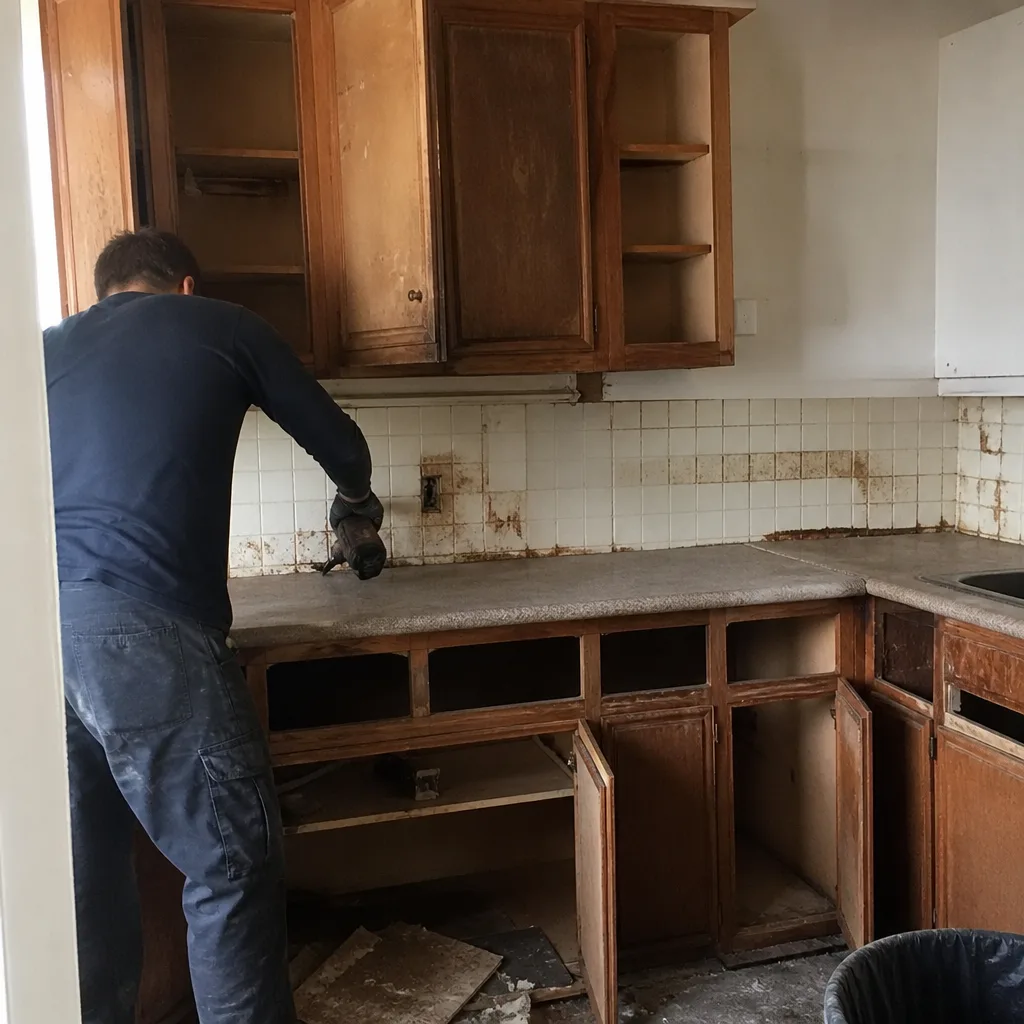 Before
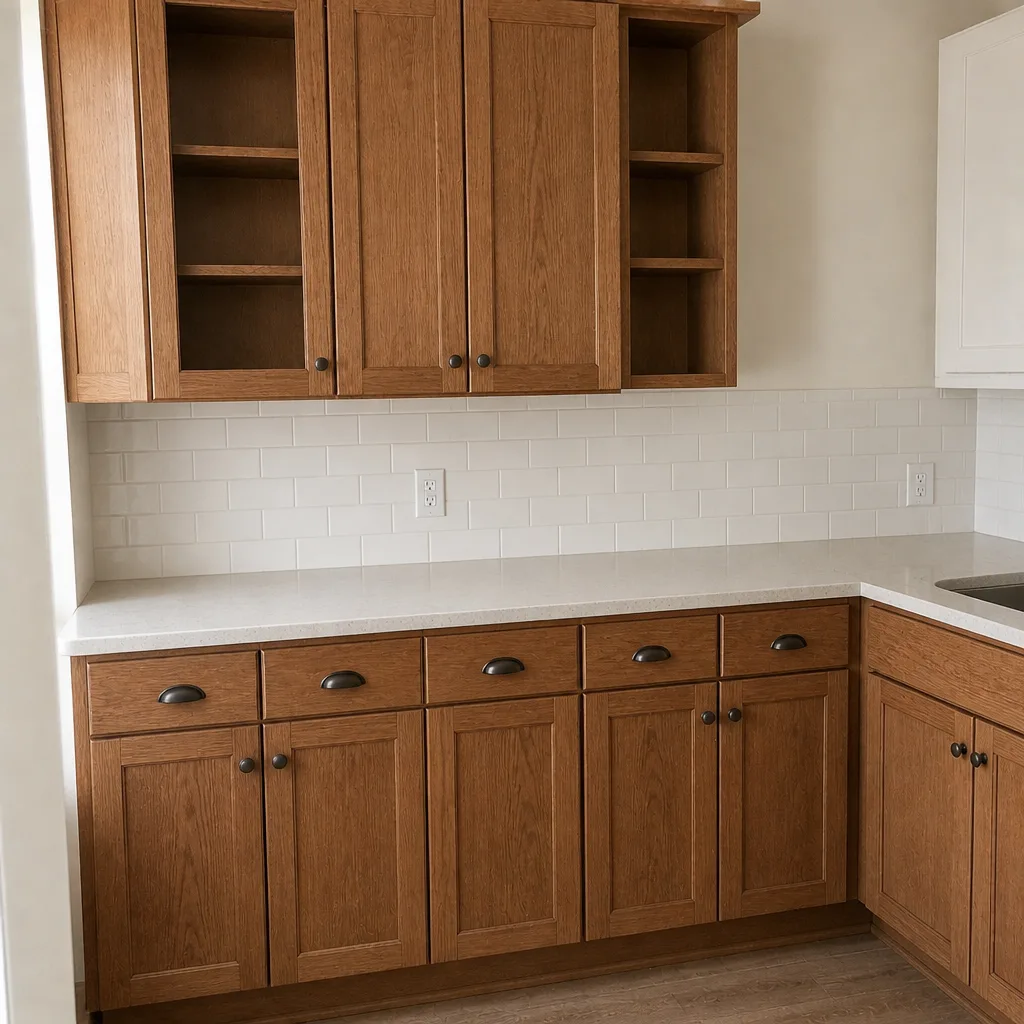 After
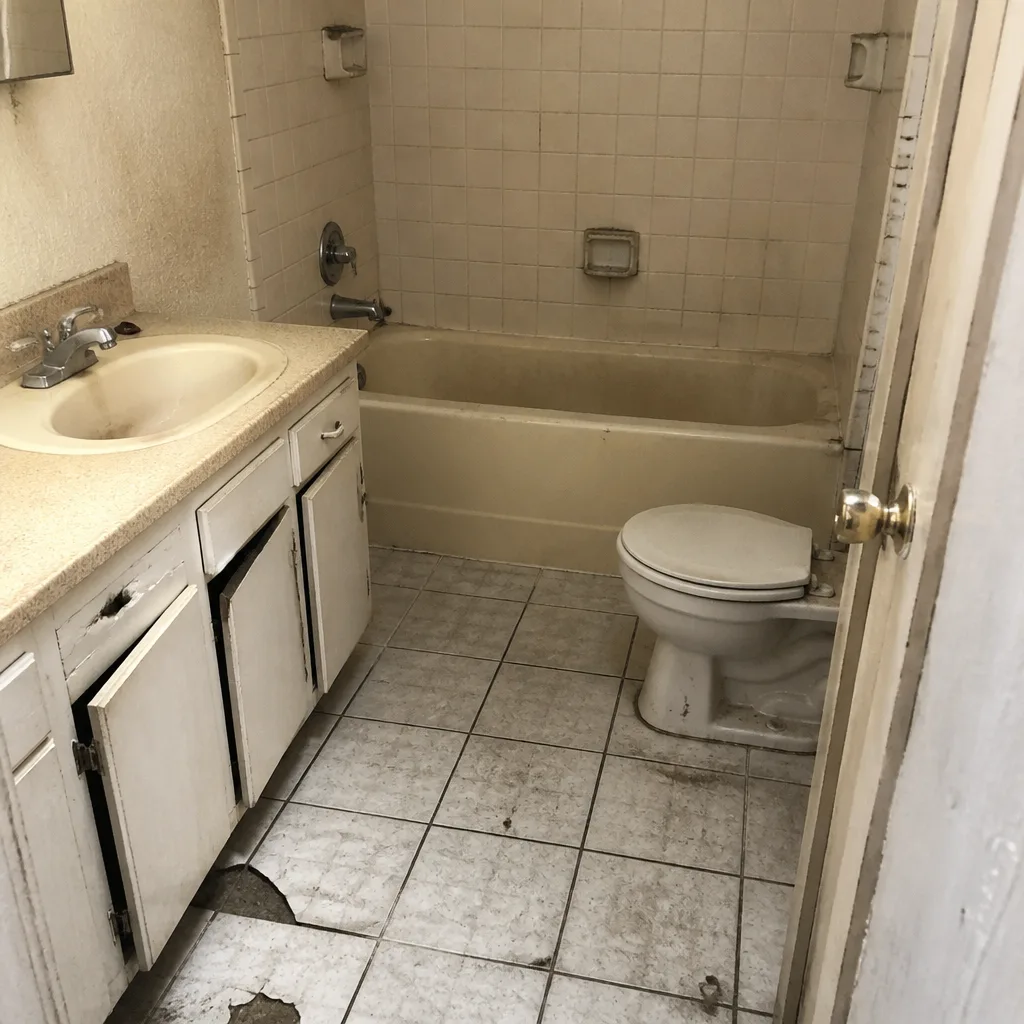 Before
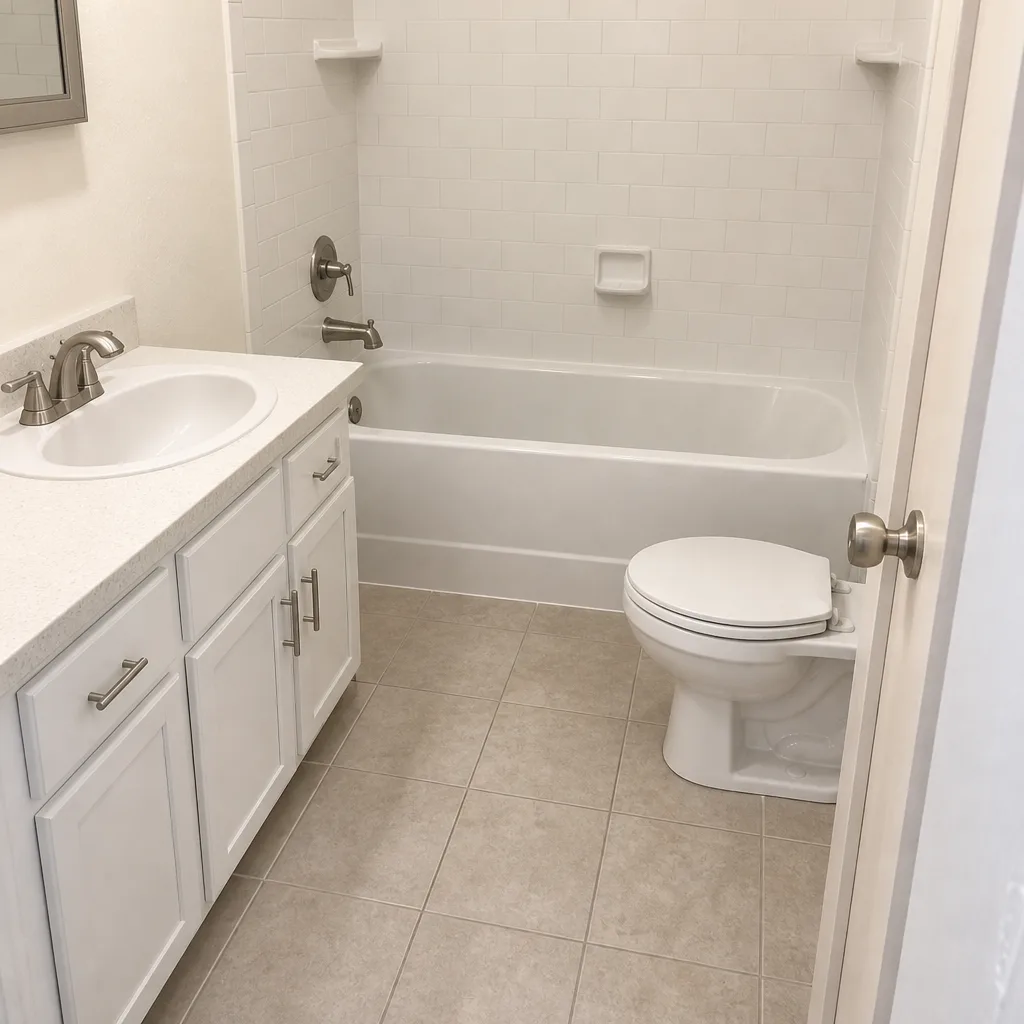 After
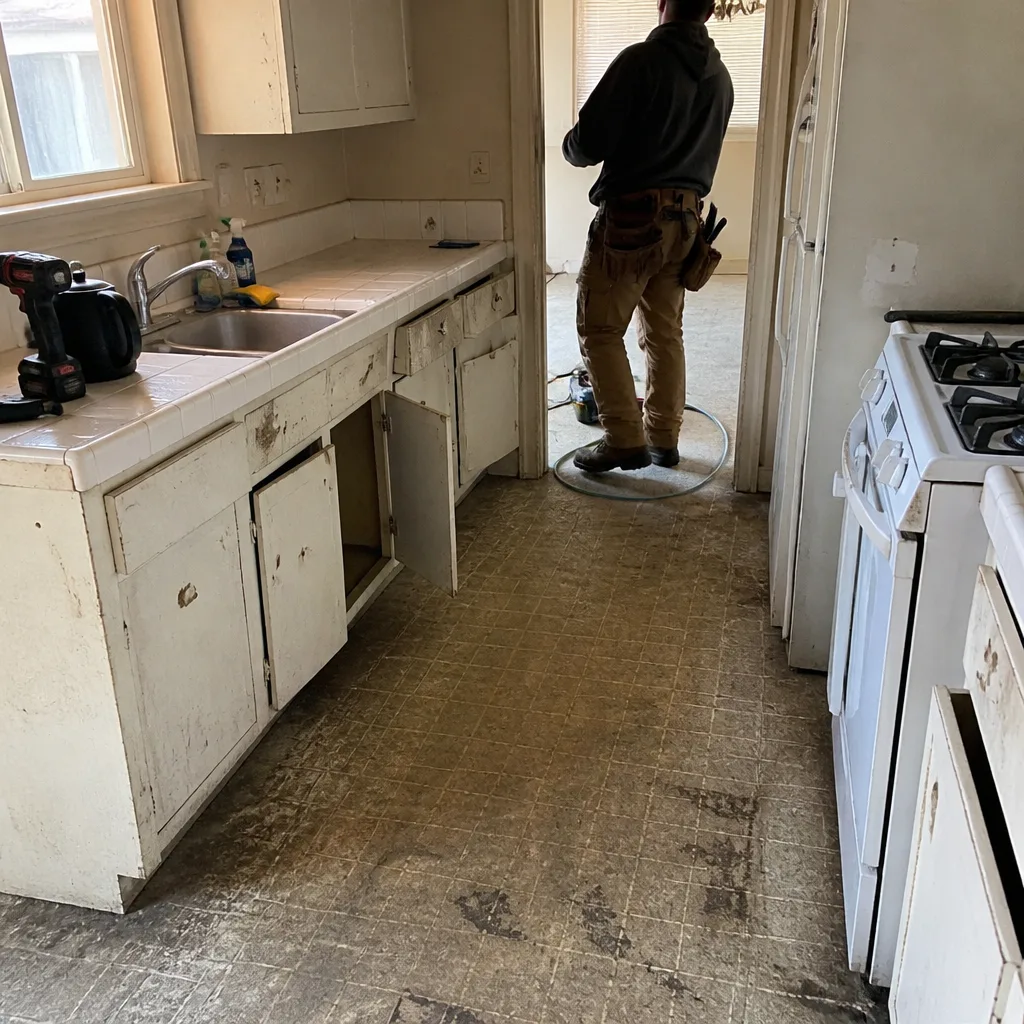 Before
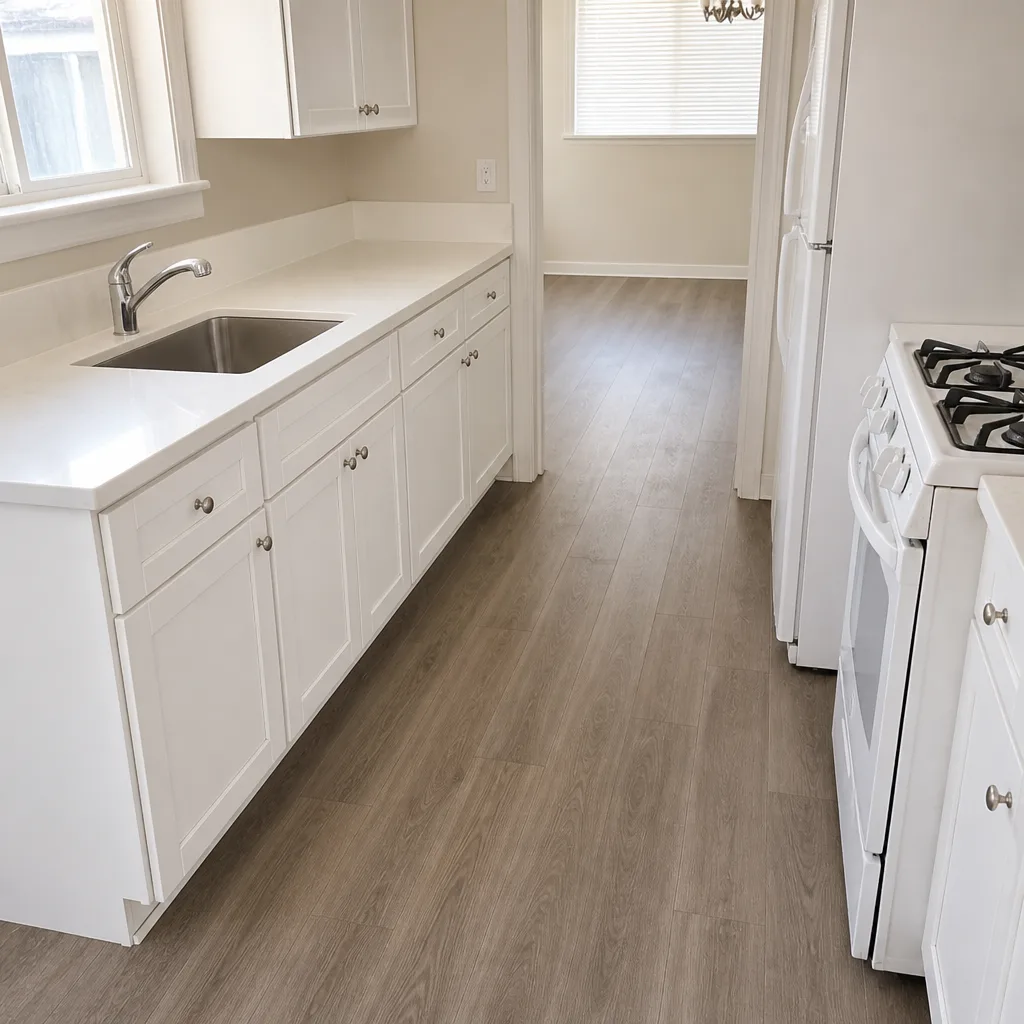 After
When to Call a Professional
Some jobs are worth doing yourself. Others are worth calling a professional for, and it pays to know which is which. Anything that touches a load-bearing wall, the electrical panel, gas lines, or a roof steep enough to fall from belongs in the second group. So does any job that requires a permit, since you can’t legally pull one as a homeowner for work you’re not licensed to perform. Water intrusion, roof leaks after a wind event, foundation cracks wider than a quarter inch, and additions of any kind are all jobs where a general contractor with a real license and real insurance is the safer, cheaper path over time.
Barrett & Sons Construction Lancaster offers free estimates in Lancaster, run by a licensed contractor who pulls permits and puts every scope, allowance, and change order in writing before work starts. Call (888) 427-1810 to schedule your free estimate.
Frequently Asked Questions
Go to the Contractors State License Board website, enter the license number, and confirm the status is active. The same page shows the classification, bond status, workers’ comp, and any complaint history, which tells you how the contractor has handled disputes in the past. Do this before you sign anything, and don’t rely on a business card or a truck decal. Call (888) 427-1810 for a free second opinion on any written estimate.
California law caps the upfront deposit on most home improvement contracts at 10% of the contract price or $1,000, whichever is less. A contractor who asks for 30% or 50% up front is asking you to fund the job. Tie the rest of the payments to milestones you can verify, and hold 10-15% until the punch list and final inspection are done. Call (888) 427-1810 for a free estimate with a written payment schedule.
Roof replacements generally require a permit in Lancaster, and fences over six feet typically do as well. Window replacements that change the opening, additions, and any structural, electrical, or plumbing work also trigger permits. Ask the contractor to list which permits apply to your job in the written scope. If they tell you permits are optional, that’s a red flag. Call (888) 427-1810 for a free estimate that includes the permit scope in writing.
The lowest bid is usually the one where the contractor plans to skip the permit, substitute a cheaper base material, or classify the crew as day labor. In the Antelope Valley market, that bid often comes in 20-30% below the field, and the gap gets closed with change orders once work is underway. Compare line items, not bottom numbers, and ask what brand of underlayment, base, or windows is going in. Call (888) 427-1810 for a free second opinion on any written estimate.
Ask for a written change order before any additional work proceeds. The change order should state the new scope, the new price, and the new timeline in writing. Verbal approvals are how surprise invoices land at the end of a job. If a contractor resists putting a change in writing, ask them why, then find a contractor who does it as standard practice. Call (888) 427-1810 for a free estimate where every scope and allowance is in writing from day one.
A bathroom remodel in Lancaster typically runs 3-5 weeks, a kitchen 5-8 weeks, and a home addition 4-6 months depending on scope and permitting timelines. Permit review through the city can add a few weeks on any structural job. The right answer to this question is a written schedule with real dates in the contract, not a verbal range. Call (888) 427-1810 to schedule your free estimate and get a real timeline for your project.
The Bottom Line
Hiring a contractor in Lancaster is a three-step habit: verify the license, get everything in writing, and pay only for work that’s been done. Most of the horror stories that hit the CSLB complaint log come from skipping one of those three. If the contractor can’t pass the license check, won’t put changes in writing, or wants half the money up front, walk away. There’s another contractor. The one who pulls permits, publishes their name and license number, and shakes your hand at the hardware store on Saturday is the one worth waiting for.
Barrett & Sons Construction Lancaster offers free estimates, written scopes, and a written change order on every job. Call (888) 427-1810 to schedule yours.
Written by the team at Barrett & Sons Construction Lancaster.