
Last updated November 17, 2026
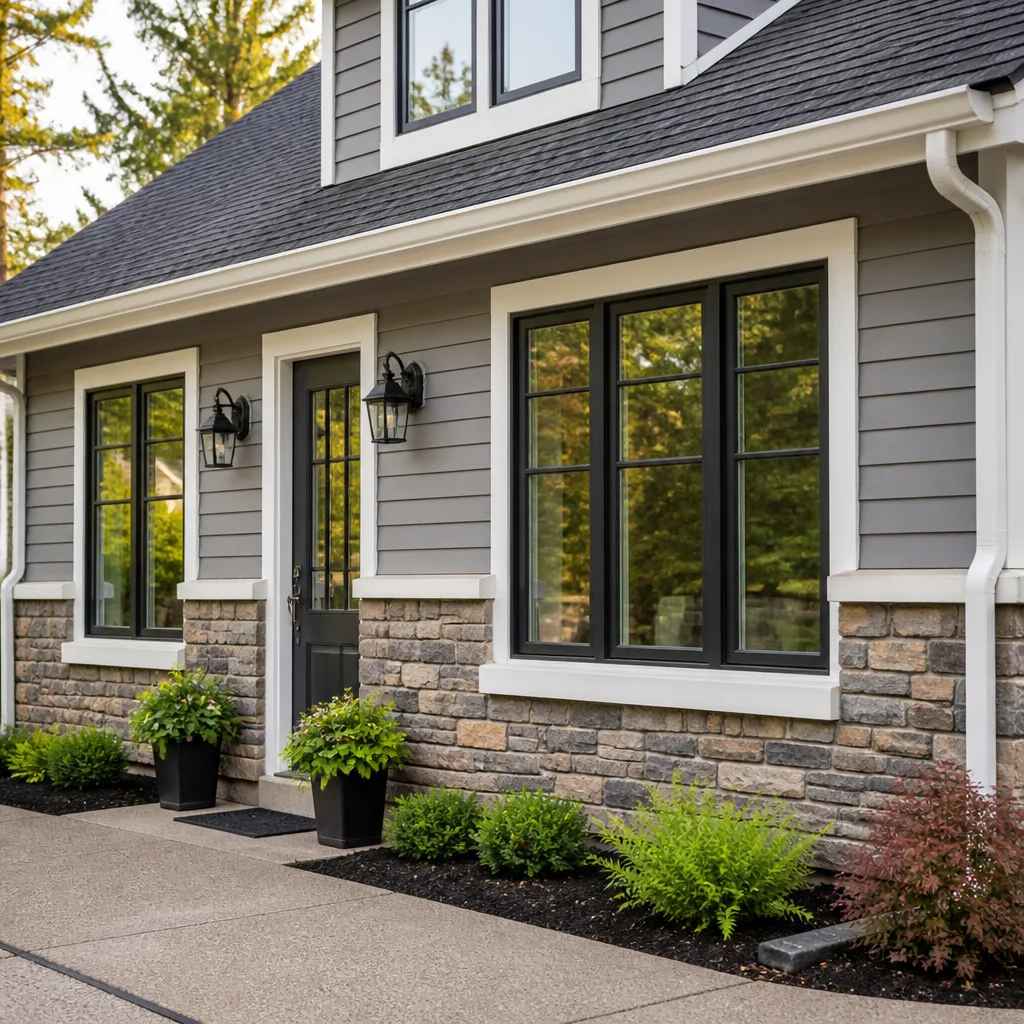 Windows & doors
 Kitchen remodeling
 Bathroom remodeling
 Home additions & ADU
 Roofing
 Driveway & pavers
 Fence
Free written scope consultation - allowances, timeline, and change-order rules on paper before a single trade is scheduled
How Long Does Windows & Doors Take? Timelines and What to Expect
A four-window replacement job takes about one day to install. It may take six weeks to get to that day, and a good contractor explains that difference on the first call, not after you’ve been waiting. That gap between “we ordered your windows” and “the crew is pulling into your driveway” is where most homeowner frustration comes from, because the two timelines, lead time and installation time, almost never get explained together. This guide breaks both apart, with real numbers for standard and custom window sizes, per-unit install times, and how permits in Lancaster affect the schedule. By the end, you’ll know exactly what to ask before you sign anything.
Quick Answer
Installation itself is fast: most windows take 1.5 to 3 hours each, an entry door 3 to 5 hours, and a patio door 4 to 6 hours. The long wait is lead time. Standard-size stock windows can arrive in 1 to 3 weeks, while custom windows and specialty doors often run 6 to 12 weeks. Add 1 to 3 weeks for permit processing in Lancaster. From signed contract to final inspection, a typical window and door project runs 4 to 12 weeks, with the actual work occupying only a few days of that span.
Styles & brands we work with
- Kitchen remodeling
- Bathroom remodeling
- Home additions & ADU
- Roofing
- Windows & doors
- Driveway & pavers
- Fence
Table of Contents
- The Two Timelines Nobody Separates
- Lead Times: Standard vs. Custom Windows and Doors
- How Lancaster Permit Processing Affects Your Schedule
- Per-Unit Installation Time by Window and Door Type
- Whole-House Replacement: How Crews Sequence the Job
- Living in the House During the Job
- Getting Your Schedule in Writing
- Questions to Ask Any Contractor
The Two Timelines Nobody Separates
When a homeowner asks “how long does window replacement take,” they usually mean one of two things and don’t know it. The first is install time: how many days will crews be in the house, tearing out old units and setting new ones. The second is calendar time: how long from today until the job is done and inspected. Those are different numbers, often by a factor of ten, and conflating them is the single biggest reason people feel like projects drag on forever.
Here’s how the two timelines stack up on a real Lancaster job:
- Installation time: the days crews are physically on site, usually 1 to 4 days for a typical whole-house window job.
- Lead time: ordering product, manufacturing, and delivery, often 2 to 12 weeks depending on standard versus custom.
- Permit time: plan review and inspection scheduling, typically 1 to 3 weeks in Lancaster.
- Calendar time: the total from contract signature to final inspection, which is the sum of all three.
A contract that promises “one week” without specifying which week, install or calendar, is a contract designed to be misread later. In our experience across Lancaster, the honest conversation happens before the deposit, not after. A contractor who can’t tell you both numbers plainly is telling you something about how the rest of the job will go.
Lead Times: Standard vs. Custom Windows and Doors
Lead time is the wild card. It depends on whether your window is a standard size that a manufacturer stocks or a custom size cut to order, and it depends on which brand line you choose. Here’s what we typically see for the brands we install, including Andersen and Marvin:
- Standard-size stock windows: 1 to 3 weeks. These fit common rough openings and ship from regional distribution.
- Standard-size, upgraded brand line: 3 to 5 weeks. Still stock, but built in a specific finish or glass package.
- Custom-size windows: 6 to 10 weeks. Any unit sized to a non-standard opening falls here.
- Custom entry doors and patio doors: 8 to 12 weeks, sometimes longer for specialty glass or unusual hardware.
- Impact-rated or specialty glass: 6 to 12 weeks depending on the manufacturer’s run schedule.
What “in stock” actually means matters too. A big-box store’s “in stock” often means a unit sitting in a regional warehouse that still has to travel to a Lancaster jobsite, and the manager may not control the delivery date. A manufacturer’s “in stock” means it’s built and waiting for a truck. A contractor’s “in stock” should mean the unit is ordered, confirmed, and has a delivery window attached. Ask which kind of in stock you’re getting before you believe a short timeline.
The right move is to order product and pull the permit at the same time, not one after the other. While windows are in production, the permit is working its way through plan review. When the units land, the permit is already approved and the crew can schedule immediately.
How Lancaster Permit Processing Affects Your Schedule
Window and door replacements in Lancaster generally require a permit when they involve structural changes, new openings, or egress changes, and often for like-for-like replacement depending on the scope. This is where honest scheduling gets tested. A contractor who tells you permits will add three weeks to the timeline is being straight with you, not making excuses. The permit isn’t the delay; it’s the paperwork running alongside the product order.
Here’s how permits should be sequenced on a well-run job:
- Contract signed, deposit received. Product order and permit application go out the same week.
- Plan review. Lancaster processes most residential window and door permits in 1 to 3 weeks depending on workload. Complex structural changes or new openings take longer.
- Permit issued before product arrives. The approved permit sits on file while windows are still in manufacturing.
- Installation scheduled. Crews install, then the job waits for the inspector.
- Inspection signed off. Final sign-off typically happens within 3 to 7 business days of the request.
One thing worth knowing: pulling permits before product arrives is a scheduling discipline, not a delay tactic. When we start both streams at once in Lancaster, the calendar timeline shrinks by weeks compared to a contractor who waits to order product until after the permit clears. Any job where permits weren’t pulled at all is a job that may not pass inspection when you sell the house, and that conversation at resale is far more expensive than a permit fee.
Per-Unit Installation Time by Window and Door Type
Once crews are on site, installation time per unit is predictable. The numbers below are ranges for a standard like-for-like replacement where the rough opening is already correct. New construction, new openings, or rot repair add time on top.
- Single-hung or double-hung window: 1.5 to 2.5 hours each.
- Casement or awning window: 2 to 3 hours each, longer for wide units or cranks in awkward positions.
- Picture or fixed window: 1 to 2 hours each.
- Sliding window: 1.5 to 2.5 hours each.
- Entry door (single): 3 to 5 hours including frame, threshold, hardware, and weatherstripping.
- Double entry door: 5 to 8 hours.
- Patio sliding door: 4 to 6 hours.
- Folding or multi-panel patio door: 1 to 2 days.
Use these numbers to reality-check any schedule a contractor hands you. If someone claims six casement windows will install in half a day, either they’re fast beyond the norm or they’re planning to skimp on flashing and weathersealing. In our experience on Lancaster jobs, a crew of two installs four to six standard windows in a typical day, more when openings are simple and fewer when trim work is involved.
Whole-House Replacement: How Crews Sequence the Job
A whole-house window replacement, typically 12 to 24 units, runs 3 to 5 days for most Lancaster homes. The sequencing matters as much as the speed. Crews usually work room by room or elevation by elevation, depending on which keeps the house weathertight and the homeowner functional.
- Prep and protection. Furniture moved back, floors covered, staging set up. Crews walk the scope with you before opening anything.
- Work in grouped rooms. Kid bedrooms and main living areas get grouped where possible so the disruption concentrates.
- Remove and set. Old unit out, new unit in, flashing and insulation done before moving to the next.
- Finish and trim. Interior trim, exterior caulking, and cleanup complete each room before crews leave it.
- Weathertight check at day’s end. Every open rough opening is sealed or covered before crews leave for the night. No house is left open.
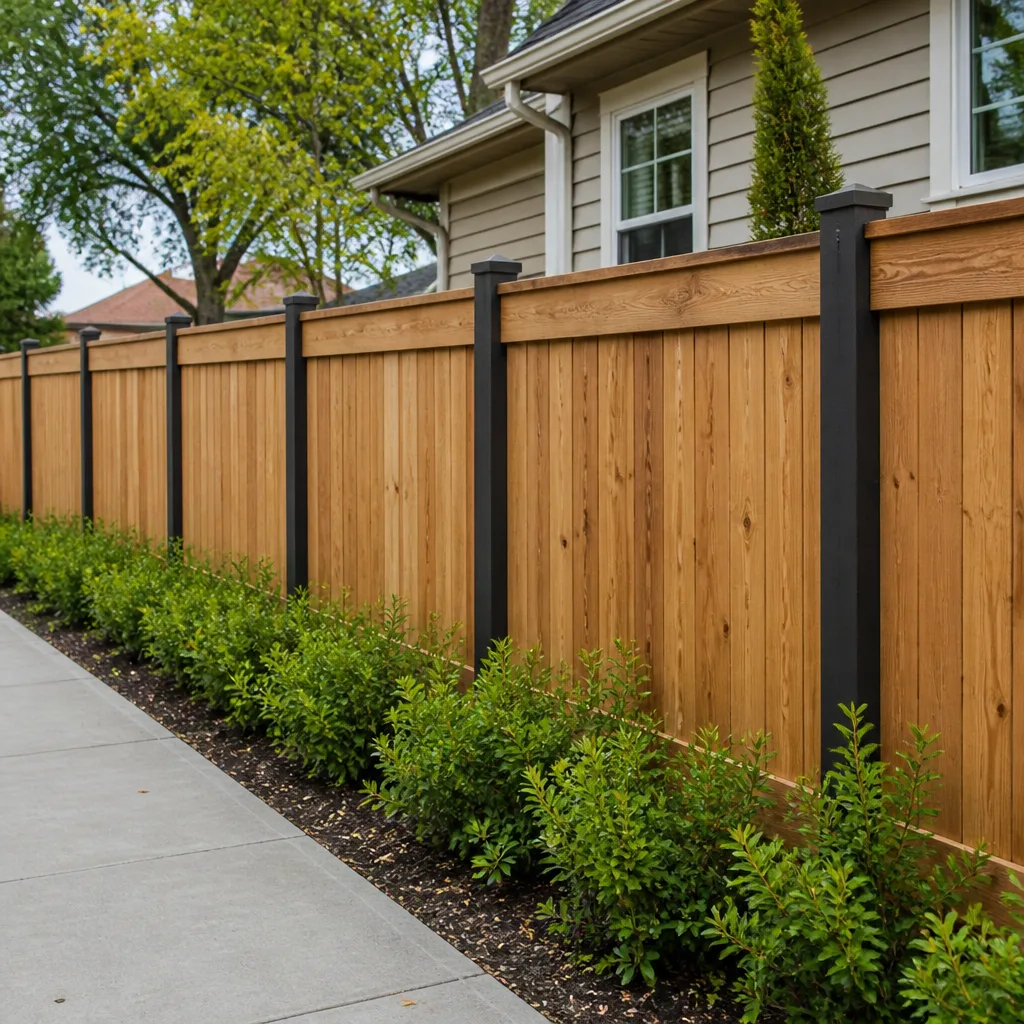
The schedule should be set so the number of windows open at once stays small, ideally one to three. Any contractor willing to open ten openings in a day is gambling with your home’s weather envelope, and Lancaster’s afternoon winds pick up fast. If your project also includes other exterior work, like new hardscape or a Fence Installation in Lancaster, sequencing those trades matters too, and windows should usually go first so the envelope is sealed before crews move to the yard.
Living in the House During the Job
Most homeowners stay in the house during window replacement. It’s manageable if you know what to expect. Crews arrive early, work area is confined to a few rooms, and by late afternoon each room is usually closed back up and functional.
- Clear rooms the night before. Move furniture, take down curtains, and clear the wall space on both sides of each window.
- Plan around the noisiest rooms. Bedrooms in active work go first so they’re finished in time for sleeping.
- Pets and kids. Keep them out of active work zones, and ask crews to close gates behind them.
- Temperature and dust. Brief temperature swings happen when openings are open. Expect light drywall dust from trim work and plan to wipe sills afterward.
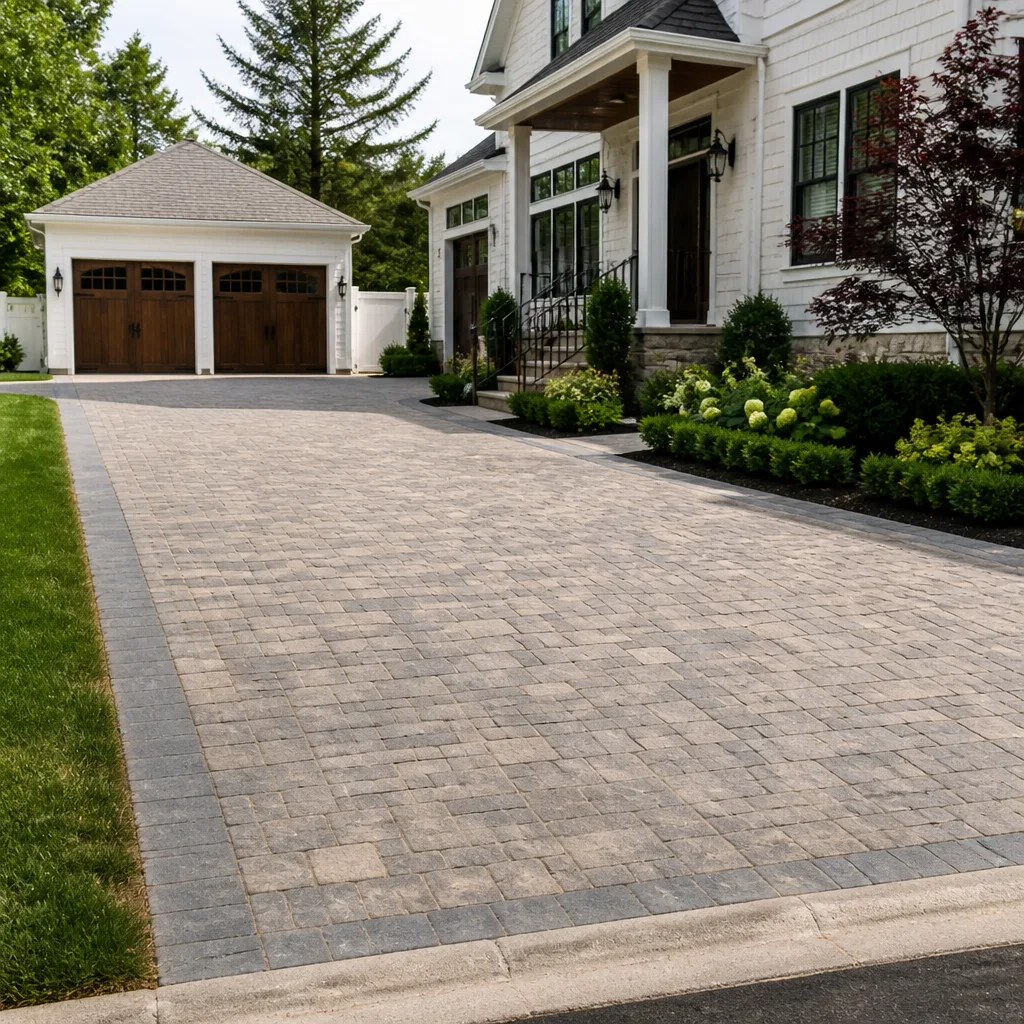
- Parking and access. Clear the driveway for crew vehicles and product delivery. If you’re also planning a Driveway & Pavers in Lancaster later, sequence window deliveries first so the new surface isn’t the one getting loaded on.
One more thing to expect: the first day is the loudest. Old units are being cut out, and that’s the noisiest part of the job. Once the new units are going in, the pace smooths.
Getting Your Schedule in Writing
The best contractors communicate schedules in writing, before work starts. That means a document that lists the product order date, expected lead time window, permit application date, anticipated install dates, and inspection target. It’s the same discipline as scope in writing, allowances in writing, change orders in writing. If a lead time slips, you should hear from the contractor before the slip happens, not after.
At Barrett & Sons, we build the schedule around three anchors: product is ordered and confirmed in writing, the permit is pulled and issued before product arrives, and the install dates are confirmed at least a week out. If a manufacturer pushes delivery, we tell you the new date the same day we hear it. A written timeline with named dates beats a verbal estimate every time. If your project also includes a larger scope like an Home Additions & ADU in Lancaster, the window schedule needs to be tied into the overall project calendar so trades don’t collide.
Every written change order before scope or price moves is standard on our jobs, backed by the 90-Day Done Right Promise on every completed contract. That’s the framework, and it applies whether you’re replacing four windows or every unit on the house.
Questions to Ask Any Contractor
If a contractor doesn’t volunteer a written timeline, ask for one. The answers to a few direct questions will tell you more than any brochure. Here’s what to ask before signing:
- “What’s the lead time on this exact product line?” Get it in writing with a date range, not a number.
- “Are permits already included, and when are you pulling them?” The answer should be “the same week we sign.”
- “How many units per day does your crew install, and how many openings will be open at once?” One to three is the right answer for a weathertight job.
- “What happens if the product is late?” A written notification and a new date should be standard.
- “Who handles the inspection, and what if something fails?” The contractor should own the correction, not route you to the inspector.
- “Is the timeline in the contract?” If it’s only in a callback or a text, it’s not in the contract.
Getting these six answers in writing puts you ahead of most homeowners, and it makes the difference between a project that runs to plan and one that drifts. If you’re also comparing scopes on other trades, our Barrett & Sons Construction Lancaster home page lays out how we handle written scope and change orders across every trade we touch, from kitchens with Wellborn cabinetry and Cambria surfaces to windows in Andersen and Marvin lines.
Common Mistakes to Avoid
- Confusing install time with calendar time. “One day on site” and “one day until done” are wildly different numbers. Get both in writing before signing.
- Believing a verbal lead time. A promised date with no manufacturer confirmation behind it is a guess. Ask for the order confirmation.
- Letting product order wait on permits. Run them in parallel, not sequentially. Waiting to order until the permit clears adds weeks in Lancaster.
- Accepting a schedule without an inspection date. If the contract doesn’t name a target for final inspection, the last third of the timeline is unaccounted for.
- Skipping permits to save time. That shortcut gets discovered at resale, and the fix is far more expensive than the permit. The inspector works for you, not for us.
- Opening too many rough openings at once. Crews that open ten windows in a day are gambling with Lancaster’s afternoon winds and any rain that shows up.
- Letting scope creep mid-job without a written change order. An allowance that isn’t on paper is a surprise waiting for a date. Any scope or price change should arrive in writing before the work moves.
See the difference
 Before
 After
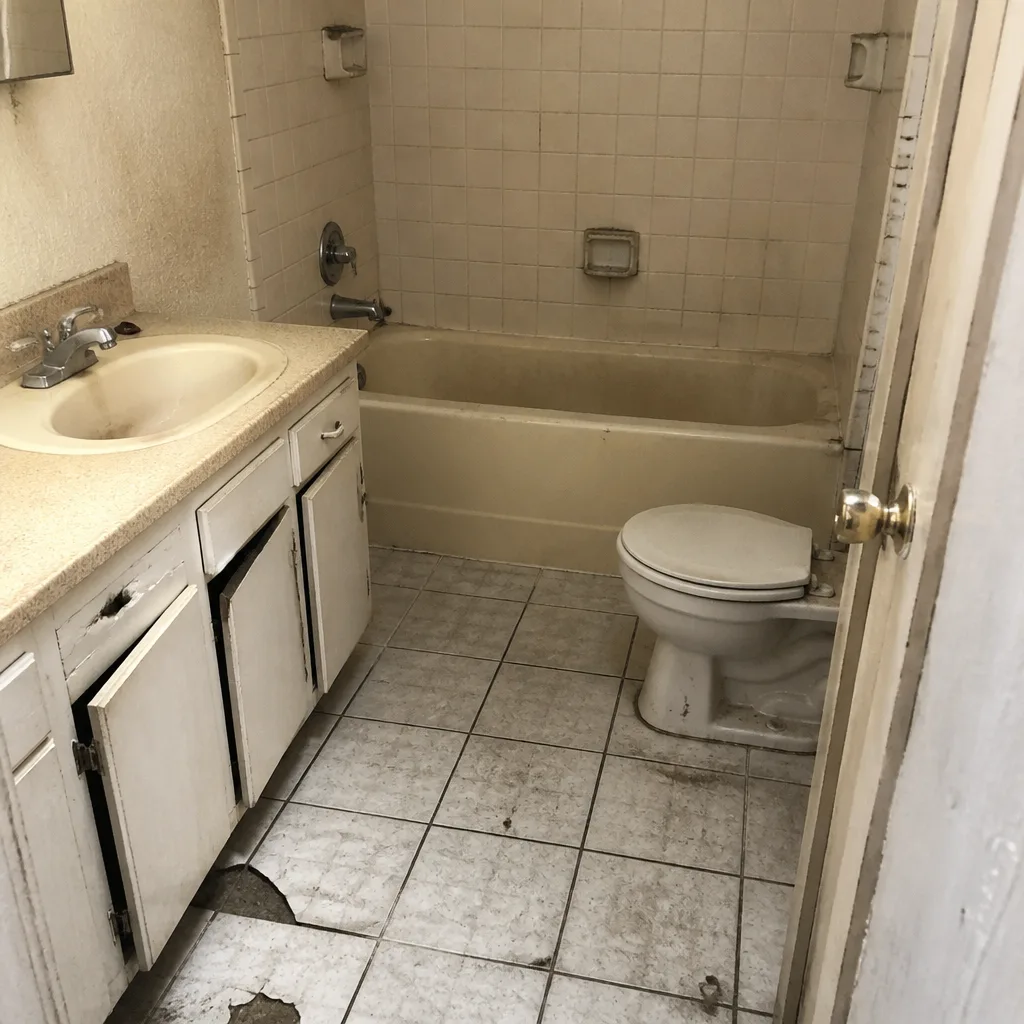 Before
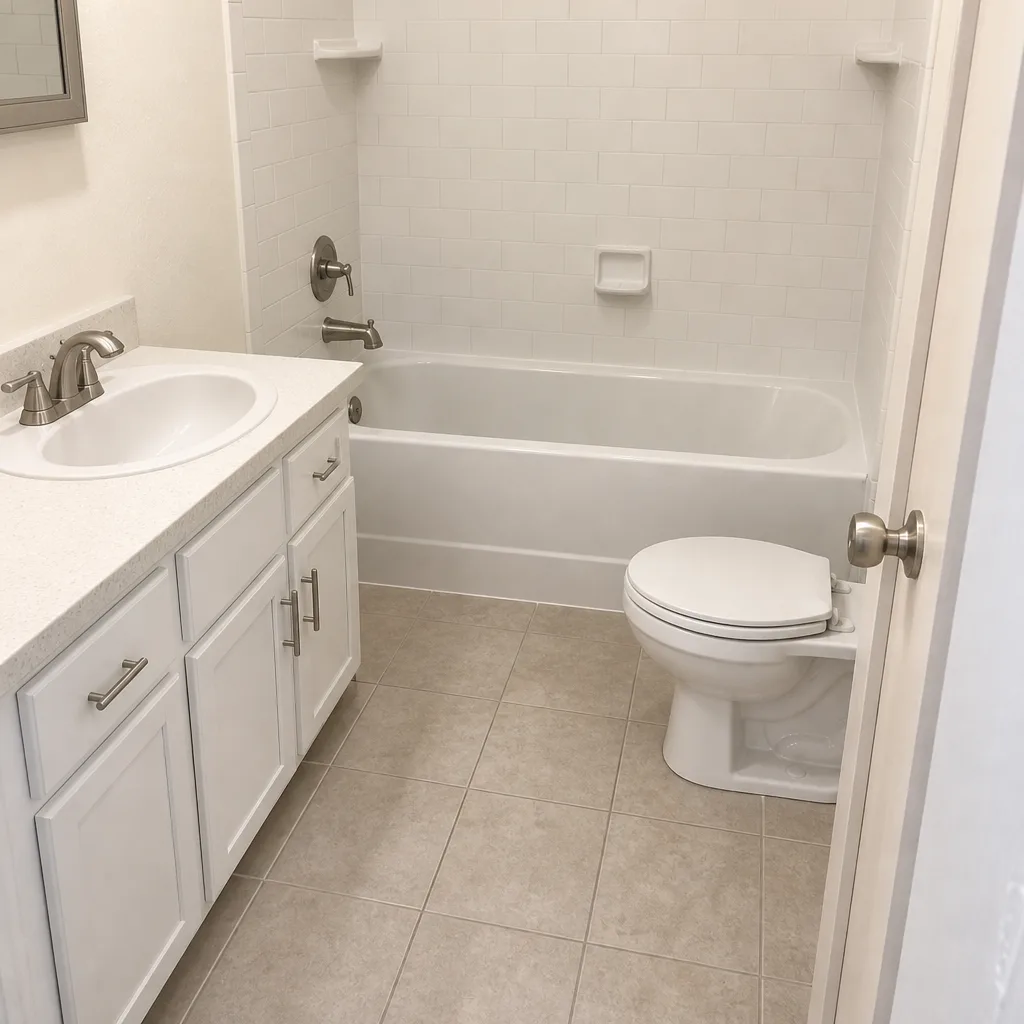 After
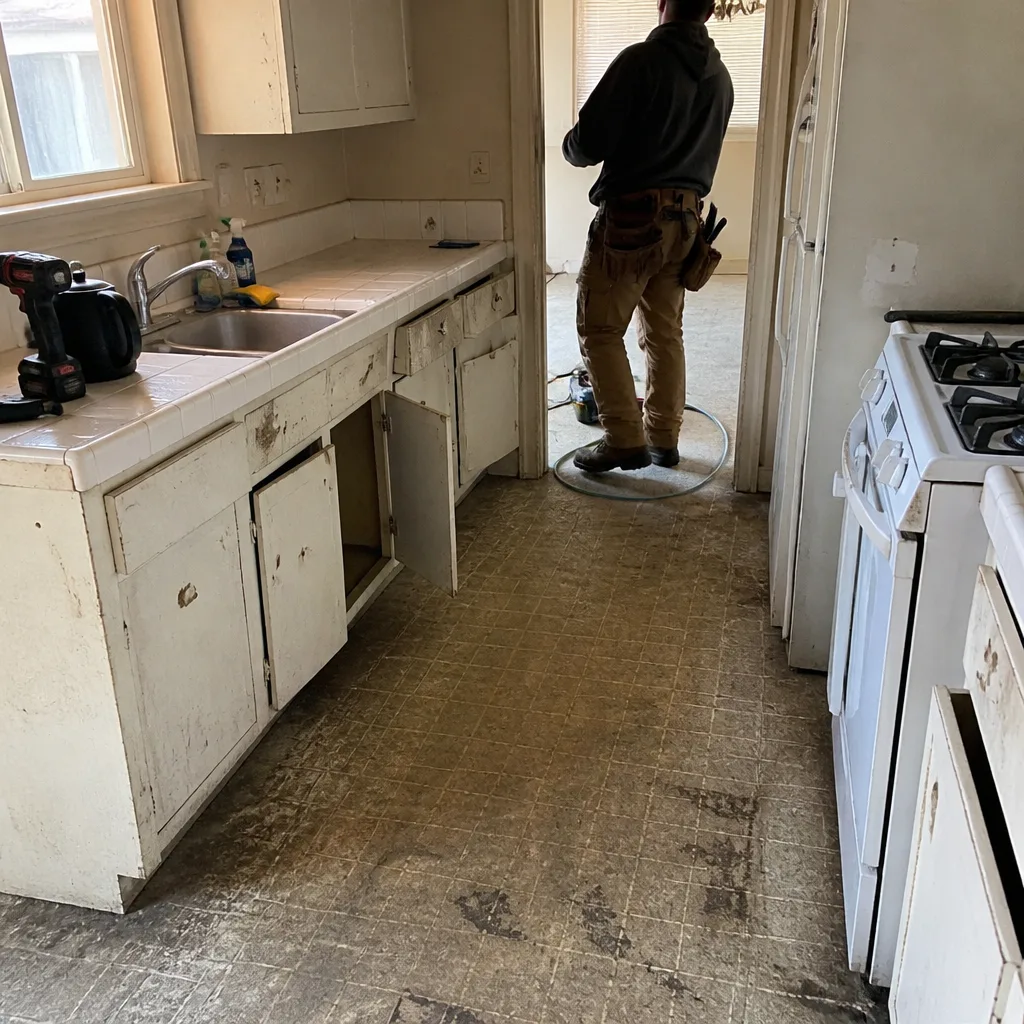 Before
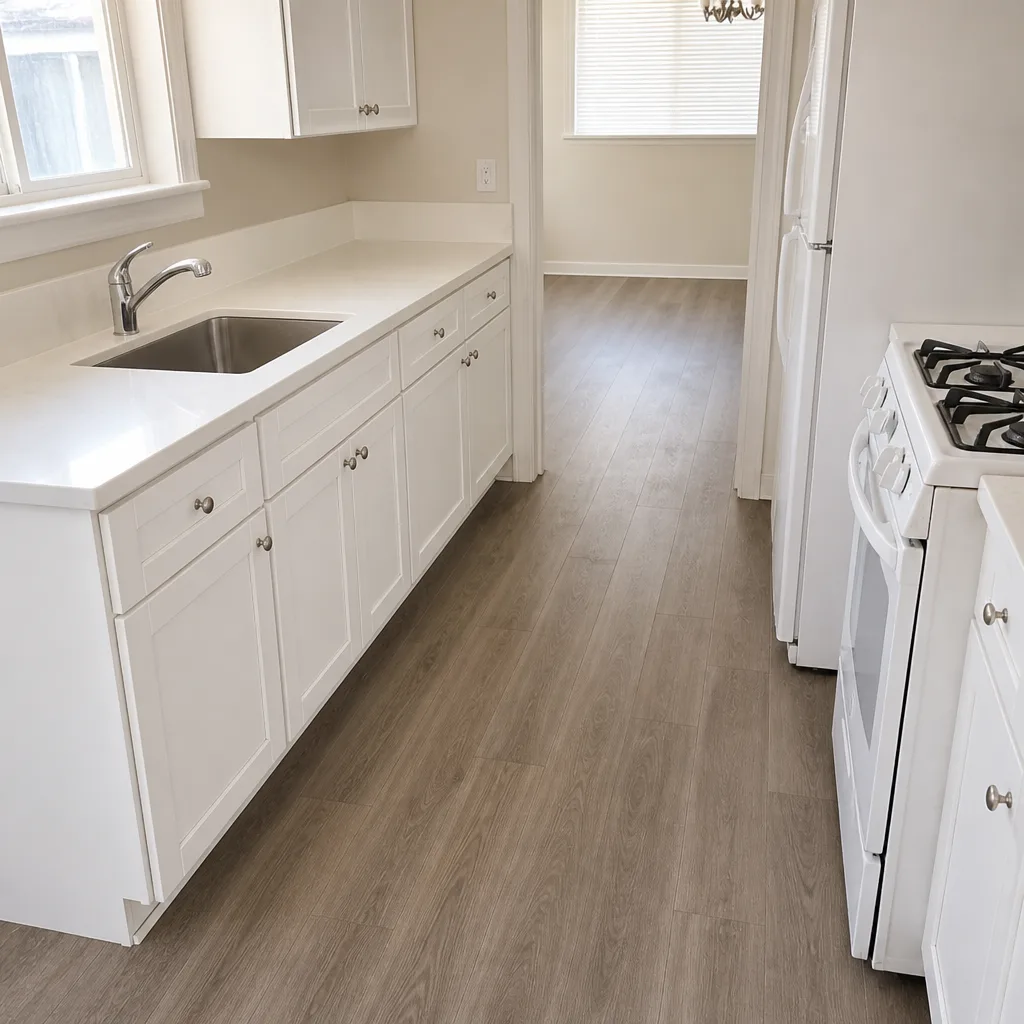 After
When to Call a Professional
Some window and door jobs are straightforward weekend projects, but most aren’t. Call a professional when you’re dealing with any unit above the first floor, when the opening needs to be reframed or resized, when a permit is required, or when you suspect rot, water intrusion, or structural issues behind the trim. Failing or fogged sealed units, doors that no longer latch, and windows that leak in Lancaster’s wind-driven rain are all warning signs worth a professional look. Removing and resetting a large window or an exterior door is more dangerous than it looks, and going without a permit creates a problem that shows up years later.
Barrett & Sons Construction Lancaster offers free estimates in Lancaster. Call (888) 427-1810 and we’ll walk your project, quote it in writing, and hand you a real timeline with both lead time and install time spelled out.
Frequently Asked Questions
Most Lancaster window replacements take 3 to 5 weeks of calendar time for a small job and 6 to 12 weeks for a whole-house replacement with custom units. The install itself is 1 to 4 days. The bulk of the timeline is lead time and permit processing, both of which should be running in parallel.
Yes, for small jobs. A four to six window replacement with standard sizes typically installs in one day with a two-person crew. Whole-house jobs take several days. One-day installs still require lead time before that day, so plan on weeks from order to install. Call (888) 427-1810 for an exact quote on your job.
Often yes, depending on scope. Like-for-like replacement sometimes doesn’t require a permit, but new openings, size changes, structural reframing, and egress changes almost always do. We pull permits on every eligible job and pass inspection before we call the job done. Ask us to confirm what your specific project requires.
Custom-size window orders typically run 6 to 10 weeks, and custom entry or patio doors 8 to 12 weeks. Brand and glass package affect the timeline. We confirm lead time in writing with a date range before you sign, and we tell you the same day if a manufacturer moves the date.
Clear the rooms being worked on the night before, plan around the noisiest rooms, and keep pets and kids out of active zones. Expect light dust from trim work. Each room is usually closed back up by the end of the day, and no opening is left exposed overnight. Ask crews to close gates behind them.
It happens, usually from manufacturer delays or inspector scheduling. The right response is written notification with a new date the same week, not a verbal “we’ll get to it.” Ask any contractor upfront how they handle a slip, and insist the answer lands in the contract. Call (888) 427-1810 with questions about a specific timeline.
The Bottom Line
Window and door projects take two timelines, and both matter. Install time is fast, usually 1 to 4 days on site. Calendar time is longer, often 4 to 12 weeks from signature to final inspection, dominated by product lead time and permit processing. Standard sizes ship in 1 to 3 weeks, custom units in 6 to 12. Permits in Lancaster add 1 to 3 weeks if they’re run in parallel with product, and cost you weeks more if they’re run in sequence. Get both numbers in writing, confirm the product order, and name the inspection date. That’s the whole game.
If you’re ready to price a window or door project in Lancaster, call Barrett & Sons Construction Lancaster at (888) 427-1810 for a free estimate. We’ll walk the job, quote it in writing with line-item pricing, and hand you a real schedule with lead time, install dates, and the inspection target named. Live person answers the phone, 24/7.
Written by the team at Barrett & Sons Construction Lancaster.