
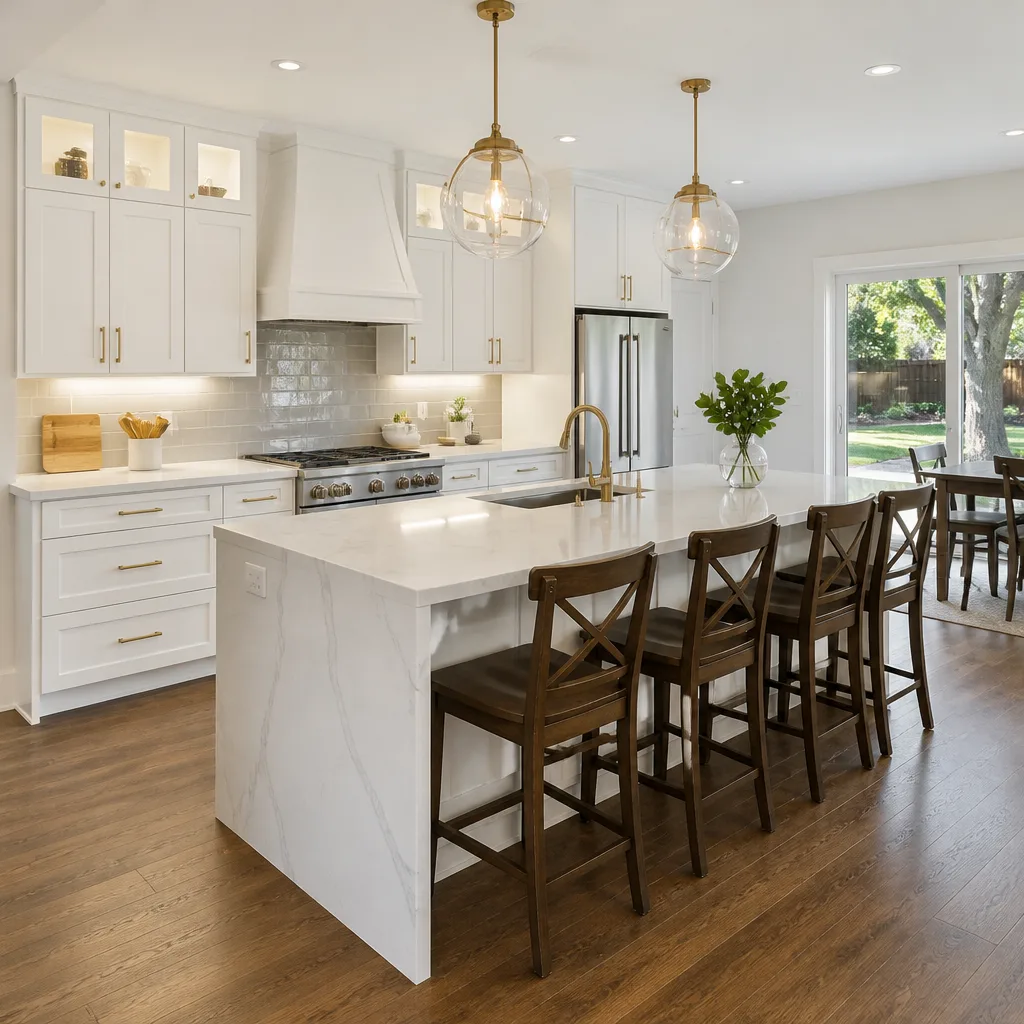
 Kitchen remodeling
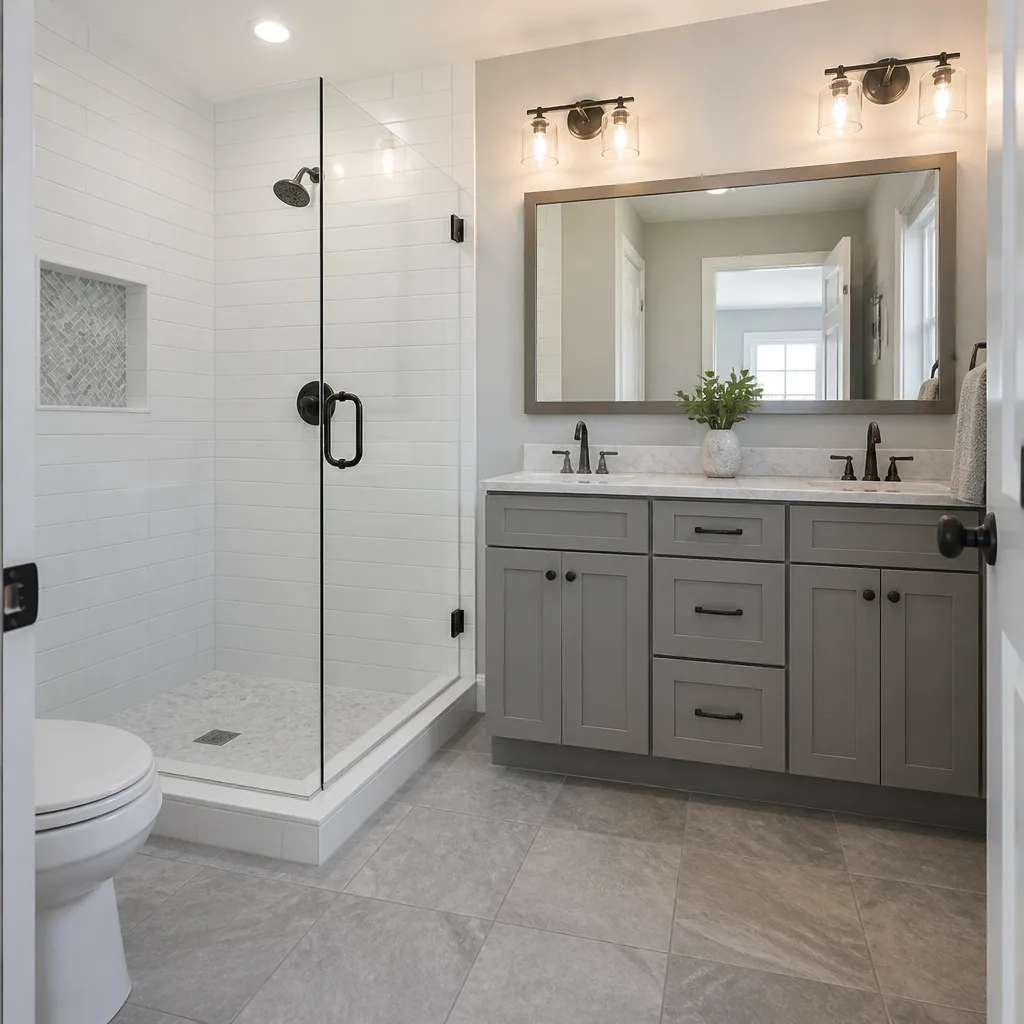 Bathroom remodeling
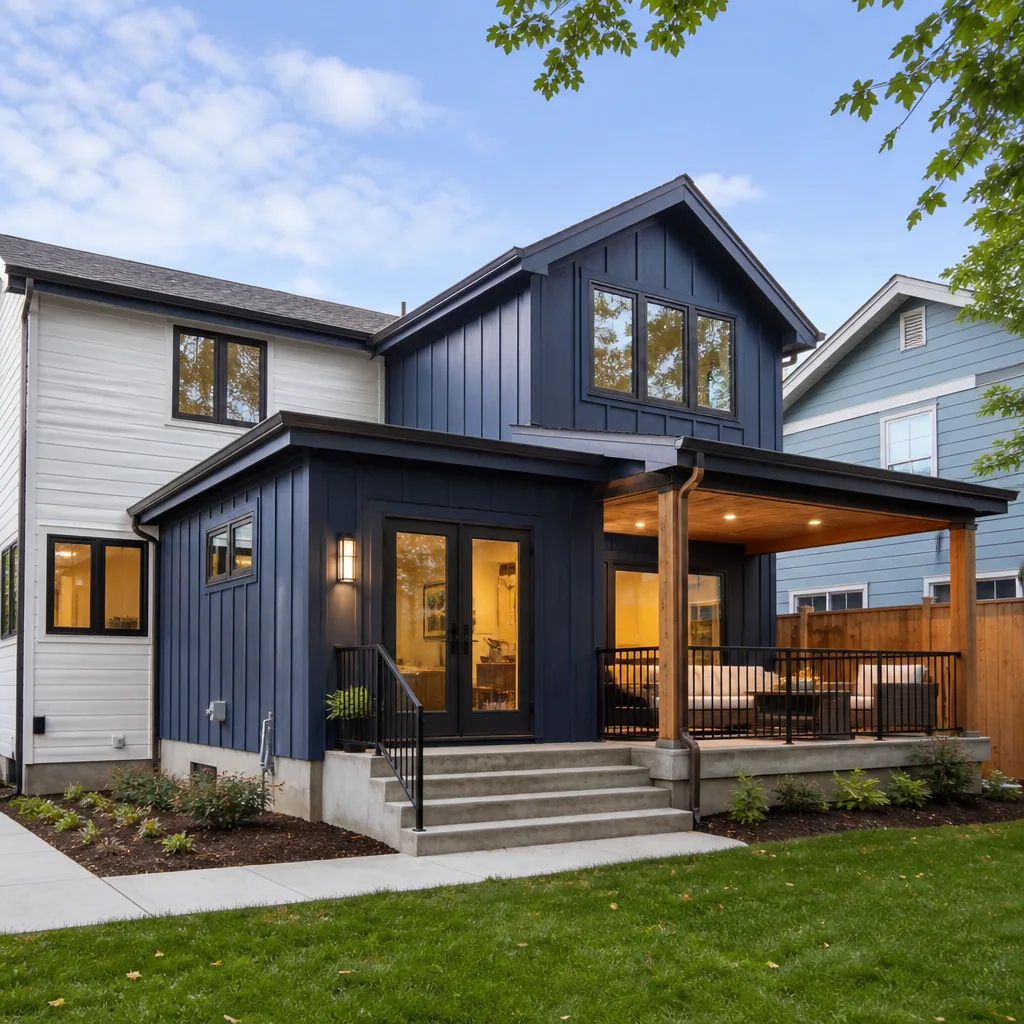 Home additions & ADU
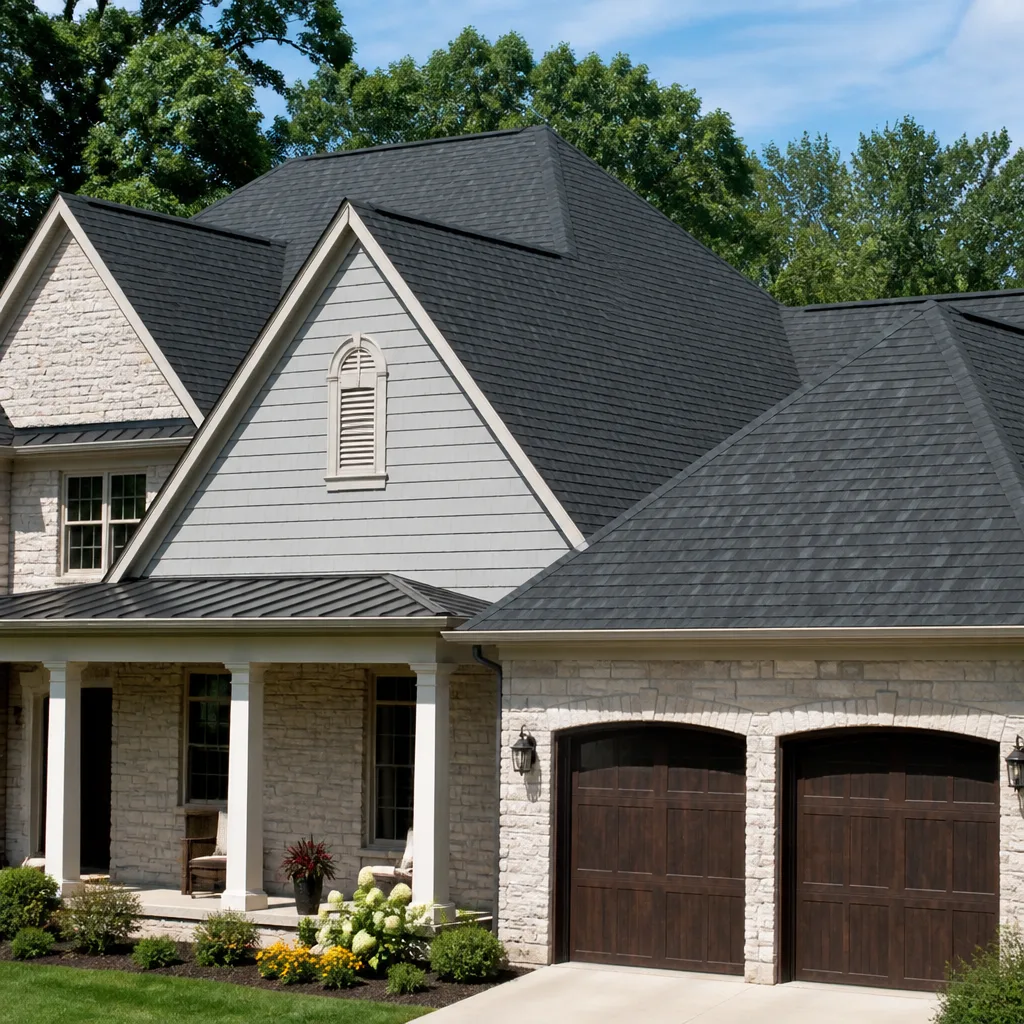 Roofing
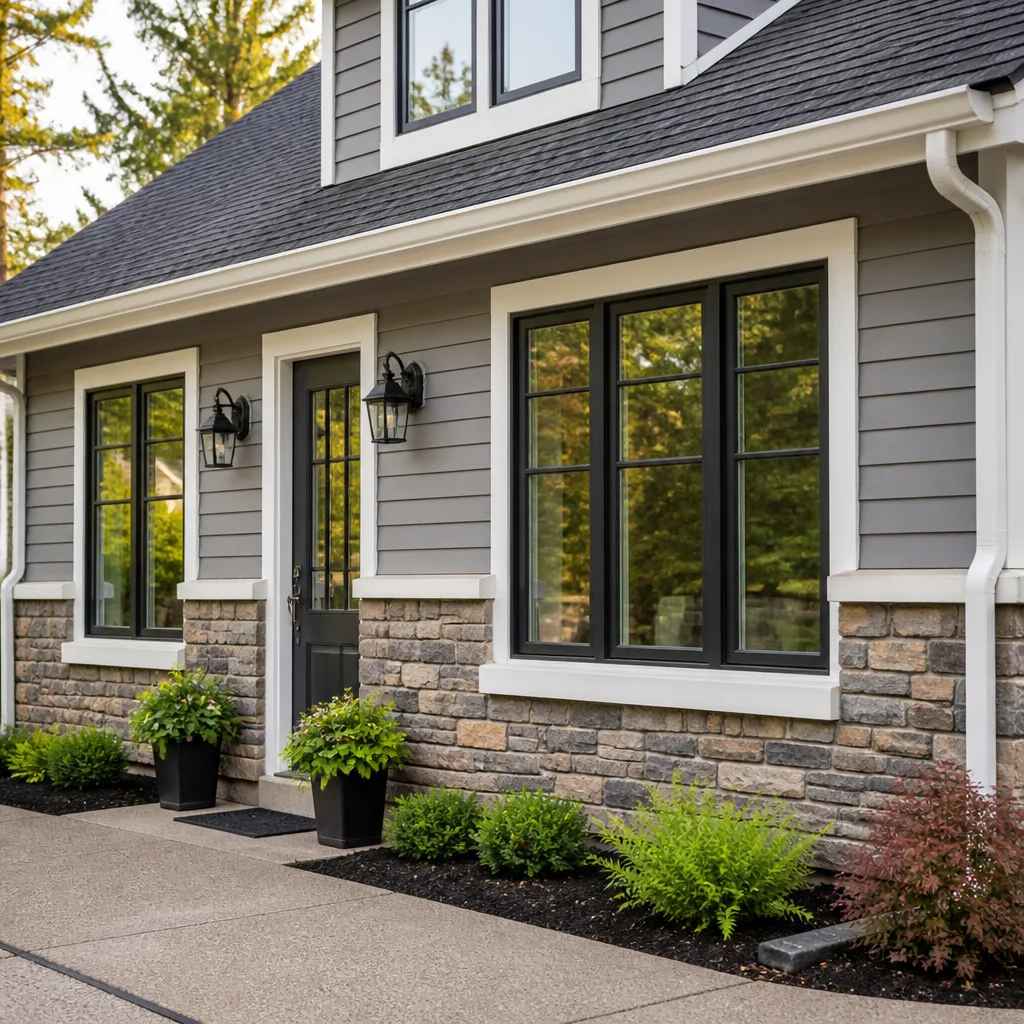 Windows & doors
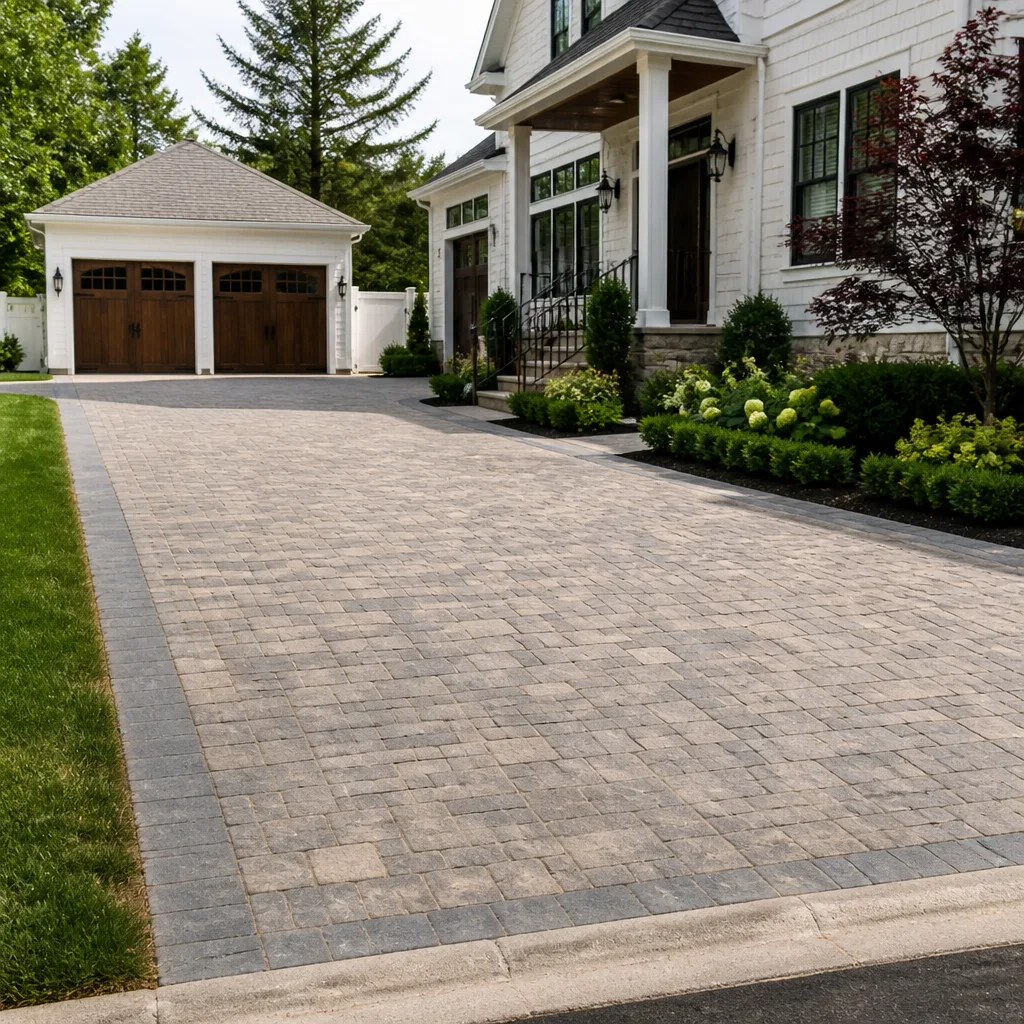 Driveway & pavers
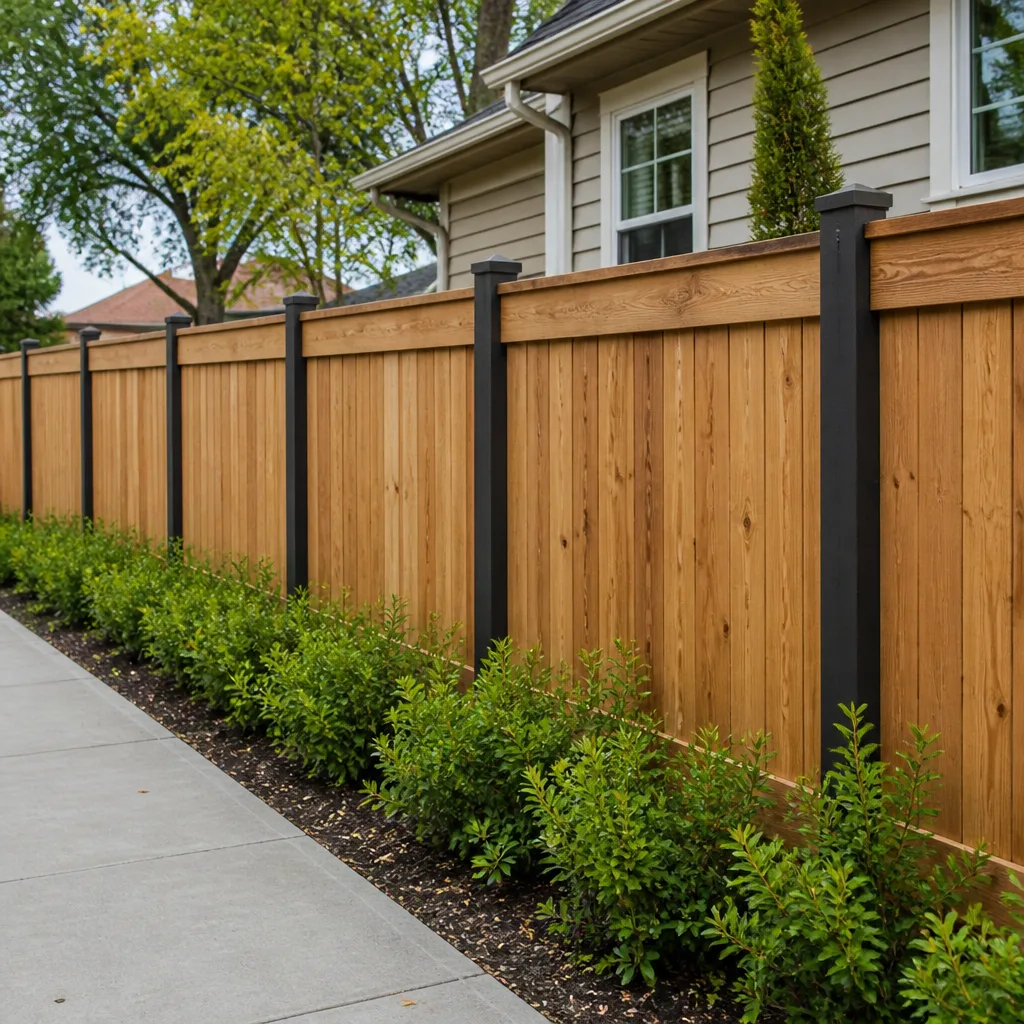 Fence
Free written scope consultation - allowances, timeline, and change-order rules on paper before a single trade is scheduled
Styles & brands we work with
- Kitchen remodeling
- Bathroom remodeling
- Home additions & ADU
- Roofing
- Windows & doors
- Driveway & pavers
- Fence
See the difference
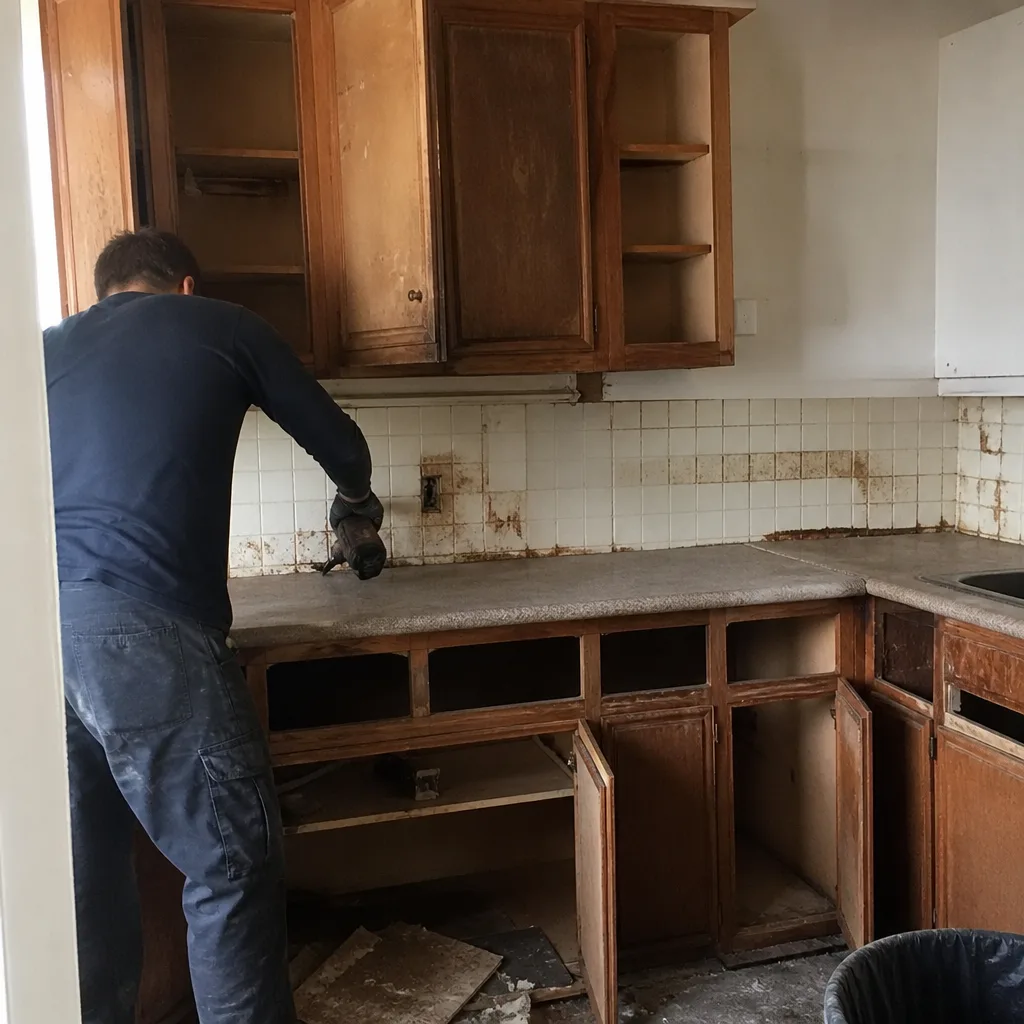 Before
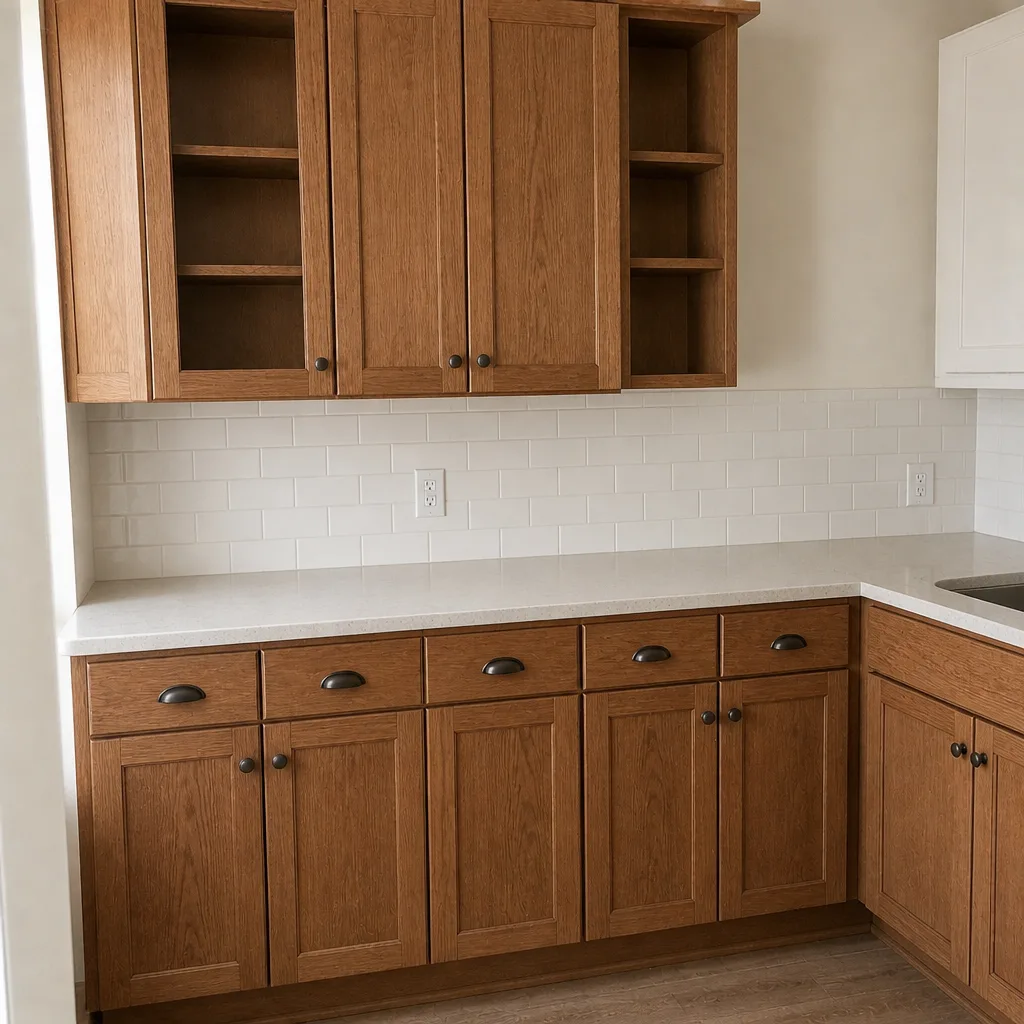 After
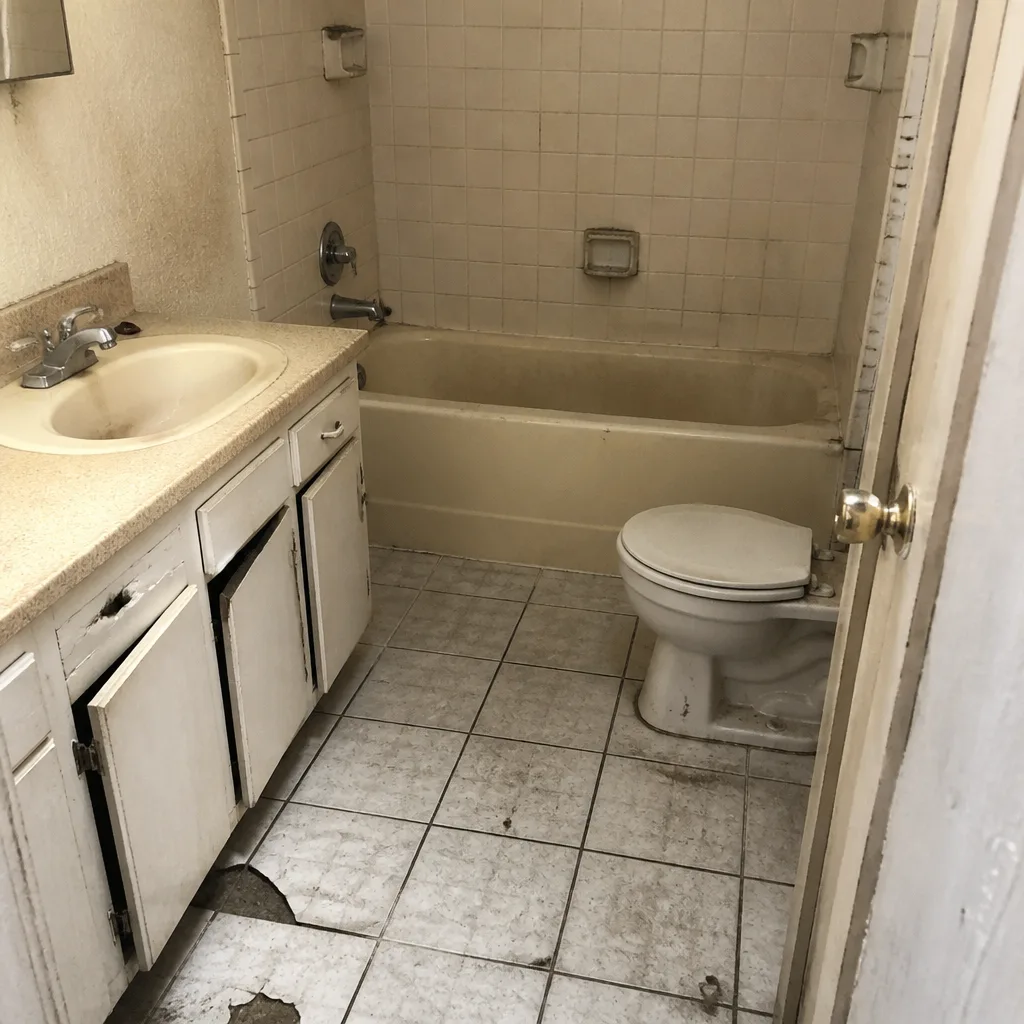 Before
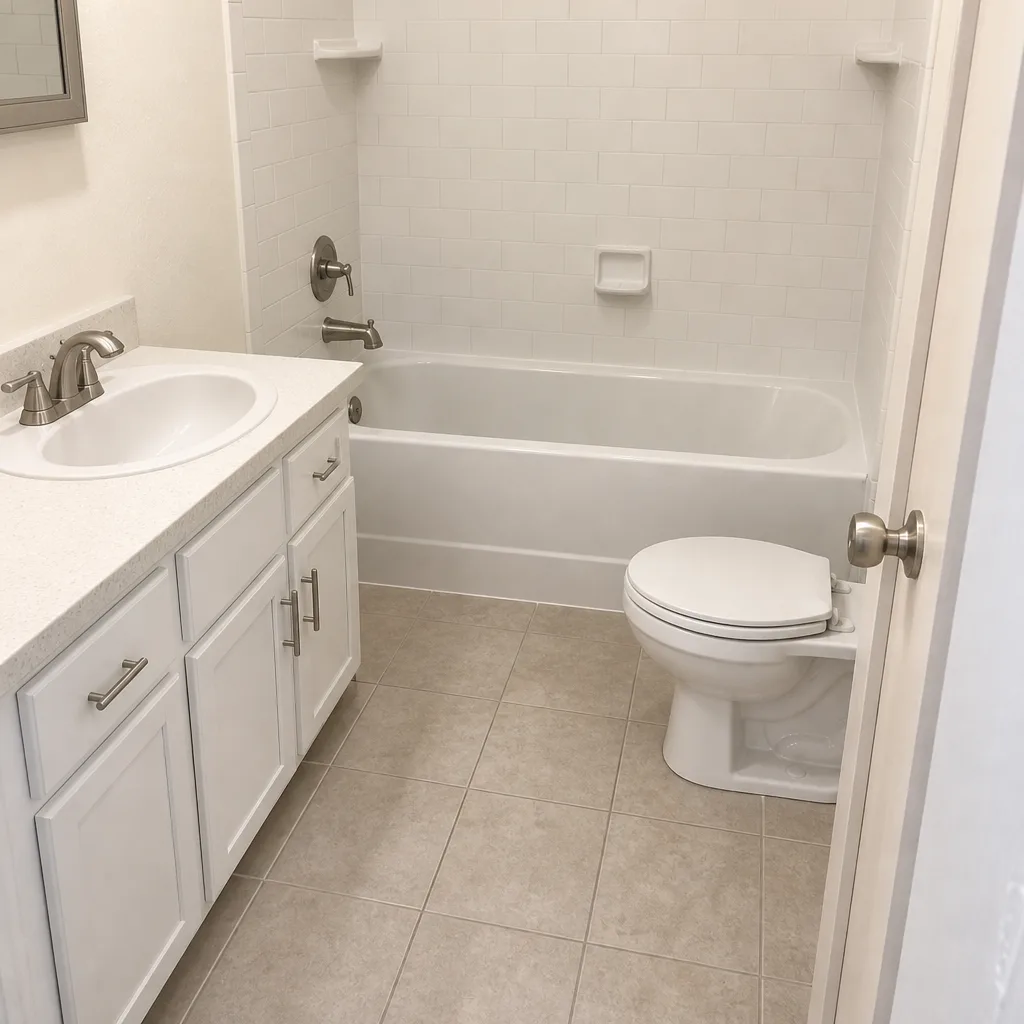 After
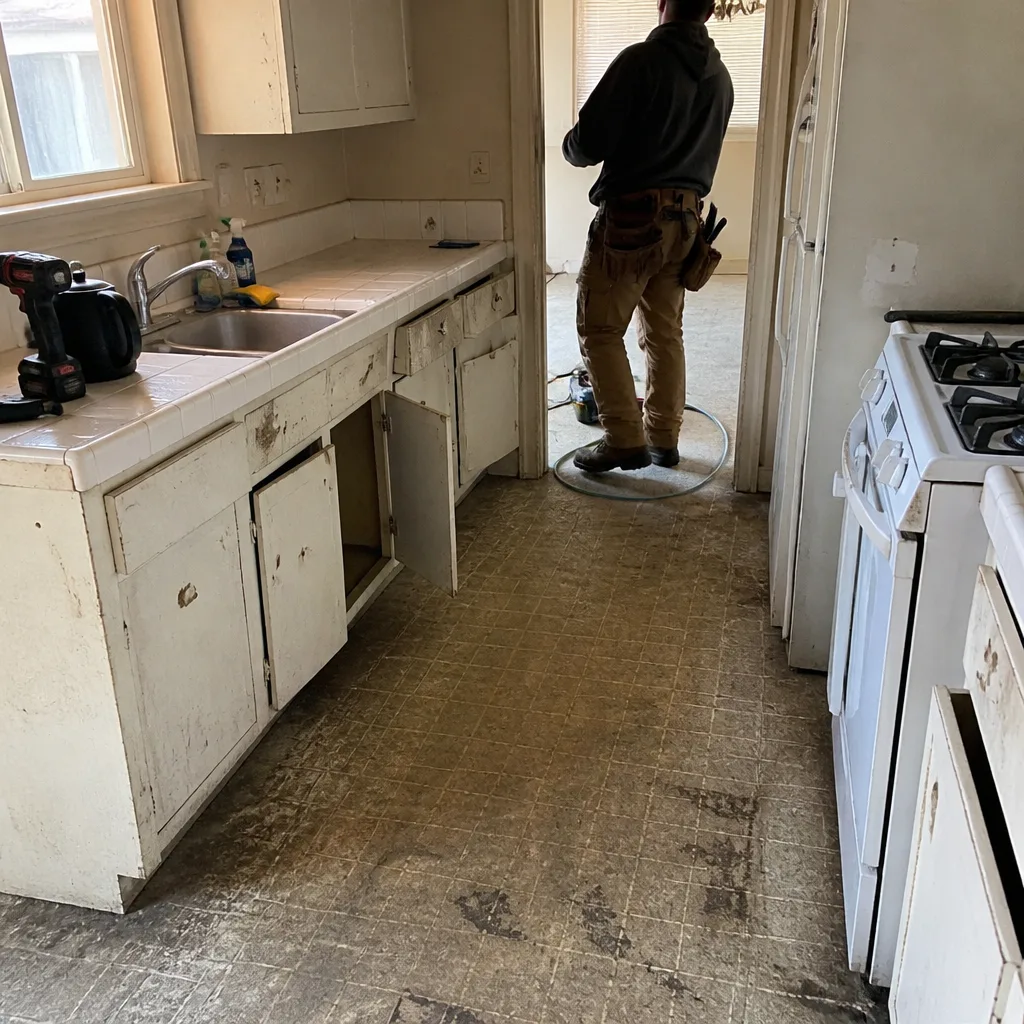 Before
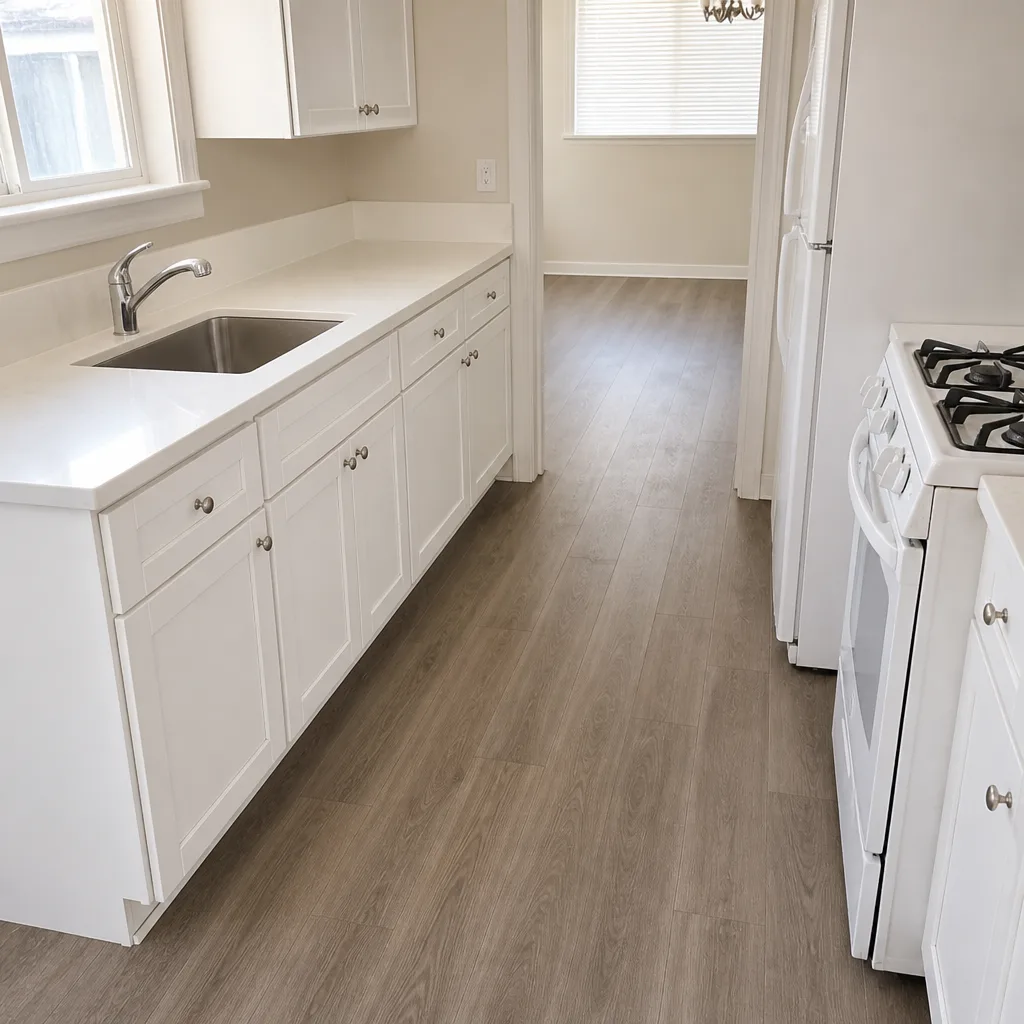 After
Attached vs Detached ADU in Lancaster, CA: What Your Lot Can Actually Carry
For most Lancaster lots, a detached ADU is the better call unless you need the build done fast and cheap and can spare the parking. The reason isn’t preference. It’s the ground. Lancaster sits on high-desert clay that swells and shrinks with the seasons, and a detached unit gets a foundation engineered for the soil report on that exact spot, separate from the main slab. An attached ADU inherits the soil conditions already under your house. That single difference shapes cost, livability, and resale more than any floor plan. Call (888) 427-1810 and we’ll walk your lot before you commit to either.
Why the slab decides this for Lancaster homeowners
The opening question we hear most is a fair one: “Won’t a detached unit 20 feet from the house sit on the same dirt?” Sometimes it does. Often it doesn’t. Expansive clay across much of the Antelope Valley moves with moisture swings, and a lot that looks flat and uniform from the patio can read very differently in a soil report taken near the back fence line. That difference belongs in the foundation design, not discovered after the pour.
Attached construction shares your existing foundation system and whatever conditions that slab was built on. If your home went up during Lancaster’s 1980s-2000s tract boom, the slab has already spent decades responding to that clay. A fresh detached foundation, by contrast, gets designed for its own footprint. That’s the honest technical heart of Home Additions & ADU work on this side of the Valley, and it’s why we look at soil movement before we look at square footage.
High-desert conditions add stress the coast doesn’t see. Summer heat regularly clears 100°F, winds push hard and steady, and winter nights drop cold enough to work on exterior finishes. Stucco and slab edges here take a beating. A detached unit lets us detail the envelope and slab independently of the main house. An attached unit ties the two together, which is fine when the numbers work and risky when the existing slab is already stressed.
Attached ADUs: fast and cheaper, with trade-offs you should see coming
In Lancaster’s attached-garage tract stock, the most common attached project is a garage conversion. It’s usually the fastest and least expensive path because the structure, roof, and slab already exist. Our published range for a garage conversion runs $30,000-$80,000, and the full ADU range for this area runs $45,000-$130,000 depending on scope. Those are real brackets, not teasers.
The trade-off is parking. Lancaster is genuinely car-dependent, and giving up a garage bay changes daily life. There’s also sound. Shared-wall living means noise transmission, and that’s a frequent complaint from attached conversions where the build didn’t account for it. We detail shared walls to cut that down, but a detached unit solves it outright.
One cost that catches people: utilities. An attached ADU shares your existing electrical panel and plumbing stack, which can hold costs down. But if your panel is an original 100-amp service from the 1980s or 1990s, the ADU is the event that forces an upgrade. That belongs in the written allowance from the first page, not on an invoice at the end.
Detached ADUs: privacy and independent systems, priced honestly
Lancaster’s characteristically large lots give detached units room to work. Placing the ADU to preserve privacy for both tenant and homeowner is a real livability advantage, and it’s the reason many of our clients lean this way despite the higher cost.
Detached construction means its own utility connections, and sometimes a separate meter. That line item is exactly where vague contractor estimates balloon, because it’s easy to quote low and reconcile later. We put every utility connection cost in the written scope before work starts. Here’s how the two stack up against each other:
| Factor | Attached ADU | Detached ADU |
|---|---|---|
| Foundation & soil | Shares existing slab and its soil conditions | Fresh foundation designed for the soil report on that footprint |
| Typical Lancaster cost | Garage conversion $30,000-$80,000 | $90,000-$220,000 |
| Build speed | Faster | Slower, more site work |
| Parking | Often eliminates a garage bay | Keeps existing parking intact |
| Sound & privacy | Shared wall, noise transmission common | Separate structure, privacy on both sides |
| Utilities | Shares existing panel and plumbing stack | Own connections, possible separate meter |
What we actually check on your lot
- The soil report. Clay movement is the driver. We read the report against where the ADU will sit, not just the main house.
- The existing slab’s history. Cracks in a home that looks fine tell us how the clay under your footprint behaves.
- Your electrical panel. An original 100-amp service usually means an upgrade, and that’s in the allowance before work starts.
- The parking question. Whether losing a garage bay fits how your household actually lives.
- The permit record. Separate permits for ADU work, pulled regardless of attached or detached.
We build on premium materials you can look up, not mystery brands, and on the exterior side that means components from makers like CWS and ES Windows where the spec calls for them. A detached unit’s envelope has to stand up to Lancaster’s UV and wind for decades. The brand names matter because you can verify them.
Pulling the permit isn’t optional, and here’s why it’s worth the paper
Barrett & Sons Construction Lancaster pulls separate permits for ADU work whether the unit is attached or detached. That’s not red tape. In Lancaster’s market, the permit record and signed inspections are what allow legal rental and what protect you at resale. An unpermitted ADU is a liability hiding in plain sight, and the last contractor most customers used told them permits were optional. They weren’t.
Every scope, every allowance, and every price change arrives as a written change order before anything moves. The permit inspector works for you, not for us, and that’s exactly why we like him.
Common local scenarios we see in Lancaster
Expansive clay near the back fence. A homeowner in one of the west-side tract neighborhoods wants a detached unit, but a soil report shows the clay behaving differently near the property line than under the house. The foundation design responds to that report before the pour.
A 1980s garage conversion. The panel is original 100-amp. The conversion itself is straightforward, but the electrical upgrade is real money, so it sits in the written scope from day one.
The privacy-first build on a big lot. A larger Quartz Hill lot lets us place a detached unit where tenant and homeowner both keep their quiet. Shared-wall noise never becomes a conversation.
A garage that’s also a workshop. Sometimes the parking question settles it. The household needs the bay, so an attached conversion isn’t the right answer and we say so.
FAQs
An attached garage conversion typically runs $30,000-$80,000 in Lancaster, while a detached ADU runs $90,000-$220,000 depending on size and site work. The gap is real and mostly reflects independent utilities and a fresh foundation designed for the soil under that footprint. Call (888) 427-1810 for an exact quote on your lot; estimates are free.
No. A detached unit gets a foundation engineered for its own soil report, which helps when the clay behaves differently near the back of the lot. But if your existing slab is sound and you need the build done fast and cheap, an attached conversion is often the smarter money. The answer comes from the report, not a rule of thumb.
Sometimes, and it depends on your existing service and load. An attached unit shares your panel, but an original 100-amp service from the 1980s or 1990s usually forces an upgrade regardless. A detached unit may need its own connection or a separate meter. We put every utility cost in writing before work begins.
We can schedule a no-pressure assessment quickly, and a live person answers the phone around the clock. A site visit confirms where the soil report points and whether your panel needs attention. Call (888) 427-1810 and we’ll find a time that works.
If you’d rather have it looked at, Barrett & Sons Construction Lancaster offers a no-pressure assessment in Lancaster. We read the soil report and the slab before we quote, so the number you get is the number you keep. Call (888) 427-1810 for a free estimate.
Written by the team at Barrett & Sons Construction Lancaster, serving Lancaster, CA.