
Last updated November 17, 2026
 Bathroom remodeling
 Kitchen remodeling
 Home additions & ADU
 Roofing
 Windows & doors
 Driveway & pavers
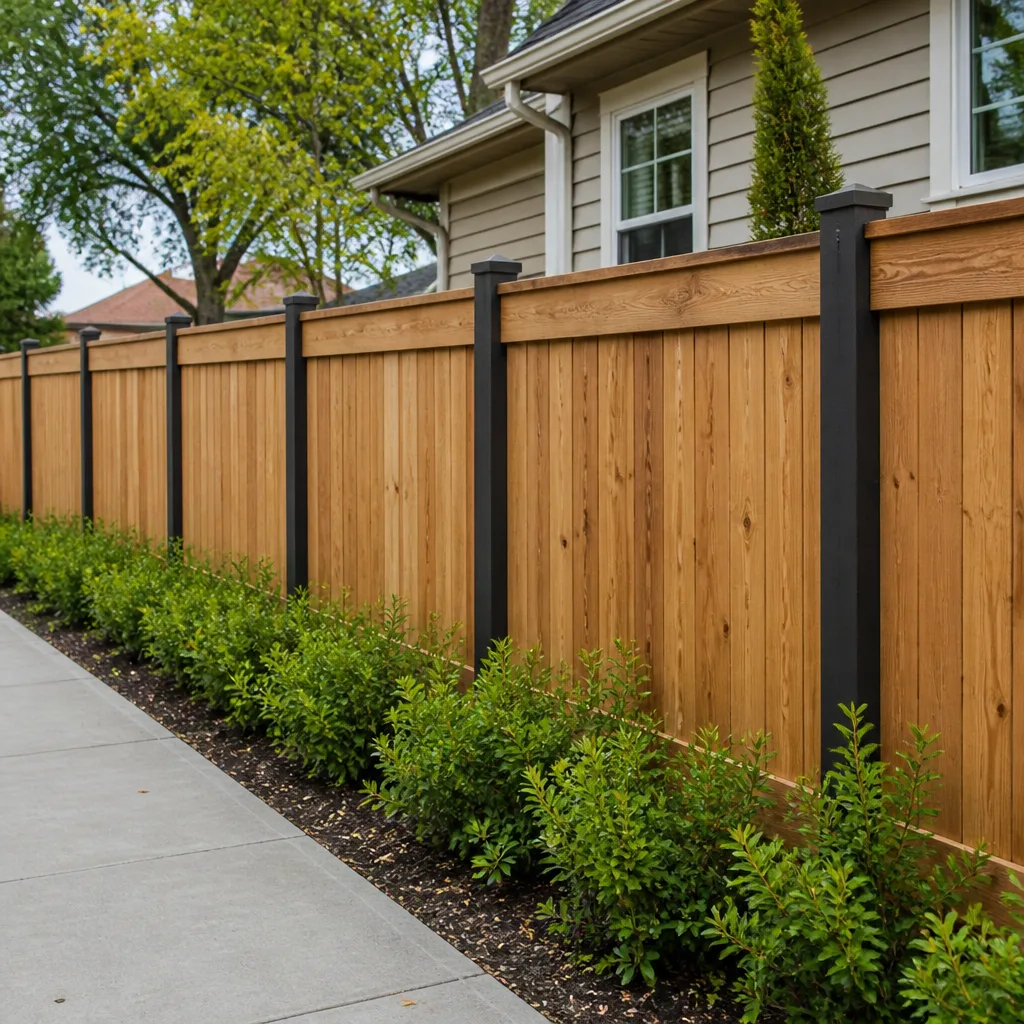 Fence
Free written scope consultation - allowances, timeline, and change-order rules on paper before a single trade is scheduled
Bathroom Remodeling Maintenance Schedule: What to Do and When
Most remodel warranties void themselves quietly. Not with a dramatic flood, but with a cracked bead of caulk at the shower pan that nobody looked at for six months. By the time water gets behind the tile, the manufacturer reads the void clause and walks away from the claim. We’ve watched this happen in Lancaster more than a few times, and it almost always comes down to a homeowner who was never handed a maintenance plan after the final walk-through. So here it is: what to check, when to check it, and which tasks belong to you versus a pro. This guide covers the first year after a new install, the routine for an older bathroom, and the paper trail that protects your warranty when something goes wrong.
Quick Answer
A bathroom remodel needs a checkup at 30 days, 90 days, six months, and twelve months after install, then an annual routine. The first year is about catching settling: grout hairline cracks, caulk joints that pull away, and supply-line connections that loosen. After year one, the work shifts to hard-water scale removal and re-sealing stone and grout. Log every step so a warranty claim has documentation behind it.
Styles & brands we work with
- Kitchen remodeling
- Bathroom remodeling
- Home additions & ADU
- Roofing
- Windows & doors
- Driveway & pavers
- Fence
Table of Contents
- The First-Year Schedule: Month by Month
- Routine Care for an Older Bathroom
- DIY-Safe Tasks vs. Tasks That Need a Pro
- Lancaster Hard Water: What It Does to New Fixtures
- The 90-Day Post-Remodel Walk-Through
- The Annual Sign-Off Checklist
- Common Mistakes to Avoid
- When to Call a Professional
The First-Year Schedule: Month by Month
The first twelve months after a fresh install are the settling period. Tile, grout, and setting materials move as they cure, and housing in the Antelope Valley expands and contracts through the temperature swing between a July afternoon in the high 90s and a January night near freezing. That movement is normal. What matters is catching it early.
Here’s the schedule we hand to homeowners after a bathroom remodel in Lancaster:
- Week 1: Look at every caulk joint – tub-to-tile, shower pan-to-wall, vanity-to-wall. Note any gap. Run water in every drain and watch the supply lines under the sink for a full minute.
- Month 1: Re-check caulk joints and grout lines for hairline cracks. This is the most common settling window. Take photos with a date stamp.
- Month 3: Full walk-through (see the dedicated section below). Check the toilet base for rocking, test the exhaust fan’s airflow with a tissue, and look at the shower pan edges.
- Month 6: Inspect grout in the shower floor especially. Check the finish on fixtures for early mineral spotting. Confirm the toilet tank isn’t sweating.
- Month 12: Annual service: re-seal natural stone and grout if applicable, replace the exhaust fan filter if it has one, and do a full caulk inspection. That’s the baseline year done.
If you had work done through our Barrett & Sons Construction Lancaster home page, you already have the schedule in writing. If you went with another contractor and never got one, start today. The calendar is more important than the contractor’s name on the receipt.
Routine Care for an Older Bathroom
An older bathroom doesn’t have settling to worry about, but it does have wear. Grout erodes, caulk hardens and pulls away, and shutoff valves seize. The routine is lighter but more consistent. Here’s what we recommend for a bathroom that’s past its tenth year:
- Monthly: Run water in the sinks and tub you don’t use often. Dry traps let sewer gas in, and old valves don’t like sitting.
- Quarterly: Inspect the caulk at the tub and shower. Press a fingernail into the bead – if it’s hard and flaking, it’s due.
- Every six months: Look at the grout in the shower floor and the corners of the walls. Regrout small sections before water gets behind the tile.
- Annually: Test the toilet’s fill and flush valves. Turn the shutoff valves under the sinks a quarter-turn and back to keep them from seizing.
We see a specific pattern in older homes around Lancaster’s east side, where the housing stock dates to the 1970s and 1980s: original wax rings under toilets fail quietly, and the first sign is a soft spot in the subfloor. If the floor feels spongy near the toilet base, that’s a call-a-pro moment, not a wait-and-see moment. If you’re already thinking about a bigger project on the same property, our guide to Home Additions & ADU in Lancaster covers how a new bathroom ties into a larger build.
DIY-Safe Tasks vs. Tasks That Need a Pro
Not every maintenance job is created equal. Some are safe and even satisfying to do yourself. Others need the same precision as the original install, and getting them wrong is exactly how warranties void.
DIY-safe:
- Cleaning fixtures with the manufacturer’s recommended product
- Replacing the exhaust fan cover and cleaning the fan grill
- Replacing the toilet flapper and fill valve (a $15 job most homeowners can handle)
- Applying a grout sealer to fully cured, undamaged grout
- Tightening a loose toilet seat or towel bar
Call a pro:
- Re-caulking a shower pan joint. This isn’t the same as caulking around a sink. The bead has to be continuous, the joint completely dry, and the right elastomeric sealant used, or water gets behind the tile and the warranty is gone.
- Any grout repair in a wet area – if it’s cracked, water has likely already started in.
- Replacing a shower valve cartridge. Getting this wrong means water damage inside the wall.
- Anything behind the tile or under the floor.
The shower pan caulk is the one that gets people. It looks like a $6 tube of caulk and a Saturday morning. It’s not – it’s the joint that protects the most expensive part of the room. Barrett & Sons Construction Lancaster treats that re-caulk as an install-grade task, done with the same products and methods as the original job.
Lancaster Hard Water: What It Does to New Fixtures
Lancaster’s water is hard, and that changes the maintenance math. The Antelope Valley gets a good share of its water from groundwater sources with high mineral content – calcium and magnesium mostly. On a brand-new brushed nickel faucet, that shows up as white spotting within weeks, not months. On new grout, it shows up as a dull, chalky film.
What you need to know:
- Wipe fixtures dry after every use. Sounds fussy. It’s the single biggest thing you can do to keep a finish under warranty, because manufacturers exclude mineral damage from claims.
- Use pH-neutral cleaners only. Vinegar and citrus-based sprays will etch some finishes and are often excluded by the manufacturer’s warranty. Read the finish care card that came with the fixture – most name the approved cleaner.
- Skip abrasive pads. A green Scotch-Brite pad on a brushed finish will dull it permanently.
- Re-seal grout every 12 to 18 months. Hard water attacks sealer faster than soft water does, and once it’s through the sealer it starts on the grout itself.
If you have a whole-house softener, great. If you don’t, a simple inline filter on the shower head won’t fix hardness, but it will catch sediment that scratches finishes. The brands we install – including KraftMaid vanities and Cambria surfaces in kitchens and baths – come with finish care documentation. Keep it. It’s what a warranty claim will ask for.
The 90-Day Post-Remodel Walk-Through
The 90-day mark is where a remodel either closes out clean or starts drifting. We treat it as a formal step, not a phone call. Here’s what we look for, and what you should log yourself.
- Caulk and grout: Every joint in the shower, around the tub, and at the vanity backsplash gets pressed and inspected. Any separation gets re-done.
- Fixture connections: We check supply lines under every sink, the toilet’s water line, and the shower valve from the access panel if there is one.
- Drain performance: Slow drains at 90 days usually mean debris from the build, not a clog. We clear them.
- Exhaust fan: Tissue test to confirm airflow, plus a check that the fan actually terminates outside and not into the attic.
- Door and drawer alignment: Vanity doors and drawers get adjusted. They always shift in the first three months.
- Water staining: Any discoloration on drywall below the bathroom means a leak above. This is the most important thing you can catch.
What homeowners should log: date, what was inspected, what was found, what was done, and photos. Keep it in a folder. If a warranty claim ever comes up, that log is the difference between “we maintained it” and “we don’t know what happened.”
If your 90-day mark is coming up on an older renovation and the original contractor is gone, our Driveway & Pavers in Lancaster team can connect you with a full property walk-through that includes the bathroom – because water issues and exterior drainage are more connected than most people think.
The Annual Sign-Off Checklist
Once a year, sit down with a clipboard and go through the bathroom room by room. It takes 30 minutes and creates the paper trail that protects every warranty in the room.
- Caulk joints: tub, shower, vanity, backsplash. Inspect, note, replace where needed.
- Grout: shower floor, shower walls, floor tile. Inspect for cracks and missing sections.
- Sealer: re-apply on stone and grout if it’s been 12 to 18 months.
- Fixtures: check for mineral buildup, finish wear, and any leaks at the base.
- Toilet: rock the base, check the wax seal for signs of failure, test the shutoff.
- Exhaust fan: tissue test for airflow, clean the grill.
- Drains: run hot water, check for slow drainage.
- Doors and drawers: tighten hinges and slides.
- Water damage: look at the ceiling below and the wall behind the shower. Any stain is a call.
Sign and date it. Keep the last three years in a folder. If you sell the home, that folder is a selling document. If you file a warranty claim, it’s evidence. It’s one of those small habits that pays off years later.
If a fence or gate around the property is part of a larger maintenance routine you’re building, our Fence Installation in Lancaster team can help you assess that alongside the rest, since Bufftech and ActiveYards products carry their own warranty timelines that homeowners often lose track of.
See the difference
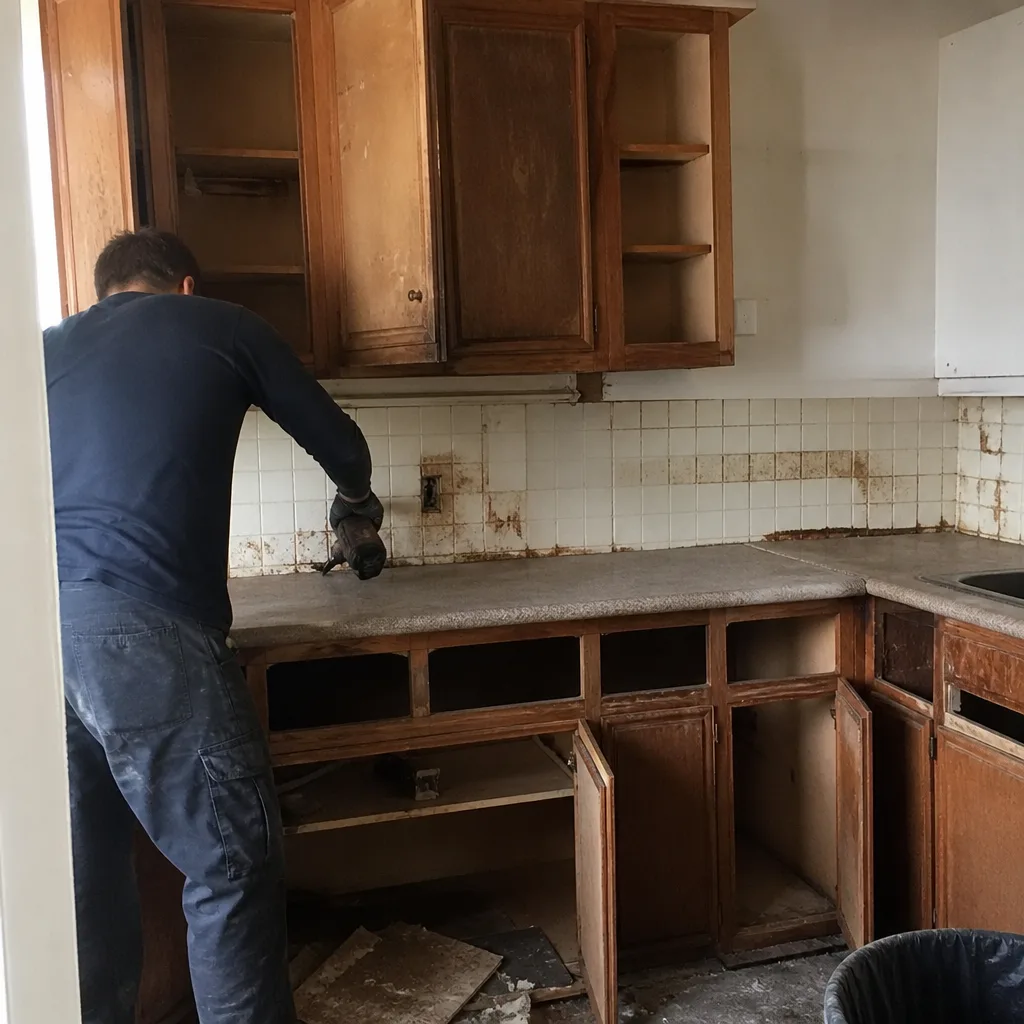 Before
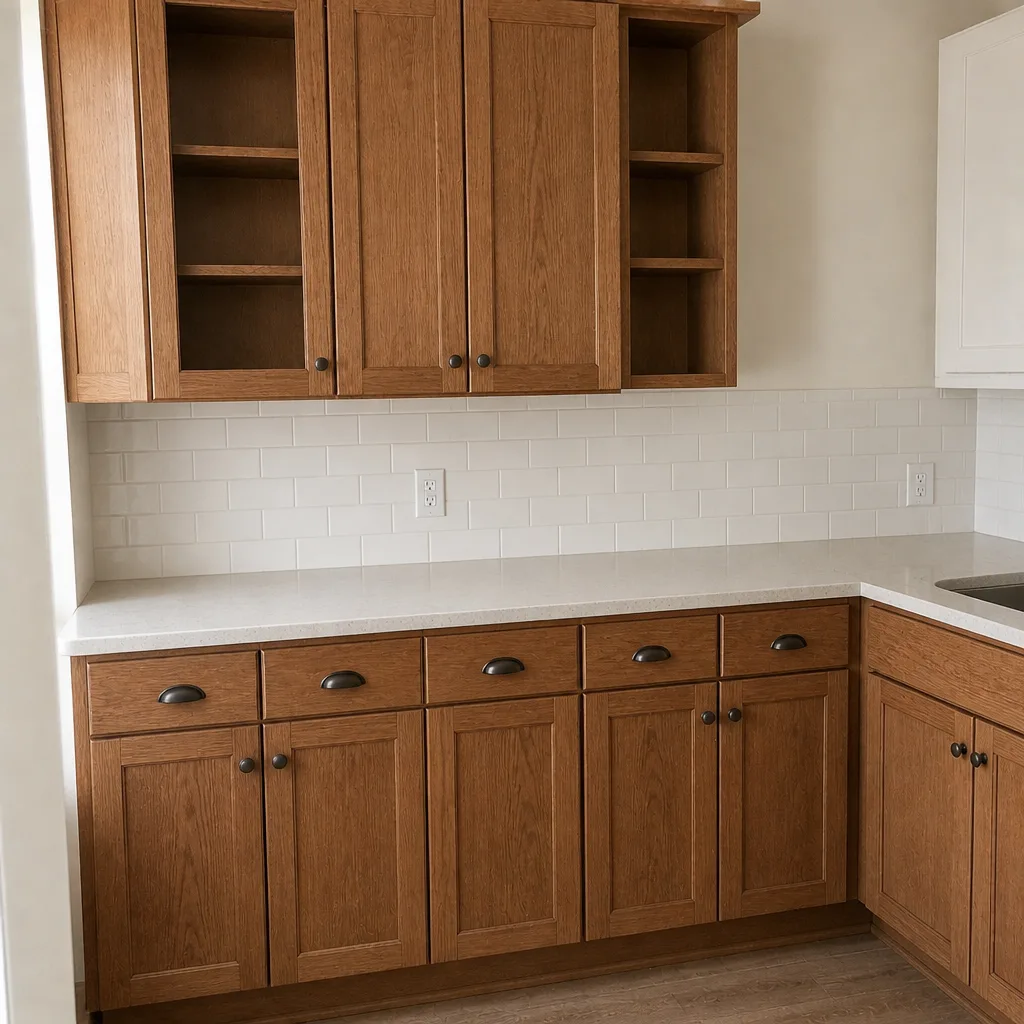 After
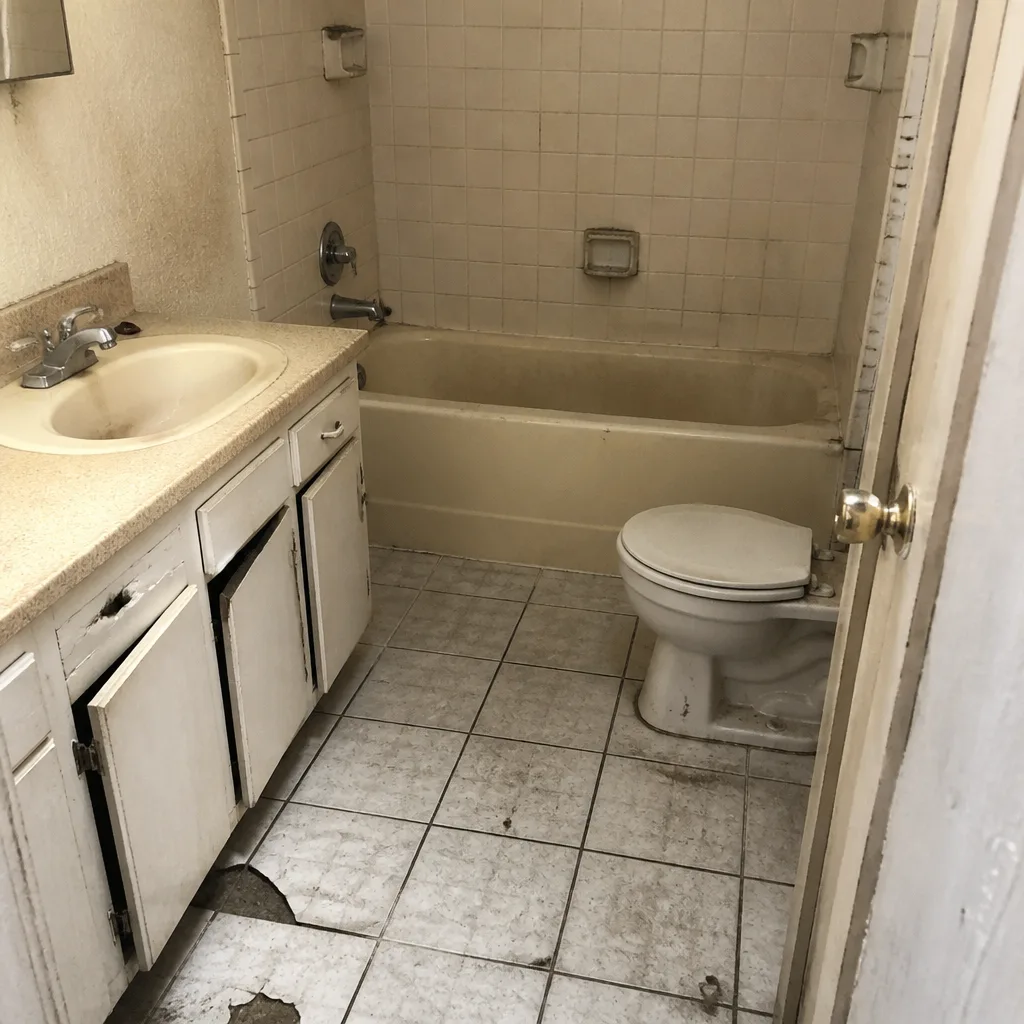 Before
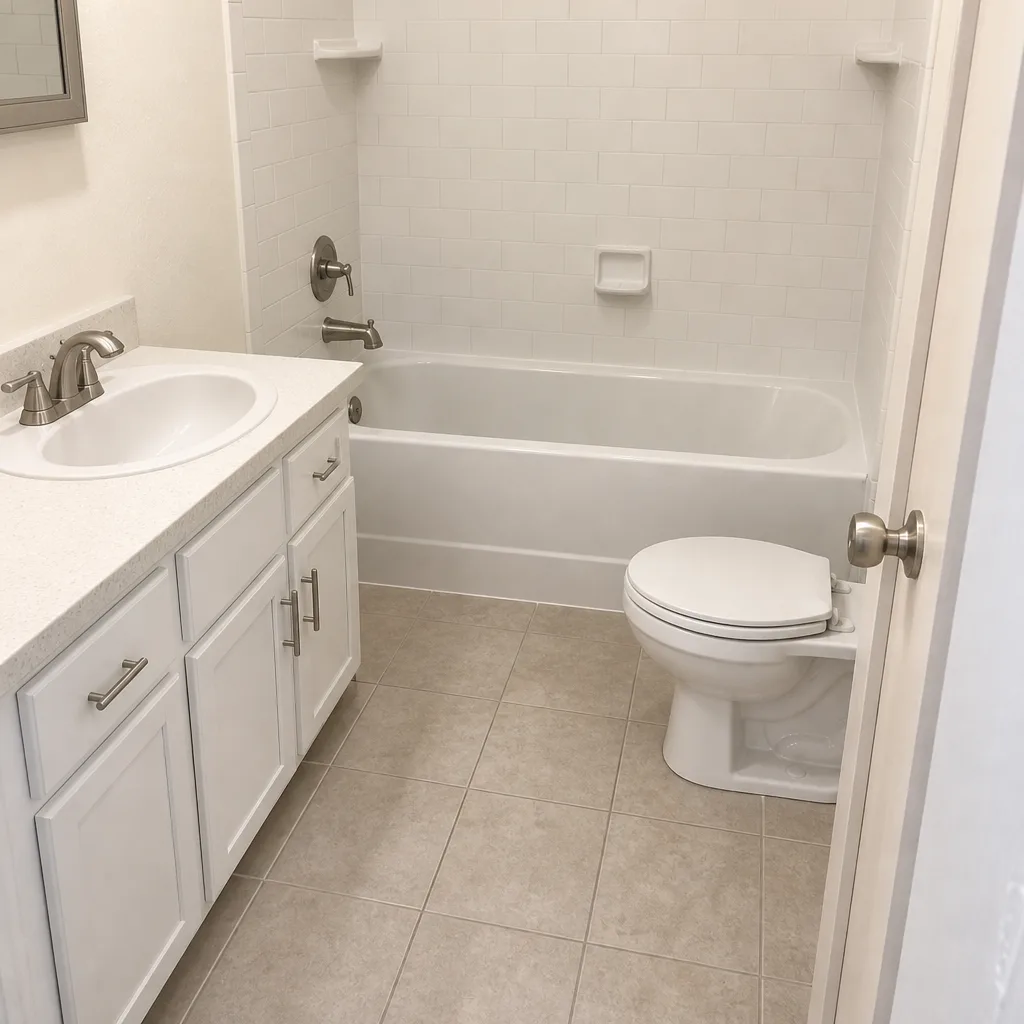 After
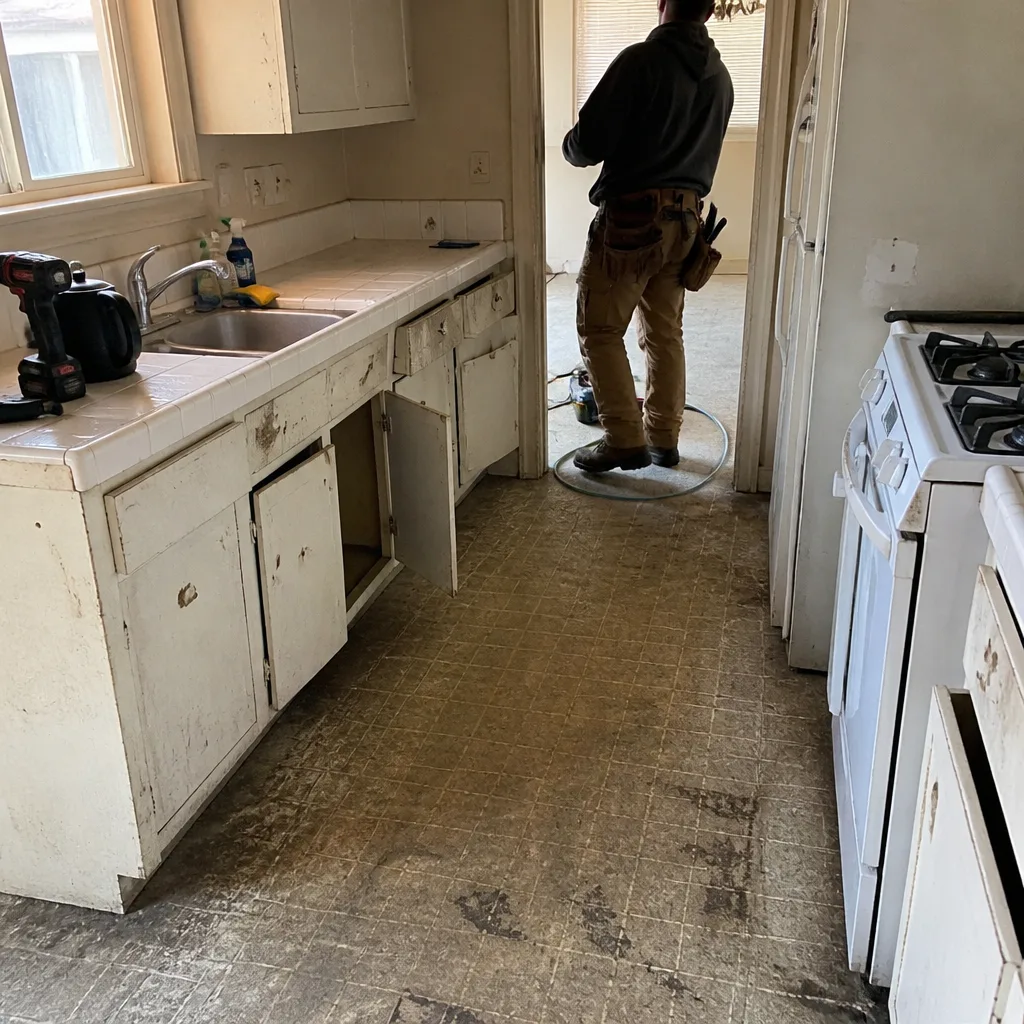 Before
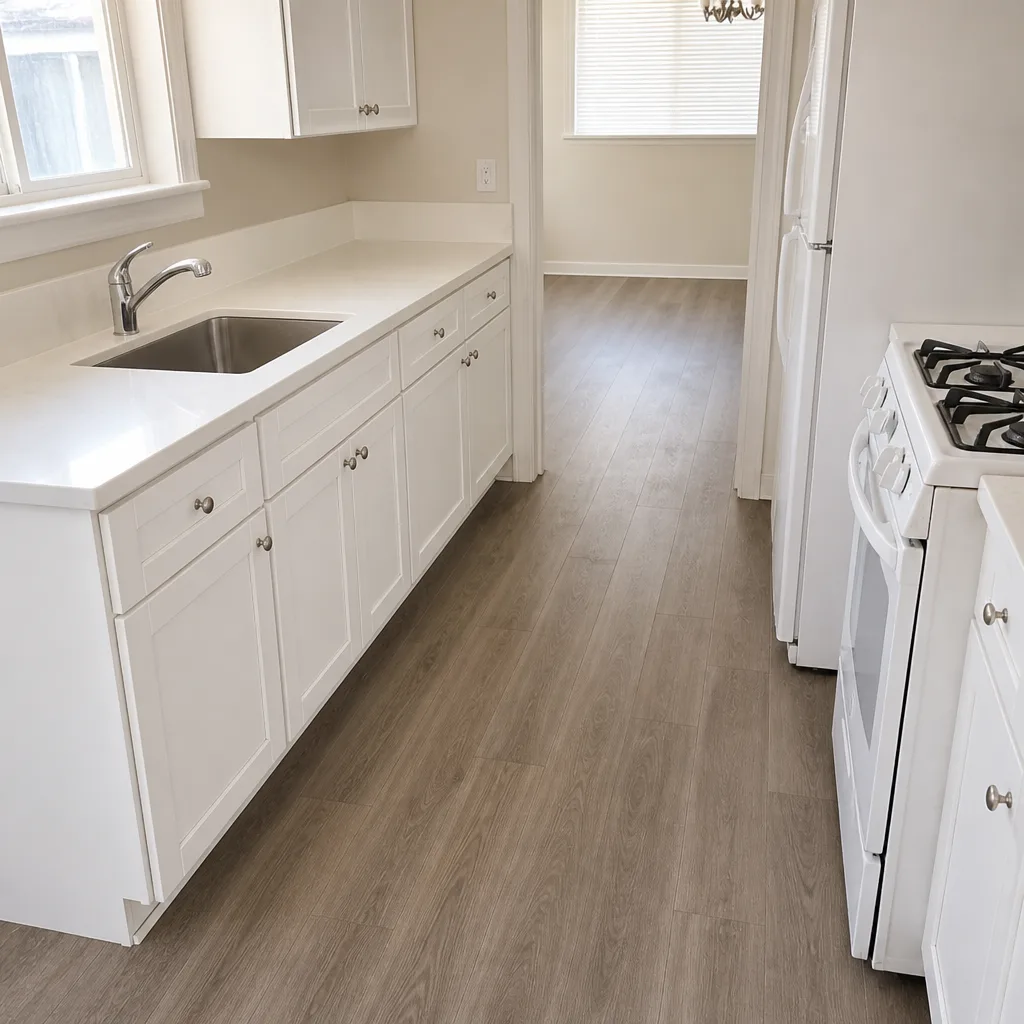 After
Common Mistakes to Avoid
- Using vinegar on natural stone or finished fixtures. Vinegar is a great hard-water cleaner on glass. On Cambria or on a brushed metal finish, it etches and voids the warranty.
- Re-caulking over wet or dirty surfaces. The new bead won’t bond, water keeps getting in, and you’ve just made the problem harder to see. The joint has to be bone dry.
- Skipping the 30-day check. This is when the most movement happens. Miss it and the small hairline crack becomes a wet-wall repair.
- Ignoring a soft spot near the toilet base. In Lancaster’s older housing stock, this usually means a failed wax ring has already soaked the subfloor. Wait and it becomes a full floor replacement.
- Cleaning grout with bleach-based products. It kills mold on the surface but degrades the grout itself over time. Mild dish soap and a soft brush is what most grout manufacturers recommend.
- No records. A warranty claim without maintenance documentation is a claim with a strike against it. Every manufacturer will ask what care was done and when.
- Assuming permits were pulled on the original install. If they weren’t, a warranty claim can stall on unpermitted work. We pull and sign permits on every eligible job – if your last remodel didn’t, ask us to look before you file a claim.
When to Call a Professional
Some jobs are worth the call. A cracked shower pan caulk line, water staining on the ceiling below the bathroom, a soft floor near the toilet, a shower valve that won’t shut off, or any grout failure in a wet area – those are all pro calls. So is any warranty claim: before you file, have someone with installation experience document what’s actually happening, because the cause matters as much as the symptom.
Barrett & Sons Construction Lancaster offers free estimates in Lancaster – call (888) 427-1810. We’ll walk the bathroom, look at what the last contractor left behind, and tell you what’s maintenance and what’s a repair. Our crew members have up to 28 years of experience and every completed job carries the written 90-Day Done Right Promise.
Frequently Asked Questions
Inspect every caulk joint at 30 days, six months, and twelve months, then annually. Re-caulk when the bead pulls away, hardens, or cracks – typically every 3 to 5 years in Lancaster’s climate, sooner if the shower gets heavy daily use. Don’t wait for a leak to show: by then water has usually been behind the tile for weeks. Call (888) 427-1810 for an exact quote on re-caulking – estimates are free.
Yes, and it’s the number one cause of finish warranty claims we see. The mineral content in Lancaster’s water leaves deposits that manufacturers classify as neglect if unaddressed. Wipe fixtures dry after each use, use only the approved cleaner, and re-seal grout every 12 to 18 months.
Usually not, unless the crack is clearly from installation rather than settling. Most manufacturers treat grout cracks after 30 days as homeowner maintenance. That’s why the 30-day and 90-day inspections matter – a crack that shows up early is a workmanship issue, and a crack that shows up at month eight is maintenance. Documentation is what establishes which is which.
Stop using that toilet and call a pro. A soft spot near the base almost always means a failed wax ring has soaked the subfloor, and it needs to be opened up before the damage spreads. In older Lancaster homes, this is common and fixable, but not a wait-and-see situation. Call (888) 427-1810 – estimates are free.
No. Shower valves sit behind the wall, and a bad seal floods the cavity and voids the install warranty. This is a licensed-plumber job. The same goes for anything behind the tile or under the floor.
Repair and maintenance work usually doesn’t require a permit. Full remodels do, and we pull and sign permits on every eligible job. If you’re unsure whether your last remodel was permitted, mention it during your free estimate and we’ll look it up.
The Bottom Line
A bathroom remodel’s lifespan isn’t set by the tile or the fixtures. It’s set by what happens in the two years after the last grout line is sealed. Inspect at 30 days, 90 days, six months, and a year, then annually. Wipe fixtures dry in Lancaster’s hard water, use approved cleaners only, and keep a signed, dated log of every inspection. That log is what protects the warranty and what a future buyer will want to see. And if a task looks like it needs the same precision as the original install, call us – because that’s usually where warranties quietly die.
Call (888) 427-1810 for a free estimate on any bathroom maintenance, repair, or full remodel in Lancaster. A live person answers the phone 24 hours a day, 7 days a week. Every price change arrives as a written change order before work proceeds, and every completed job is backed by the written 90-Day Done Right Promise.
Written by the team at Barrett & Sons Construction Lancaster.