
Last updated November 17, 2026
 Home additions & ADU
 Kitchen remodeling
 Bathroom remodeling
 Roofing
 Windows & doors
 Driveway & pavers
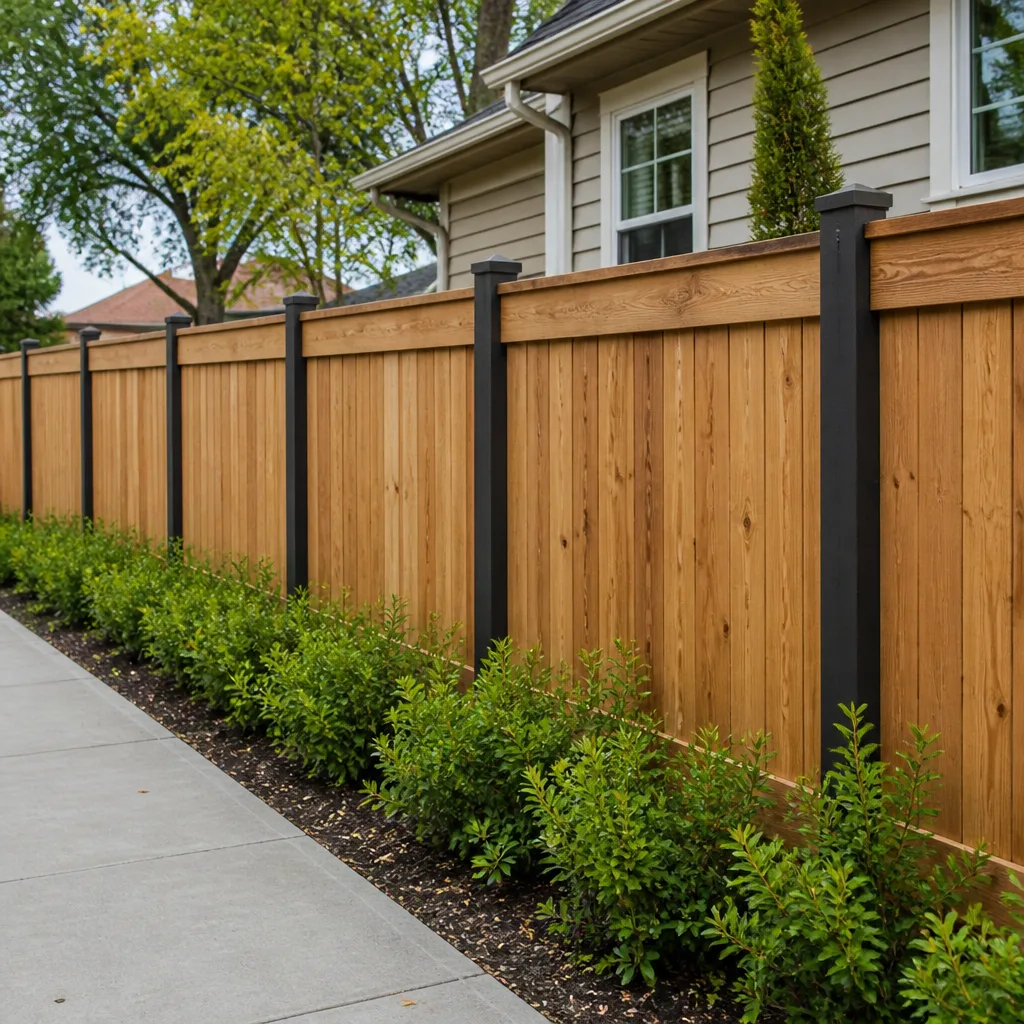 Fence
Free written scope consultation - allowances, timeline, and change-order rules on paper before a single trade is scheduled
Fence Installation Warning Signs Every Homeowner Should Know
A fence that leans within two years almost always had a warning sign on day one that the homeowner didn’t know to look for. Usually it was a quote that never mentioned post depth or concrete mix. We’ve walked plenty of properties in Lancaster where a fence was standing straight enough on the surface, but the posts were set eighteen inches deep in loose sand with a couple of bags of quick-set dumped in the hole. That fence was doomed before the first picket went up. This guide teaches you to read the signals while you can still walk away: the paperwork, the permit habits, the questions a contractor asks about soil and utilities, and the conversation about concrete that separates a real crew from a guy with a trailer.
Quick Answer
The biggest fence installation warning signs are a quote given over the phone with no site visit, no mention of DigAlert or utility locating before digging, vague or absent post depth and concrete specs, a contractor who treats permits as optional, and no written change order process. Any one of these is a reason to slow down. Two or more together is a reason to walk.
Styles & brands we work with
- Kitchen remodeling
- Bathroom remodeling
- Home additions & ADU
- Roofing
- Windows & doors
- Driveway & pavers
- Fence
Table of Contents
- Warning Sign 1: The Quote Came Over the Phone
- Warning Sign 2: Nobody Mentioned DigAlert
- Warning Sign 3: Vague Answers About Concrete and Post Depth
- Warning Sign 4: Permits Treated as Optional
- Warning Sign 5: No Written Change Order Process
- Warning Sign 6: Property Lines Treated as Afterthoughts
- A Step-by-Step Pre-Hire Checklist for Lancaster Homeowners
Warning Sign 1: The Quote Came Over the Phone
If a contractor gives you a firm price without ever standing on your property, that number is a guess dressed up as a bid. In Lancaster, the ground varies enough block to block that a blind quote can’t account for what’s actually there. One lot off Avenue L might be packed caliche that fights a post-hole digger for hours. The next lot over near Quartz Hill might be loose decomposed granite that needs a wider footing to hold a post plumb. A fence in the Antelope Valley also has to survive wind that regularly pushes through the valley at 30 to 40 mph in spring, plus ground that dries and shifts hard between wet winters and long dry summers.
A real estimate requires a site visit because the contractor needs to see:
- Soil and slope. Flat sandy lots, sloped lots, and lots with packed hardpan all need different post techniques.
- Existing structures. Where the old fence tied into a block wall, a shed, or a patio cover tells you how the new run has to be anchored.
- Access. Whether a truck and trailer can pull up to the fence line or everything has to be hand-carried through a side gate changes labor on every job.
- Utilities and irrigation. Sprinkler lines, gas stubs, and buried conduit all sit where someone wants to dig.
The quote you should expect is a written, line-item estimate: so many linear feet, this post spacing, this concrete method, this gate hardware, this cleanup. If the price arrives as a single lump number with a handshake, ask what’s behind it. When the contractor can’t break it down, that’s your first real warning sign. If you want to see how a transparent estimate is structured on paper, look at what our Fence Installation in Lancaster page spells out before any work begins.
Warning Sign 2: Nobody Mentioned DigAlert
In California, calling 811 to have underground utilities marked before you dig is not a courtesy, it’s a legal requirement under the state’s dig-in law. A crew that shows up with a truck and starts prying up old posts without a locate ticket is telling you a lot about how they operate. Fly-by-night fence crews skip DigAlert constantly because it can mean a short wait before digging, and waiting costs them a fast job.
What’s buried under a Lancaster yard that should scare you? Plenty. Gas service lines run from the street to the meter, often right where a fence line runs along a side yard. Water and sewer laterals, irrigation mainlines, and low-voltage landscape lighting wire all sit in the same ground. In a neighborhood with larger lots, a private well pipe or an old septic line isn’t unusual. A post-hole digger doesn’t know the difference between dirt and a gas line until it’s too late.
Ask directly: “Will you file a DigAlert locate before you dig, and can I see the ticket?” A legitimate contractor says yes without hesitating and builds the wait into the schedule. A crew that laughs it off or says “we’ll be careful” is a crew that puts your gas line at risk. The moment of truth on any job is the 48-hour window before digging, and honest contractors respect it. The same care matters when a crew is digging for pavers or footings, which is one reason a written scope for Driveway & Pavers in Lancaster work should always mention utility locating too.
Warning Sign 3: Vague Answers About Concrete and Post Depth
This is the conversation where bad contractors reveal themselves, because it’s the part most homeowners don’t know to ask about. Fence height gets all the attention. Post depth is what actually keeps a fence standing. A six-foot privacy fence on a windy Lancaster lot is a big sail, and a post set shallow in dry sand concrete that never cured right will lean first and fail second.
There are two acceptable ways to set a post in concrete, and both require enough depth to work:
- Dry-pack. A pre-mixed concrete blend is poured dry into the hole, tamped around the post, and left to draw moisture from the soil and cure slowly. Done right, dry-pack gives excellent grip in loose soils.
- Wet-pour. Concrete is mixed to a proper consistency and poured around a plumb post, with the post braced until the pour sets.
What you don’t want is a couple of bags of quick-set thrown in a shallow hole with a garden hose sprayed over the top and no bracing. Ask the contractor three questions: How deep will the posts go? What concrete method are you using? How will you keep the posts plumb while it cures? In Lancaster’s soil, depth matters more than how tall the fence is, because a deep, well-set post carries a shorter fence just fine, but a shallow post can’t carry a tall one no matter how good the lumber is. When a fence has to tie into something structural like a block wall or a new driveway apron, that concrete conversation gets even more important, and a proper written scope is the only way to keep the price honest.
Warning Sign 4: Permits Treated as Optional
A contractor who tells you a fence never needs a permit is guessing about your specific lot, and often guessing wrong. Many fence installs are straightforward, but plenty aren’t: fences over a certain height, fences on a corner lot where sight lines matter to the county, fences near an easement, or fences that function as a pool barrier. Pool fencing in particular has strict safety code behind it. The permit inspector works for you, not for the contractor, and that’s exactly why an honest crew doesn’t mind pulling one.
The warning sign is a contractor who gets squirmy when you ask. Listen for lines like “nobody pulls permits for a fence” or “we can skip that and save you money.” That’s not savings, it’s shifting risk onto your property. An unpermitted fence that later becomes a legal question at a sale, or a pool fence that doesn’t meet code and fails a safety check, is a headache that outlasts any warranty. Ask the contractor: “Are you pulling the permit for this job, and will you walk me through the inspection?” A yes should come easily. On any larger project, the same habit carries over: our Home Additions & ADU in Lancaster work runs on permits pulled and inspections signed for the same reason.
Warning Sign 5: No Written Change Order Process
This warning sign is subtler, and it’s the one homeowners regret missing most. Fence jobs are famous for mid-job surprises. The crew hits a root system, discovers the old posts were in concrete all the way down, finds the property line isn’t where anyone thought, or the homeowner decides to add a gate. Any of those can change the price. The question is how you find out.
A good contractor explains the change order process before the job starts: any price change gets written down, signed by you, and only then does the work move forward. You should never learn about a cost increase from the final invoice. Our own rule inside the company is that an allowance that isn’t on paper is a surprise waiting for a date, and it applies to fence work the same as any remodel.
If a contractor brushes off the idea of writing things down, that tells you exactly how the money conversation will go once the truck is in your driveway. Walk away. Ask every bid you collect this one question: “If something changes mid-job, how will I know the price before you do the work?” The answer you want is a written, signed change order, every time.
Warning Sign 6: Property Lines Treated as Afterthoughts
A fence built even a few inches over the property line creates a legal problem that outlasts every warranty on the fence itself. Neighbors in small Lancaster County communities can be perfectly friendly until a fence lands on their side of the line, and then it’s a survey, a lawyer, and a fence that has to move. This is why a careful contractor wants the property line confirmed before the first post goes in, not after.
There are a few ways to establish a line, and a serious contractor should be able to talk through them:
- Existing survey. If you have a survey from a prior sale or refinance, that’s the fastest confirmation.
- Corner monuments. Older lots sometimes have physical markers, but they get buried or moved over the years.
- A new survey. On a large rural lot or where two neighbors disagree about where the line runs, paying for a survey is cheaper than moving a fence later.
The warning sign is a contractor who says “don’t worry, we’ll eyeball it off the neighbor’s fence.” Neighbor fences get rebuilt off old mistakes all the time, and that mistake can spread. Ask how the line will be confirmed before installation, and get the answer in the written scope. Until everyone agrees on where the line is, everything else about the quote is guesswork.
A Step-by-Step Pre-Hire Checklist for Lancaster Homeowners
Reading the warning signs is easier when you have a simple list to run through during the first conversation. This is the checklist we’d want a homeowner to hold us to in Lancaster:
- Insist on a site visit before any price is quoted. No walk, no quote.
- Ask about DigAlert and the utility locate ticket. A clear yes with a ticket is what you want.
- Ask about post depth and concrete method. Get the answer to both in writing.
- Ask whether a permit is required and who is pulling it. Expect the answer in the written scope.
- Ask how the property line will be confirmed. “We’ll eyeball it” is not a method.
- Ask for the change order policy in writing. If it isn’t written, it doesn’t exist.
- Get the line-item estimate. Linear feet, post count, concrete, gate hardware, cleanup, and any disposal.
- Verify the license, the address, and the name on the truck. If the name, address, and license number aren’t published and checkable, that’s the last warning sign you need.
You can run this entire checklist before you sign anything, and a contractor who fails one or two of these answers is one you can still walk away from. The best time to find out is still the bidding stage.
Common Mistakes to Avoid
- Calling around for a price on the phone and comparing numbers. Two blind phone quotes aren’t comparable, because neither one is based on your actual ground.
- Choosing the lowest bid. The lowest number often means shallow posts, thin concrete, or a crew that skipped the locate into the middle of the job.
- Not asking about the concrete. Most homeowners never ask, and the result is a lean within a couple of winters.
- Paying for the permit yourself because the contractor said not to worry. If a permit is required, the contractor handles it; that’s part of the job, not a favor.
- Starting the fence without a walk with the neighbor. A five-minute conversation up front prevents a boundary dispute later.
- Accepting a verbal “we’ll knock a little off the top” when the scope changes. Verbal numbers are the ones that grow into surprise invoices.
- Forgetting to ask about gate hardware and hinge quality. Gates fail first, and a gate that sags within a year is usually a post or hardware problem, not a gate problem.
If you want to think about what fence material suits your lot before you start taking bids, the Fence Installation in Lancaster page walks through the options for Lancaster yards, including brands like Boral and PGT for gate and panel choices where they fit the design.
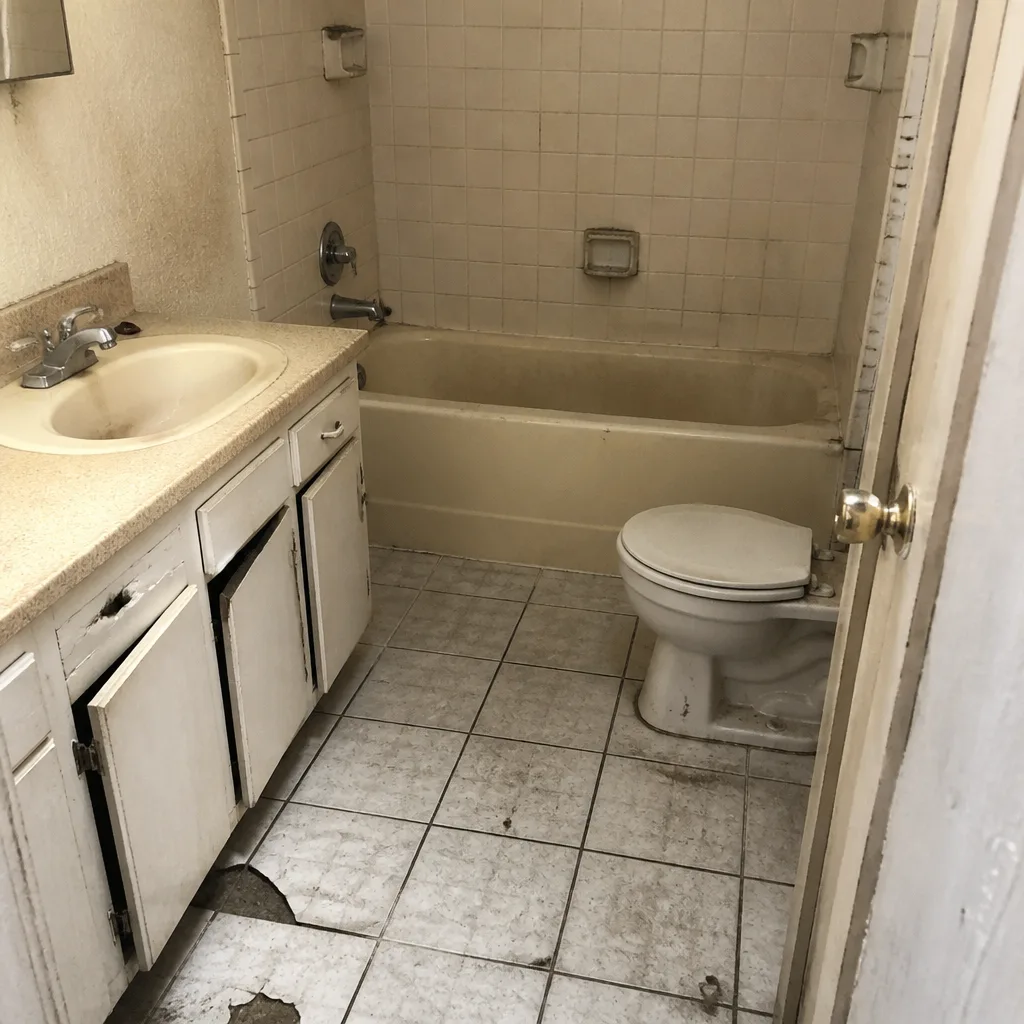
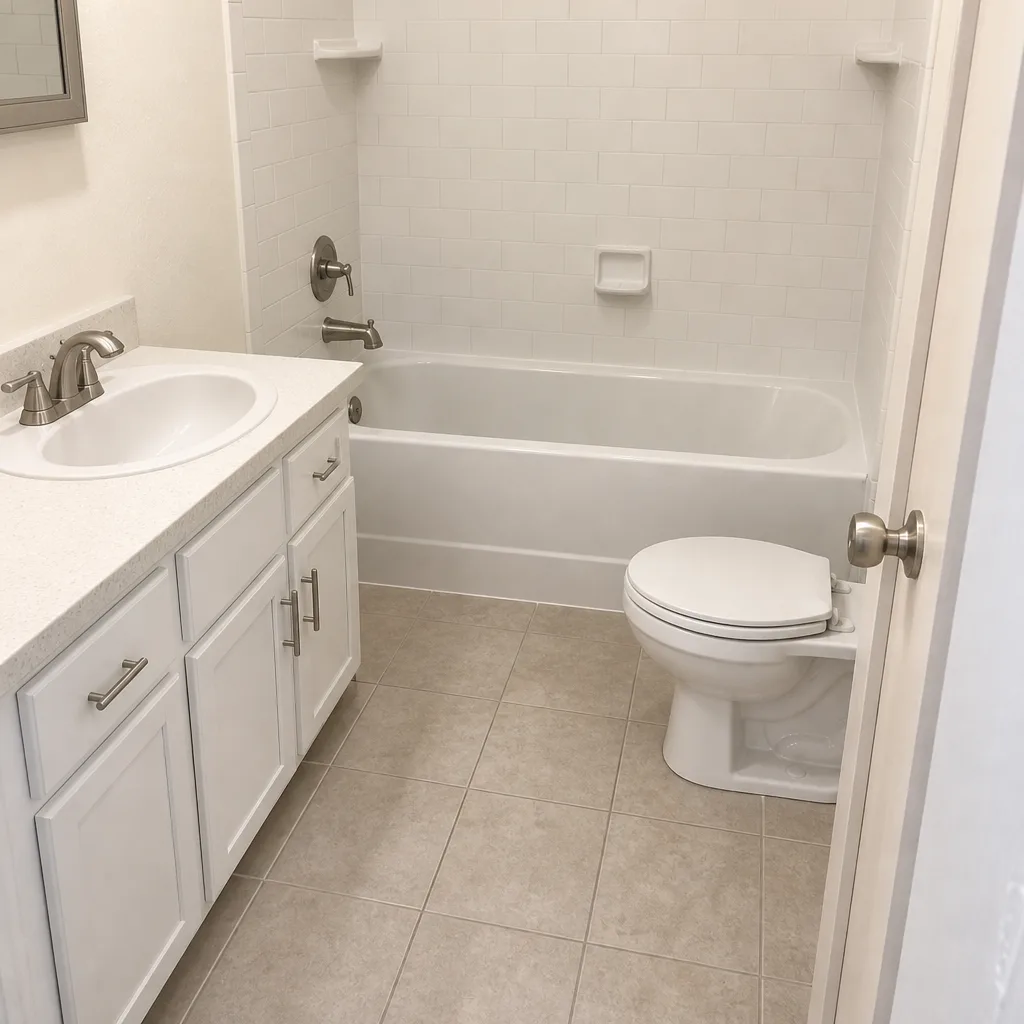
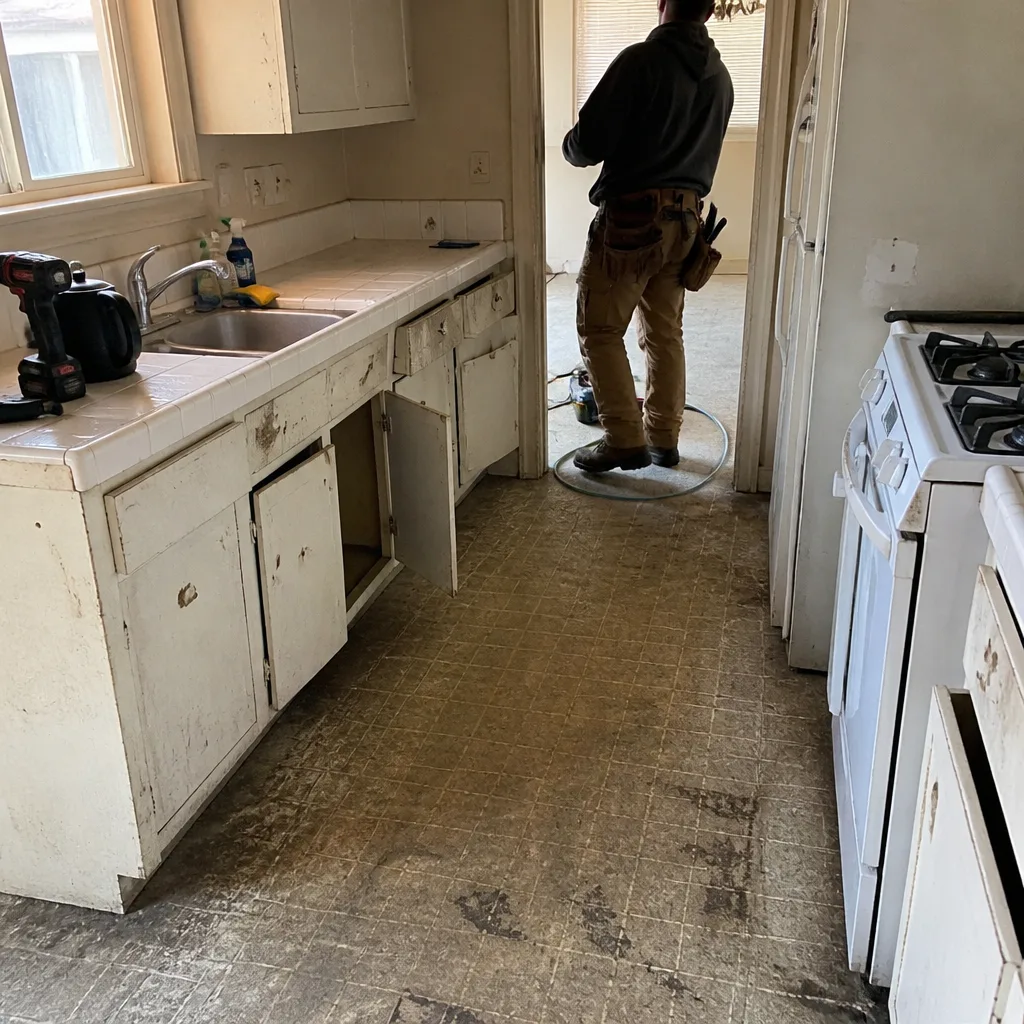
See the difference
 Before
 After
 Before
 After
 Before
 After
When to Call a Professional
Some fence work can be safely done yourself: replacing a single picket, tightening a gate hinge, touching up a coat of finish. But when a post has to come out of the ground, when the property line is uncertain, or when the existing fence sits where utilities might run, it’s time for a professional. Same goes for a fence that ties into a wall or a building, a fence over the height that needs a permit, or a pool barrier that has to meet code. A licensed, insured contractor pulls the permit, files the DigAlert locate, and takes responsibility for the concrete and the depth. Barrett & Sons Construction Lancaster offers free estimates in Lancaster – call (888) 427-1810 to schedule a site visit and see where the numbers come from.
Frequently Asked Questions
The biggest warning signs are a phone quote with no site visit, no mention of DigAlert or utility locating, vague answers about post depth and concrete mix, treating permits as optional, and no written change order process. Any single one is worth a pause. Two or more together is a reason to walk away before you sign anything.
It depends on the fence, and that’s the honest answer. Many standard residential fences don’t need one, but fences over the height limits, fences on corner lots, fence work within an easement, and pool safety fencing often do. A licensed contractor in Lancaster should tell you which category your job falls into and pull the permit if it applies. Call (888) 427-1810 if you’d like us to walk through your specific job.
DigAlert, reached by calling 811, is how groundwater and underground utilities get marked before anyone digs, and calling before you dig is a legal requirement in California. Post holes go deep and often land near gas, water, sewer, and irrigation lines. A crew that skips the locate is putting your property and your family at risk, and skipping the locate is also a sign of a crew that cuts other corners too.
Yes, post depth matters more than fence height. A well-set deep post holds a shorter fence fine, but a shallow post can’t hold a tall fence in windy conditions no matter how good the lumber is. In Lancaster’s soil and wind, the depth and the concrete method are the two biggest factors in whether a fence stays plumb. A good contractor will put both in the written scope before work starts. Call us for a free site visit if you want a specific recommendation for your lot.
It shouldn’t unless something real changes, and if it does, you should see it in writing before the work moves forward. A change order, signed by you, is how honest pricing works. If a contractor won’t commit to a written change order process up front, that’s a warning sign. Estimates are free, so call (888) 427-1810 and we’ll price the job in writing.
It creates a legal problem that can outlast the life of the fence. A fence even a few inches over the line can force a survey, a rebuild, or a neighbor dispute. Confirm the line before the first post goes in, using an existing survey, corner markers, or a new survey on large or rural lots. A contractor should never install a fence on a line the homeowner hasn’t confirmed.
The Bottom Line
The warning signs of a bad fence job all show up before the first post is set. A phone quote with no site visit, silence about DigAlert, hand-waving about concrete and depth, permits treated as optional, no written change orders, and an eyeballed property line. Every one of those is something you can catch during the bidding stage, and every one of them is a reason to keep looking. The best fence in Lancaster is the one set deep, poured right, permitted, and priced in writing. Call (888) 427-1810 for a free estimate and we’ll show you exactly what that looks like on your property.
Written by the team at Barrett & Sons Construction Lancaster.