
Last updated November 17, 2026
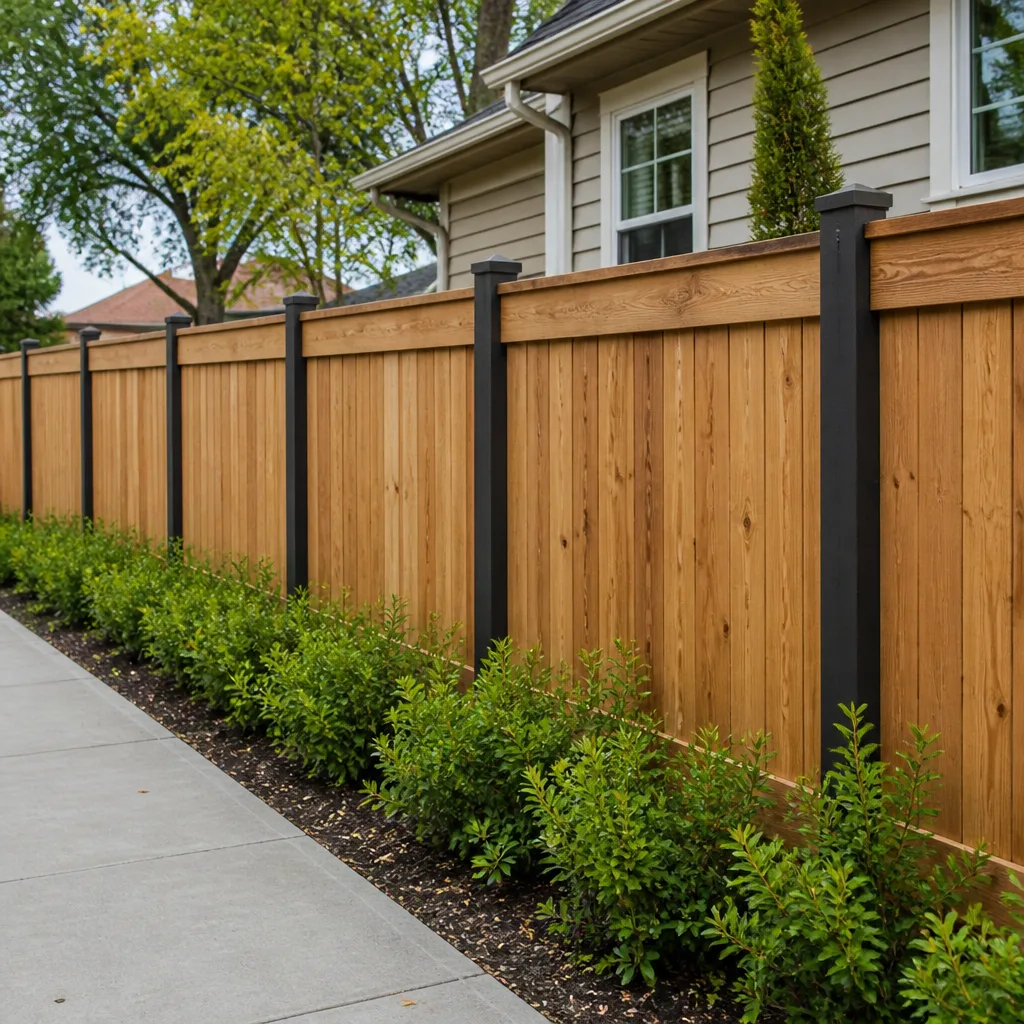 Fence
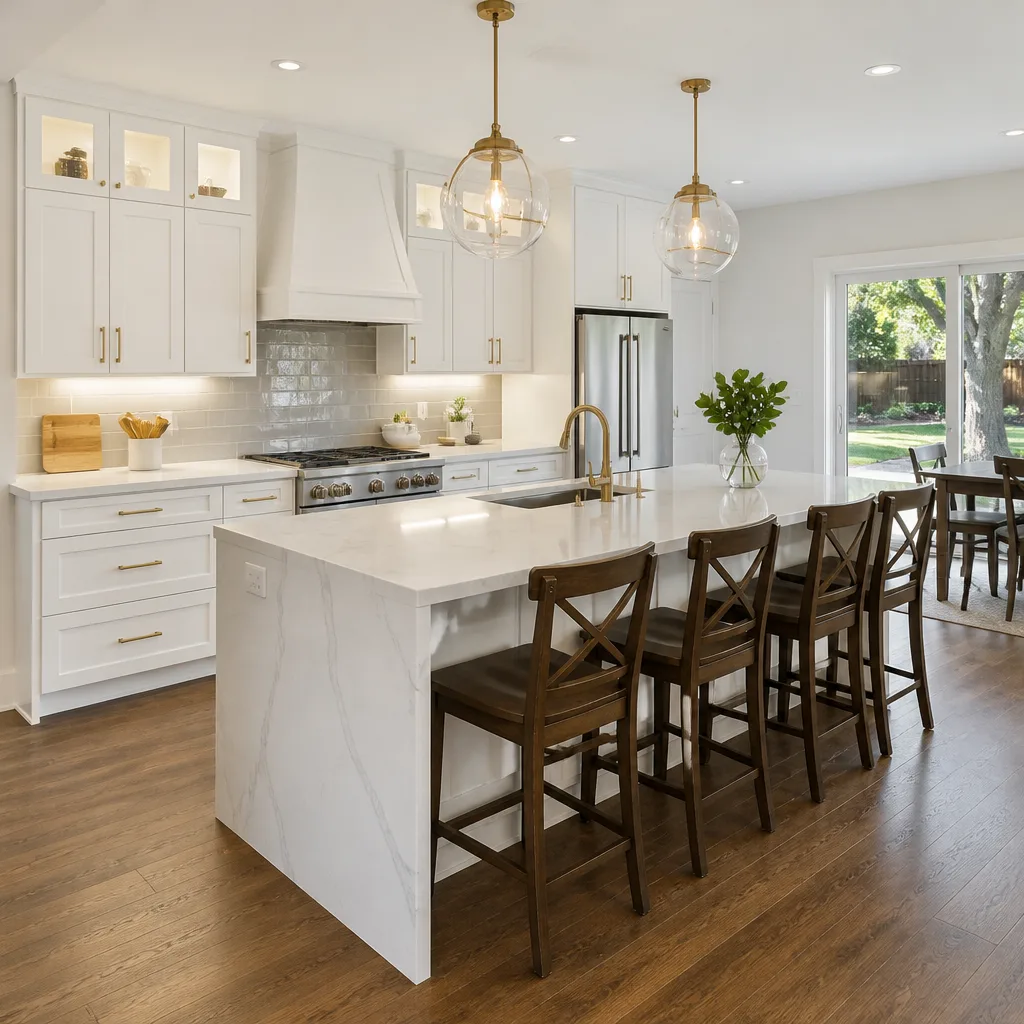 Kitchen remodeling
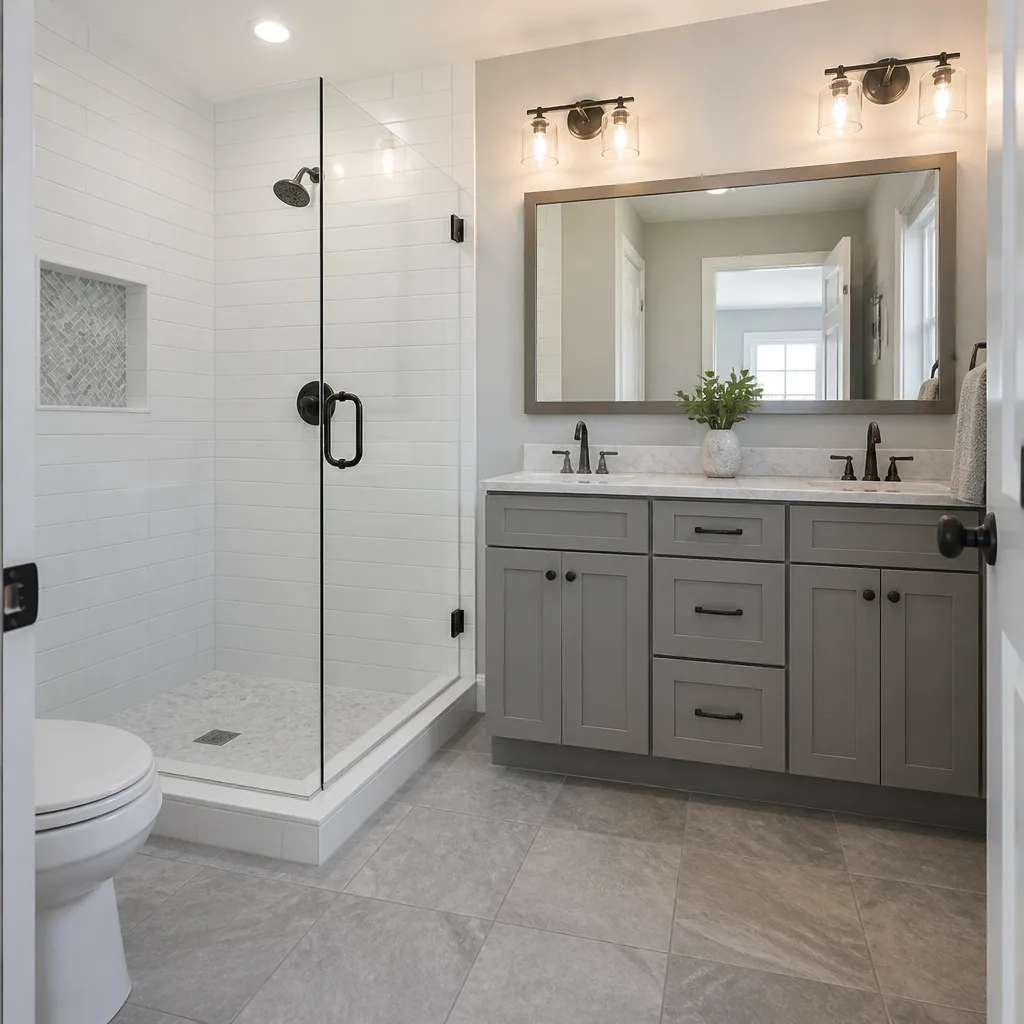 Bathroom remodeling
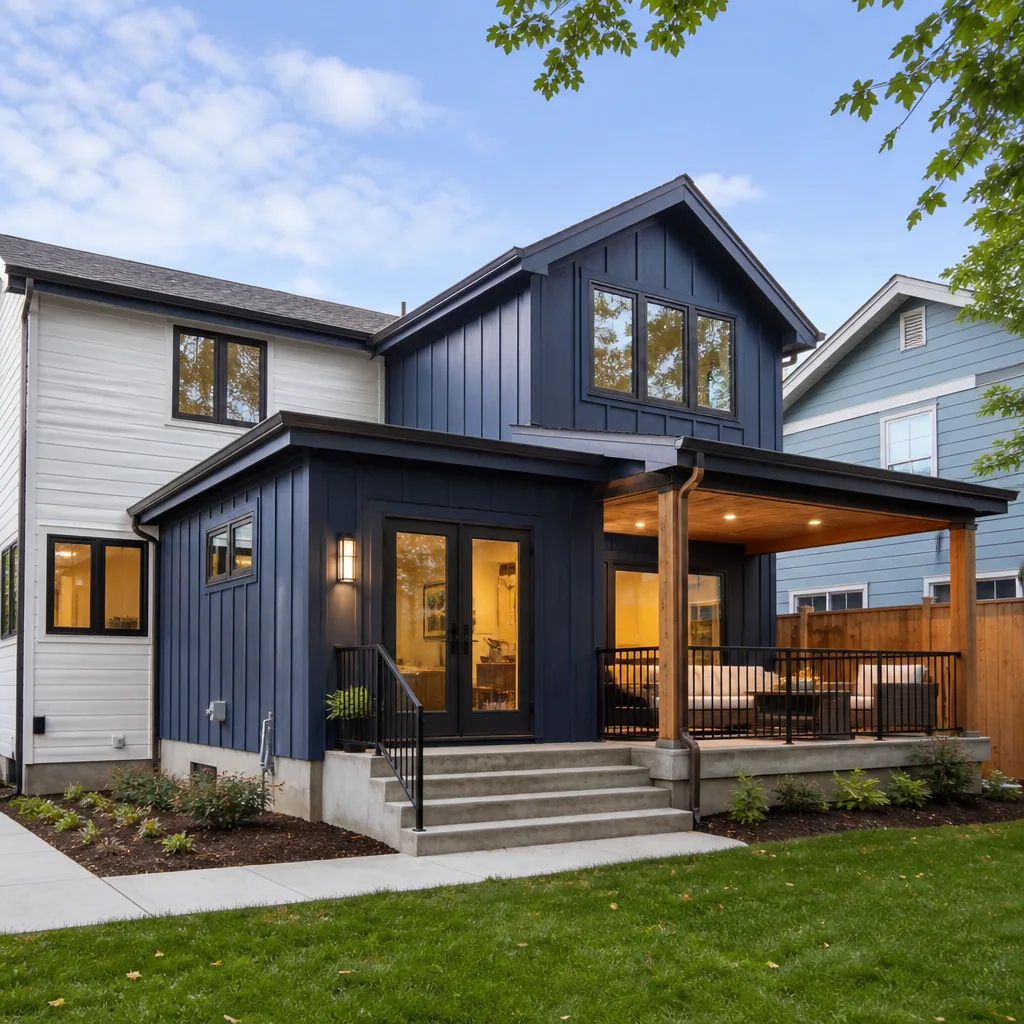 Home additions & ADU
 Roofing
 Windows & doors
 Driveway & pavers
Free written scope consultation - allowances, timeline, and change-order rules on paper before a single trade is scheduled
DIY vs Professional Fence Installation: What’s Safe to Do Yourself
Replacing a rotted board or resetting a single post is legitimate DIY work. Installing 150 feet of new fence on a Lancaster property line without a permit and proper post engineering is a different thing entirely – one that can get you ordered to tear it out. We’ve watched homeowners in Lancaster learn that the hard way, and it’s a costly lesson: tear-out, re-inspection, and a rebuild all at once. This guide draws the safe line for you. You’ll learn which fence repairs you can genuinely handle yourself, which installations need a permit and a professional, how wind-load engineering on Lancaster’s west side actually works, and how to read a fence quote line by line before you sign.
Quick Answer
Safe DIY fence work in Lancaster: board replacement, staining and sealing, hardware swaps, and gate adjustments. Everything else – new installation, full fence replacement, post setting in high-wind zones, and any project touching a shared property line – should go to a licensed, permitted professional. Lancaster’s permit thresholds and Santa Ana wind loads make new fence installation the wrong project to learn on.
Styles & brands we work with
- Kitchen remodeling
- Bathroom remodeling
- Home additions & ADU
- Roofing
- Windows & doors
- Driveway & pavers
- Fence
Table of Contents
- What Fence Work in Lancaster Actually Requires a Permit
- Why Post Depth and Footing Specs Matter in Lancaster’s Wind Zones
- The Fence Work That’s Genuinely Safe to Do Yourself
- How to Read a Fence Quote Line by Line
- The Shared Fence Line: Why a Handshake Isn’t Enough
- Materials: What Holds Up in the Antelope Valley
- Common Mistakes to Avoid
- When to Call a Professional
What Fence Work in Lancaster Actually Requires a Permit
Most homeowners assume a fence is always exempt from permits. In Lancaster, that’s only partly true. The city sets specific thresholds based on height and location, and crossing one without pulling a permit is the fastest way to end up with a notice taped to your gate.
Here’s the practical breakdown for residential properties:
- Fences 6 feet or under in a rear or side yard: typically exempt from a building permit, assuming you’re not in a corner-lot sight-triangle zone.
- Fences over 6 feet: generally require a permit and inspection. This catches a lot of DIYers who build a 7-foot privacy fence on a rear lot line.
- Front-yard and street-facing fences: tighter rules apply. Height limits are lower, and corner lots have sight-triangle restrictions near driveways and intersections that the city enforces strictly.
- Block walls (masonry): almost always require a permit and engineering, regardless of height, because of overturning loads.
- Any fence on a shared property line: the permit picture is separate from the civil question, but the city will ask about property lines during inspection.
The crucial point: Lancaster’s permit thresholds aren’t just about height. They’re about whether the fence can fail and hurt someone or damage a neighbor’s property. A 6-foot wood fence in a wind corridor is a different engineering question than a 6-foot fence in a sheltered backyard. The permit inspector works for you, not for the contractor – that’s why we like him. When a professional pulls the permit, you get an independent set of eyes on the footing and framing before the fence goes up. When you skip it, you own that risk alone.
If you’re replacing an existing fence of the same height and location, most cities treat it closer to a repair than new construction – but “close to” isn’t “is.” Verify with Lancaster’s building department before you buy a single post. A ten-minute phone call can save you a $4,000 fence.
Why Post Depth and Footing Specs Matter in Lancaster’s Wind Zones
Lancaster sits in the Antelope Valley, and the Santa Ana wind events that roll through here each fall and winter are not a rumor. Gusts in exposed areas can hit 60 to 80 mph. A fence built with footings that work fine in a sheltered suburb will lean, crack, and blow over in a single Santa Ana season. This is the single biggest reason fence installation in Lancaster is a different job than fence installation anywhere else in Southern California.
Here’s what the engineering actually looks like, and why a DIYer following a generic YouTube tutorial usually gets it wrong:
- Post depth: Standard guidance in mild climates is one-third of the fence height in the ground. In high-wind zones, that’s not enough. A 6-foot fence needs posts set at least 24 to 30 inches deep, and often deeper on an exposed lot line.
- Footing diameter: An 8-inch hole is a common rule of thumb. In Lancaster wind corridors, 10 to 12-inch diameter footings with a proper concrete mix are more realistic, especially on corner and gate posts, which take the most load.
- Concrete mix and cure: A bagged fast-set mix has its place, but for load-bearing fence posts in this climate, a standard 3,000+ psi mix cured properly beats fast-set every time. Rushing the cure is a common DIY shortcut that shows up as a leaning fence two springs later.
- Post spacing: 8 feet on center is standard. Tighter spacing (6 to 7 feet) is worth the extra material on exposed property lines.
- Bracing and gate posts: Gate posts and terminal posts need more concrete and, ideally, a diagonal brace or panel stiffener. A 4-foot gate swinging in a Santa Ana gust will work a badly set gate post loose in one season.
- Wind exposure class: Exposed lots (open fields, higher ground, corner lots) demand stouter footings than sheltered ones. This is not a hard rule you can eyeball – it depends on the lot.
You can follow these specs yourself if you know them, and a good handyman can’t be blamed for not knowing them. But the specs come from engineering judgment on your specific lot, not from a package label. In our experience across Lancaster, the failures we see are almost never the boards or the panels. They’re the footings: too shallow, too narrow, cured too fast, set in the wrong soil. That’s the part you can’t inspect after the fact.
One safety note that matters here: digging post holes in the Antelope Valley means hitting caliche, decomposed granite, and occasionally old utility lines. Call 811 for a utility locate before any dig – it’s free and required. And if you’re setting posts near an existing block wall or a neighbor’s structure, get advice before you dig. Underpinning someone else’s wall by accident is a very expensive repair.
The Fence Work That’s Genuinely Safe to Do Yourself
Fence work has a wider DIY-safe range than almost any other exterior project. Board-for-board replacement, refreshing a tired finish, and swapping hardware are all well within reach of a homeowner with a Saturday and a few hand tools. Here’s where the line sits.
Genuinely safe and cost-effective to DIY:
- Replacing individual rotted or broken boards: A cracked picket or a bottom board that’s shrunk out of its rail is a half-hour job. Match the profile, pre-drill for nails, and you’re done.
- Staining and sealing: The Antelope Valley’s sun and dry air bake wood finishes faster than coastal climates. A re-stain every 2 to 3 years adds years to a fence. This is the highest-return DIY task on this list.
- Hardware swaps: Hinges, latches, gate handles, and post caps are simple replacements. Use stainless or exterior-rated hardware – galvanized is fine, but cheap zinc hinges will seize within a year.
- Gate adjustments: A gate that sags can often be fixed by re-tightening the hinge bolts, adjusting a turnbuckle brace, or shimming a hinge. Fifteen minutes, no permit, no risk.
- Tightening or replacing fasteners: Loose nails and backed-out screws are easy to fix and are your early warning system. Catching a loose post-top now beats replacing the post in two years.
- Cleaning and minor repairs: Power-washing (on a low-pressure setting), removing weeds from the fence line, and patching small holes.
These tasks cost little, don’t touch the structural footings, and don’t require a permit. Even a homeowner in downtown Lancaster can handle every one of them without calling anyone.
Where DIY stops being cost-effective: The moment you’re setting a new post, replacing a full section, or building a new fence line, the math changes. The tool cost alone – a post-hole digger, a level, concrete, a circular saw, a decent driver – can approach a chunk of the project. Then the engineering and permit questions stack on top. The DIY savings on a 150-foot fence build often evaporate on a re-do.
How to Read a Fence Quote Line by Line
A good fence quote is a specific document. It names the material, the linear footage, the post count, the footing spec, and the permit line item. A bad quote says “6-foot wood fence, installed” and a number. If you can’t tell from the quote what’s being built and what’s being skipped, you can’t compare bids fairly.
Here’s the line-by-line method we recommend for reading any fence quote in Lancaster:
- Linear footage: Is it measured and stated, or is it a lump sum? Measure it yourself if you can, and compare. A quote that’s 15 feet short of reality isn’t a bargain, it’s a change order waiting to happen.
- Material spec: What species of wood (or what brand of vinyl/composite)? What post size – 4×4 or 4×6? What board thickness? Are brands named? A quote naming ActiveYards or Belgard is a quote you can verify. “Premium vinyl” is not.
- Post count and footing spec: How many posts, what depth, what concrete. A quote that doesn’t state footing depth is leaving the most wind-critical decision to chance.
- Gate spec: How many gates, what width, what hardware, what bracing? Gates are the highest-failure part of any fence and the most common place for vagueness.
- Permit line: Is the permit called out as a separate, included line, or is it buried? If it’s not mentioned at all, ask. Every eligible job should have the permit pulled and the inspection scheduled.
- Removal and disposal: Is the old fence taken away, or left as a pile in your yard? Removal is real labor and should be a real line item.
- Change-order language: Does the quote say how change orders work – that any scope change arrives in writing before work happens? If not, ask for it in writing before you sign anything.
- Warranty: What’s the workmanship warranty, and is it written on the contract? At Barrett & Sons, every contract carries the 90-Day Done Right Promise in writing – if it’s not done right, Tom comes back and makes it right, one call.
Two quotes that look $1,500 apart are usually not really $1,500 apart. One includes the permit, the removal, and the footing spec; the other doesn’t. Read them side by side, line for line. A great place to see what a complete fence scope looks like in practice is our Fence Installation in Lancaster page – it walks through the full scope the way a good contract should. And if you want a second set of eyes on a quote you already have, we offer a free second opinion on any written estimate.
The Shared Fence Line: Why a Handshake Isn’t Enough
On a shared fence line, the fence you build is partly your neighbor’s fence, whether you like it or not. In California, most fencing between residential lots sits right on the property line, with each owner typically responsible for their half of the construction cost. That shared responsibility is why a DIY install on a shared line without a written agreement creates legal exposure – and why so many fence disputes end up in small claims court.
The problems usually start small. You and the neighbor agree to split a new fence. You build it. Two years later the fence leans in a Santa Ana, the neighbor says it was built badly, and now you’re both paying to argue about whose fault it is. Or the neighbor sells the house, the new owners never agreed to anything, and you’re on the hook for a fence you thought was half theirs.
The way to avoid this is not complicated:
- Get the property line surveyed or at least identified. The county recorder’s map is a start, but a licensed surveyor is the definitive answer. A fence that’s six inches onto a neighbor’s lot is a fence that can be ordered moved.
- Put the agreement in writing. Who pays what, who builds it, what happens when it needs repair. It doesn’t need to be a legal document – a signed one-page agreement is worth its weight in gold if the fence ever becomes a dispute.
- Disclose it at sale. If you sell, the fence agreement should transfer with the property. Note it in the listing.
- Document the condition before you build. Photos of the existing fence line, taken the day before construction, settle most “you damaged my property” arguments before they happen.
One more thing on shared lines: any fence on a property line is subject to the height and permit rules above, and the neighbor’s consent doesn’t change the city’s requirement. Permits get pulled either way. Getting the neighbor agreement right up front is cheaper than the argument you avoid later.
Materials: What Holds Up in the Antelope Valley
The Antelope Valley’s climate is hard on fences. Intense summer sun, low humidity, dry rot, and wind. Wood fences need regular re-staining to survive here, and even well-maintained pressure-treated pine typically lasts 12 to 20 years before replacement. Vinyl and composite fencing hold up substantially better against sun and rot, though they can crack in extreme wind if not properly braced. Masonry and block walls are essentially permanent but require engineering and a permit at any height.
What you build with matters less than how it’s engineered, but a few material notes worth knowing:
- Pressure-treated wood: The workhorse choice. Affordable, repairable board by board, and finishes well. Plan on re-staining every 2 to 3 years here – the sun does real work on wood finishes.
- Cedar: Naturally rot-resistant but pricier. Holds finish longer than pine.
- Vinyl: No staining, resists rot and insects. Brand matters here – ActiveYards is a solid line. Cheap vinyl panels can crack in a hard Santa Ana, so post bracing is critical.
- Composite: Good middle ground; less common on residential fences but worth a look. Brands like Tremron make composite fencing worth pricing.
- Block and masonry: Permanent but engineered and permitted. Pairs well with a decorative hardscape – see Belgard and Unilock for pavers and wall systems that match your fence line. Our Driveway & Pavers in Lancaster page shows how people pair fence and hardscape for a cohesive front elevation.
Whichever material you pick, the load path matters more than the brand: posts set into properly sized concrete footings, top rails braced, and gate posts doubled. And it applies no matter what else you’re working on around the property – a fence built well is only as good as the grading and drainage around it.
See the difference
 Before
 After
 Before
 After
 Before
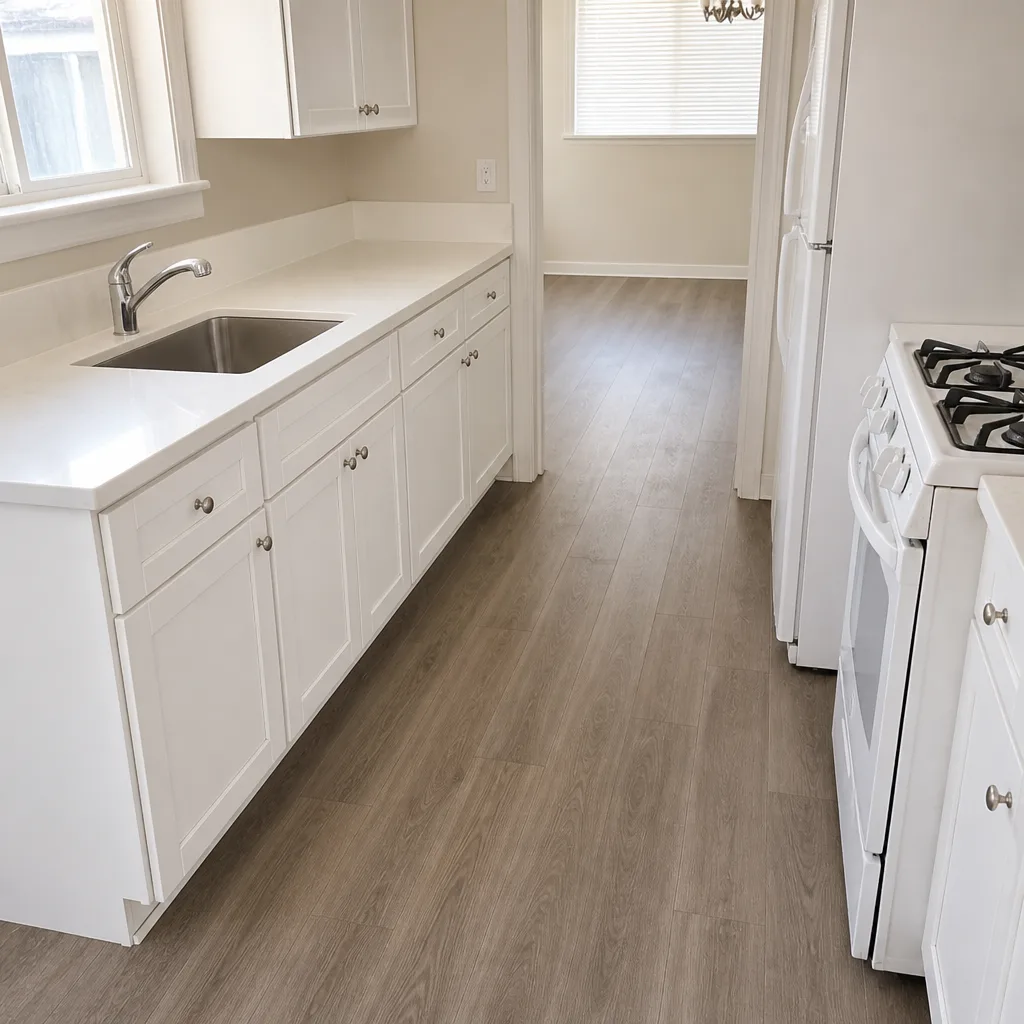 After
Common Mistakes to Avoid
- Skipping the permit on a 6-foot-plus fence. Lancaster’s permit threshold is real, and an unpermitted fence can be ordered removed. Tear-out and rebuild costs far more than the permit.
- Setting posts 18 inches deep “like the old one.” The old one may have leaned. Santa Ana gusts in exposed parts of Lancaster demand 24 to 30 inches and a wider footing.
- Rushing the concrete cure. Fast-set mix and a 24-hour cure feel efficient, but a rushed footing fails silently and shows up as a leaning fence a season later. Give footings a full 48 to 72 hours before loading the fence.
- Building a shared-line fence on a handshake. Never start a property-line fence without a written agreement. Two years of peace isn’t worth a decade of dispute.
- Digging without a utility locate. Call 811 before any dig. The Antelope Valley has plenty of old utility runs, and hitting a gas or water line turns a Saturday project into a five-figure repair.
- Buying “premium vinyl” with no brand name. Ask for the brand. If it’s not on the spec sheet, it’s not on the fence – and if it fails in two winters, you have no recourse.
- Skipping the front-yard sight-triangle check on a corner lot. Lancaster enforces sight lines near driveways and intersections on corner lots, and a front fence that blocks visibility can be ordered modified.
When to Call a Professional
Call a professional when any of these is true: you’re installing a new fence or replacing more than a few boards; you’re setting new posts in an exposed wind corridor; the fence is on a shared property line; you’re building anything over 6 feet; or the work involves masonry, block, or a permit. Call a professional, too, if the fence line touches a retaining wall, a pool, or a structure.
Barrett & Sons Construction Lancaster offers free estimates in Lancaster – call (888) 427-1810. We pull every permit and schedule every inspection on eligible jobs, and a written change order goes out before any scope moves. We carry premium fencing and hardscape lines from brands like ActiveYards and Belgard, so the material is on the contract, not a mystery off a van. Our crew members have up to 28 years of experience, and they carry the Barrett & Sons name. Whether you’re fencing a new build or replacing a wind-whipped fence line, start with the free estimate – and if you’re also planning a bigger project, see our Home Additions & ADU in Lancaster page.
Frequently Asked Questions
It depends on height and location. Fences 6 feet and under in a rear or side yard are typically exempt in Lancaster, but anything over 6 feet, any front-yard fence, and any block or masonry fence almost always requires a permit and inspection. Verify with the city before you buy materials, because the threshold decides whether the project is DIY-safe at all.
At least 24 to 30 inches and often deeper on exposed lots. Lancaster’s Santa Ana winds push fence posts harder than most of Southern California, so a 10 to 12-inch concrete footing and a full 48 to 72-hour cure are the realistic standard for a 6-foot fence. Shallow 18-inch footings that work in sheltered suburbs tend to lean or blow out here.
Wood fence installation in Lancaster typically runs in the ballpark of $35 to $60 per linear foot for a 6-foot pressure-treated build, with vinyl and composite higher and masonry much higher. The real cost depends on footage, material, footing depth, removal, and permit. Call (888) 427-1810 for a free estimate – a line-item quote tells you what you’re actually paying for.
Yes, and on a shared property line it’s common in California for each owner to split the cost. Put the agreement in writing, identify the property line, and document the fence condition before construction. A one-page signed agreement prevents most disputes, and neither the neighbor’s consent nor the split changes the city’s permit rules.
Board replacement, staining, hardware swaps, and gate adjustments are the safest and most cost-effective DIY fence tasks in Lancaster. None of them touch the footings or require a permit. The moment you’re setting a new post or replacing a full section, the engineering and permit questions take over and a professional makes more sense.
Not if the quote is done right. Every scope change and every allowance should be a written change order signed before work proceeds – no surprise invoices at the end. If a contractor won’t put change-order language in the contract, that’s your signal. Our pricing is upfront and in writing, and a written change order goes out before the first nail moves.
The Bottom Line
Fence work has a genuinely wider DIY-safe range than most exterior projects. Board replacement, staining, hardware swaps, and gate adjustments are real savings and real weekend projects. The line sits at new installation, full replacement, post setting in Lancaster’s wind zones, shared property lines, and anything requiring a permit. Learn those thresholds before you buy a single post. Read every quote line by line – footage, material spec, footing depth, permit, removal, change-order language, warranty. When the scope crosses into installation or a shared line, get a free estimate from a permitted, licensed professional who’ll put it in writing.
If you’re mapping out the whole property – fence, driveway, roof – start with Barrett & Sons Construction Lancaster home to see the full range of work we do in the area. Barrett & Sons pulls every permit, signs every inspection, and backs every completed job with the written 90-Day Done Right Promise. Call (888) 427-1810 for a free estimate – a live person answers, day or night. We also offer a free second opinion on any written estimate, no trip charge inside the county, $40 off any repair over $200, and a permanent 10% Senior & Veteran discount.
Written by the team at Barrett & Sons Construction Lancaster.