
Last updated November 17, 2026
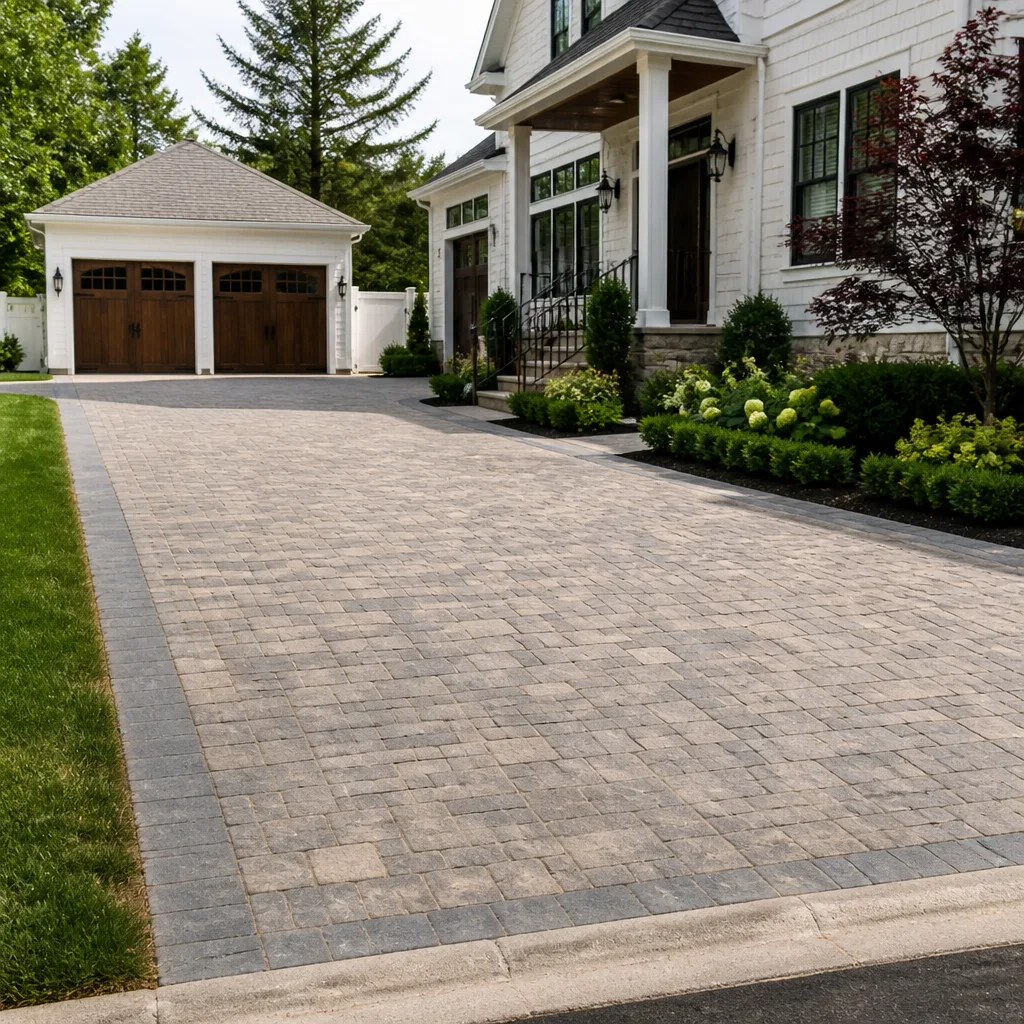 Driveway & pavers
 Kitchen remodeling
 Bathroom remodeling
 Home additions & ADU
 Roofing
 Windows & doors
 Fence
Free written scope consultation - allowances, timeline, and change-order rules on paper before a single trade is scheduled
How Long Does Driveway & Pavers Take? Timelines and What to Expect
A contractor who tells you “we can start Monday and be done by Friday” on a full driveway replacement hasn’t mentioned the permit, the base cure time, or what happens when the compactor rolls over a soft spot that has to come out. Real timelines have buffer built into them. Most paver driveways take two to four weeks from permit approval to final seal, and the honest breakdown puts more days into prep than into the pavers themselves. This guide walks you through the actual phases, the Lancaster-specific delays that catch homeowners off guard, and how to write a contract that protects you when the schedule slips.
Quick Answer
A paver driveway in Lancaster typically takes 2 to 4 weeks of on-site work, with the calendar stretching to 5 to 8 weeks once you add permit review, material lead times, and weather. Base prep and compaction account for roughly 40% of that time. If a crew quotes you five days total, they’re either skipping steps or skipping the permit.
Styles & brands we work with
- Kitchen remodeling
- Bathroom remodeling
- Home additions & ADU
- Roofing
- Windows & doors
- Driveway & pavers
- Fence
Table of Contents
- Phase-by-Phase Timeline: Where the Days Actually Go
- How Lancaster Permits Affect Your Start Date
- Why Base Compaction Needs 24-48 Hours Before Pavers
- Legitimate Delays vs. Contractor Management Problems
- Lancaster Soil and Weather: What the High Desert Does to Your Schedule
- Building a Contract That Ties Payment to Completed Phases
- Material Lead Times for Belgard and Techo-Bloc Pavers
- Common Mistakes to Avoid
Phase-by-Phase Timeline: Where the Days Actually Go
Here’s the honest version. These day counts assume a typical 500 to 800 square foot residential driveway in Lancaster, a clean site, and dry weather. Bigger driveways, tighter access, or a slope change push every phase longer.
- Permit pull and plan review: 5 to 15 business days. This happens before anyone touches the site. The City of Lancaster requires a grading and driveway permit for most replacement work, and review time swings depending on the counter’s queue.
- Demo and haul-off: 1 to 2 days. Breaking out old concrete or asphalt, loading it, and trucking it away. A soft base discovery here adds a day.
- Excavation and subgrade prep: 1 to 3 days. Digging to depth, shaping the crown for drainage, and proof-rolling the subgrade. If the compactor finds a soft pocket, this phase stretches.
- Base installation and compaction: 2 to 4 days. Crushed aggregate goes in lifts, each around 4 to 6 inches, compacted with a plate or roller. This is where shortcuts happen, and where the 24 to 48 hour cure window lives.
- Base cure/settling: 24 to 48 hours. Non-negotiable. See the section below.
- Paver installation: 2 to 4 days. Bedding sand screeded, pavers laid in the chosen pattern, edge restraints set in concrete.
- Joint sand and compaction pass: 1 day. Polymeric or regular joint sand swept in, then a final vibratory plate pass to lock the field.
- Sealer (optional but recommended here): 1 day, plus 24 hours cure. In Lancaster’s sun, sealer slows UV fading and locks the joint sand. Skip it and you’ll be sweeping sand back into the joints every spring.
Add those up and you land in the 2 to 4 week window. If you want a full picture of what a completed driveway looks like in this market, our Driveway & Pavers in Lancaster page covers materials, patterns, and what neighbors are choosing.
How Lancaster Permits Affect Your Start Date
Permits are the most common reason a project that “could have started Monday” actually starts in three weeks. In Lancaster, driveway replacement, new driveway construction, and any change to drainage or grade generally requires a permit pulled through the city’s building division. The review itself runs roughly one to three weeks depending on backlog.
Where the delay really lives is in what happens if the contractor hasn’t pulled permits before. If a crew shows up ready to demo and the permit isn’t in hand, work stops. Sometimes it stops after the old driveway is already gone, which means your property sits torn up while the paperwork catches up.
Before you sign anything, ask these questions:
- “Is the permit fee included in this number, or billed separately?” Some bids bury it, then surprise you with a line item.
- “Who pulls the permit, you or me?” You don’t want to be pulling a permit for work someone else is doing.
- “Have you pulled permits in Lancaster before?” Familiarity with the local counter shortens review time.
- “Can I see the permit number once it’s issued?” A contractor who hesitates on this question is telling you something.
The permit inspector works for you, not for the contractor. That’s the point. Every eligible job at Barrett & Sons gets permits pulled and inspections signed, and we put it in writing because the last contractor most customers used told them permits were optional.
Why Base Compaction Needs 24-48 Hours Before Pavers
Base compaction isn’t a step you can rush. It’s the single most important phase of a paver driveway, and it’s the one most commonly rushed. Here’s what actually happens and why the pause matters.
Your driveway sits on layers: subgrade soil at the bottom, then crushed base aggregate in lifts, then bedding sand, then pavers. Each lift of base gets compacted before the next one goes in. That aggregate is settling, and it needs to sit at least 24 to 48 hours after the final compaction pass before pavers go down on top. This gives the base a chance to shed any residual air voids and lets the contractor walk the field and check for soft spots with a probe or a re-roll.
Skip the pause and here’s what you get six to eighteen months later:
- Paver edges dipping where the base settled unevenly
- Wavy field patterns, especially where heavy vehicles turn
- Joint sand washing out faster because the pavers are shifting
- Low spots that hold water after rain instead of draining off the crown
When pavers drop unevenly, the fix isn’t cosmetic. It means pulling the field up, re-prepping, and re-laying. A legitimately fast crew that skips the cure window and gets away with it is lucky, not skilled. Budget for the pause.
Legitimate Delays vs. Contractor Management Problems
Not every delay is a contractor’s fault, and not every delay is bad luck. Knowing the difference saves you a lot of frustration.
Legitimate delays:
- Soil surprises. A compactor hits a soft pocket, the contractor has to over-excavate and re-base. This is real, unavoidable, and adds 1 to 3 days plus material.
- Material backorders. Specific Belgard or Techo-Bloc colors and patterns can be back-ordered 2 to 6 weeks, especially during spring and summer when every hardscape company is pulling from the same yard. Pick a stock color and you skip this.
- Inspection scheduling. Sometimes the inspector can’t get to your site for three days. That’s the city’s timeline, not the contractor’s.
- Weather. Lancaster is dry, but a wet winter or a fall rain event can delay base work by a day or two because compaction doesn’t work on saturated ground.
Management problems dressed up as delays:
- Crew leaving for another job mid-project “for a day” and not coming back for a week
- Materials not ordered until demo day
- Permit never pulled, discovered at the inspection stage
- Change orders issued verbally after the work is already done
Legitimate delays get a written change order with a revised date. Management problems get excuses. The contract should tell you which one you’re dealing with.
Lancaster Soil and Weather: What the High Desert Does to Your Schedule
Lancaster sits on high desert ground, and that shapes the schedule in ways a coastal contractor might not plan for. Our soil tends toward sandy loam and caliche. Caliche is that hard, cement-like layer about a foot or two down. Sometimes it’s a friend (stable base). Sometimes it’s a headache, because you can’t dig through it with standard equipment and have to break it up first.
Sandy soils compact differently than clay. They need more water during compaction and more frequent passes, and a contractor who doesn’t adjust for that ends up with a base that feels solid on day one and shifts by spring.
The other Lancaster factor is the wind and sun. Once the driveway is open, the joint sand dries fast and blows out of the unsealed field in high wind. That’s one reason we recommend sealing, and one reason the sealing phase deserves its own day and its own cure window. The heat also affects the sealer cure: sealer laid on a 105-degree day in July needs a full 24 hours before traffic.
If you’re planning a driveway alongside other site work, we’ve seen homeowners time the driveway, fence, and any ADU or addition together to share the same permit and inspection window. Our Home Additions & ADU in Lancaster page covers how that sequencing works, and our Fence Installation in Lancaster page has the scoop on coordinating fence work with a driveway replacement.
Building a Contract That Ties Payment to Completed Phases
The single best defense against a timeline that stretches is a contract that ties payment to completed work, not to calendar dates. A poorly written contract pays a deposit up front, then waits on a “week three” payment, then a “week five” payment regardless of whether the base is even compacted. A well-written contract ties each payment to something you can see and verify.
Here’s what the payment schedule should look like on a paver driveway:
- Deposit on contract signing, 10-20%. Covers material order and permit pull.
- Payment when permit is issued and demo is complete. Both verified in writing.
- Payment when base is compacted and passed its own inspection. Not before the cure window ends.
- Payment when pavers are laid and edge restraints are set.
- Final payment when joint sand, final compaction, and (if specified) sealing are complete. Only after you’ve walked the finished driveway and signed off.
Every scope change, every allowance change, and every material upgrade arrives as a written change order before the work is touched. An allowance that isn’t on paper is a surprise waiting for a date. That’s why Barrett & Sons writes every allowance into the contract before signing, and why every price change gets a written change order before any work proceeds.
Material Lead Times for Belgard and Techo-Bloc Pavers
Material lead time is the wildcard most contractors don’t mention. Paver availability depends on which brand and color you choose, and the difference is significant.
- Stock colors in Belgard and Techo-Bloc lines: often 3 to 10 days from a local supply yard.
- Non-stock colors and specialty textures: 2 to 6 weeks, sometimes longer in spring.
- Custom blends and premium patterns: 4 to 8 weeks.
If your project has a hard deadline, choose a stock color. If you’re set on a specific look, order the material before demo day, and get the order confirmation in writing with a delivery date. We install Belgard and Techo-Bloc products specifically because you can look up the specs online instead of taking a contractor’s word for it.
One note on prefab ADU materials, since we mention them on the addition side: companies like Cover, Dvele, and Boxabl make factory-built units that get delivered by truck. If your driveway is going to be the crane access point for a prefab unit, the driveway base and cure window have to be finished and inspected before the delivery, not after. That’s a planning sequence worth knowing about before you break ground.
Common Mistakes to Avoid
- Signing a contract with calendar-based payments. “Pay by week three” rewards a contractor for showing up, not for finishing. Pay by phase, verified.
- Letting the contractor skip the inspection. Lancaster permits exist to catch base depth and drainage mistakes. A contractor who tells you the inspector is “just a formality” is telling on himself.
- Choosing a custom paver color without checking lead time. A 6-week backorder on the color you love turns a 3-week job into a 9-week job.
- Skipping the base cure window. A crew that lays pavers on a base that was compacted that morning will hand you a beautiful driveway that fails by next spring.
- Ignoring the soil report at the bid stage. California’s caliche layer is a known variable in Lancaster. A bid that assumes clean soil and adjusts later with a change order is a bid that wasn’t honest to begin with.
- Not getting a written schedule in the contract. You’re entitled to a start date and phase-by-phase dates, not “sometime next month.”
- Sealing too early. Sealer on a paved driveway applied before the joint sand has fully locked in can trap moisture and cloud the finish. Wait for the specified cure window.
See the difference
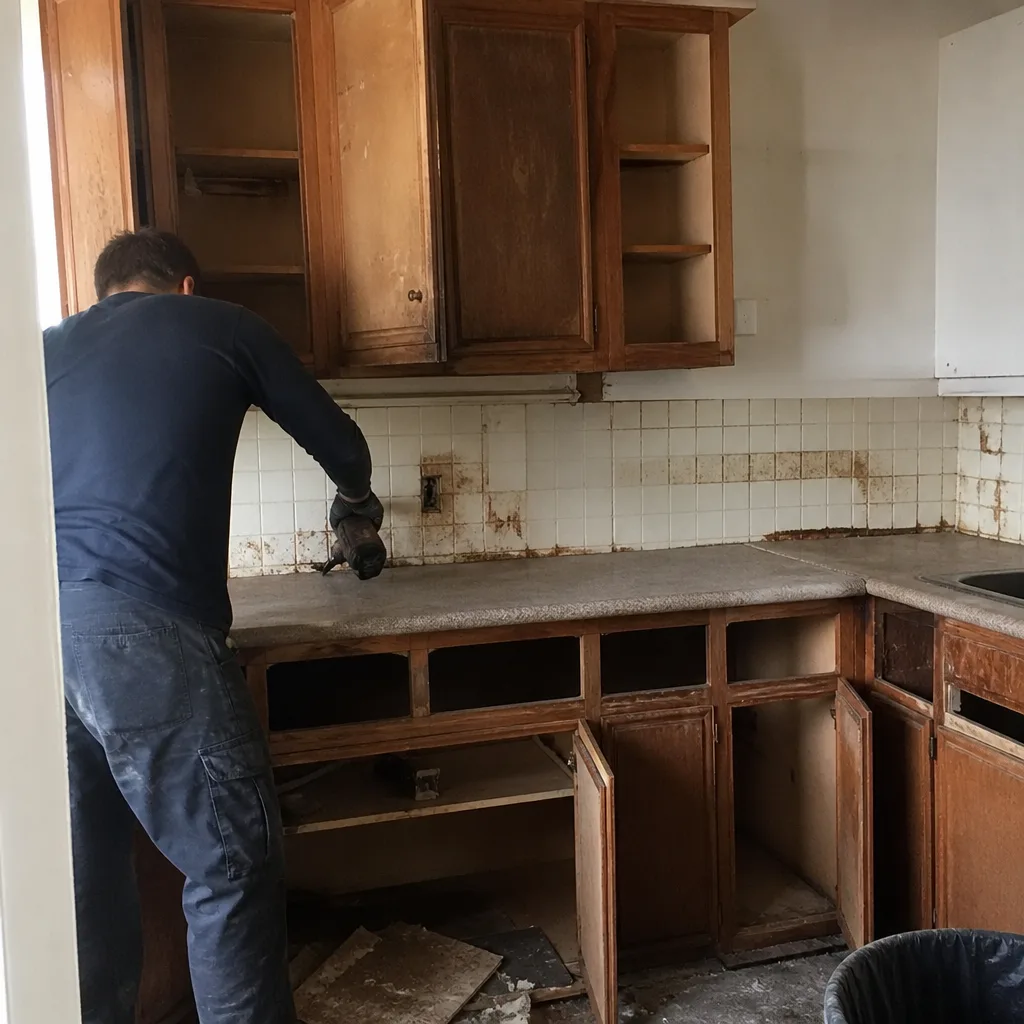 Before
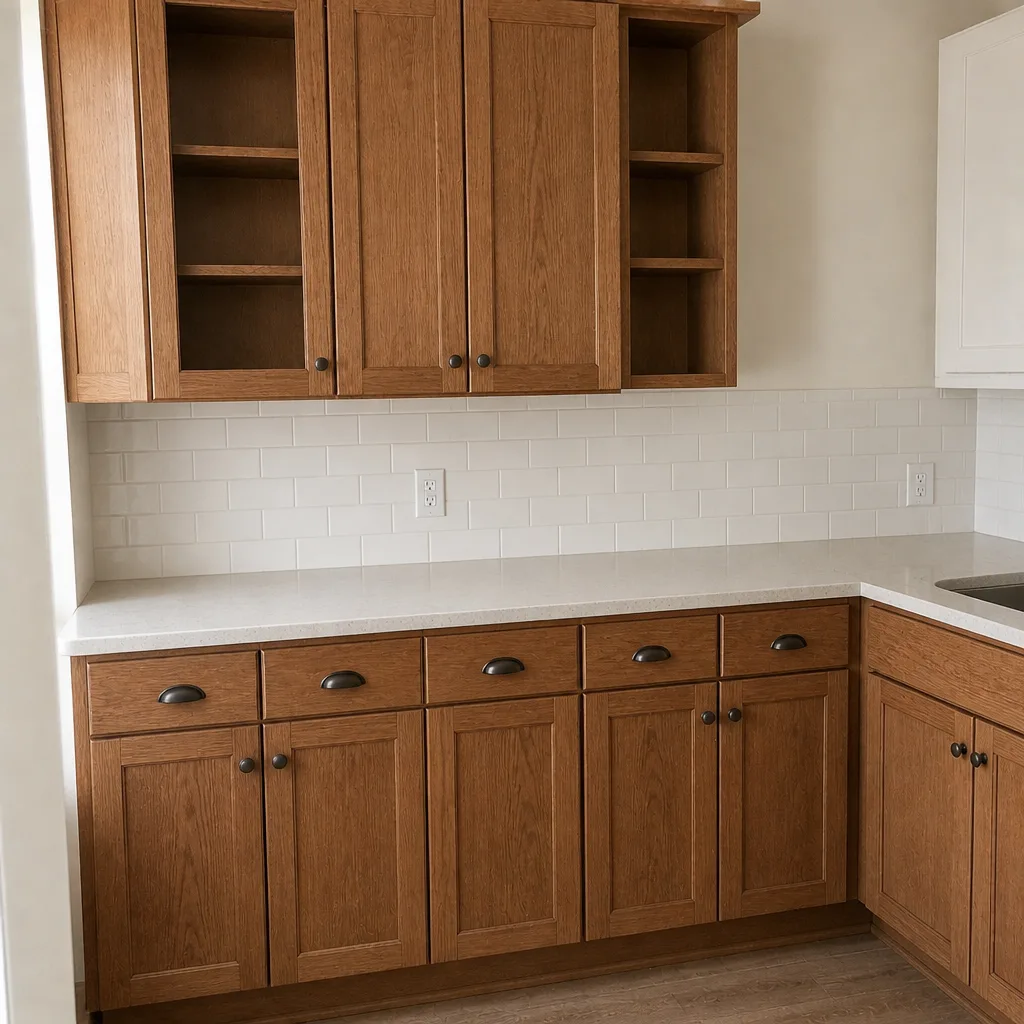 After
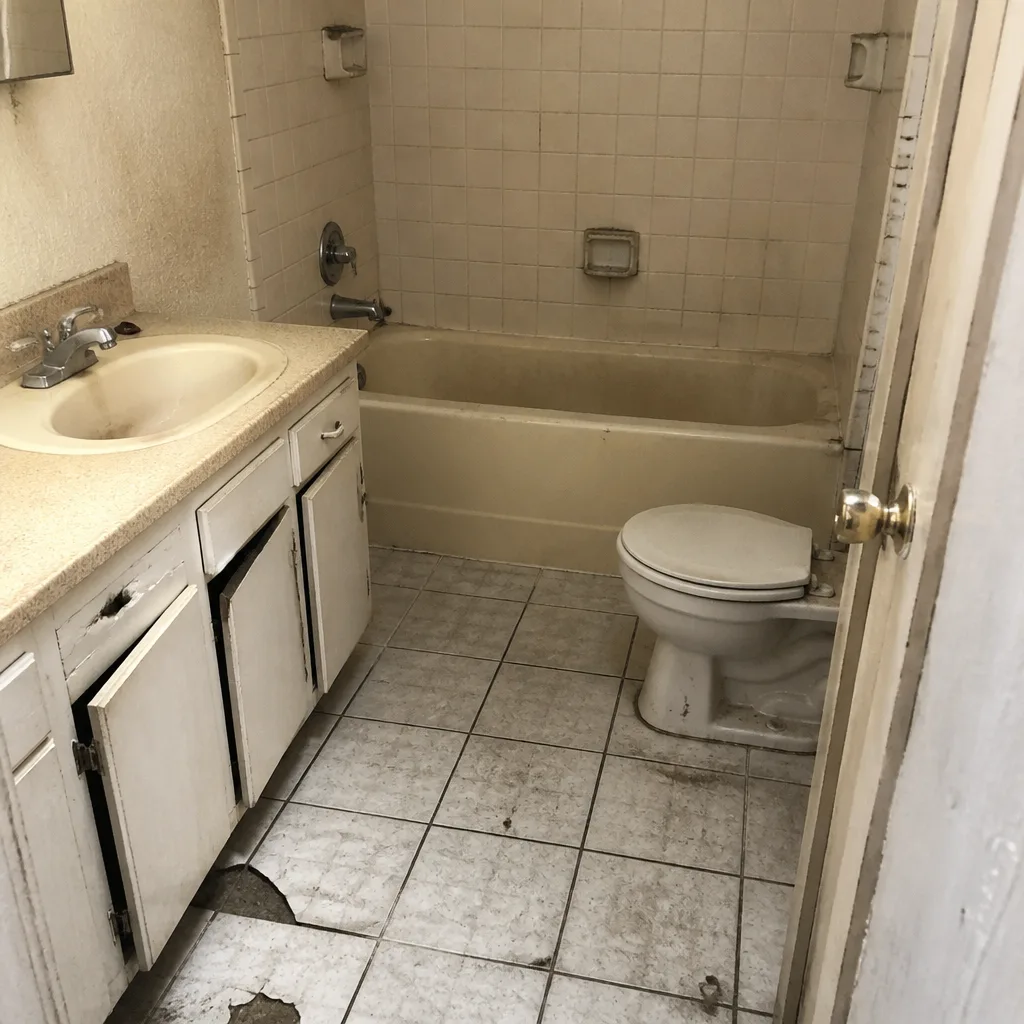 Before
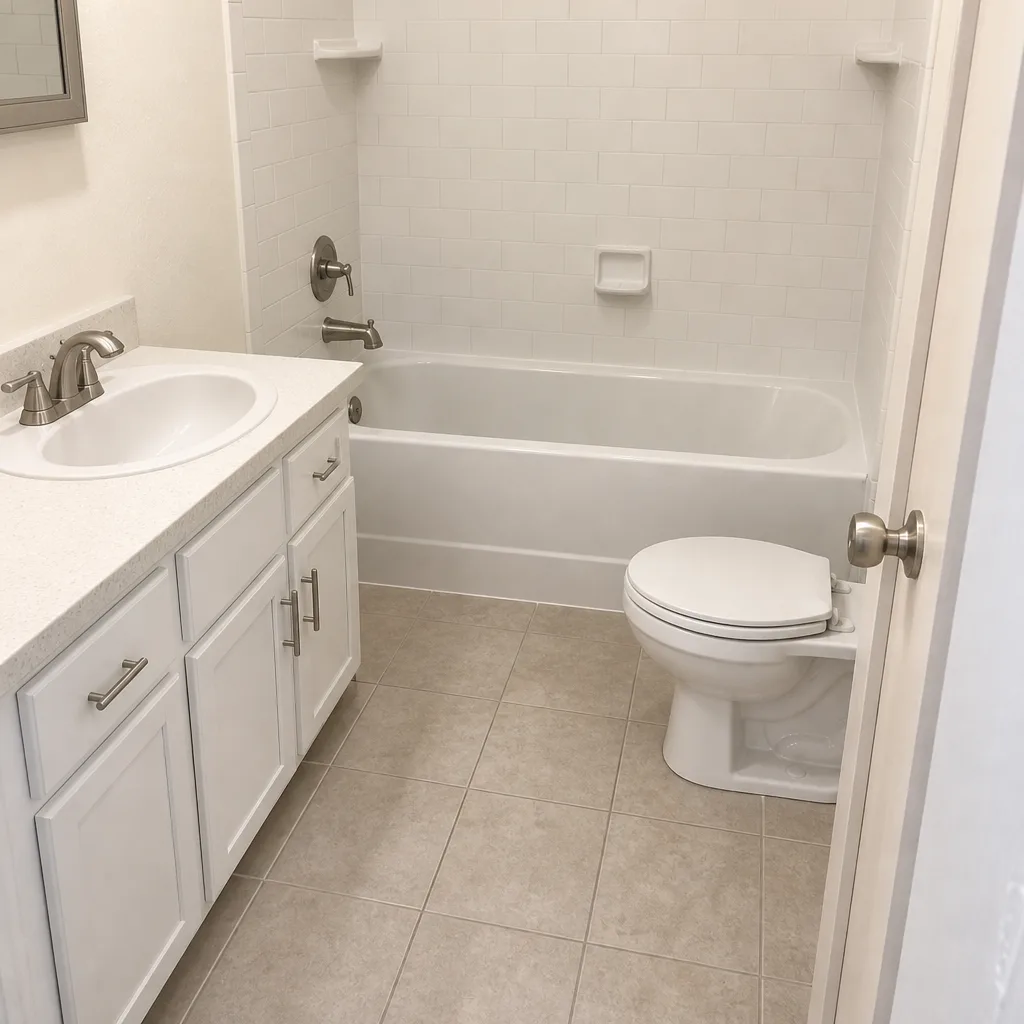 After
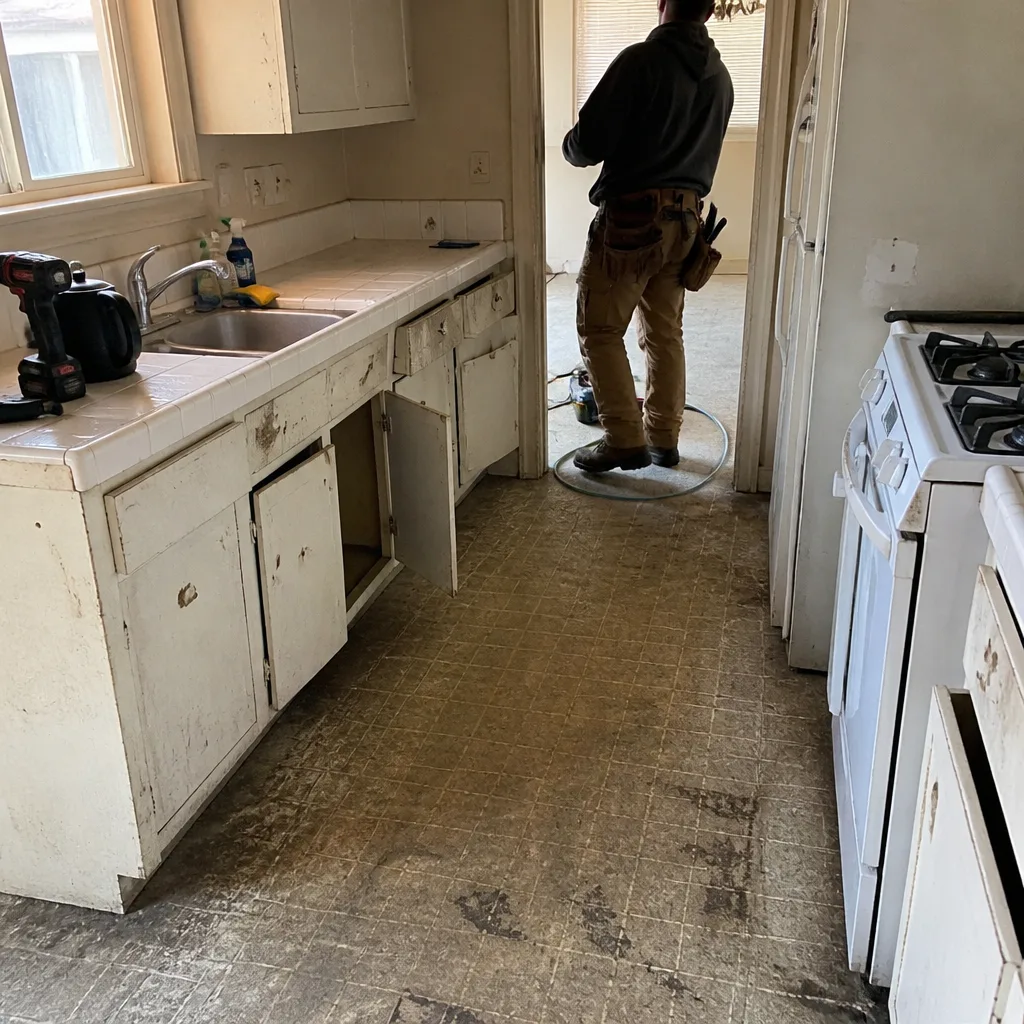 Before
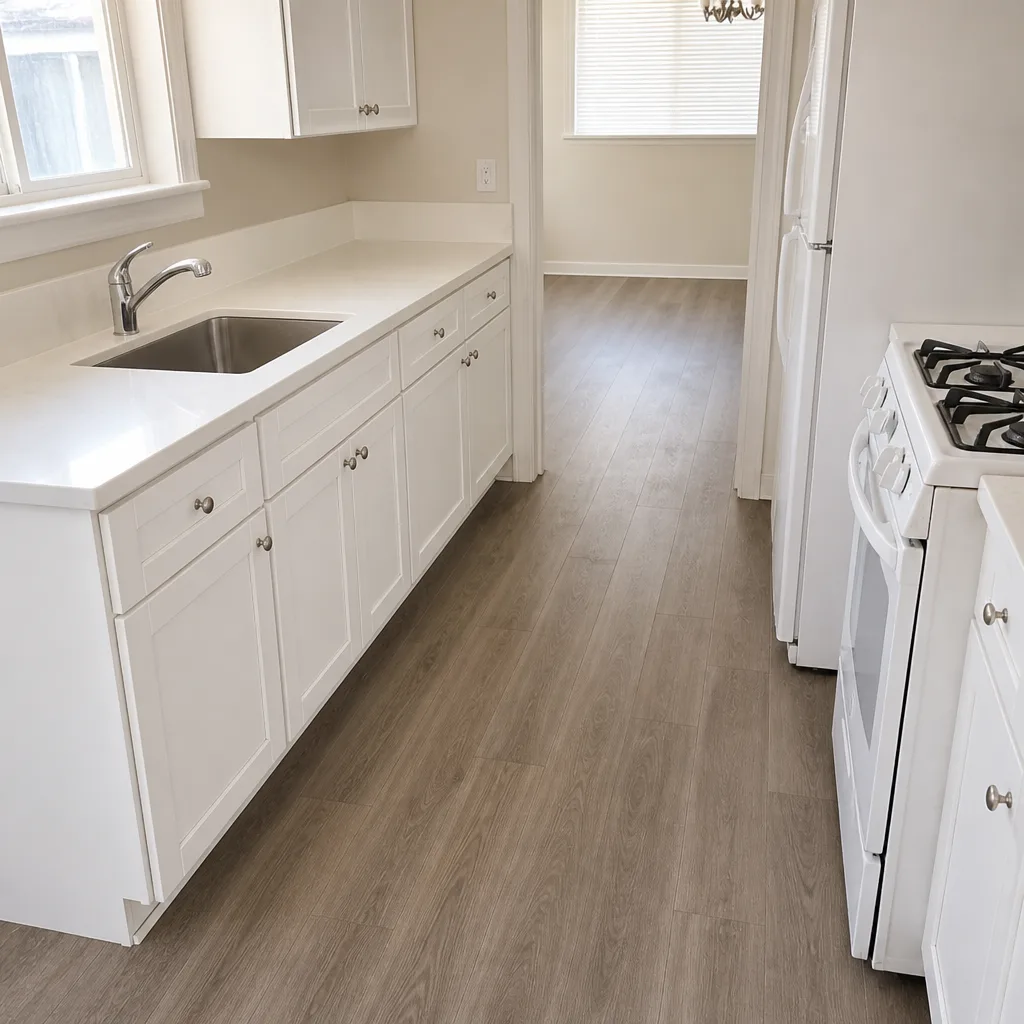 After
When to Call a Professional
Some driveway projects are straightforward, and some aren’t. If you’re dealing with any of these situations, get a pro on site before you commit to a schedule or a price:
Your existing driveway is failing in multiple places (settling, cracking, root heave) and you’re not sure what’s underneath. Your backyard slopes and you’ve had water issues near the garage. Your HOA or city has specific requirements for driveway width, materials, or drainage. You’re coordinating the driveway with a fence, an addition, or a prefab ADU delivery. You’ve been quoted a five-day timeline on a 600-square-foot job by a contractor who hasn’t asked about permits. Barrett & Sons Construction Lancaster offers free estimates in Lancaster – call (888) 427-1810 to schedule one. We’ll walk the site, check the soil, look up the permit requirements with you, and hand you a written timeline and price with no surprises waiting in month two.
Frequently Asked Questions
Two to four weeks of on-site work for a typical residential driveway, five to eight weeks calendar time once you include the Lancaster permit review (roughly 5 to 15 business days) and material lead time. The base prep and compaction phases, including the mandatory 24 to 48 hour cure, account for nearly half of that on-site time. Call (888) 427-1810 for a free estimate with a written phase-by-phase schedule.
Yes, in most cases. The City of Lancaster requires a permit for driveway replacement and new driveway construction, and the review generally takes one to three weeks. Any contractor who tells you permits are optional is a contractor to walk away from. We pull the permit and hand you the permit number before work begins.
Only if the scope changes, and only with a written change order signed before the work is done. If we discover a soft spot in the base during proof-rolling, you get a written change order describing the fix and the cost before we touch it. No verbal approvals, no invoices at the end. Call (888) 427-1810 for a free second opinion on any written estimate you already have.
If the permit is already pulled, the soil is clean, and you choose a stock paver color, the on-site work can compress to about 9 to 12 working days including the base cure window. Anything promised faster than that is skipping a step.
Lancaster’s dry, hot climate is mostly friendly to paver work, but there are two timing factors. High summer heat (over 100 degrees) forces early morning starts for the crew and slows sealer cure. Winter rains, when they come, delay base compaction by a day or two because saturated ground doesn’t compact. Both are manageable on the schedule if the contractor plans for them.
On every eligible job, yes. Permits are pulled and inspections are signed off before the job is considered complete. The permit is for your protection, and the inspector works for you. Call (888) 427-1810 to schedule your free estimate.
The Bottom Line
A paver driveway is a two to four week on-site job wrapped in a five to eight week calendar, and both numbers are honest. The days that surprise homeowners are almost never in the paver-laying phase. They’re in the permit review, the base cure window, and the material lead time. Plan for them in the contract, tie payments to phases instead of dates, and insist on the permit and the inspection. That’s how you get a driveway that looks the same in year two as it did in week one. If you’re in Lancaster and want to walk through your project with a crew that writes it all down before anyone picks up a shovel, Barrett & Sons Construction Lancaster has been doing exactly that since 1998, and we answer our own phone.
Call (888) 427-1810 to schedule your free estimate. Ask about the Free Second Opinion on Any Written Estimate, the No Trip Charge Inside the County, the $40 Off Any Repair Over $200, and the permanent 10% Senior & Veteran discount. Every eligible job comes with permits pulled, inspections signed, a 90-Day Done Right Promise in writing, and a named crew that lives twenty minutes away if something needs a second look. Start at our Barrett & Sons Construction Lancaster home page for the full picture of what we do.
Written by the team at Barrett & Sons Construction Lancaster.