
Last updated November 17, 2026
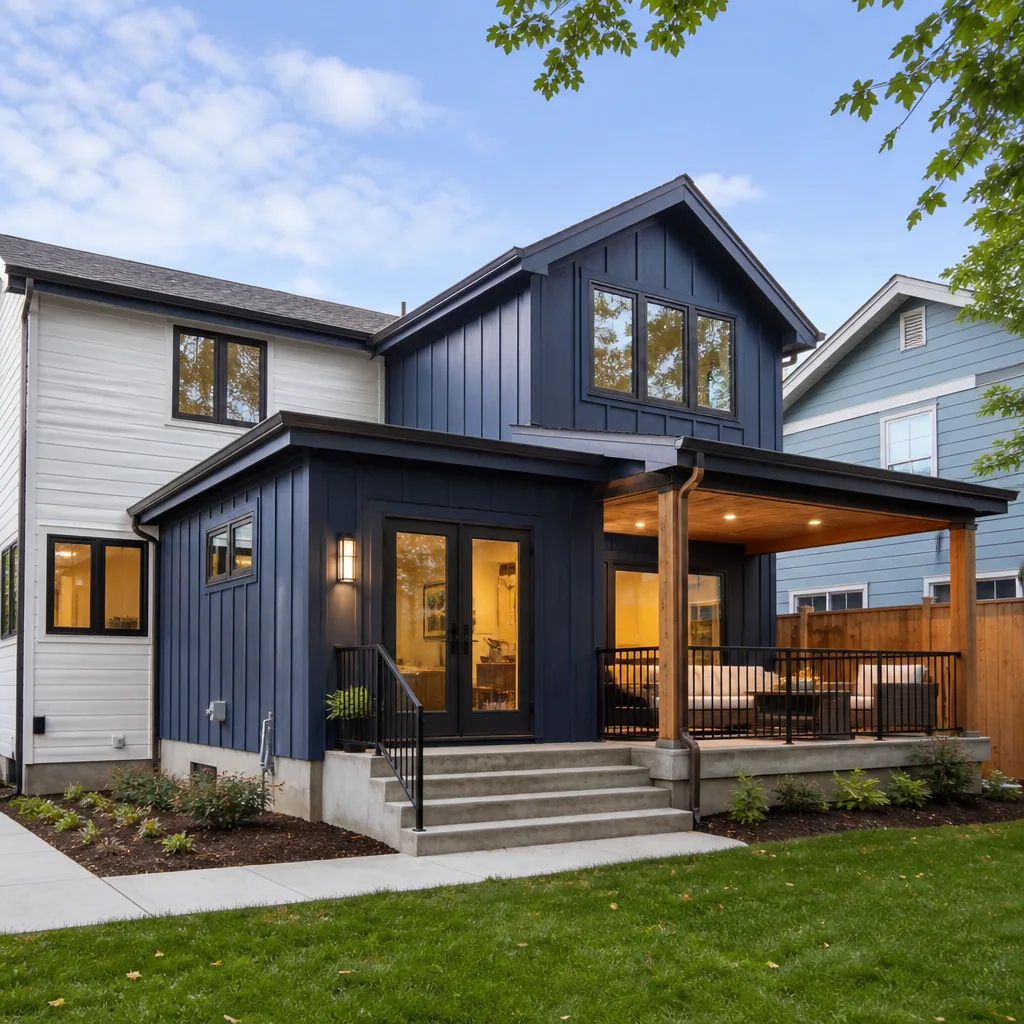 Home additions & ADU
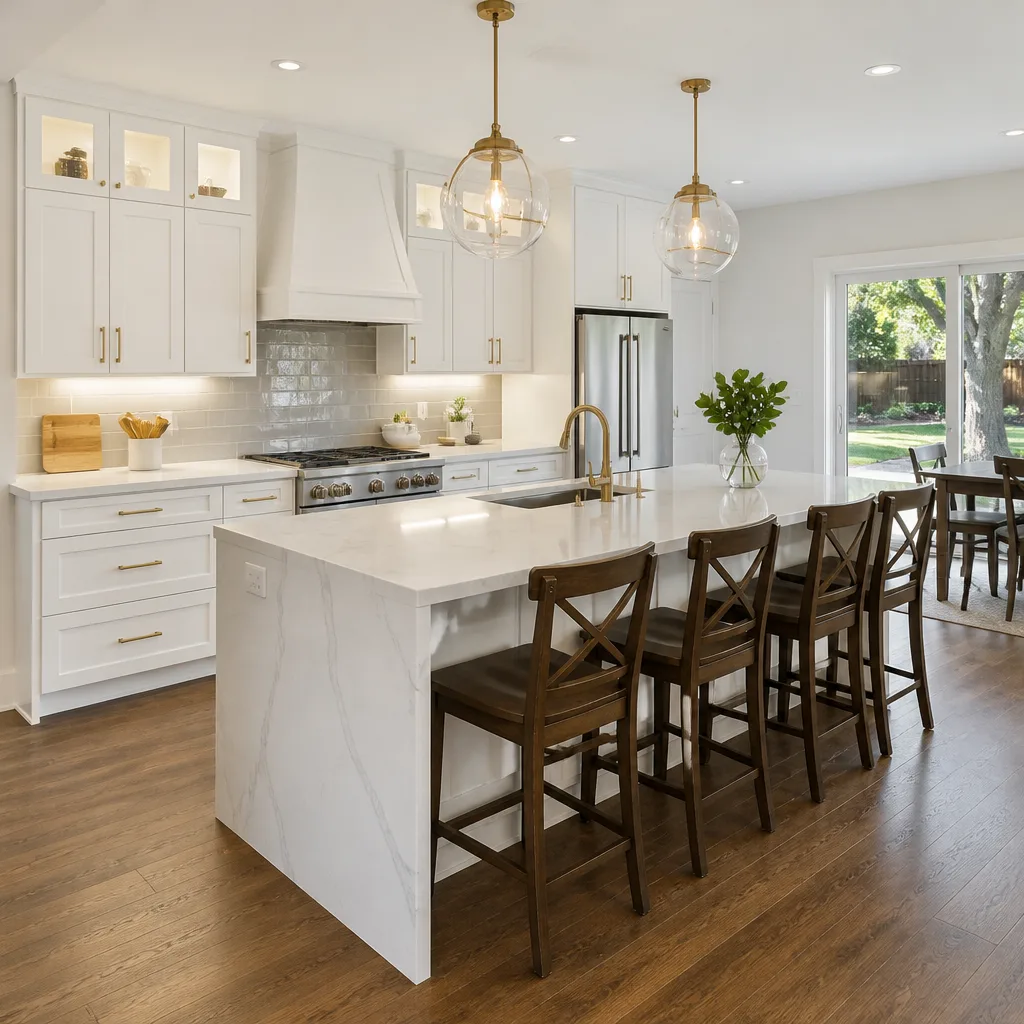 Kitchen remodeling
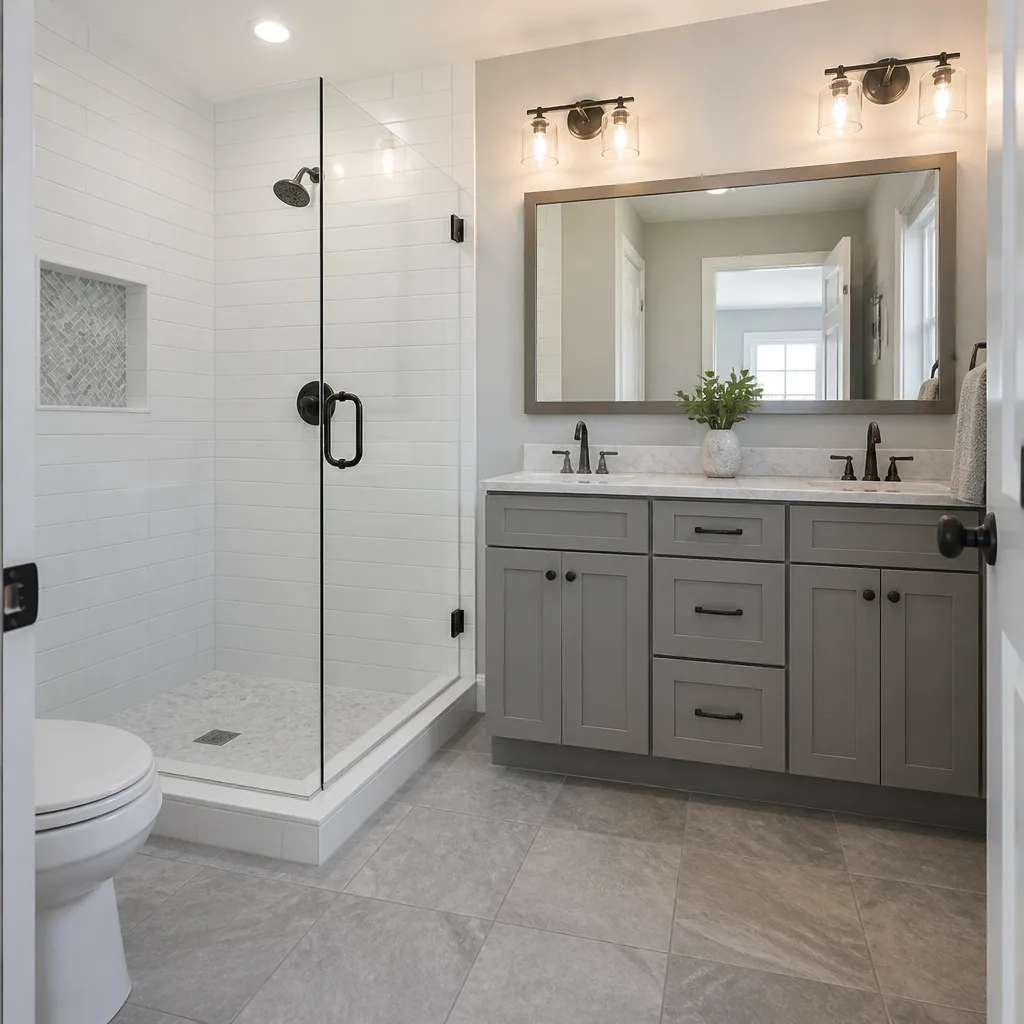 Bathroom remodeling
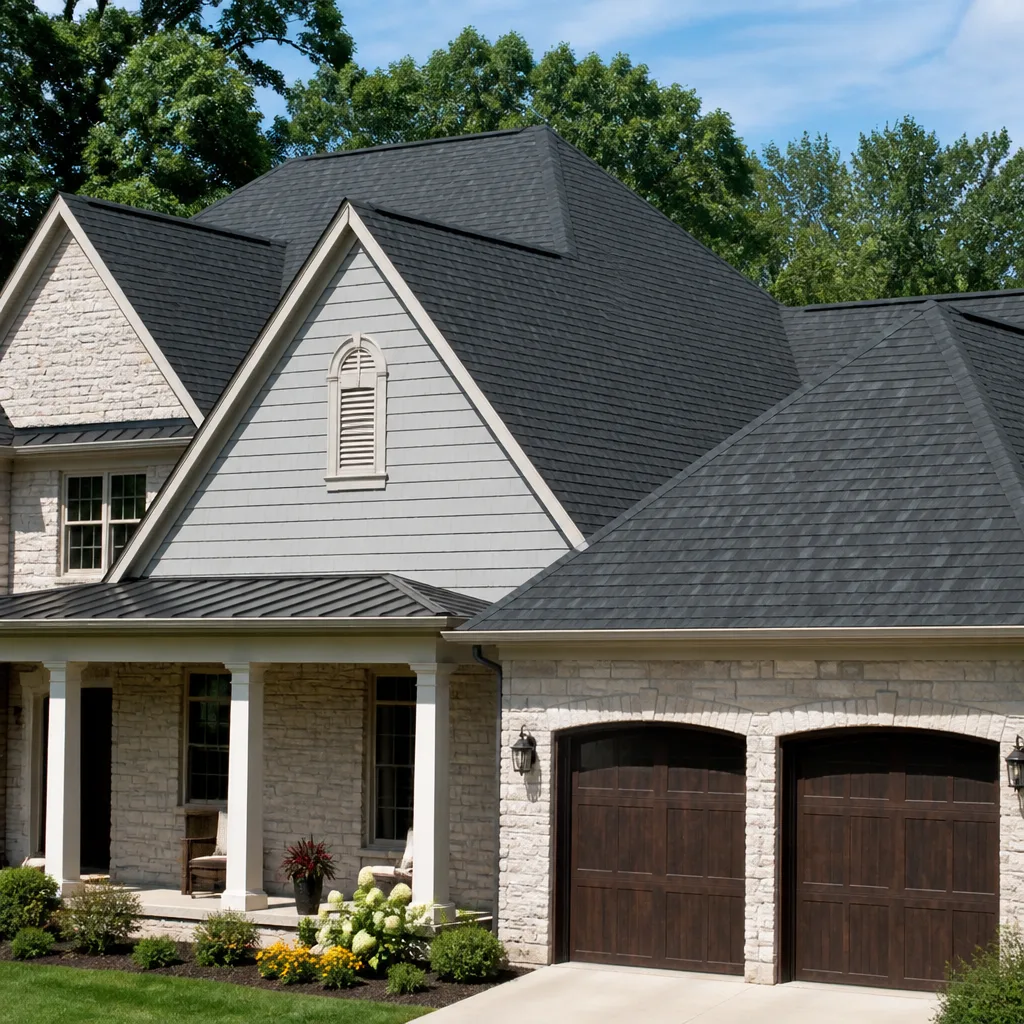 Roofing
 Windows & doors
 Driveway & pavers
 Fence
Free written scope consultation - allowances, timeline, and change-order rules on paper before a single trade is scheduled
Construction Cost Breakdown: The Lancaster Homeowner’s Reference for 2026
Here’s a number that surprises people: the same kitchen remodel quoted at $65,000 in Los Angeles proper often lands between $38,000 and $45,000 in Lancaster with the same cabinets and the same countertops. The gap isn’t quality. It’s labor rates, land cost, and how far materials travel to reach the job. But the flip side matters just as much – the same project quoted at $22,000 by a local operator usually means someone isn’t pulling permits, isn’t licensed for the electrical, or is planning builder-grade materials while charging you for mid-grade. This reference breaks down what construction actually costs in Lancaster in 2026, line by line, so you can tell an honest bid from a padded one or a stripped one.
Quick Answer
In Lancaster in 2026, expect roughly $40,000 – $60,000 for a kitchen remodel, $18,000 – $30,000 for a full bathroom, $95,000 – $180,000 for a room addition, $8,000 – $20,000 for a covered patio, and $9,000 – $18,000 for a paver driveway. Those ranges assume permits are pulled, allowances are written down, and materials are mid-grade or better. A bid far below the range almost always leaves out scope that shows up later as a change order or a failed inspection.
Styles & brands we work with
- Kitchen remodeling
- Bathroom remodeling
- Home additions & ADU
- Roofing
- Windows & doors
- Driveway & pavers
- Fence
Table of Contents
- What drives construction costs in Lancaster specifically?
- Realistic 2026 cost ranges for common Lancaster projects
- How to read a bid line by line
- Why permit and inspection fees belong in every bid
- Allowance-based bids vs. fixed-spec bids
- How to get three competitive bids without wasting anyone’s time
- Comparing bids apples-to-apples
- What the Antelope Valley climate does to materials and budgets
What drives construction costs in Lancaster specifically?
Lancaster costs less than coastal California for three concrete reasons. First, labor rates here run lower than Los Angeles, Orange County, or the Bay Area – typically 20 – 30% lower for the same trades, because the cost of living and the drive times are different. Second, land and overhead are cheaper, so a contractor’s fixed costs per job drop. Third, the local market is less crowded with high-end custom work, which keeps competition honest on mid-range projects.
What pushes costs back up in Lancaster is the climate. The Antelope Valley swings from summer highs over 100°F to winter nights below freezing. That range affects materials in ways coastal guides never mention:
- Roofing: UV exposure here ages asphalt shingles faster than in coastal markets. GAF and CertainTeed products rated for high heat hold up better, and the price difference is worth it.
- Driveways and pavers: The freeze-thaw cycle in January and February heaves poorly compacted base. Belgard and Techo-Bloc pavers set on a properly graded base cost more up front and far less over ten years.
- Fencing: Wind and sun destroy wood faster here. Vinyl from Bufftech or ActiveYards or steel from Jerith costs more than cedar initially and outlasts it by a wide margin.
- Windows: West-facing glass takes a beating. Andersen and Marvin products built for desert sun reduce cooling bills enough to matter.
We’ve watched these patterns play out across the Antelope Valley for a long time, and every estimate we write accounts for them.
Realistic 2026 cost ranges for common Lancaster projects
These are working numbers for Lancaster in 2026, assuming licensed work, permits pulled, and mid-grade or better materials. Treat them as a sanity check on any bid you receive.
- Room addition (300 – 500 sq ft): $95,000 – $180,000. Foundation, framing, roof tie-in, electrical, HVAC, finishes, and permit fees all included.
- Kitchen remodel (full gut, mid-grade): $40,000 – $60,000. KraftMaid cabinetry and Cambria quartz sit at the upper end; stock cabinets and laminate at the lower.
- Bathroom remodel (full): $18,000 – $30,000. Tile, fixtures, waterproofing, venting, and plumbing updates.
- Covered patio (attached, 200 – 400 sq ft): $8,000 – $20,000 depending on roof style and whether electrical is added.
- Paver driveway (standard two-car): $9,000 – $18,000, base prep included.
- Fence installation (150 linear ft): $4,500 – $9,000 for vinyl or steel; wood runs lower but needs replacing sooner here.
For deeper detail on hardscape and outdoor work, see our page on Driveway & Pavers in Lancaster. If you’re weighing an addition against a smaller project, our Home Additions & ADU in Lancaster guide covers what’s involved.
How to read a bid line by line
A bid is a document you should be able to audit. If you can’t tell what a line item covers, ask before you sign. Here’s what to look for in each part.
- Materials markup: A fair markup on materials runs 10 – 20% over wholesale. Above 25% and you’re paying for something other than the product. Ask for the brand and model number of every major material – KraftMaid versus an unnamed cabinet line changes the price by thousands.
- Labor rates: Unskilled labor in Lancaster runs $35 – $55 per hour; skilled tradespeople $65 – $105. A line that lumps labor into a single percentage without breaking it down is hiding something.
- Where margin hides: Watch for vague “general conditions” or “project management” lines over 10% of the total, or a “miscellaneous” line with no detail. Honest bids spell out dumpster, portable toilet, permit runner, and cleanup.
- Allowances: A tile allowance of $4 per square foot looks fine until you pick out what you actually want and find the real price is $9. See the section below on allowance vs. fixed-spec.
- Exclusions: Every bid should list what it does NOT cover. Missing exclusions are the most common source of end-of-job surprises.
If a bid has no line-item breakdown at all, that’s your answer about whether to use that contractor.
Why permit and inspection fees belong in every bid
Permits aren’t optional paperwork – they’re the mechanism that makes sure the work is safe and the resale value holds. In Lancaster, permit fees for a room addition typically run $1,500 – $3,500, and a kitchen or bathroom remodel runs a few hundred to over a thousand depending on electrical and plumbing scope. Those costs should appear as an explicit line on your bid, not get folded into a lump sum.
When a bid has no permit line, one of three things is happening:
- The contractor plans to skip the permit and hope nobody notices. This is common in remodeling work and it’s a real problem when you sell.
- The contractor plans to pull the permit and bill you for it later as a “surprise.”
- The contractor doesn’t know what permits are required. That’s its own answer.
We’ve been in enough Lancaster homes where the last contractor told the homeowner permits were optional. They aren’t. Unpermitted work can void insurance claims, stall a sale, and force you to tear out finished work. The building inspector works for you – that’s the point of the process. Every eligible job we take on gets permits pulled and inspections signed, and that line shows up in writing on the bid before anybody picks up a hammer.
Allowance-based bids vs. fixed-spec bids
Two bid structures dominate residential construction, and picking the wrong one for your project is how budgets blow up.
Allowance-based bids give you a credit for each material category – say $4,000 for tile – and bill you the difference if you spend more. The risk sits with you. This structure makes sense on a custom kitchen or bath where you genuinely don’t know what tile, fixture, or cabinetry line you want yet, and you want the flexibility to choose. It’s also how a $45,000 estimate quietly becomes $58,000 without anyone doing anything wrong.
Fixed-spec bids lock in specific products by brand and model. The risk sits with the contractor. If the mid-grade cabinet line costs more than they estimated, that’s their problem, not yours. This structure works best when you’ve already made your selections or when you’re comfortable with a specific lineup – KraftMaid for cabinetry, Cambria for countertops, GAF or CertainTeed for roofing.
Either structure is legitimate. What isn’t legitimate is a bid that looks fixed-spec but contains hidden allowances. If a line says “countertops – $3,000” and you don’t know what material that price covers, ask. The allowance that isn’t on paper is a surprise waiting for a date.
How to get three competitive bids without wasting anyone’s time
Three bids is the right number. One bid gives you nothing to compare. Two bids can leave you guessing. Four or more wastes everyone’s morning.
- Write a one-page scope. List the rooms, the square footage, the major materials you care about, and the deadline. This single document saves every contractor hours and forces them to bid the same project.
- Verify license and insurance before the site visit. Look up the license number yourself. A contractor who won’t give you one isn’t bidding.
- Insist on written, line-item bids. Not a verbal estimate, not a total on the back of a business card. A written bid you can read side by side.
- Ask each contractor what’s excluded. The exclusions are where the real differences surface.
- Compare in the same room, on the same day. Lay all three bids on the kitchen table and walk through them line by line. If one bid is $15,000 lower than the others, find out where that $15,000 went.
One more thing: don’t ask three contractors to design the project for free. Give them a scope and let them bid it.
See the difference
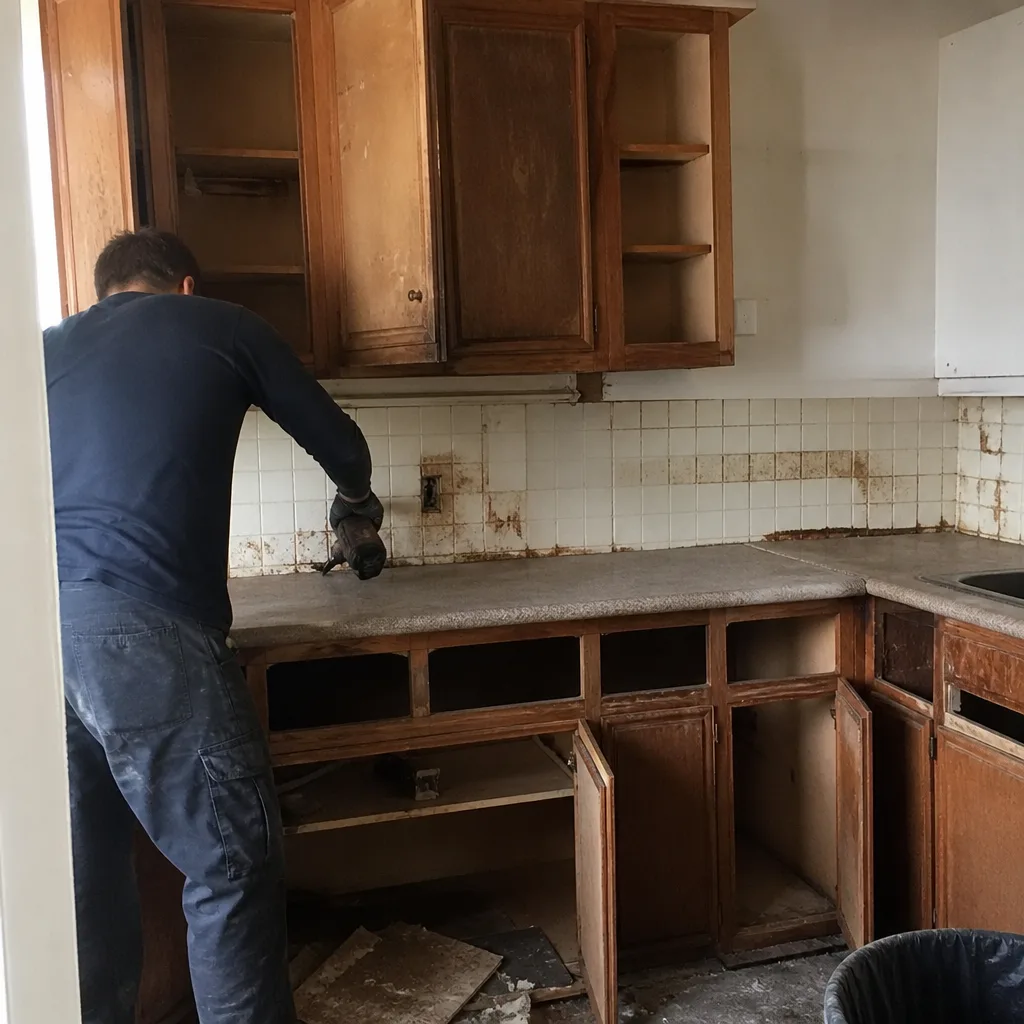 Before
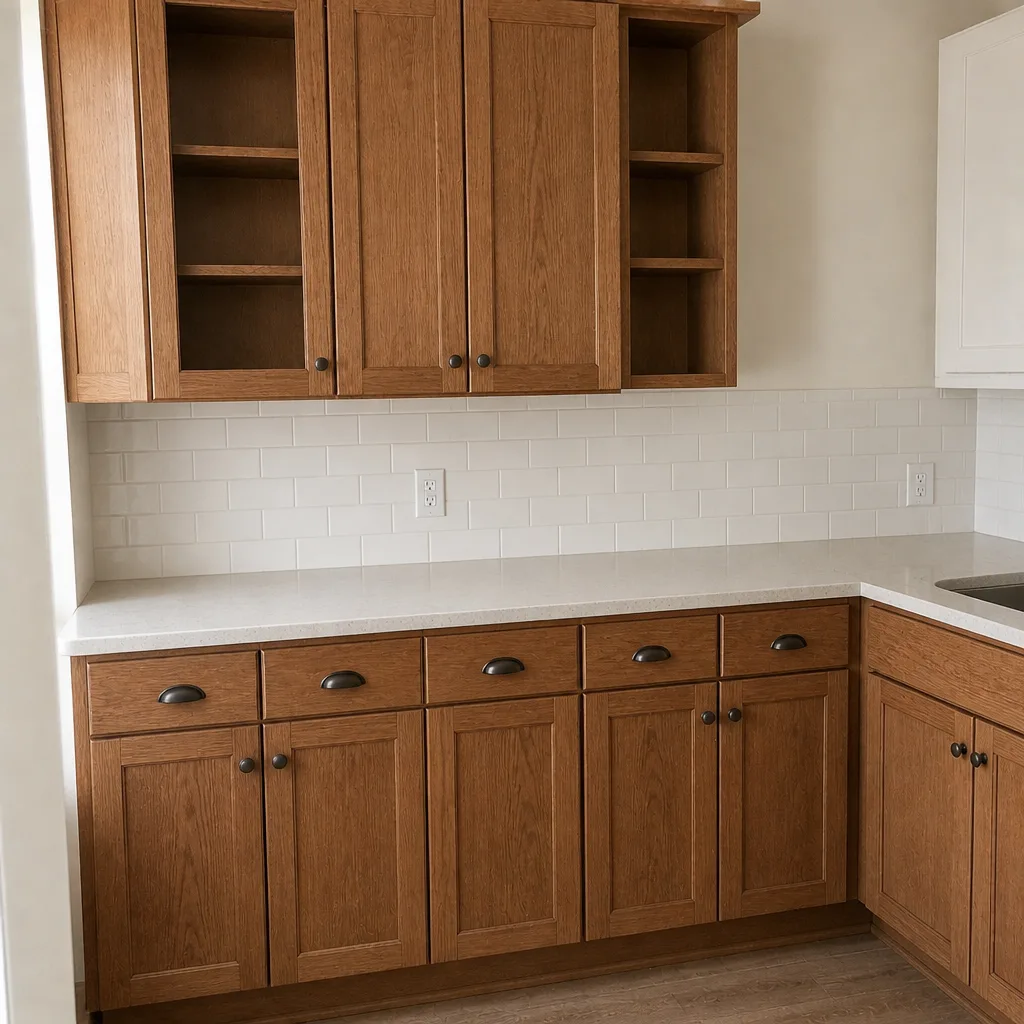 After
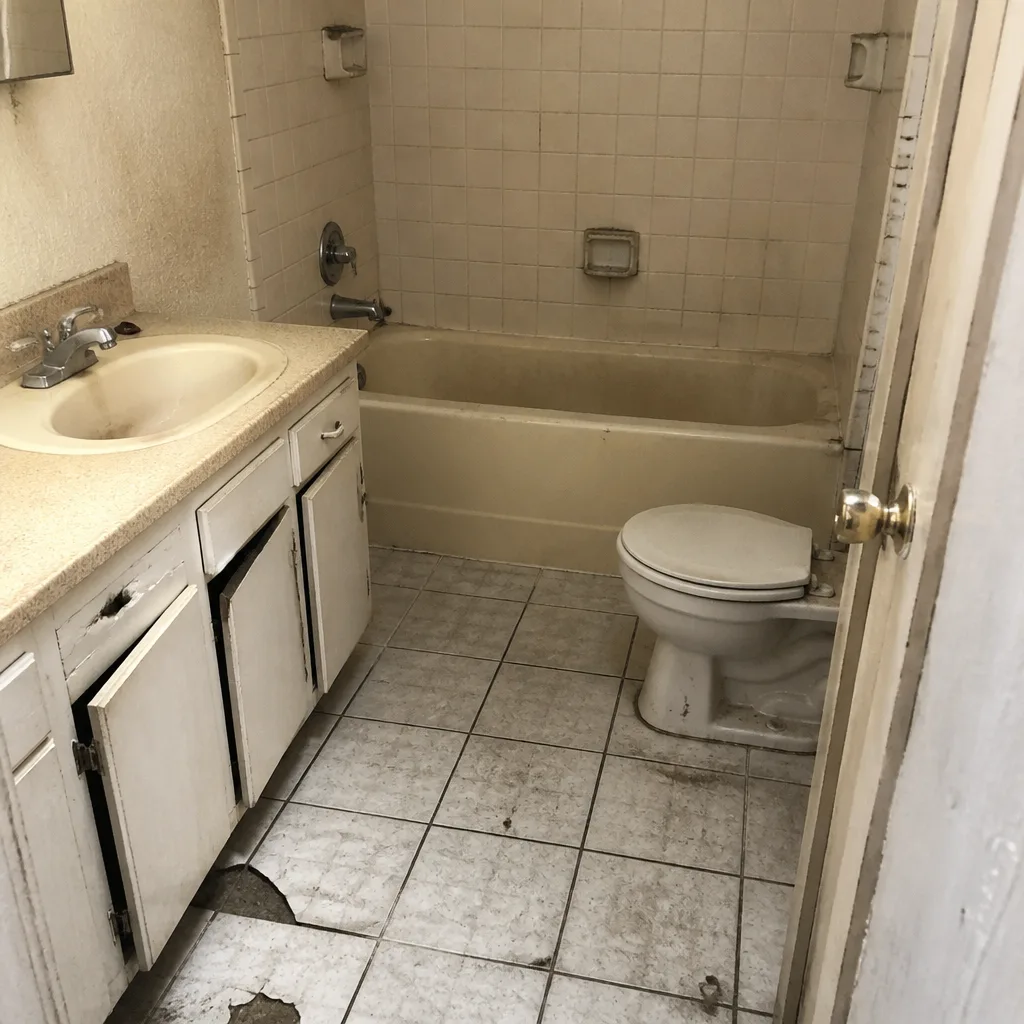 Before
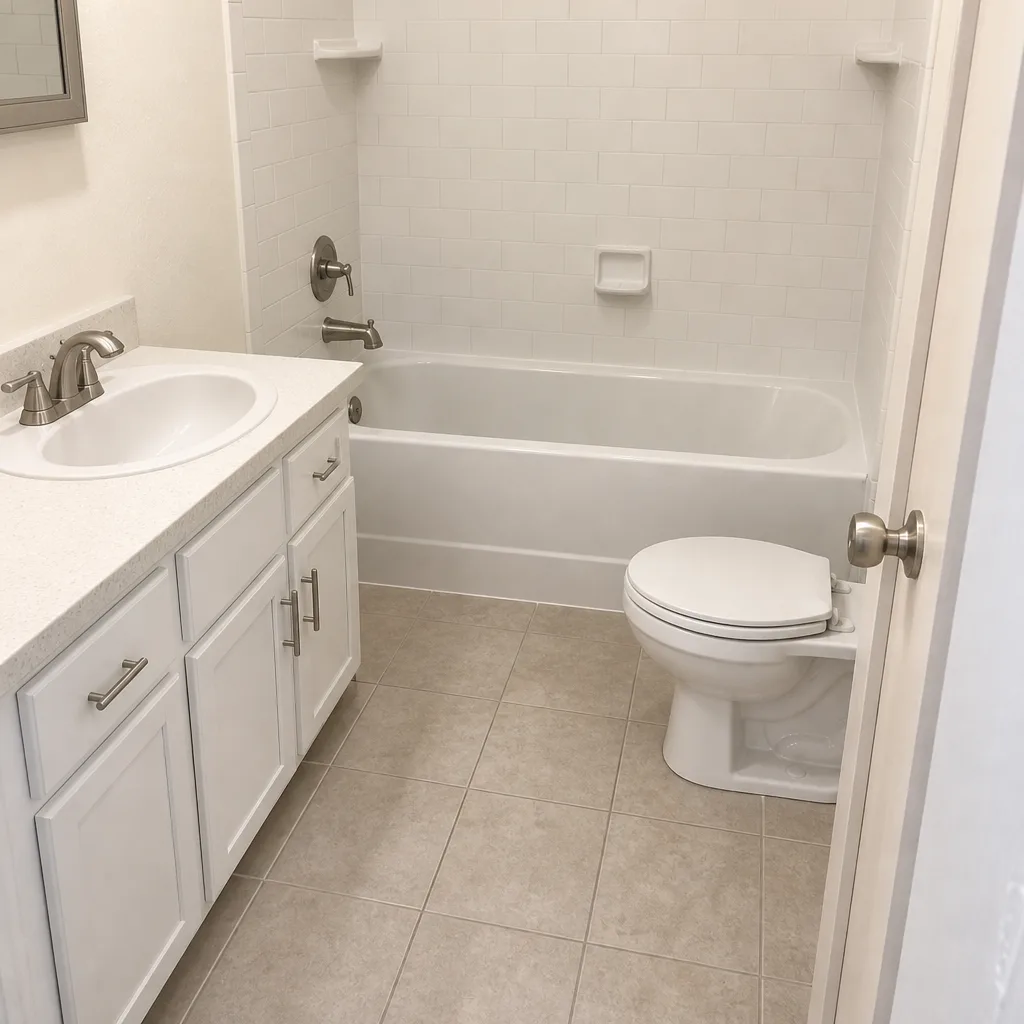 After
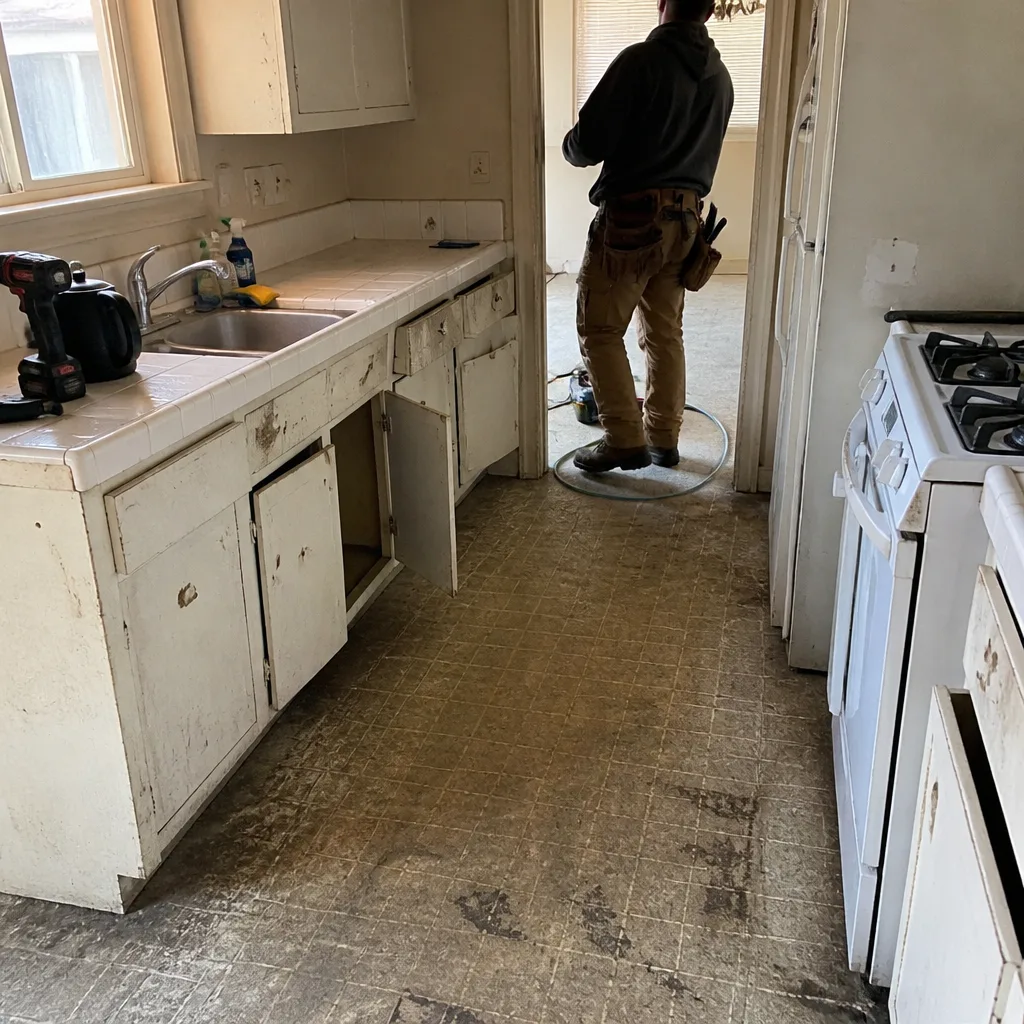 Before
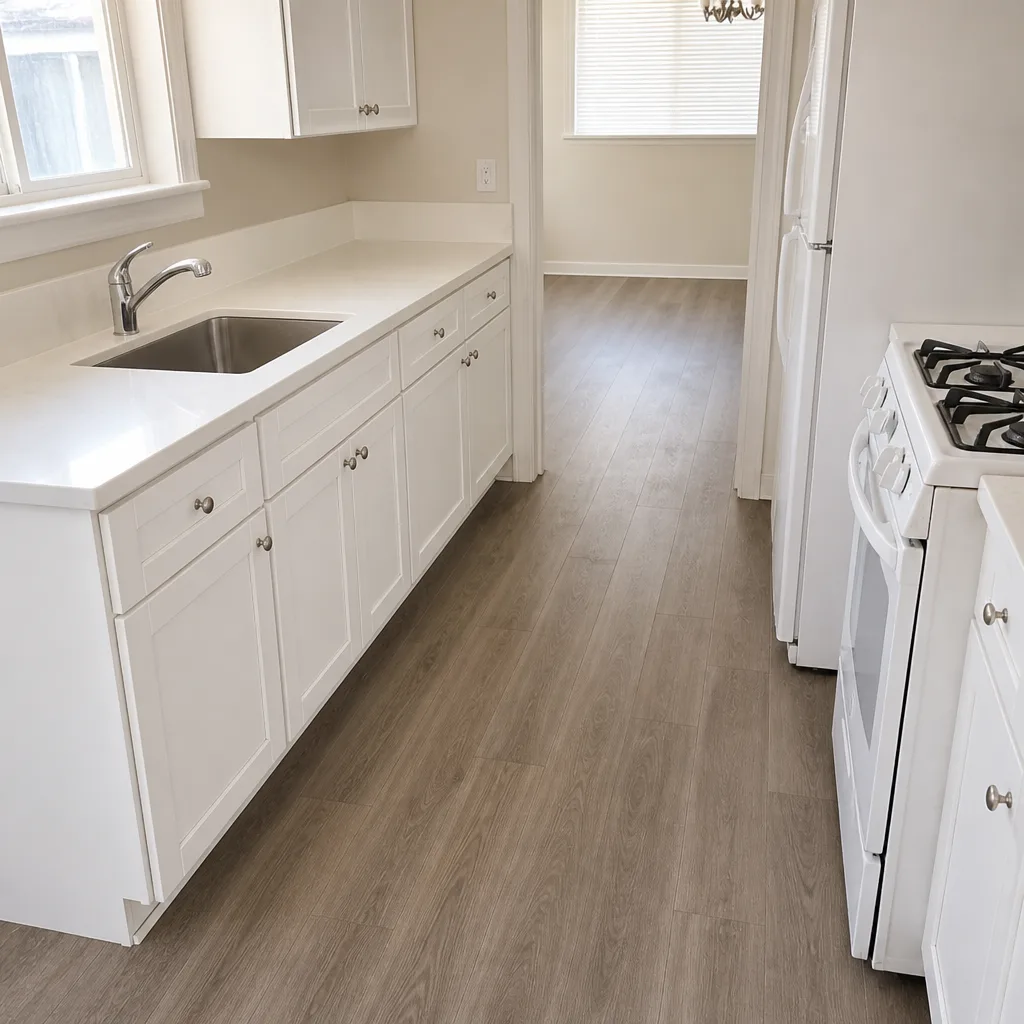 After
Comparing bids apples-to-apples
Two bids can look similar and mean completely different things. Build a simple comparison sheet with these columns for each bid:
- Total price
- Permit fees listed (yes/no)
- Inspection costs listed (yes/no)
- Allowances – number of, and dollar amounts
- Brand and model numbers specified for major materials
- Explicit exclusions
- Change order process in writing (yes/no)
- Workmanship guarantee terms
- Timeline with milestones
The bid that wins on this sheet is almost never the cheapest one. It’s the one that specified brands, wrote down allowances, listed exclusions, included the permit line, and put the change order process on paper. A contractor whose bid tells you exactly what you’re buying is a contractor you can hold to it.
For exterior work, the same discipline applies. See our guide to Fence Installation in Lancaster for how materials and base prep shape pricing. And to understand the full scope of what we take on, start from the Barrett & Sons Construction Lancaster home page.
What the Antelope Valley climate does to materials and budgets
Lancaster sits at roughly 2,400 feet in the high desert, which means every material decision carries a climate cost. Asphalt shingles here age faster than they do in Bakersfield or Riverside. Exterior paint chalks and fades in two or three summers instead of five. Wood fences that would last fifteen years in coastal California need replacement in eight here. Concrete slabs crack when the base isn’t compacted properly before the pour.
None of this means you should buy the most expensive option in every category. It means the bid that specifies proper materials for this climate – CertainTeed or GAF roofing rated for UV, Belgard or Techo-Bloc pavers on a compacted base, vinyl or steel fencing – saves you money over a decade even though it costs more on day one. A contractor who bids standard coastal-grade materials in Lancaster without mentioning the difference hasn’t done their homework, and you’ll pay for that later.
Common Mistakes to Avoid
- Signing the lowest bid without comparing line by line. The cheapest bid is often the one with the most allowances and the fewest specifications, and it’s almost never the cheapest job.
- Accepting a verbal price and assuming it’s final. In Lancaster, verbal prices have a habit of moving once the truck is in the driveway. Get it in writing or walk away.
- Letting the contractor pull permits without seeing the fee on the bid. You want to see the number, not discover it.
- Choosing materials without knowing the allowance amount. If the bid says “tile included” and you want a $12-per-square-foot product, you’re paying the difference.
- Skipping the license lookup. It takes two minutes online. No contractor worth hiring will mind you checking.
- Hiring without a written change order process. Every change should arrive as a signed document before the work moves forward, not as a line on the final invoice.
- Forgetting the 90-day test. If a contractor can’t explain what happens when something goes wrong ninety days after the job is done, that’s a red flag worth taking seriously.
When to Call a Professional
Some projects are bigger than a weekend and a YouTube tab. A room addition with a roof tie-in, a full kitchen or bath gut, an electrical panel upgrade, a gas line for a new range, or a roof over a two-story house – these are jobs that involve permits, structural decisions, and safety. Electrical work in particular carries real risk; a panel that isn’t sized correctly can cause a fire, and no cost savings justify that risk. Get a pro. Barrett & Sons Construction Lancaster offers free estimates in Lancaster – call (888) 427-1810. We’ll walk your project, write a line-item bid with permits and materials spelled out, and put the change order process on paper before anyone touches a tool.
Frequently Asked Questions
A full kitchen remodel in Lancaster in 2026 typically runs $40,000 – $60,000 for mid-grade materials, with KraftMaid cabinetry and Cambria countertops at the upper end and stock products at the lower. The biggest cost variables are cabinetry, countertops, and whether electrical or plumbing needs relocating. Call (888) 427-1810 for an exact quote – estimates are free.
Labor rates in Lancaster run about 20 – 30% lower than Los Angeles, and land and overhead costs are lower too, because the Antelope Valley market is less crowded at the high end. Materials themselves cost about the same, so most of the savings comes from labor and contractor overhead, not product grade.
They should, and the good ones insist on it. Kitchen and bathroom remodels, room additions, roofing, and electrical or plumbing work all require permits in Lancaster, with fees typically running a few hundred dollars to $3,500 depending on scope. If a bid doesn’t list the permit fee, ask why before you sign, and call (888) 427-1810 to see what a fully permitted bid looks like.
Only if you change the scope, and any change should arrive as a written change order before the work proceeds. Unexpected price jumps usually trace back to allowance overruns or undisclosed exclusions, both of which you can spot at the bid stage. Our bids are fixed-spec wherever possible, and every change gets a signed change order.
An allowance is a credit for a category (tile, fixtures, cabinetry) with the overage billed to you; a fixed price locks in a specific product by brand and model with the overage on the contractor. Use allowances for custom selections you haven’t finalized, fixed-spec everywhere else. Call (888) 427-1810 to talk through which structure fits your project.
Most additions run four to six months from permit approval to final inspection, with the permit process itself adding six to twelve weeks depending on scope. Weather, inspection scheduling, and material lead times all move that number. A bid with a timeline and milestones is a bid you can hold a contractor to.
The Bottom Line
Lancaster construction costs less than coastal California – by 20 – 30% on labor and less on overhead – but the rules of a good bid are the same everywhere. Written scope, written allowances, written change orders. Permit fees and inspection costs spelled out on the line, not buried. Brand names on materials. Exclusions listed. And a workmanship guarantee on paper, not on a handshake. A $65,000 job in Los Angeles becomes $40,000 – $60,000 here. A $22,000 bid on the same kitchen is missing something you’ll pay for later. Read the lines, compare them side by side, and call the contractor whose bid reads like a document you can audit.
Every eligible job we take on gets permits pulled and inspections signed, every price change arrives in writing before work proceeds, and every completed job is backed by our written 90-Day Done Right Promise. When a bid comes in with a $40 off any repair over $200 standing offer or a free second opinion on any written estimate, it’s coming from us. We offer a no trip charge inside the county, and a permanent 10% Senior & Veteran discount. Call (888) 427-1810 for a free estimate on your Lancaster project.
Written by the team at Barrett & Sons Construction Lancaster.