
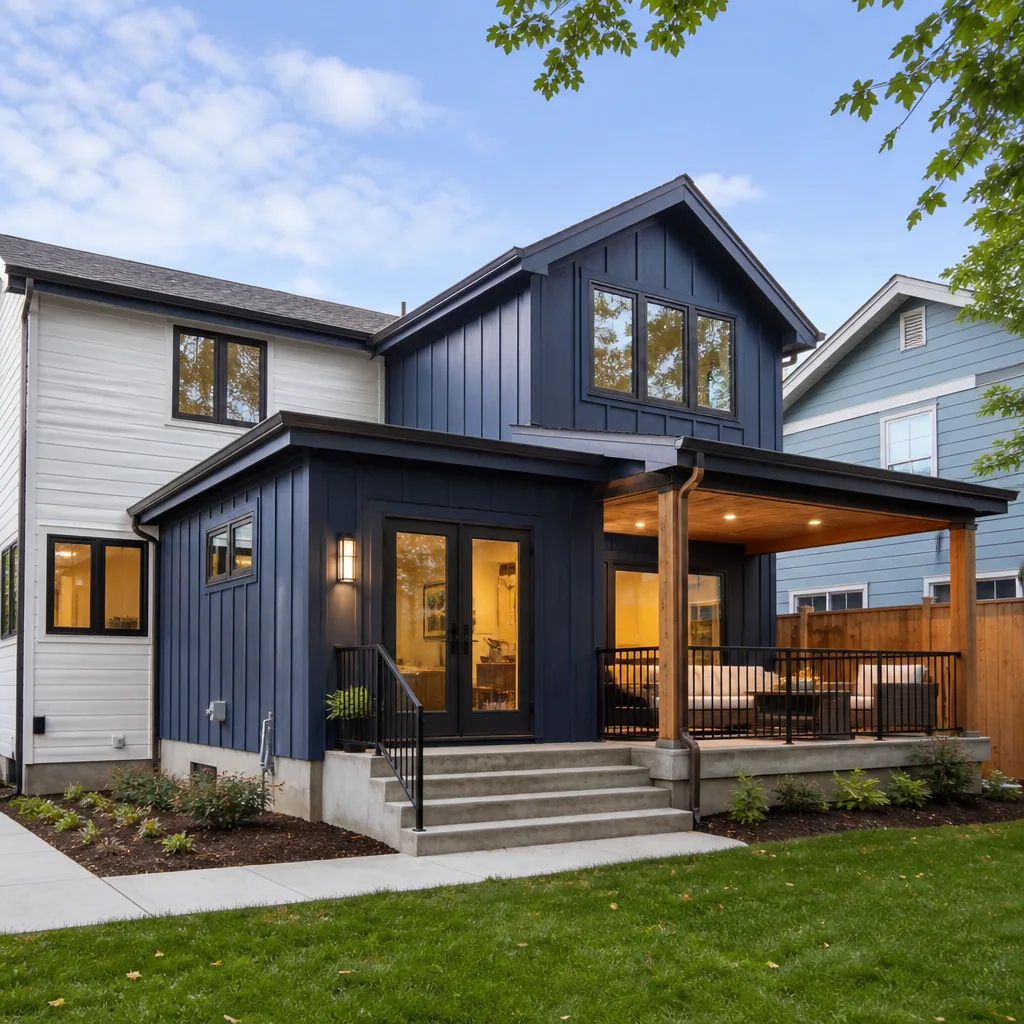
 Home additions & ADU
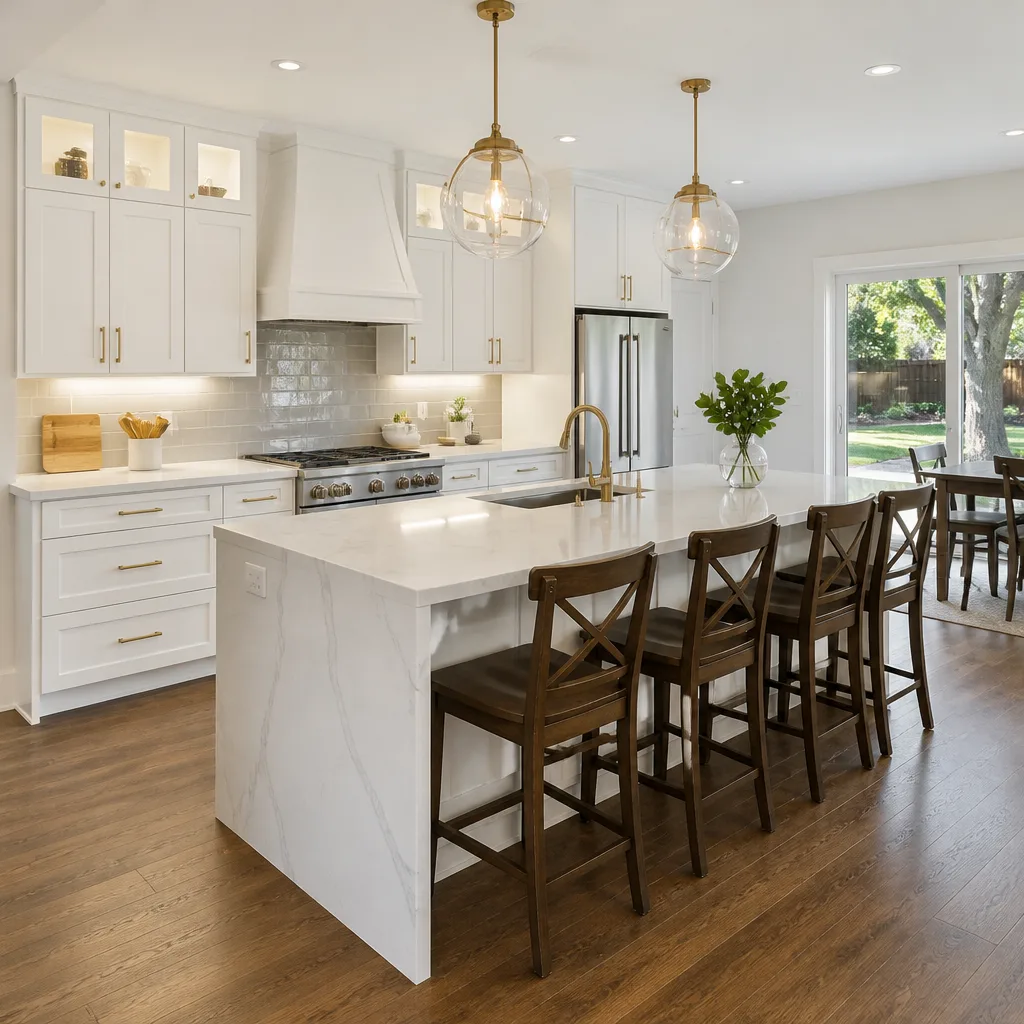 Kitchen remodeling
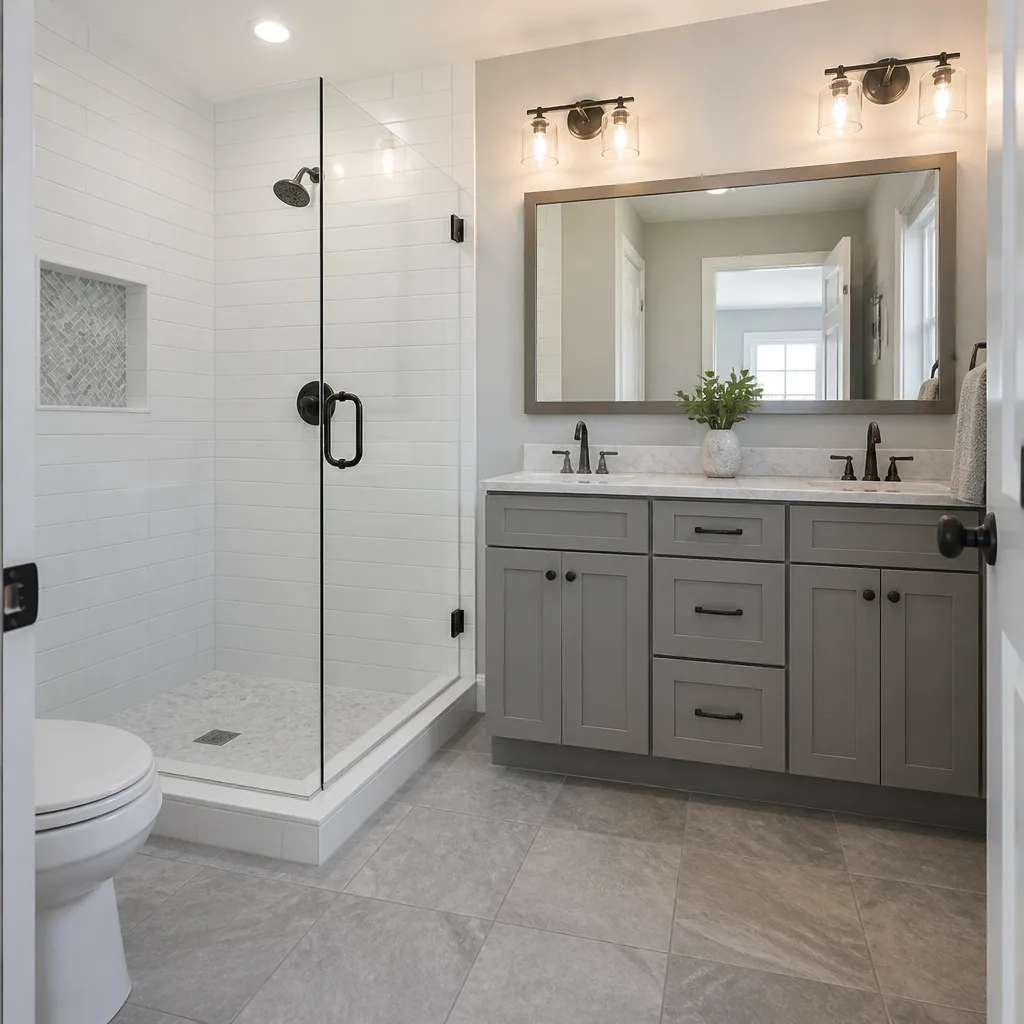 Bathroom remodeling
 Roofing
 Windows & doors
 Driveway & pavers
 Fence
Free written scope consultation - allowances, timeline, and change-order rules on paper before a single trade is scheduled
Quikrete Home Additions & ADU: The Lancaster Owner’s Guide
If you’re pricing a Quikrete-based addition or ADU in Lancaster, plan on $45,000 – $130,000 for a home addition and $90,000 – $220,000 for a full ADU, with concrete and masonry work from Quikrete materials priced inside those numbers. We build these jobs with permits pulled and inspections signed, and every change order in writing before work moves. Lancaster homeowners usually discover a problem the same way: a hairline crack widens across a slab, a control joint opens up, or a block wall starts stepping at the corners after a summer of 100-degree swings between day and night.
Quikrete isn’t a machine with a serial number. It’s the bagged concrete, mortar, and repair material under your addition or ADU slab, footings, and stem walls, so “the part” is really the mix and the pour that’s failing. We’re an independent contractor and not affiliated with Quikrete, but we pour with their material often enough to know what holds up in the Antelope Valley and what doesn’t.
Which Quikrete Models This Applies To
Quikrete sells by product line, not by model year, so you’re matching the right bag to the job. The lines you’ll see on an addition or ADU project around Lancaster are Concrete Mix (the 80 lb. red bag most homeowners recognize), High Strength Concrete Mix, Crack-Resistant Concrete, Sand/Topping Mix, Mortar Mix and Type S Mortar, and the fast-setting Quikrete FastSet line for small repairs.
How to identify what you need:
- Read the bag and the yield chart, not the project guess. An 80 lb. bag of Concrete Mix yields about 0.6 cubic feet, so a 10×10 slab at 4 inches thick is roughly 1.3 cubic yards, or about 60 bags before waste. Add 5 – 10% for uneven ground.
- Check the stamp and the spec. Footings and structural slabs want High Strength or Crack-Resistant mix at 4,000 psi and up, not the general-purpose bag.
- Match mortar to the masonry. Type S is the standard for block stem walls in this climate; Type N is for above-grade veneer.
On OEM versus aftermarket: with bagged concrete there’s no “OEM part” to chase. The real decision is Quikrete versus a local ready-mix truck for anything over about a cubic yard. For an ADU slab in Lancaster, a ready-mix delivery usually beats pallets of bagged mix on both cost and consistency. For footings, patches, and small pours, Quikrete bags are the right call.
Styles & brands we work with
- Kitchen remodeling
- Bathroom remodeling
- Home additions & ADU
- Roofing
- Windows & doors
- Driveway & pavers
- Fence
Signs Your Quikrete Home Additions & ADU Is Failing
Concrete doesn’t fail overnight. It tells you first. Here’s what we look for when a Lancaster homeowner calls about an addition or ADU slab:
- Hairline cracks that keep widening. Small shrinkage cracks are normal in the first year. Cracks wider than a credit card, or ones that grow season to season, usually mean the mix was too wet, the slab was poured too thin, or there was no proper base compaction underneath.
- Control joints that open or step. If the cut joints are ragged or one side sits higher than the other, the slab is moving on soil that wasn’t compacted right. Antelope Valley soil shifts a lot with moisture, and a weak base lets it.
- Efflorescence, the white powder on block or slab edges. That’s salt pushed out by moisture moving through the concrete. It can be cosmetic, or it can signal water getting in where it shouldn’t, especially at stem walls.
- Spalling and surface flaking. The top layer peeling off in sheets points to a pour done in the heat without proper curing, or an over-wet mix. Lancaster summers punish a slab that wasn’t kept damp while it cured.
- Crumbling mortar joints in a block wall. Soft, sandy joints between blocks mean the mortar was mixed wrong or the wall is holding water. Left alone, the wall loses strength at the base.
See the difference
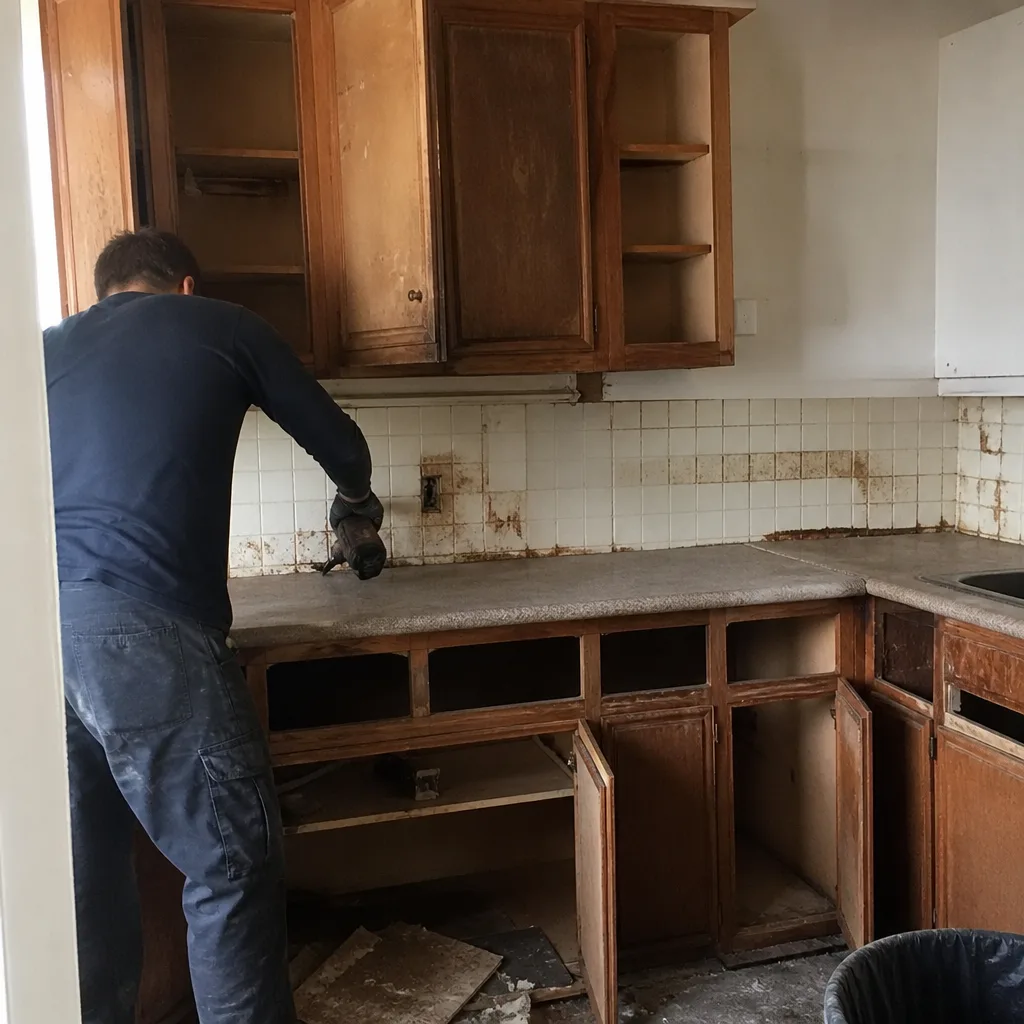 Before
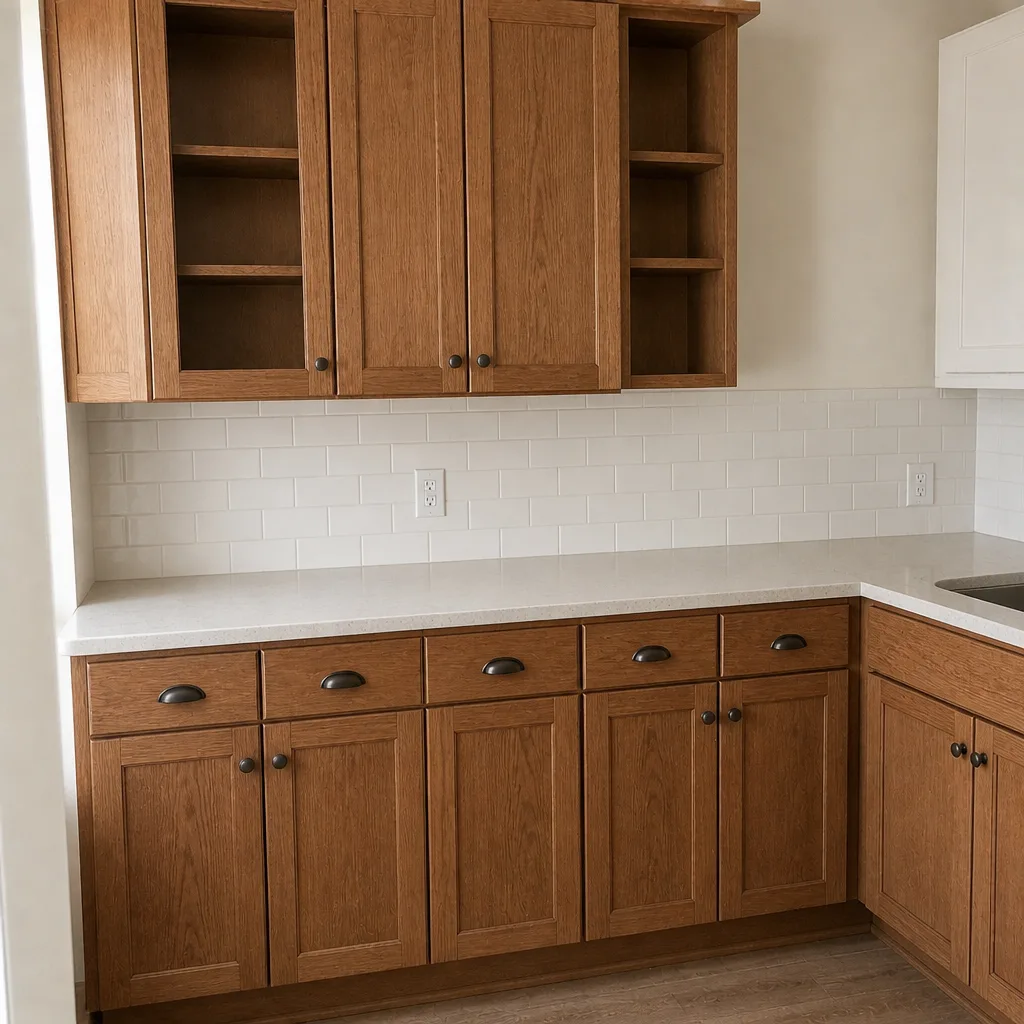 After
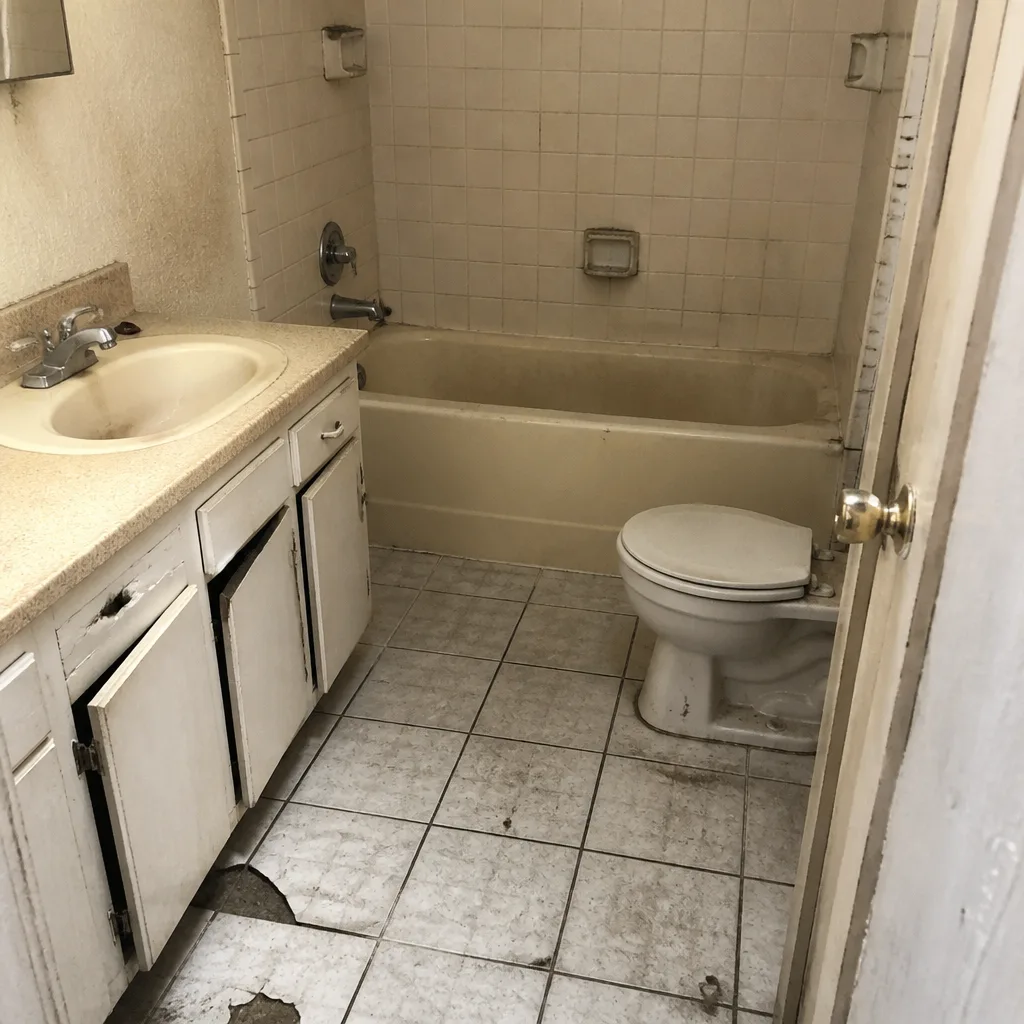 Before
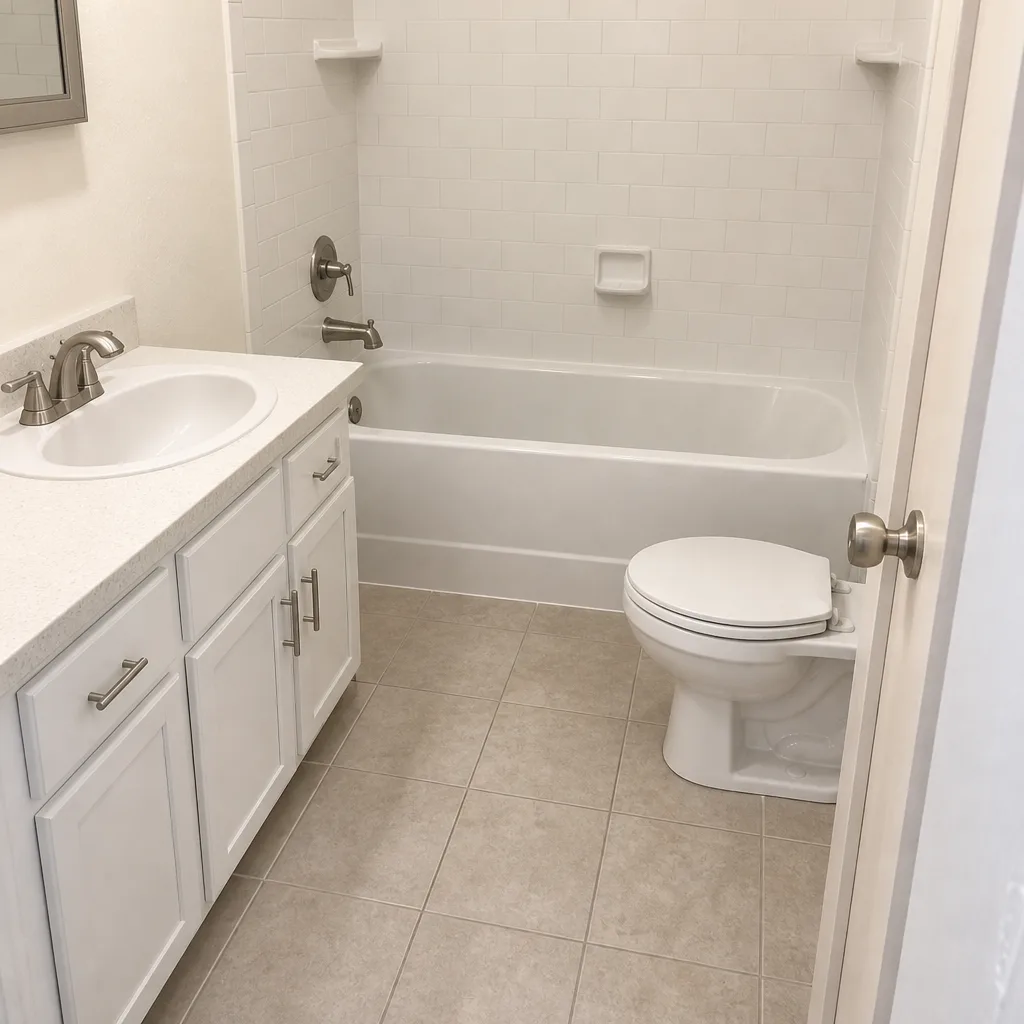 After
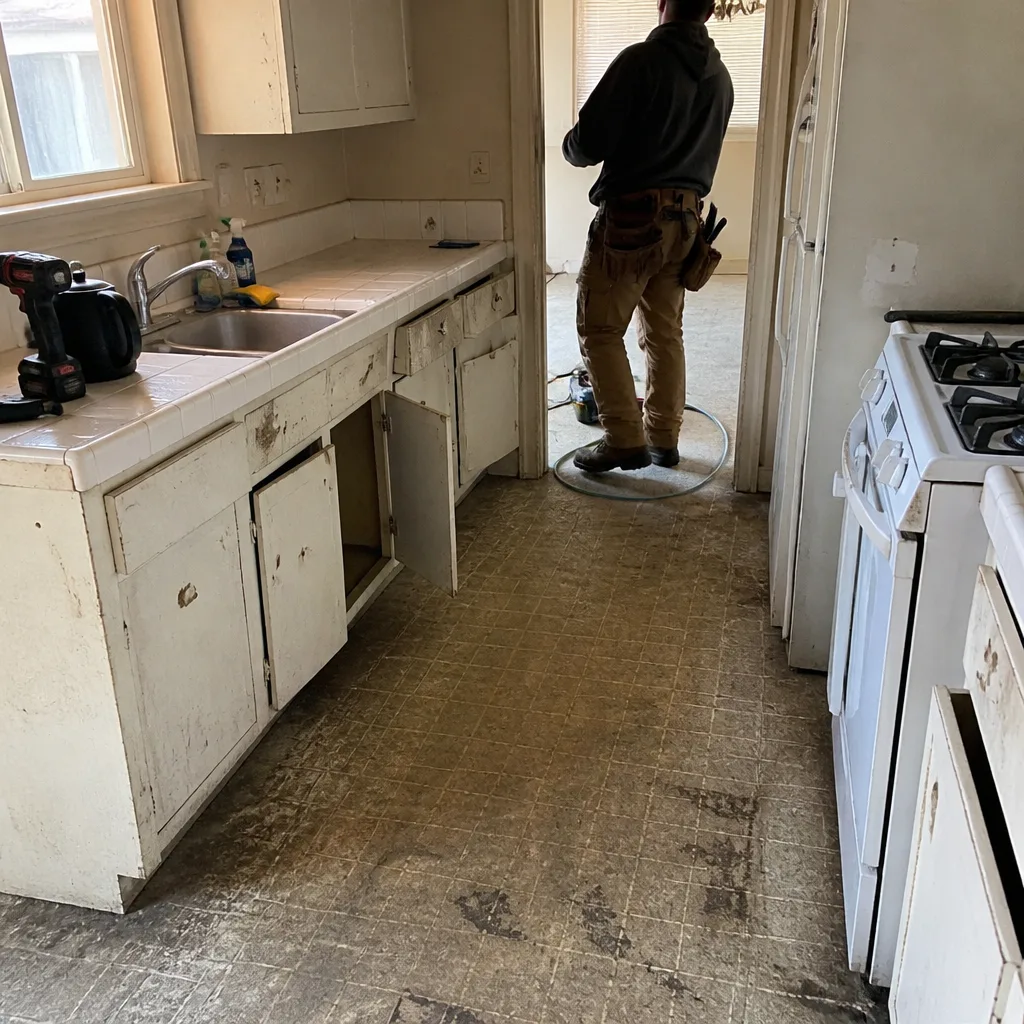 Before
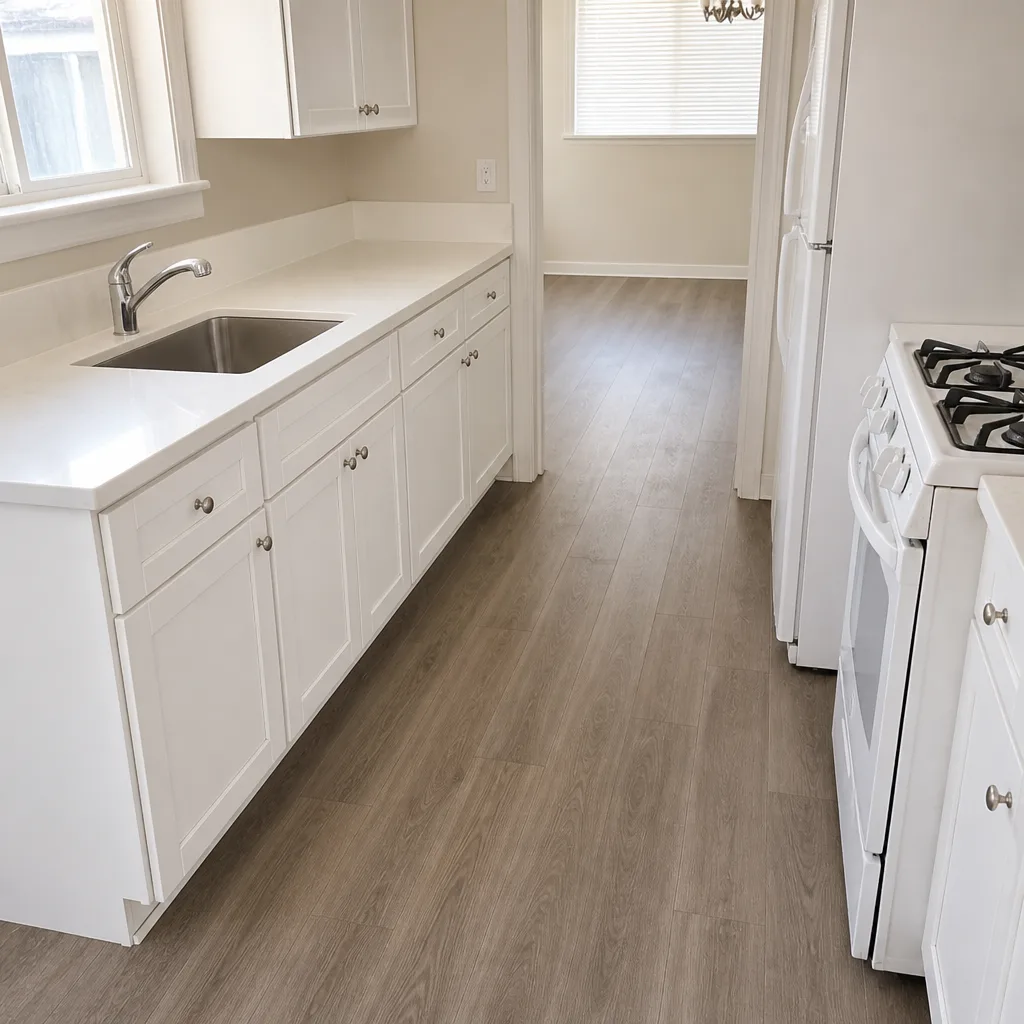 After
Replacement Cost & What’s Included
In Lancaster, a home addition runs $45,000 – $130,000 and a full ADU runs $90,000 – $220,000. A garage conversion sits lower, at $30,000 – $80,000. Those numbers include the concrete and masonry scope, framing, and finishes, with the Quikrete material cost baked into the foundation portion rather than billed as a separate line.
What drives the range:
- Size and whether it’s a slab-on-grade or raised foundation.
- Soil prep. Antelope Valley ground often needs over-excavation and recompaction before any bag hits the hole.
- Whether you’re adding a bathroom and kitchenette (an ADU needs them; a bonus room doesn’t).
- Utility trenching distance to the main panel and sewer.
You get a written line-item quote, permits pulled and inspections signed on every eligible job, and a written change order before any scope change touches the work. Every completed job is backed by our 90-Day Done Right Promise.
DIY or Call Us?
Small stuff is fine to handle yourself. You can patch a cosmetic crack with Quikrete Concrete Patch, reseal a control joint, or fill a shallow spall. What you shouldn’t DIY is anything structural: footings, stem walls, slab replacement, or lifting a settling addition. A foundation mistake doesn’t show up for a year, and by then it’s a five-figure repair.
One honest word on safety: concrete work means mixing caustic material, lifting 80 lb. bags, and cutting with a saw that throws silica dust. Wear the right respirator and eye protection, and if the job is bigger than a wheelbarrow, get help. For anything under an addition or ADU, call us at (888) 427-1810 for a free estimate.
FAQs
A properly poured, properly cured slab lasts 50-plus years. The catch in Lancaster is curing: our dry heat pulls moisture out fast, so a slab poured in July needs to be kept damp for about a week or it will surface-crack. Call (888) 427-1810 for a free estimate on your slab.
Often yes, if the damage is cosmetic. Cracks under a quarter-inch and surface spalling can be patched and sealed. If the slab is heaving, stepping at joints, or the footings are settling, patching just hides the problem, and replacement is the honest answer. We’ll tell you which one you’re looking at.
A patch or crack repair is usually a day. A slab replacement or footing repair runs three to seven days depending on size, cure time, and inspection scheduling with the city. We give you a real timeline in the written quote, not a guess.
We buy it through local building-supply yards in the Lancaster area and match the product line to the spec: High Strength for footings, Type S for block, FastSet for small repairs. We don’t carry stock on a truck; material gets ordered to the job. Call (888) 427-1810 for a free estimate.
We also work with KraftMaid, Cambria, and Silestone on the interior side of additions and ADUs when your project includes a kitchen or bath.
Call (888) 427-1810 for a free estimate. We’re an independent contractor, not affiliated with Quikrete. Written scope, written allowances, written change orders, and a live person answers the phone day or night.
Written by the team at Barrett & Sons Construction Lancaster, serving Lancaster and nearby areas.