

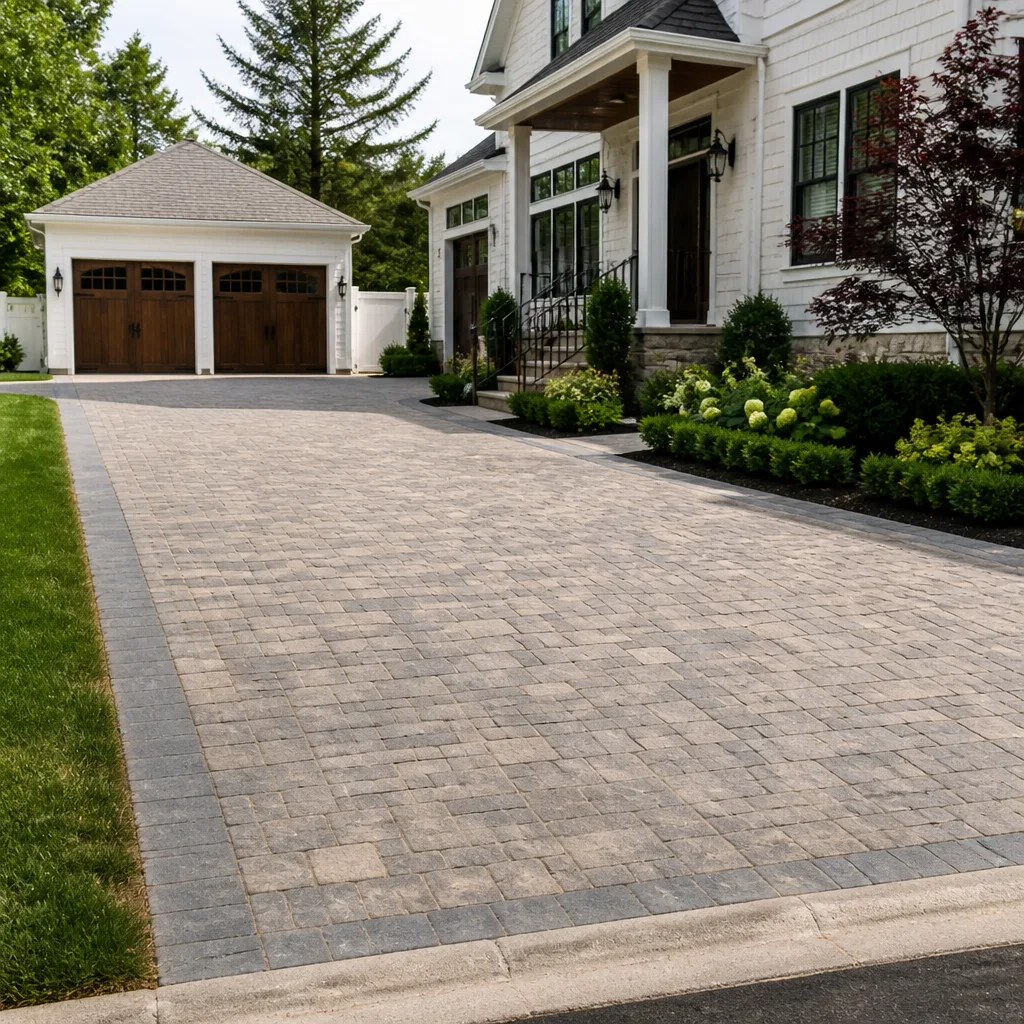
 Driveway & pavers
 Kitchen remodeling
 Bathroom remodeling
 Home additions & ADU
 Roofing
 Windows & doors
 Fence
Free written scope consultation - allowances, timeline, and change-order rules on paper before a single trade is scheduled
Cambridge Pavers Driveway & Pavers: The Lancaster Owner’s Guide
If you’re pricing Cambridge Pavers driveway and paver work in Lancaster, most full paver driveway installations run $7,000 to $18,000 installed, and repair-level jobs (replacing a settled section, re-leveling a walkway, resetting a failed edge) usually land in the driveway and patio ranges below rather than the full-build number. Cambridge Pavers is a manufactured concrete paver system, so the “part” you’re matching is almost always the correct paver series, the color lot, and the restraint or jointing components that hold it all together – not an electronic control board. Owners in Lancaster usually find the problem the same way: a dip in the driveway you feel in the steering wheel, sand washing out of the joints after a monsoon-season storm, or a paver that rocks underfoot near the garage apron.
Which Cambridge Pavers Models This Applies To
Cambridge Pavers makes several distinct paver lines, and the differences matter when you’re replacing a section instead of paving the whole driveway. The big ones are face profile, thickness, and how the paving stone interlocks into a system. Ledgestone series carry a chiseled, textured face and a thicker profile designed for heavier loads; smaller-format lines are laid in patterns where the placement and orientation matter as much as the dimensions. A radius-edged line can’t be swapped for a squared one without cutting and re-setting the border.
Identify your paver by measuring an actual unit – length, width, thickness to the eighth of an inch – and photograph the face and at least one corner. Cambridge pavers are typically in the 2⅜-inch to 3⅛-inch thickness range depending on the line, and mixing a 2⅜-inch paver into a field laid at 3⅛ inches creates a trip edge you will feel barefoot. Check the underside for a manufacturer stamp. Older installations often have no marking, and color lots drift between production runs even on the same model line, so matching the exact color is a real constraint – which is why we frequently recommend a deliberate band or border in a contrasting paver rather than chasing a color that’s several years out of production. On the OEM-versus-aftermarket question: Cambridge-compatible bedding sand, polymeric jointing sand, and edge restraint are all interchangeable with quality equivalents, and we’ll tell you plainly when a generic substitute performs the same. We’re an independent installer and not affiliated with Cambridge Pavers, so our recommendation is about what will hold up in Lancaster soil and heat, not about a brand obligation.
Styles & brands we work with
- Kitchen remodeling
- Bathroom remodeling
- Home additions & ADU
- Roofing
- Windows & doors
- Driveway & pavers
- Fence
Signs Your Cambridge Pavers Driveway & Pavers Is Failing
Pavers themselves rarely fail. The layers under them nearly always do. Here’s what to look for in Lancaster:
- Rutting or dips you feel through the tires. This is almost always a base problem – insufficient compacted aggregate depth or soil that wasn’t stabilized before the pavers went down. In Lancaster, our irrigation-heavy summer watering and the rainy season both work that base loose when drainage is wrong.
- Sand washing out of the joints. Water is finding a path it shouldn’t. Either the joint wasn’t filled with polymeric sand properly or the slope sends runoff across the field instead of off the edge.
- Paver rotation or spreading at the driveway edges. Edge restraint has failed or was never set deep enough into the ground. This is the single most common failure we see at garage aprons and at the transition to the street.
- Efflorescence – the white haze on the surface. Moisture trapped under the field migrates up through the paver. In our dry climate you’d expect less of it, not more, so a persistent haze in Lancaster usually signals a drainage or base-compaction issue, not just surface residue.
- Individual pavers rocking or breaking. One rocking paver under the heel of your shoe means that unit is sitting on a void. If the breakage is in a cluster, the base has failed locally and the repair is a re-excavation, not a swap.
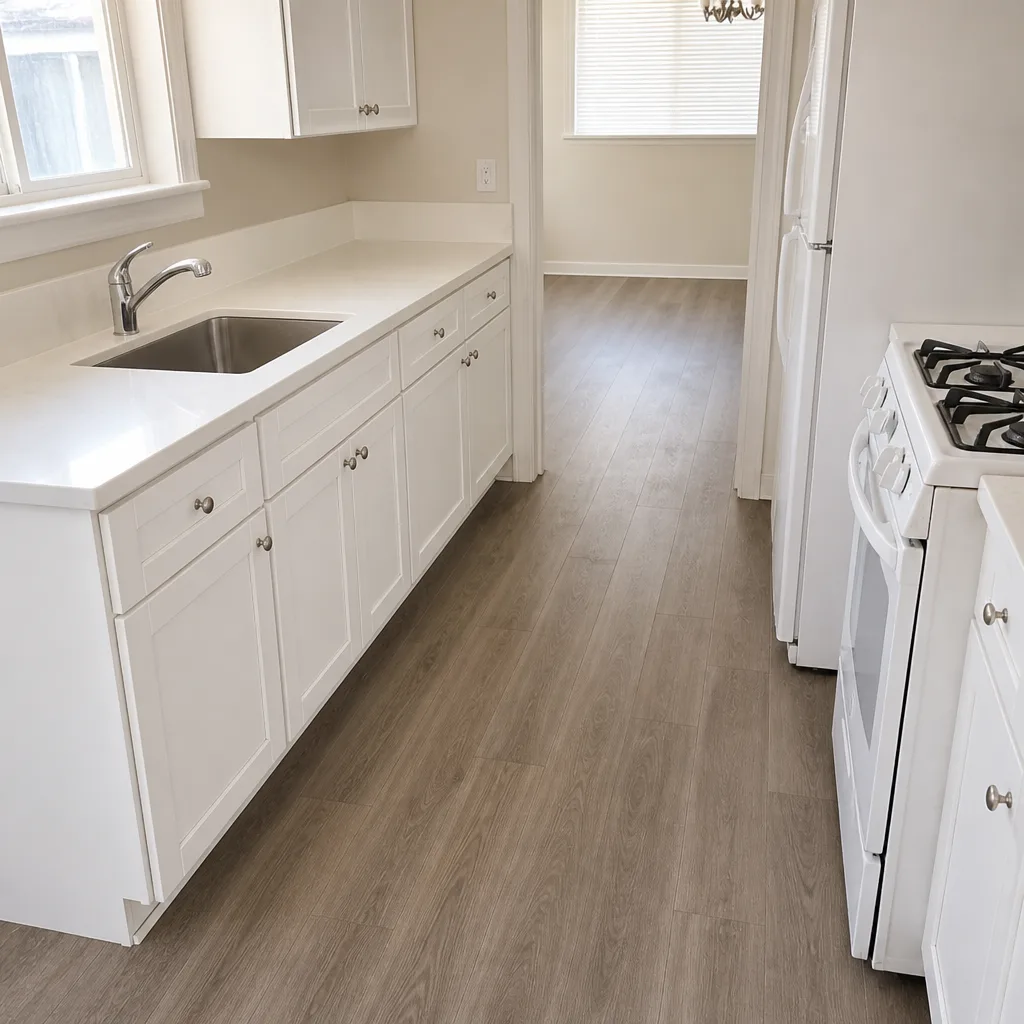
See the difference
 Before
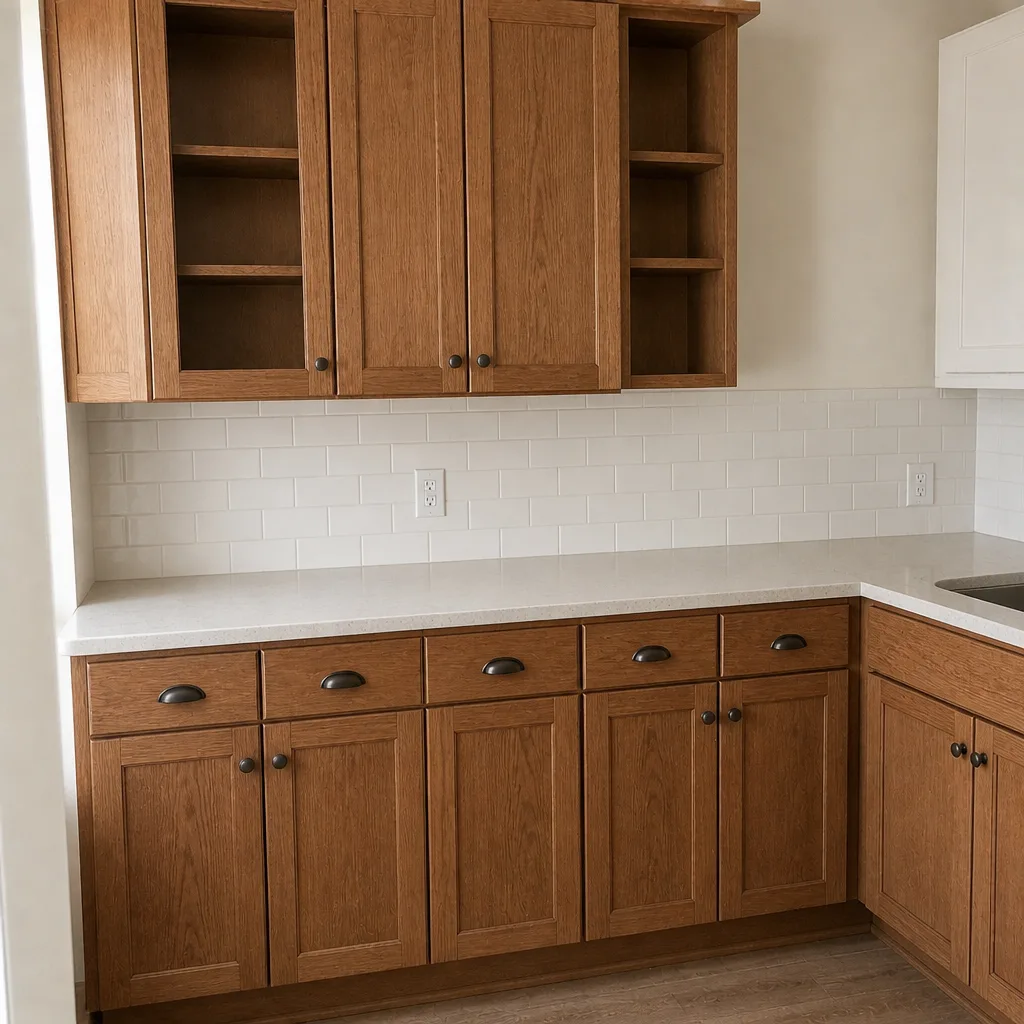 After
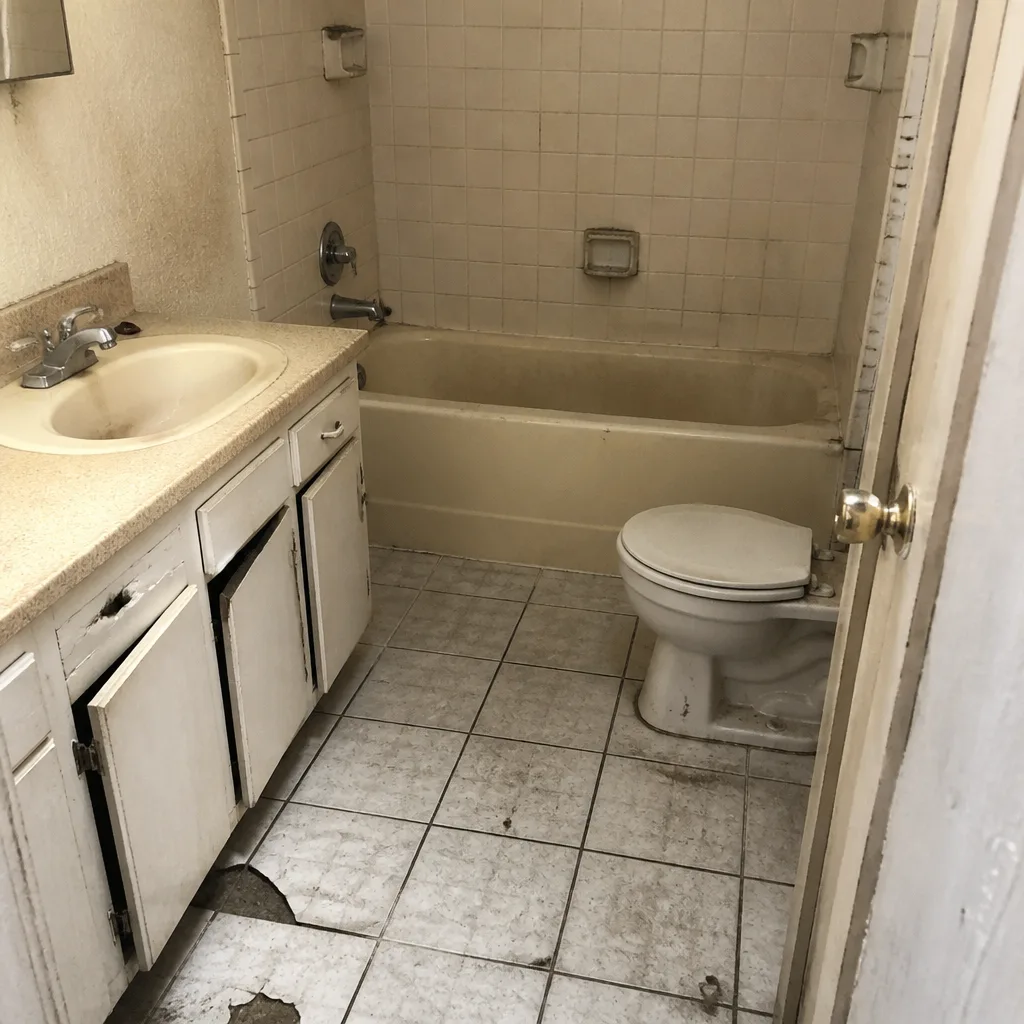 Before
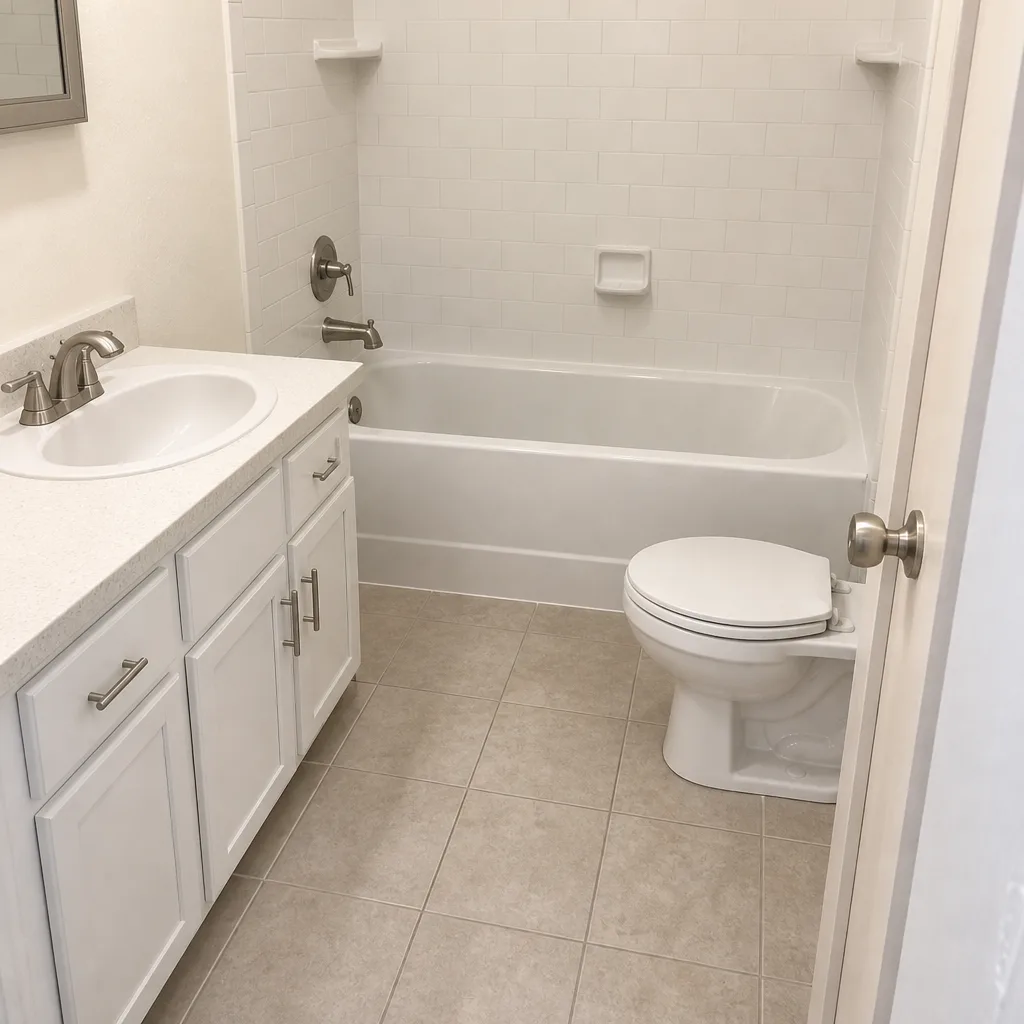 After
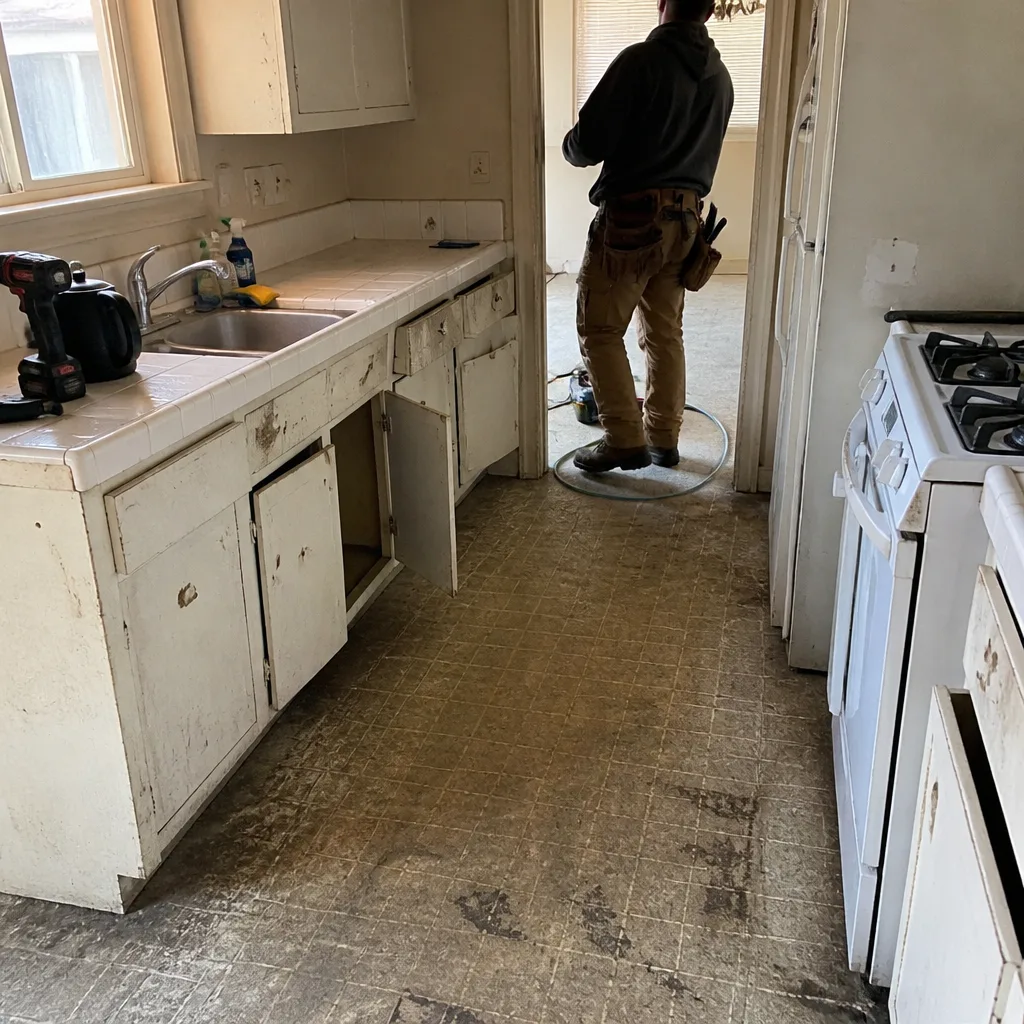 Before
 After
Replacement Cost & What’s Included
Here’s how the numbers run in the Lancaster market. These are installed ranges – parts, labor, base prep, and cleanup included:
| Job | Installed Range |
|---|---|
| Paver driveway installation | $7,000 – $18,000 |
| Paver patio installation | $3,500 – $11,000 |
| Driveway replacement | $5,000 – $14,000 |
| Driveway sealing | $250 – $700 |
What moves the range: square footage, whether the existing base can be reused or needs full re-excavation and compacted aggregate, drainage corrections, and whether a border or accent band is added. Base work is where cheap bids cut corners and where your money is best spent. We write the scope, the allowance for base material, and any change order before a paver is lifted. Our crew members have up to 28 years of experience, and the 90-Day Done Right Promise is written on every job – if the joint sand washes out or a section settles in that window, we come back and fix it. Cambridge Pavers work sits inside the same Driveway & Pavers trade as the concrete and asphalt options we also install, and if a concrete apron or asphalt overlay is genuinely the better call for your Lancaster driveway, we’ll say so.
DIY or Call Us?
What you can safely check yourself: measure a paver, photograph the face and underside stamp, probe the joint sand with a screwdriver, and confirm whether the edge restraint is exposed or underground. That information makes our estimate more accurate and takes fifteen minutes. Where DIY goes wrong on paver work: re-leveling a settled section requires lifting the field, re-excavating and re-compacting the aggregate base, and re-setting units to a consistent slope – and if you don’t remove enough sub-base, the dip comes right back, often worse. Cutting pavers for a curved or radius section needs a wet saw, and short-cutting that with a hammer and chisel leaves a joint that fails. The restraint and edge transitions are the fussiest part and the ones that fail first. If your driveway has any rutting or pooling, that’s not a paver swap, and we’d rather look at it with you than have you learn the hard way. Call (888) 427-1810 for an honest read on whether it’s a patch or a replacement.
FAQs
The pavers themselves are built to last decades, and 20 to 30 years is a fair expectation for a properly installed field. The bigger variable is the base – a well-compacted aggregate base on stable soil holds far longer than shallow, skimpily compacted work, and Lancaster’s dry-then-wet seasons punish the latter. Call (888) 427-1810 and we’ll tell you what your base looks like.
Often, yes. If a single paver or a small cluster has settled and the surrounding field is sound, that section can be lifted, re-based, and re-set. If the dip runs across the whole driveway or the edge restraint has failed along a full length, a partial replacement of that run is usually the honest answer. We’ll give you the line-item cost for both.
A focused repair – one failed section or edge restraint – is typically a one- to two-day job. A full driveway installation runs several days depending on square footage and base prep. We lay out the schedule in writing before work starts, and change orders arrive in writing before anything on the scope shifts.
We source pavers, compatible bedding sand, polymeric joint sand, and edge restraint from trusted manufacturers and suppliers. Cambridge Pavers is a brand we install and work with, and we’re an independent installer – not owned by or affiliated with the brand. We’ll match your existing model and color lot where possible and tell you up front where an exact match isn’t achievable, so you can plan the layout before we start.
Ready to price your Cambridge Pavers driveway work in Lancaster? Call (888) 427-1810 for a free estimate. We answer live, 24/7, and we’ll bring written scope and honest numbers to the table. Barrett & Sons Construction Lancaster – proudly serving Lancaster and nearby areas.
Written by the team at Barrett & Sons Construction Lancaster, serving Lancaster and nearby areas.