
Last updated November 17, 2026
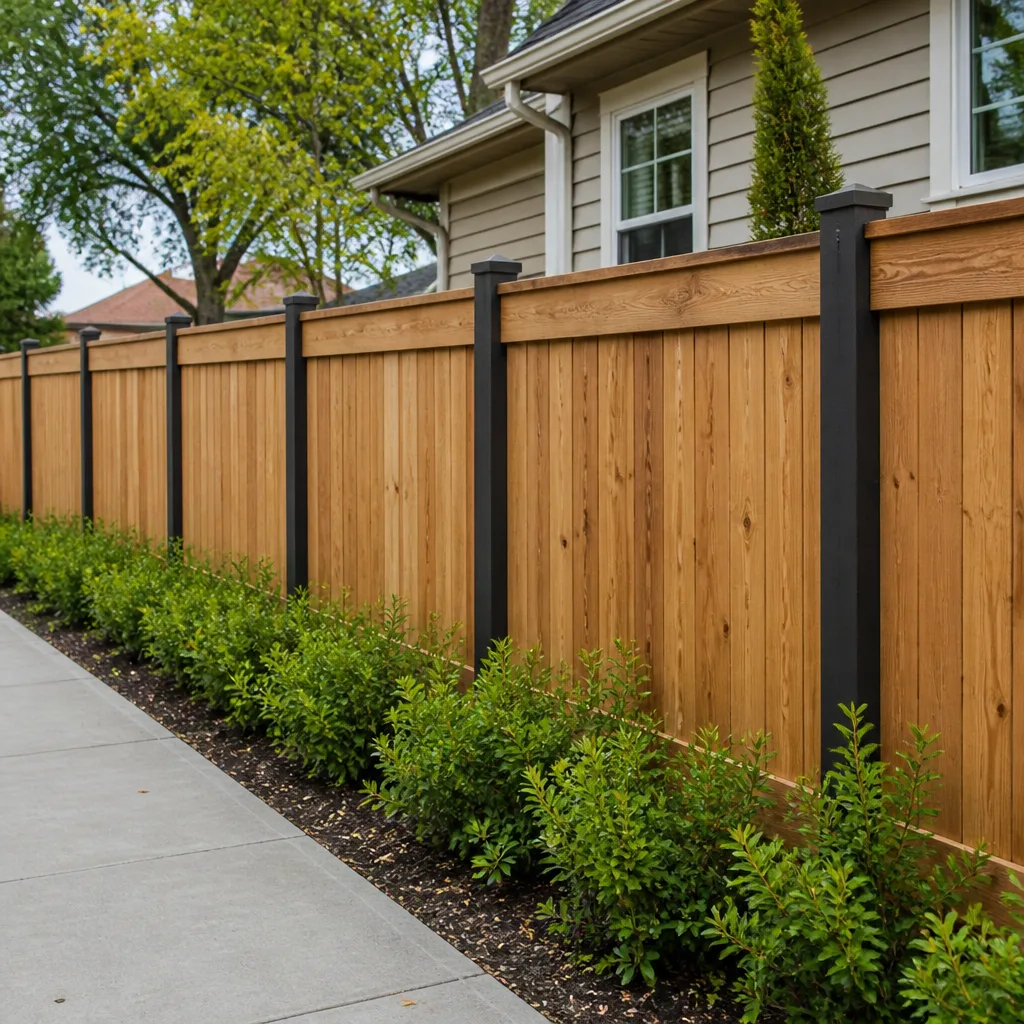 Fence
 Kitchen remodeling
 Bathroom remodeling
 Home additions & ADU
 Roofing
 Windows & doors
 Driveway & pavers
Free written scope consultation - allowances, timeline, and change-order rules on paper before a single trade is scheduled
Fence Installation Maintenance Schedule: What to Do and When
The number one killer of wood fences in the Antelope Valley isn’t rain or rot. It’s UV breakdown at the surface that lets moisture in during the rare storms. You can prevent 80% of that damage with a half-day of work every two years. In Lancaster, the sun works on a fence every clear day of the year, and the wind delivers an abrasive dose of sand and caliche dust along with it. A coast-installed cedar fence in Santa Monica and a Lancaster fence of the same material age at completely different speeds. This guide gives you a season-by-season maintenance schedule built for Lancaster’s climate, not a humid-region template, so you can add a decade or more to a wood or vinyl installation. Each section below is a standalone answer, but read the whole thing once and you’ll understand the rhythm.
Quick Answer
In Lancaster, inspect your fence every spring and fall, clean it in April, and stain or seal wood in the fall window from late September through October, never in peak summer heat. A quick spring inspection, a mid-year cleaning of caliche dust from vinyl, and a staining schedule every two to three years covers the basics. Post-base checks after winter soil movement and an annual hardware pass catch the small failures before they become panel problems.
Styles & brands we work with
- Kitchen remodeling
- Bathroom remodeling
- Home additions & ADU
- Roofing
- Windows & doors
- Driveway & pavers
- Fence
Table of Contents
- Why Lancaster Fences Age Faster Than Coastal Fences
- The Lancaster Fence Maintenance Calendar, Season by Season
- How to Inspect Post Bases After Winter Soil Movement
- The Right Window for Staining and Sealing Wood in the Antelope Valley
- Cleaning Caliche Dust and Mineral Deposits Off Vinyl
- Annual Hardware Checks: Hinges, Latches, and Rail Brackets
- Common Mistakes to Avoid
- When to Call a Professional
- Frequently Asked Questions
Why Lancaster Fences Age Faster Than Coastal Fences
Lancaster gets about 8 inches of rain a year, most of it between December and March, while a coastal city like Santa Monica gets nearly 12 inches spread gently through the cooler months plus constant morning fog. Rain totals don’t tell the story. The exposure does. Lancaster averages over 280 sunny days a year, and UV radiation is the primary driver of wood’s surface breakdown: it breaks down the lignin in the wood fiber, which is what gives a board its gray, checked, thirsty look. Once that surface layer breaks down, the next storm drives moisture into the grain instead of shedding it off, and rot finds a way in.
The wind adds a second layer of punishment. When the Mojave sends wind through the Antelope Valley, it picks up sand and fine caliche dust and drives it against wood grain and vinyl surfaces alike. That abrasive action slowly opens the surface and grinds mineral deposits into vinyl panels. In our experience, a wood fence along the west side of a lot facing the open desert takes this load harder than a fence on the east side that sits behind a neighbor’s structure. We’ve seen that difference on Lancaster properties again and again, and it’s why we tell homeowners to inspect their west-facing panels first.
There’s a third factor most homeowners overlook: the mild freeze-thaw cycle. Lancaster’s winter nights dip below freezing on cold snaps, and the soil around a post base can move a fraction of an inch as it swells and shrinks. That movement is subtle, but it loosens hardware and opens small cracks. Over time, that’s how a fence that looked solid in November rattles in March.
The Lancaster Fence Maintenance Calendar, Season by Season
This calendar is built for Lancaster’s climate and takes about four to six hours of actual work per year if you spread it out. Clean, stain, and inspect at the right times and the schedule carries itself.
Spring (March through May)
- Walk the fence line and look for winter damage. Check for leaning posts, loose hardware, split rails, and any board that feels soft when you press a fingernail into the grain.
- Check post bases for soil movement. We cover the exact test below, but spring is when the freeze-thaw results are visible.
- Clean the whole fence. A garden hose and a soft brush remove winter dust, bird droppings, and early caliche buildup before it cures onto vinyl or wood.
Summer (June through August)
- Do not stain in summer. More on this below, but the short version: the sun cures the product too fast and it fails within a season.
- Clean vinyl and check hardware. Wash down vinyl panels and tighten every screw and latch. This is the season for quick cosmetic upkeep, not for big coating jobs.
- Give plants breathing room. Trim back vines and shrubs 12 to 18 inches from wood. Moisture trapped against a board in Lancaster’s heat is a rot risk even in a dry climate.
Fall (September through November)
- Stain or seal wood in the fall window. This is the payoff season, and the most important six weeks on the calendar.
- Do a full hardware pass. Hinges, latches, gate brackets, and rail hangers get tightened or replaced before winter.
- Clear debris from the fence base. Leaves and tumbleweed wedges hold moisture and give insects a winter home.
Winter (December through February)
- Check drainage after the first real storm. Water pooling against a post is a slow-motion problem that becomes a late-winter lean.
- Watch for hardware rattling in wind. Loose hardware that survives the winter unaddressed is a spring repair.
- Note what you see. A phone photo of a soft board or a loosened hinge in February makes the March inspection fast and specific.
How to Inspect Post Bases After Winter Soil Movement
The freeze-thaw cycle in Lancaster is real, just mild. It rarely cracks a foundation, but it can move the soil around a post base enough to loosen hardware or open a lean over several seasons. You don’t need power tools to catch this early.
- Push test. Stand about three feet from the post and push firmly on the fence panel at the midpoint. It should flex slightly and come back. A post that moves at the base is the one to look at.
- Dig test. With a hand trowel, check the soil around the base to 6 inches. It should feel firm, not sponge-cake soft or hollow. Soft soil is a sign of water finding a channel, and it usually means the concrete collar is cracked or the post was set too shallow.
- Level test. Hold a 4-foot level against the post in both directions. A post more than a half inch out of plumb over 4 feet will lean further over the next few seasons and should be braced and corrected, not ignored.
- Water test. Pour a gallon of water against the base and watch where it goes. It should drain away from the fence, not pool. If it pools, regrade the soil or add a small drainage swale.
If a post has lost its footing, the fix is a reset or a sistered post, which is work we do often on Lancaster properties where the original install skipped a proper depth. If you’re weighing the fence in general, our fence installation in Lancaster page covers what a properly set post looks like from the start.
The Right Window for Staining and Sealing Wood in the Antelope Valley
The right window for staining or sealing a wood fence in the Antelope Valley is the fall, roughly late September through October, when daytime highs drop into the 70s and 80s and the sun is lower in the sky. It’s the wrong time to stain in June, July, or August. Peak heat cures the coating on the outside before it sets on the inside, and the film fails within a single season. Doing it in peak summer defeats the purpose, and we see failed summer stains on Lancaster fences every spring.
Here’s what the schedule looks like for a wood fence:
- New wood fence: wait 4 to 6 weeks for the wood to dry and acclimate, then apply a penetrating oil or stain in the fall window.
- Re-staining: every 2 to 3 years depending on the side of the lot. West and south-facing panels fade fastest because they take the UV load.
- Sealing cedar or redwood: a penetrating oil-based sealer every 2 years works better than a surface film.
- Pressure-treated pine: wait a full season for the mill moisture to dry out, then stain every 2 to 3 years.
Prep matters as much as the product. Clean the surface with a mild wood cleaner and a soft brush, let it dry at least 48 hours in Lancaster’s low humidity, and apply two thin coats rather than one heavy one. Choose a product rated for UV protection, and ask what the manufacturer recommends for high-altitude desert sun. A hardware store near us stocks two that hold up well on local properties. If you use a premium brand on your gate or structure, the same logic applies as with the fence: name brand, known product. The kind of side gate that lasts is usually getting the same coating schedule as the rest of the run.
If the fence is beyond a stain, our Barrett & Sons Construction Lancaster home page covers the trades we handle under one license.
Cleaning Caliche Dust and Mineral Deposits Off Vinyl
Vinyl fences in Lancaster don’t need staining, but they do need washing because the wind delivers a steady dose of caliche dust and hard-water minerals that bond to the surface. Clean once a year, in early spring or fall, and avoid anything abrasive.
- Rinse first. A garden hose on a flat spray knocks off the loose dust before you touch a brush to the panel. Don’t skip this step; dry brushing drives abrasives into the finish.
- Use a soft car-wash brush and mild soap. A bucket of water with a squirt of dish soap is enough for routine dust. For hard-water spots, use white vinegar diluted 50/50 with water.
- Scrub with the grain, not across it. Vinyl panels are extruded, and scrubbing across the grain pushes dirt into microscopic grooves.
- Skip the pressure washer above 1,500 PSI. High pressure forces water into the post caps and rail joints and can pit the surface. It’s the number one way Lancaster vinyl fences get scratched and streaked.
- Rinse thoroughly and let it air dry. Residue from soap or vinegar left on the surface attracts new dust.
For stubborn caliche, a nylon pad works if you keep it wet and light. Never use a wire brush or steel wool. The scratch runs deep and the light catches it in every photo.
Annual Hardware Checks: Hinges, Latches, and Rail Brackets
Most panel failures we see on Lancaster fences start as a loose hinge or a backed-out rail bracket, not a failure of the wood or vinyl itself. A 20-minute hardware walk once a year is the cheapest insurance on the fence.
What to check and what failure looks like:
- Gate hinges. Look for stripped screw holes, rust at the pivot, or a gate that sags. A hinge screw that spins freely means the wood has failed around it; a longer screw or a through-bolt fixes it before the gate leans into the post.
- Latch screws. Latch hardware loosens on the strike plate side, and a loose latch is the first sign of a gate going out of alignment.
- Rail brackets. On vinyl, rail brackets should sit flush against the post with no gap. A bracket that has pulled out a half-inch is the earliest form of panel separation.
- Post caps. Loose or cracked post caps let water into the top of the post, which is the worst place for moisture because it can’t drain.
- Turnbuckles and tension wires. On chain-link or wire fence, tighten tension and replace bent turnbuckles; a loose top rail is a sagging fence line.
Do this in fall and again in spring. If a gate has started dragging, that’s a sign the post is moving or the hinge has worn, and it’s the moment when a repair is still a repair. Wait and it becomes a gate replacement.
Common Mistakes to Avoid
- Staining in June or July. That’s the biggest one. The Lancaster sun cures the stain on the surface before it penetrates, and the film peels off within a season. Wait for the fall window.
- Pressure-washing vinyl or wood at full blast. High PSI drives water into joints and pits vinyl. A garden hose and a soft brush do the job without damage.
- Ignoring a leaning post because it “just settled.” Premature settling is how a fence starts a slow collapse. If a post leans, fix it that season; don’t hope.
- Waiting to check hardware until the gate stops latching. By the time a gate won’t latch, you’re looking at a hinge replacement or post correction, not a screwdriver fix.
- Letting vines or shrubs grow against the fence. Even in dry Lancaster, vegetation traps moisture and gives insects a home. Keep it trimmed back 12 to 18 inches.
- Painting over a failing stain. Paint on top of peeling stain traps moisture and accelerates rot. Strip or sand, then re-apply.
- Skipping the post-base check after winter. The mild freeze-thaw in Lancaster is enough to open a gap in the soil, and the gap becomes a leaning post by the following summer.
When to Call a Professional
You can handle the cleaning, staining, and hardware checks yourself, and we’d rather you did. Call us when a post has lost its footing, when a fence run is leaning more than an inch over 4 feet, when a gate has failed at the hinge post, or when a section has rot that goes deeper than a surface board. Panel replacement on a vinyl fence, reset post work, and any repair that involves cutting a post or re-setting concrete are also jobs worth a pro. If you’re weighing repair against replacement, our fence installation page lays out the cost difference honestly.
Barrett & Sons Construction Lancaster offers free estimates in Lancaster and the surrounding Antelope Valley. Call (888) 427-1810 and ask for a written scope before any work starts. The crew that shows up carries the name, and a senior or veteran in the house gets the permanent 10% discount on the spot. No trip charge inside the county.
Frequently Asked Questions
Every two to three years, in the fall window from late September through October. Wood facing west or south takes the heavier UV load and can need re-staining as often as every two years, while shaded east-facing panels stretch toward three. Call (888) 427-1810 for an exact quote on staining a fence we installed, and estimates are free.
Yes. Vinyl doesn’t rot or need staining, but Lancaster’s wind-blown caliche dust and hard water leave mineral deposits that bond to the surface. Clean it once a year in spring with mild soap and a soft brush, and check the rail brackets and post caps annually. Avoid pressure washing above 1,500 PSI.
It depends on wind exposure and budget. Vinyl handles UV well and needs no staining, but cheap vinyl can crack in hard freeze-thaw. Cedar and redwood look better but need the staining schedule on this page. For a property along the open desert fringe, choose a heavier-rated vinyl or a properly set wood fence with a strong post foundation. We go over the trade-offs on our fence installation page.
Three tests. Push on the panel at mid-height and see whether the post moves at the base. Dig 6 inches around the base with a hand trowel and feel for soft or hollow soil. Hold a 4-foot level against the post in two directions and check for more than a half-inch out of plumb over 4 feet. Any of the three is a signal to call someone in.
Peak summer. In June, July, and August, the surface cures before the product penetrates and the film peels within a season. The same applies on an unusually hot September day. Aim for a stretch with highs in the 70s and low 80s and no wind.
Routine maintenance like staining, cleaning, and hardware repair doesn’t need a permit. New fence installation, replacement of a fence line, or changes to fence height at the property line typically do, and the city of Lancaster or LA County will want to see the plans. Ask before you build; the permit inspector works for you, not for the contractor. On our jobs, every eligible job has permits pulled and inspections signed.
The Bottom Line
In Lancaster, a fence ages mostly from the sun, not from rain. The maintenance schedule that beats that is simple: inspect in spring and fall, clean in spring, stain in fall every two to three years, check hardware once a year, and wash vinyl in spring. Do that and a wood or vinyl fence can easily gain a decade of service life. Skip it and you’ll be replacing panels at year eight. If you’d rather have a professional handle the annual walk-through and the repairs, or you’re pricing a new install, Barrett & Sons Construction Lancaster provides free estimates and written scopes. Call (888) 427-1810 to schedule yours, and if you’re also looking at hardscape, our Driveway & Pavers in Lancaster page is worth a read while you’re here.
If a bigger project is on your radar, our Home Additions & ADU in Lancaster page covers what’s possible on a Lancaster lot.
Written by the team at Barrett & Sons Construction Lancaster.
See the difference
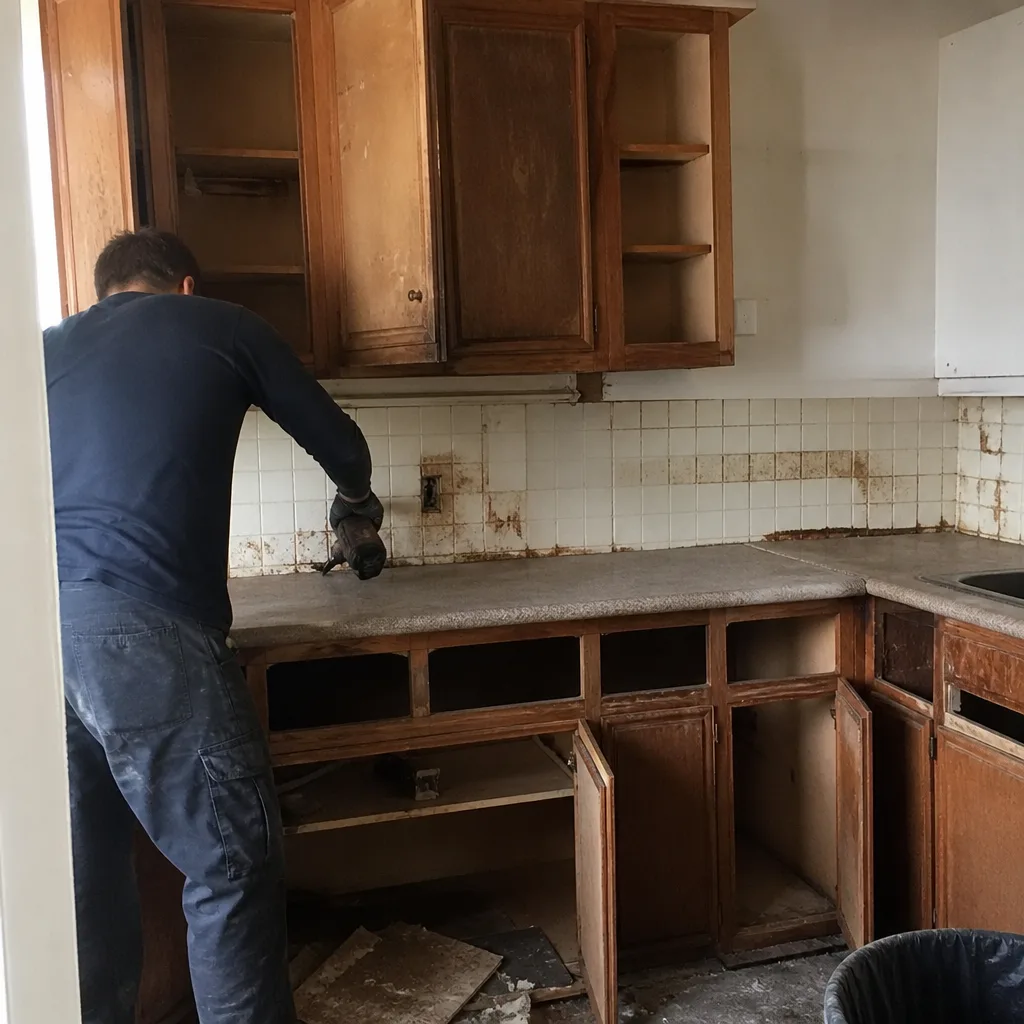 Before
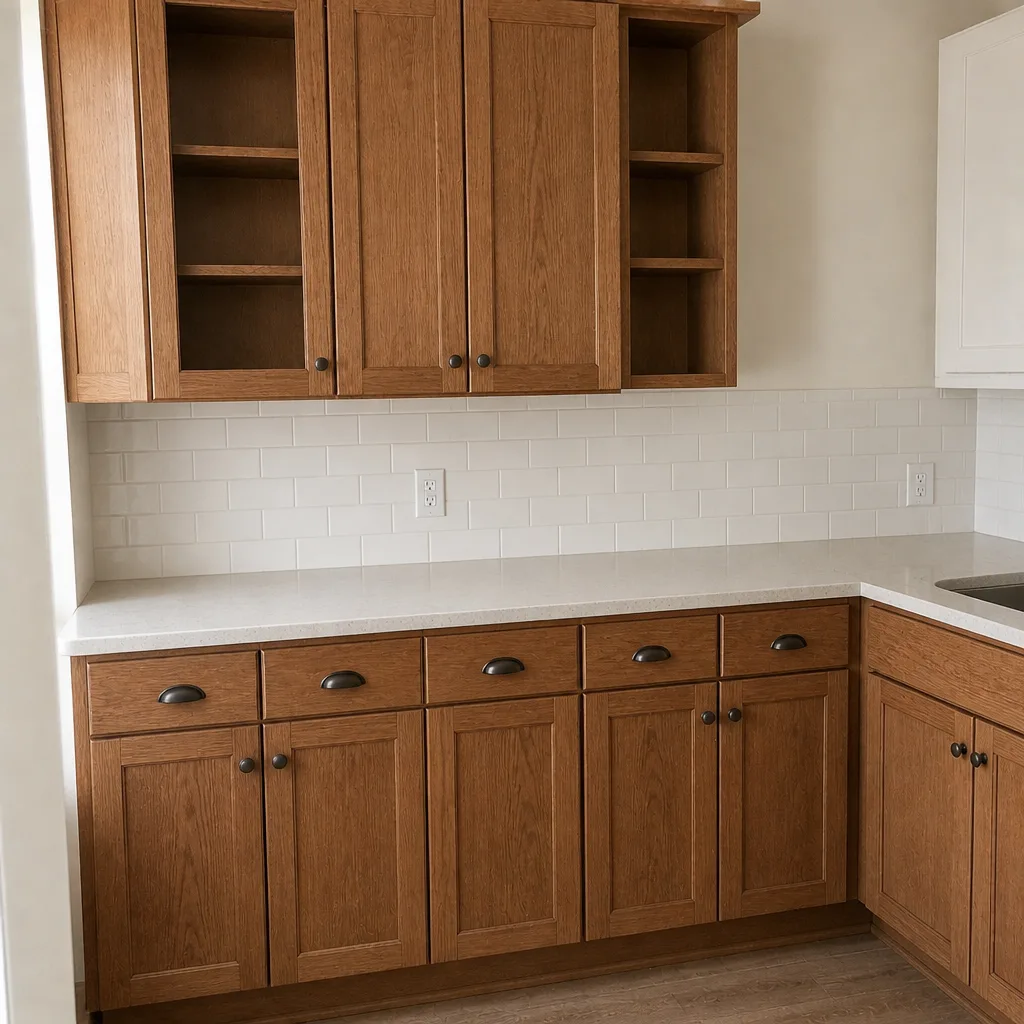 After
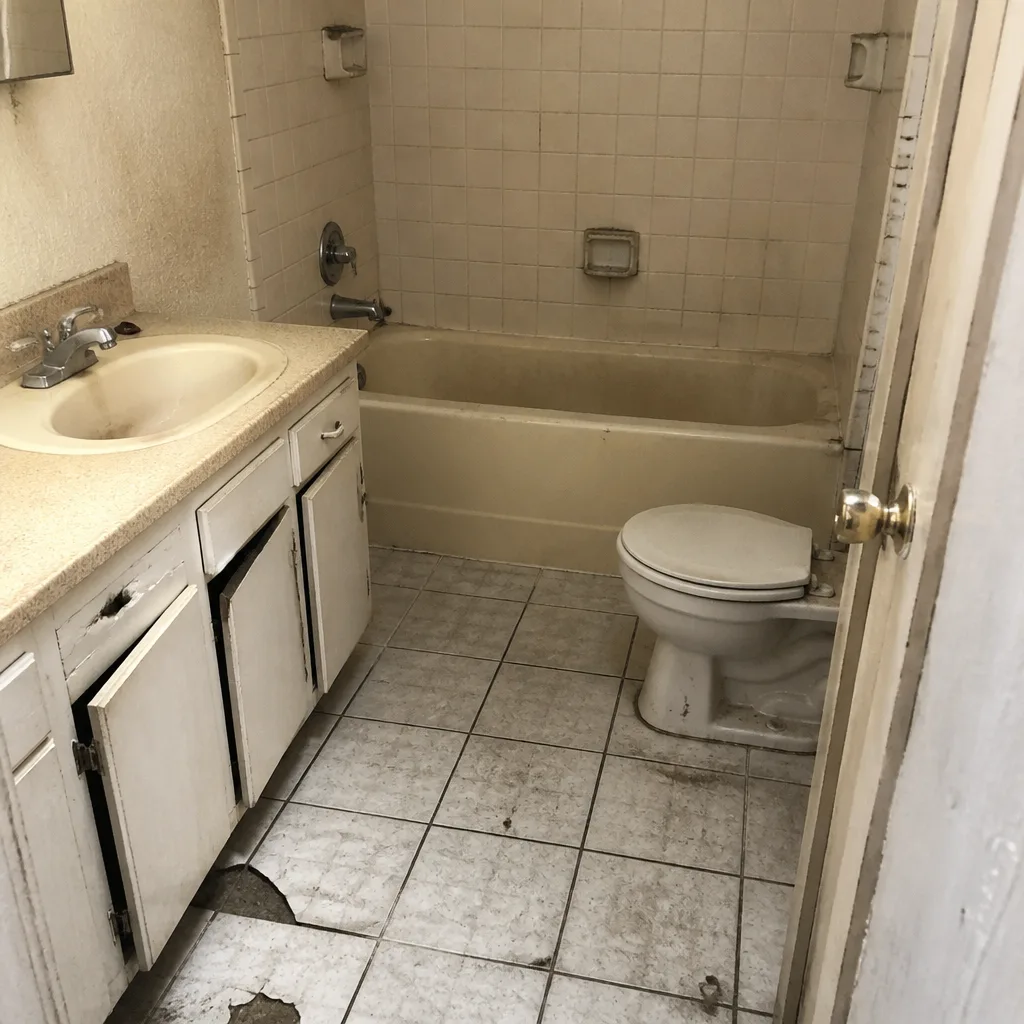 Before
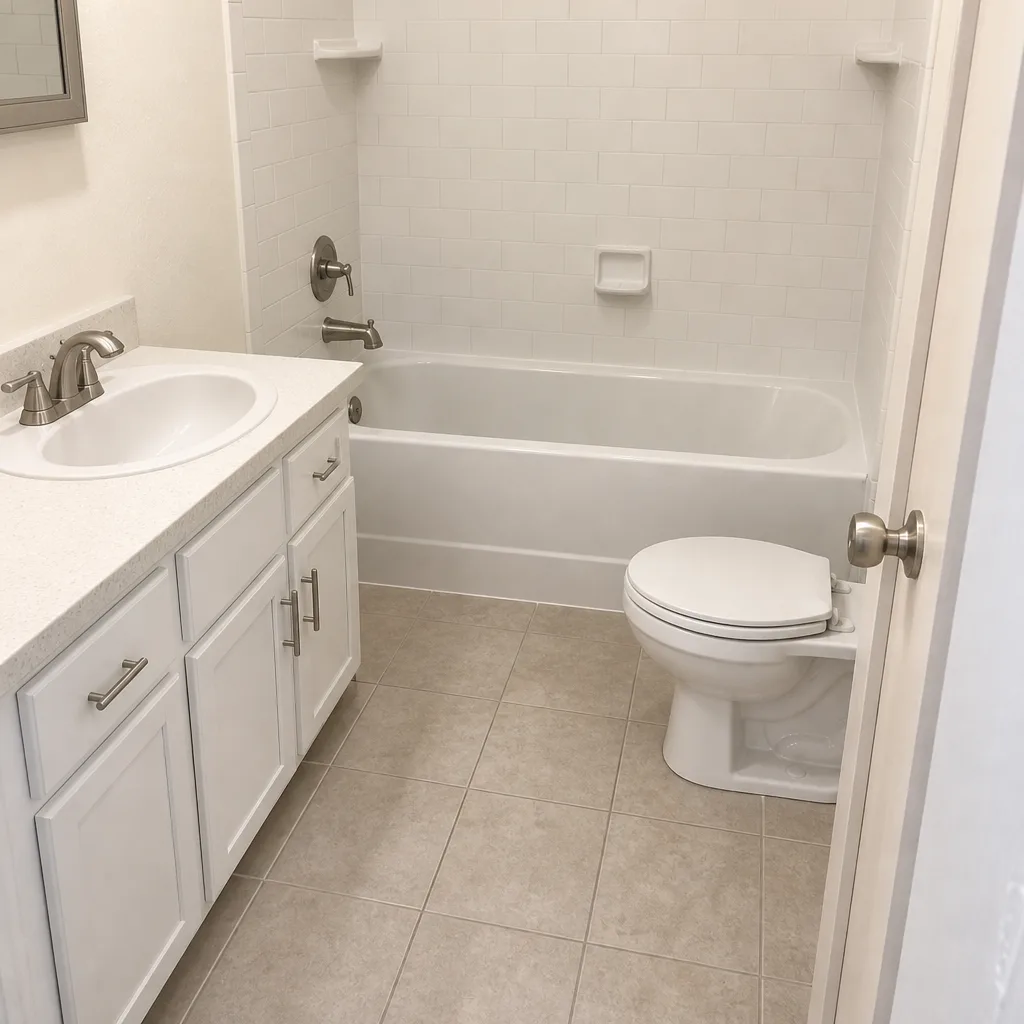 After
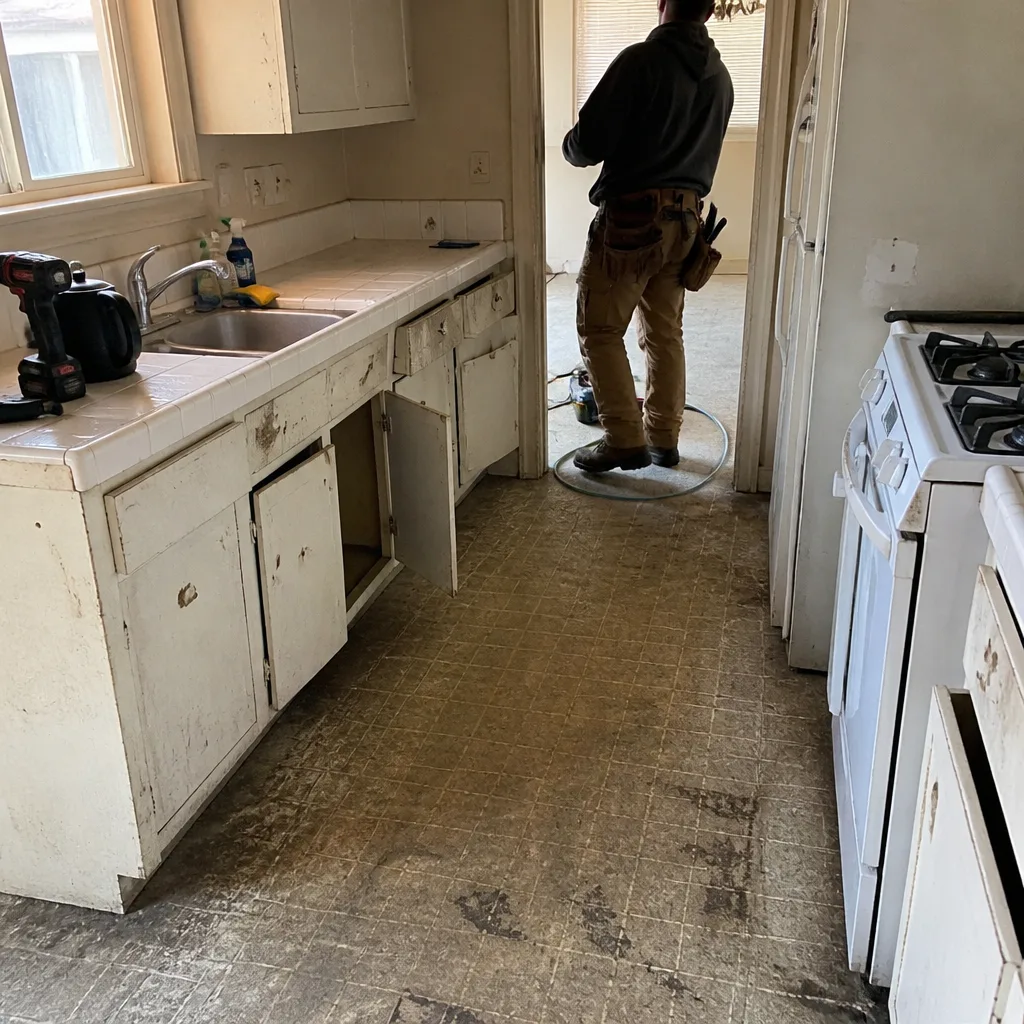 Before
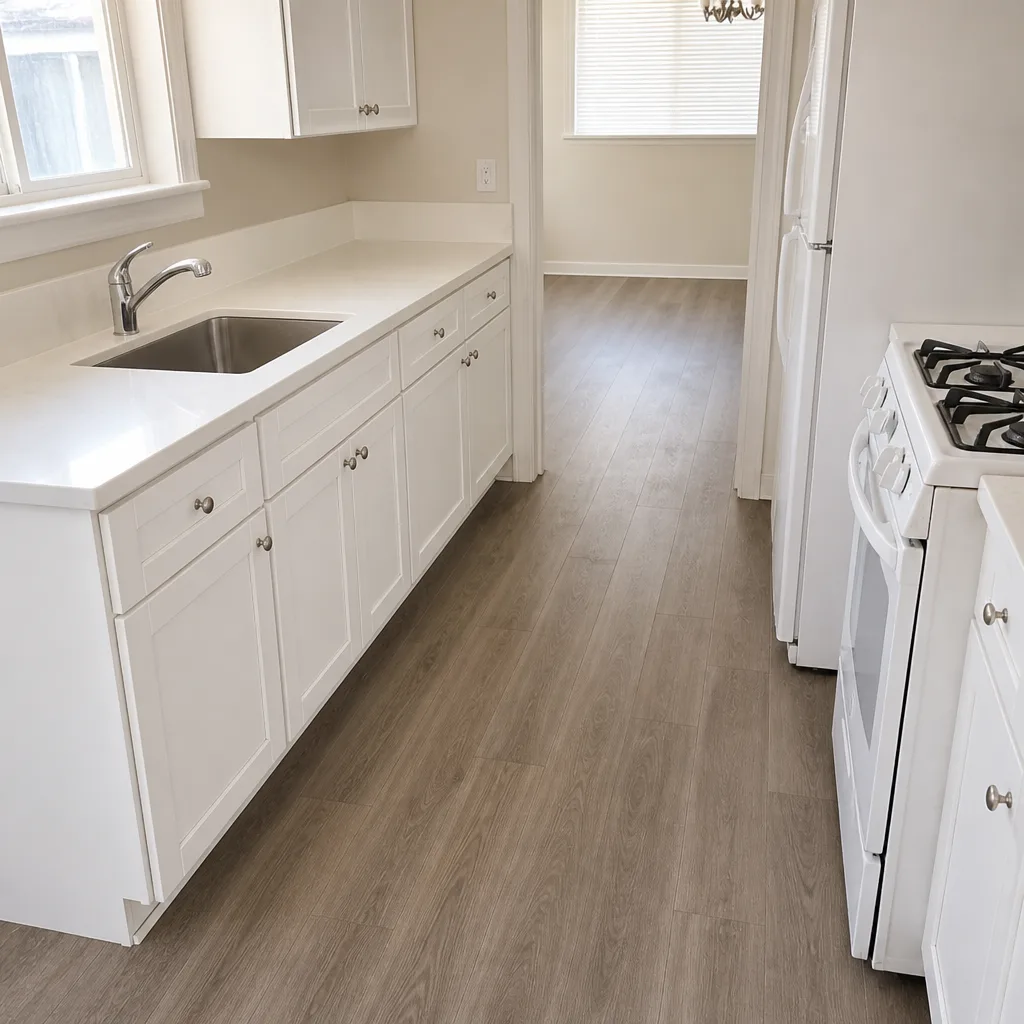 After