

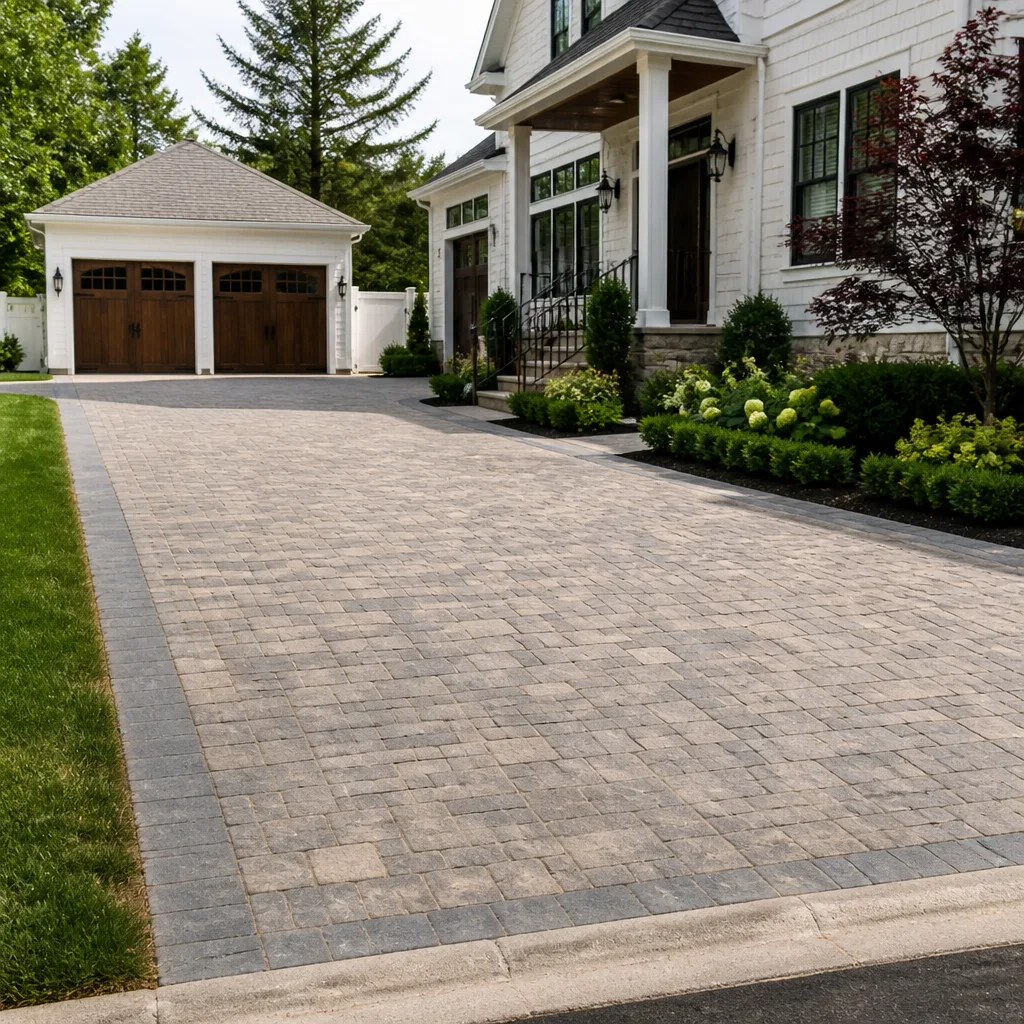
 Driveway & pavers
 Kitchen remodeling
 Bathroom remodeling
 Home additions & ADU
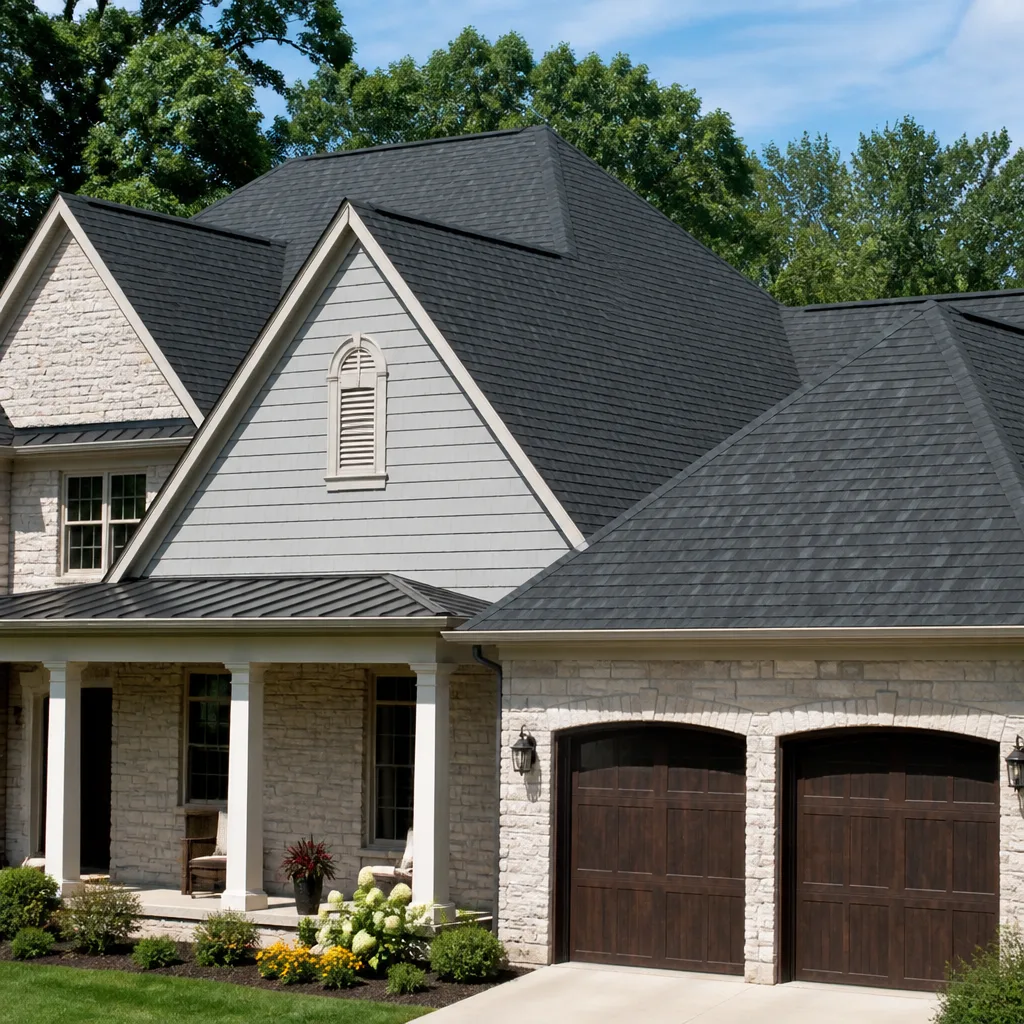 Roofing
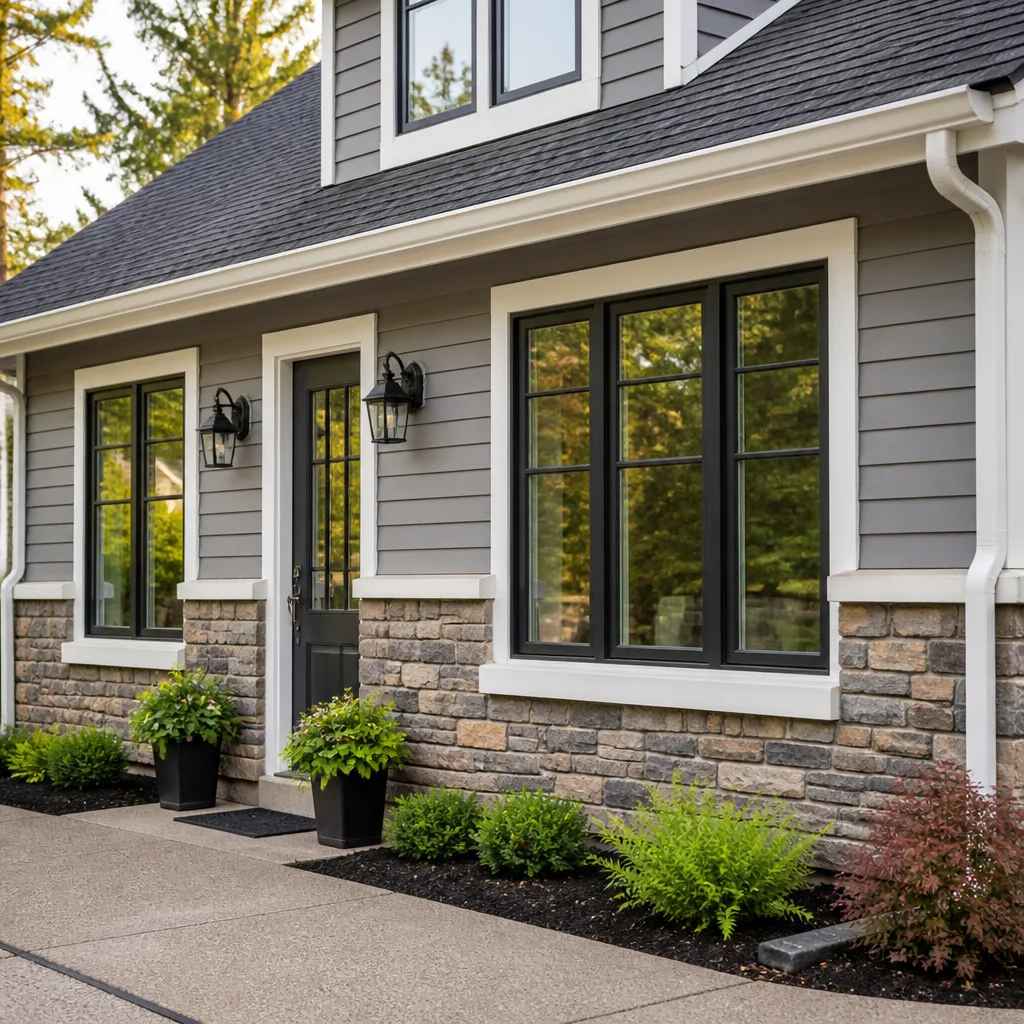 Windows & doors
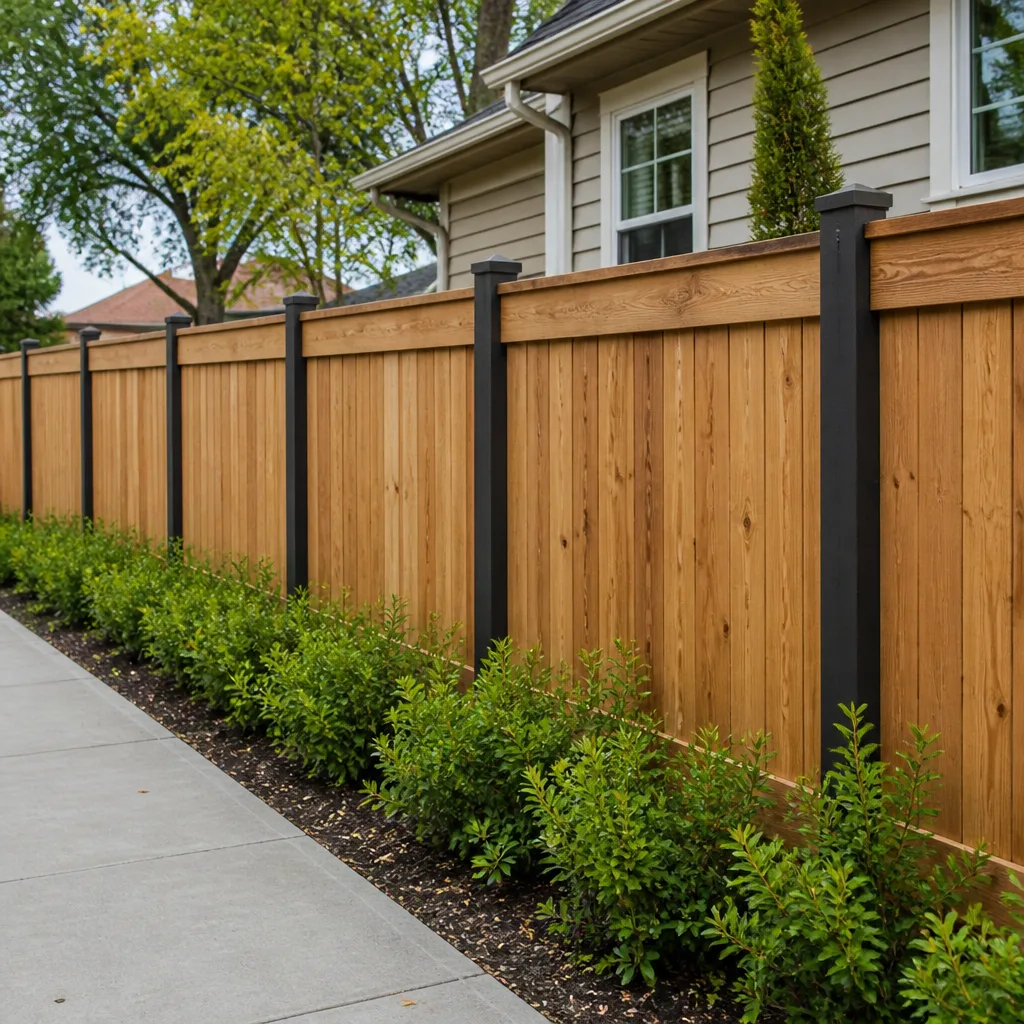 Fence
Free written scope consultation - allowances, timeline, and change-order rules on paper before a single trade is scheduled
American Standard Driveway & Pavers: The Lancaster Owner’s Guide
We install and repair American Standard driveway and paver systems across Lancaster, with most full paver driveway projects landing between $7,000 and $18,000 installed and smaller paver patios running $3,500 to $11,000. Because American Standard components are modular, most failures are isolated to a single course, edge restraint, or bedding section rather than the whole field. Lancaster homeowners usually find out something’s wrong the same way: a paver rocks underfoot on the morning walk to the car, sand washes out at the driveway apron after a wind event, or a hairline crack opens along the garage approach after the first hard freeze of the high desert winter.
Which American Standard Models This Applies To
American Standard’s paver and hardscape line breaks into a handful of families, and the part you need depends on which one is under your feet. The classic rectangular concrete pavers, the interlocking series, and the permeable/porous systems each use different joint sand specs, different edge restraint profiles, and different base thicknesses. Before we quote anything, we identify the system by lifting a paver at the edge of the field and reading the stamp on the underside – most American Standard pavers carry a mold mark with the series and the thickness in millimeters. From there we measure a representative paver to the nearest 1/16 inch, because a nominal 60mm paver and a 2 3/8-inch paver look identical until you drop them side by side.
On the OEM-versus-aftermarket question: for edge restraints, joint sand, and polymeric sand, a quality aftermarket equivalent is fine and often better suited to California’s UV load. For the pavers themselves, match American Standard to American Standard. Color lots shift between production runs, so blending a new pallet into an existing field almost always reads as a repair. When we can’t source a live lot match, we recommend pulling a section from a low-visibility area (behind the garage, the side yard) and piecing the repair so the mismatch falls where nobody sees it. We also work with KraftMaid, Cambria, and Silestone on the interior side of the house, so if the driveway project turns into a bigger scope conversation, you’ve got one crew instead of three.
One thing to be clear about: Barrett & Sons Construction Lancaster is an independent contractor and is not affiliated with American Standard. We install and service their products, we don’t represent them.
Styles & brands we work with
- Kitchen remodeling
- Bathroom remodeling
- Home additions & ADU
- Roofing
- Windows & doors
- Driveway & pavers
- Fence
Signs Your American Standard Driveway & Pavers Is Failing
Here’s what we see most often in Lancaster, and what’s actually going on underneath:
- Pavers rocking or “wobbling” near the apron. Usually a bedding sand layer that’s migrated or compacted unevenly, often triggered by water running off the roof or a downspout dumping at the wrong spot. Left alone, the paver edge chips and the joint sand washes out fast.
- Sand erosion along the joints after wind or rain. Lancaster’s high-desert wind events lift loose joint sand out of the channels faster than a sealed system would lose it. If you’re sweeping sand back in every spring, the base may be draining poorly or the polymeric sand has aged out.
- Edge restraint pulling away or cracking at the driveway border. The hidden plastic or concrete restraint that holds the whole field together fails first at the corners. Once it goes, the outside course starts to spread – a slow creep that’s a $200 fix early and a $2,000 re-lay later.
- Hairline cracks in the pavers themselves. Almost always a base failure, not a paver failure. Freeze-thaw cycles in the Antelope Valley push water into a poorly compacted base and the paver pays the price.
- Standing water or spongy spots after a storm. Drainage slope near the threshold is off, or the base course is holding moisture it shouldn’t. This one’s worth a look before the next rainy season because a saturated base under a driveway is a much bigger job than a re-sand.
See the difference
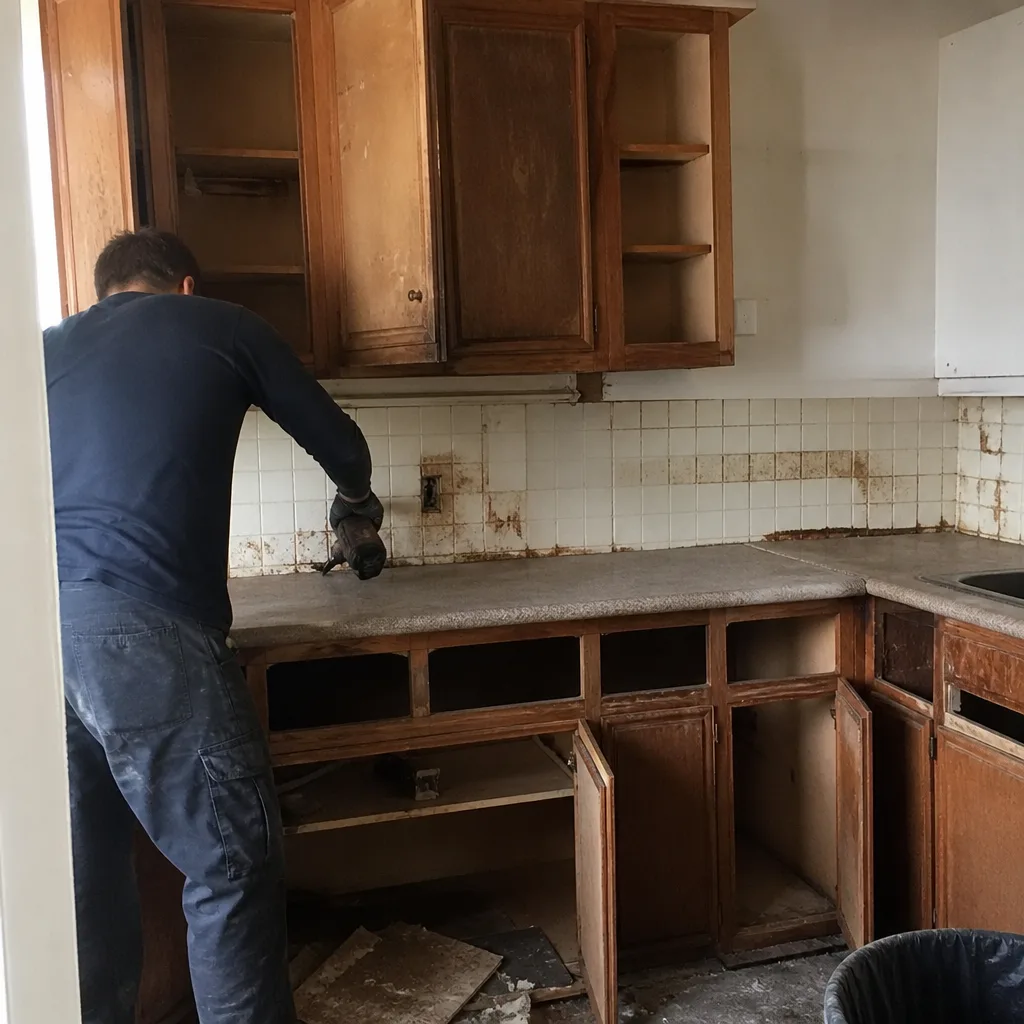 Before
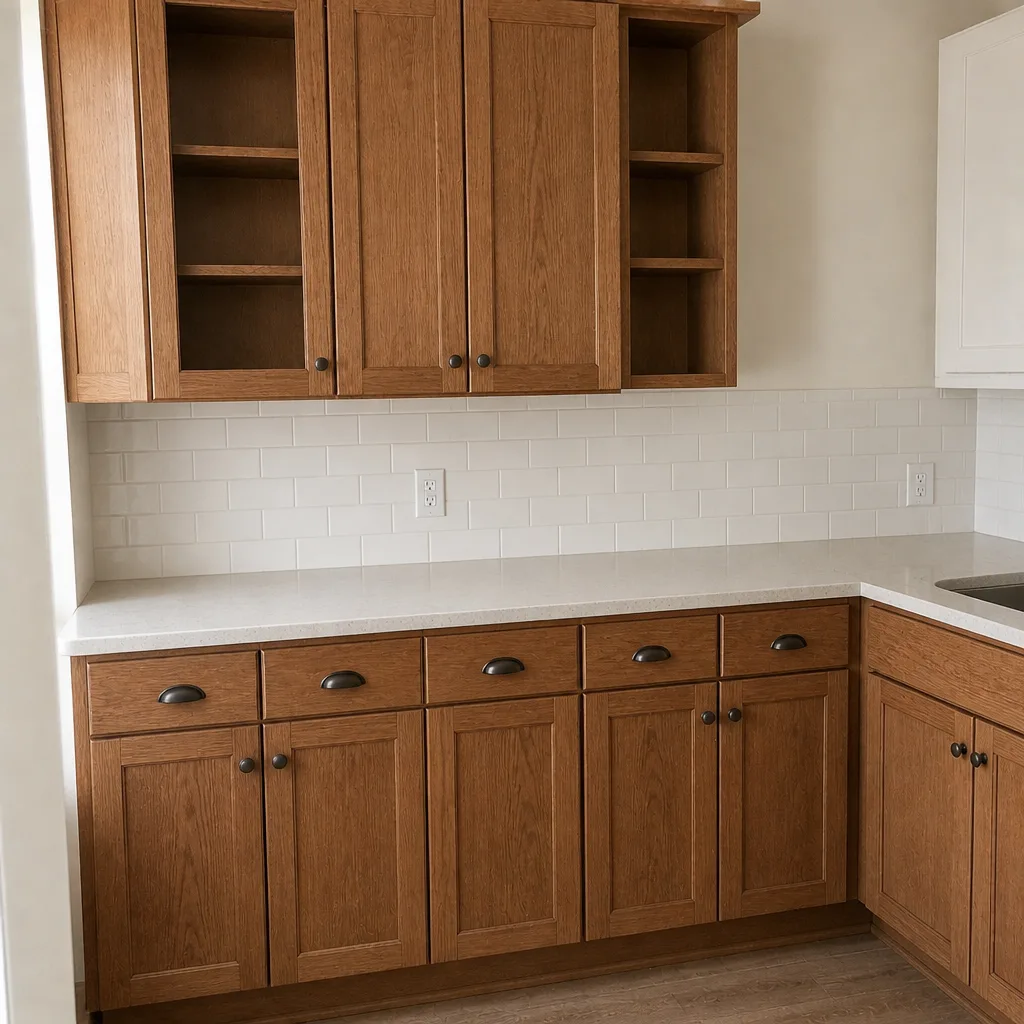 After
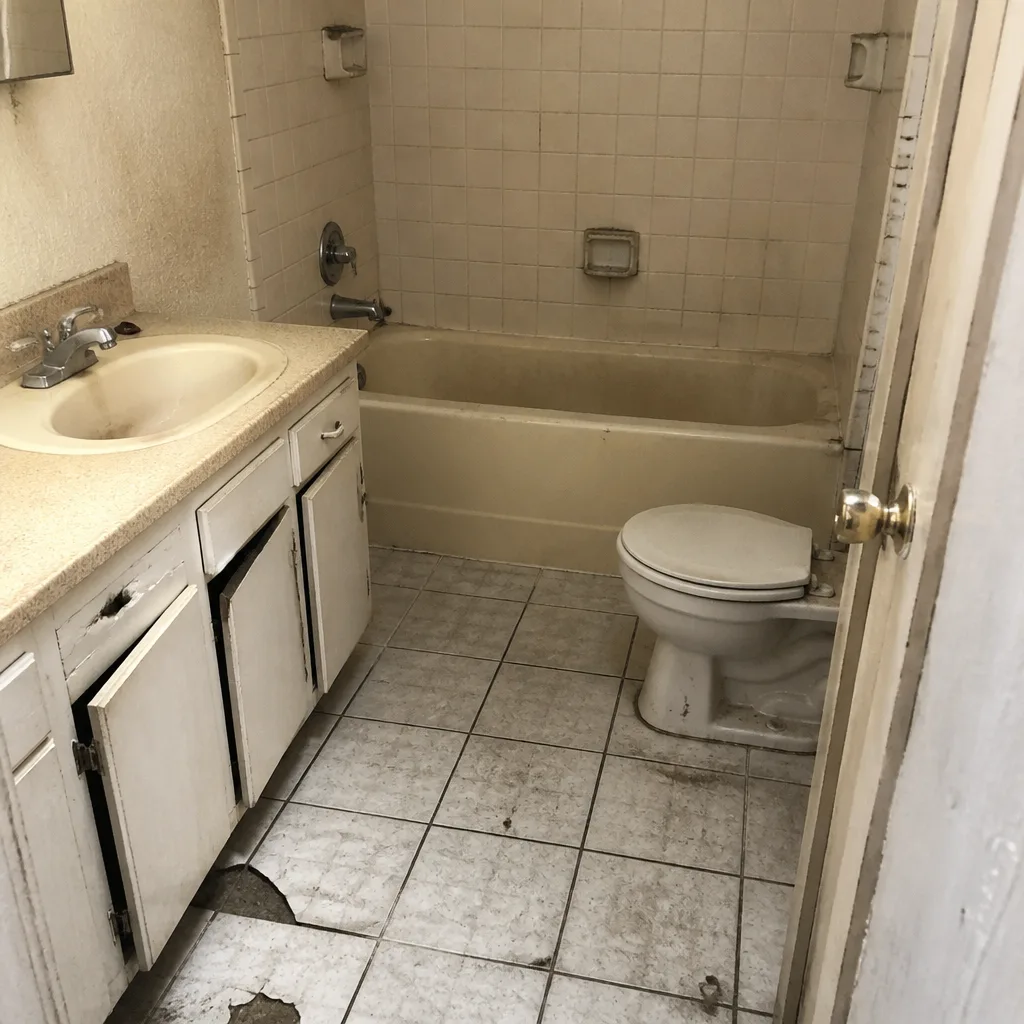 Before
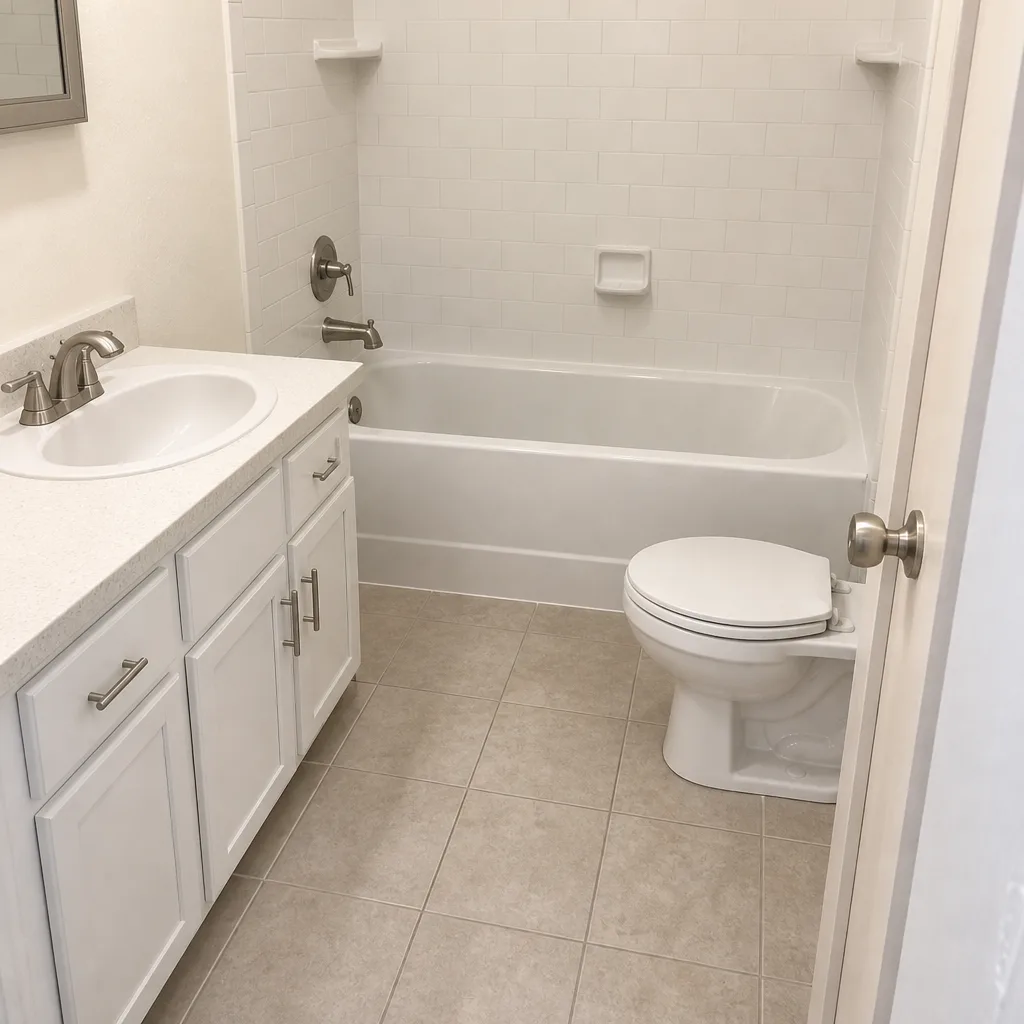 After
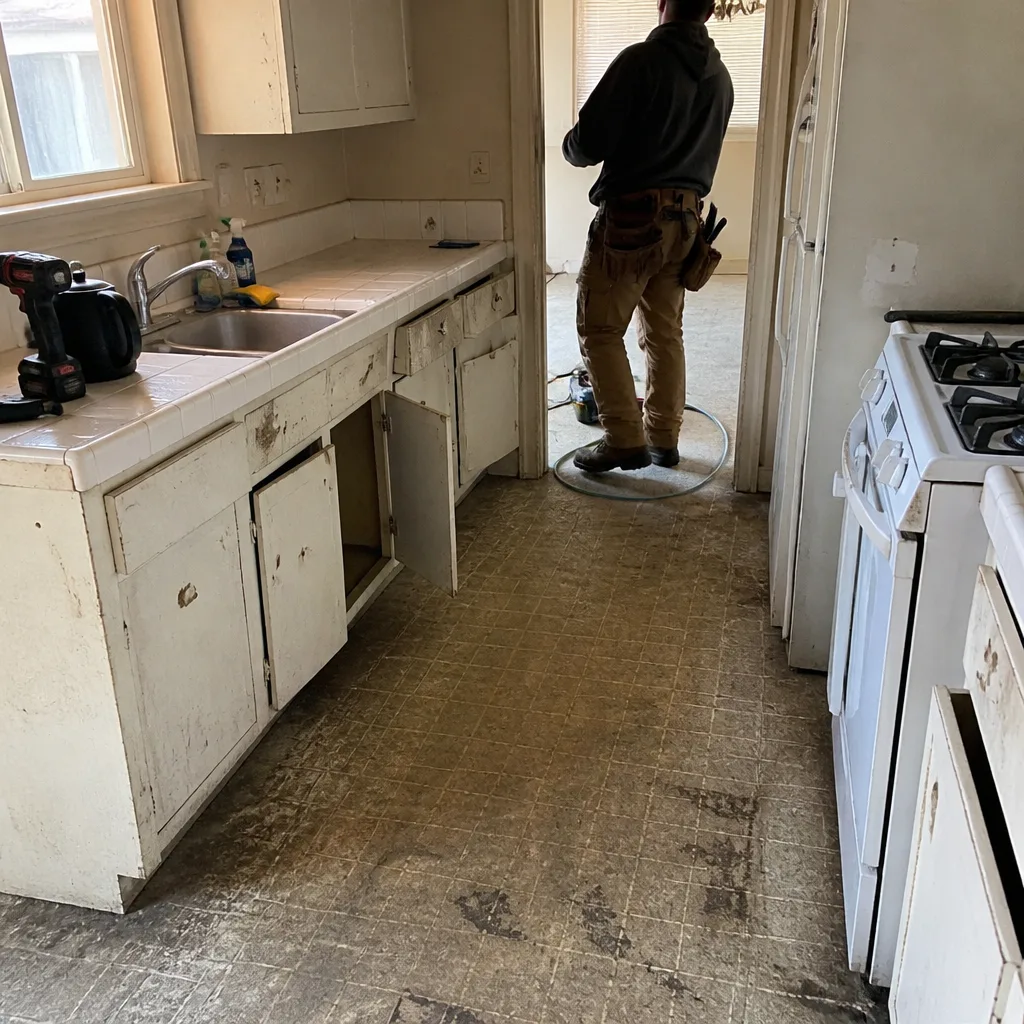 Before
 After
Replacement Cost & What’s Included
Here’s what a Lancaster driveway or paver repair actually runs, installed, with parts and labor on one line:
| Scope | Typical Installed Range |
|---|---|
| Full paver driveway installation | $7,000 – $18,000 |
| Paver patio installation | $3,500 – $11,000 |
| Concrete driveway installation | $4,500 – $12,000 |
| Driveway replacement | $5,000 – $14,000 |
| Driveway sealing | $250 – $700 |
What drives the range: square footage, base depth, whether old pavers get hauled away, whether the edge restraint needs replacement, and whether you’re matching an existing color lot. Small spot repairs, re-sanding, and restraint fixes usually fall well under the sealing number – call (888) 427-1810 and we’ll tell you honestly whether you need a repair or a re-lay. Every price change arrives as a written change order before we touch anything, and the work is backed by our 90-Day Done Right Promise.
DIY or Call Us?
What you can safely check yourself: lift a paver at the edge to read the series stamp, measure a paver, sweep and re-sand loose joints, and take photos of any cracking or settling. What usually goes wrong with DIY on a paver system is base work – pulling up 20 square feet to “reset” it, then finding the compacted base underneath is a fraction of what it needs to be, and now you’ve got a hole, an exposed base, and a driveway that’s worse than when you started. Paver installation also carries real strain risk: the fields are heavy, the compaction work is physically demanding, and a paver dropped on a toe or a finger in high-desert heat is a very common weekend injury. If the restraint has failed, the field is rocking more than a couple of pavers, or you’ve got standing water, that’s a job for a crew. Call (888) 427-1810 for a free estimate – we’ll tell you straight whether it’s a $250 re-sand or a $14,000 replacement, and there’s no trip charge inside the county.
FAQs
Fifteen to twenty-five years is a realistic range for a properly installed American Standard paver driveway in Lancaster, with the biggest variables being base compaction and whether the sealing schedule is kept up. Sun and wind age the color faster than the structure, so many homeowners seal every 3 to 5 years to hold the finish. Call (888) 427-1810 for an honest look at yours – estimates are free.
Usually yes, if the failure is localized. A rocker, a cracked paver, or a failed edge restraint is a spot repair, not a re-lay. If the base itself is failing across a broad area, patching just kicks the problem down the road. We’ll tell you which one you’re looking at before you spend anything.
A spot repair or re-sand is typically a single day. A full paver driveway re-lay in Lancaster runs 3 to 5 days depending on square footage, base depth, and weather. We give you a written schedule up front, and if something shifts, you hear it from us in writing before the crew moves.
We match the series and lot from the paver stamp and measurements, then source through American Standard’s distribution network or a verified aftermarket equivalent for joint sand, restraint, and polymeric sand. We don’t stock parts on trucks – the right spec comes from your driveway, not from the back of a van. Call (888) 427-1810 for a free estimate and we’ll walk you through exactly which parts your job needs.
Written by the team at Barrett & Sons Construction Lancaster, serving Lancaster and nearby areas.
Call (888) 427-1810 for a free estimate on your American Standard driveway or paver project in Lancaster. We’re owner-operated, we pull every permit, and every price change arrives in writing before work starts – backed by the 90-Day Done Right Promise.