
Last updated November 17, 2026
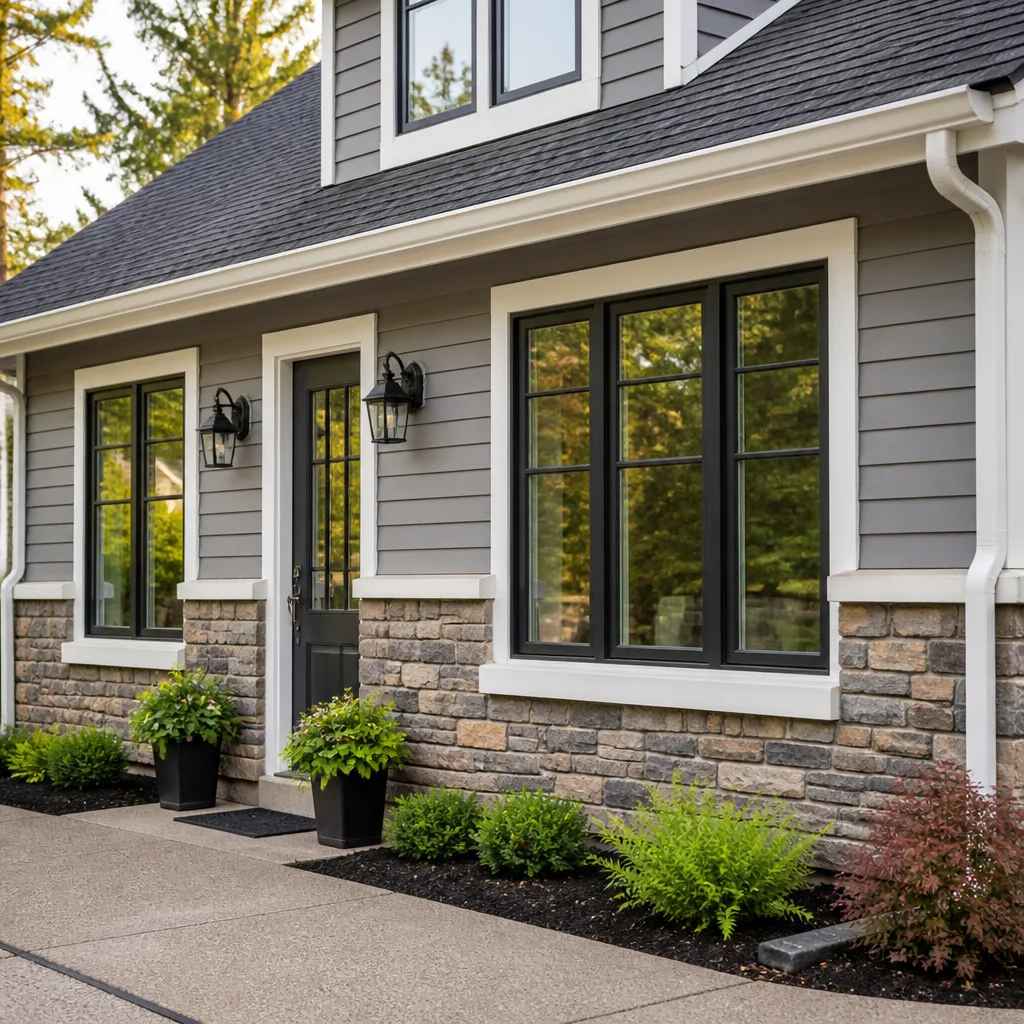 Windows & doors
 Kitchen remodeling
 Bathroom remodeling
 Home additions & ADU
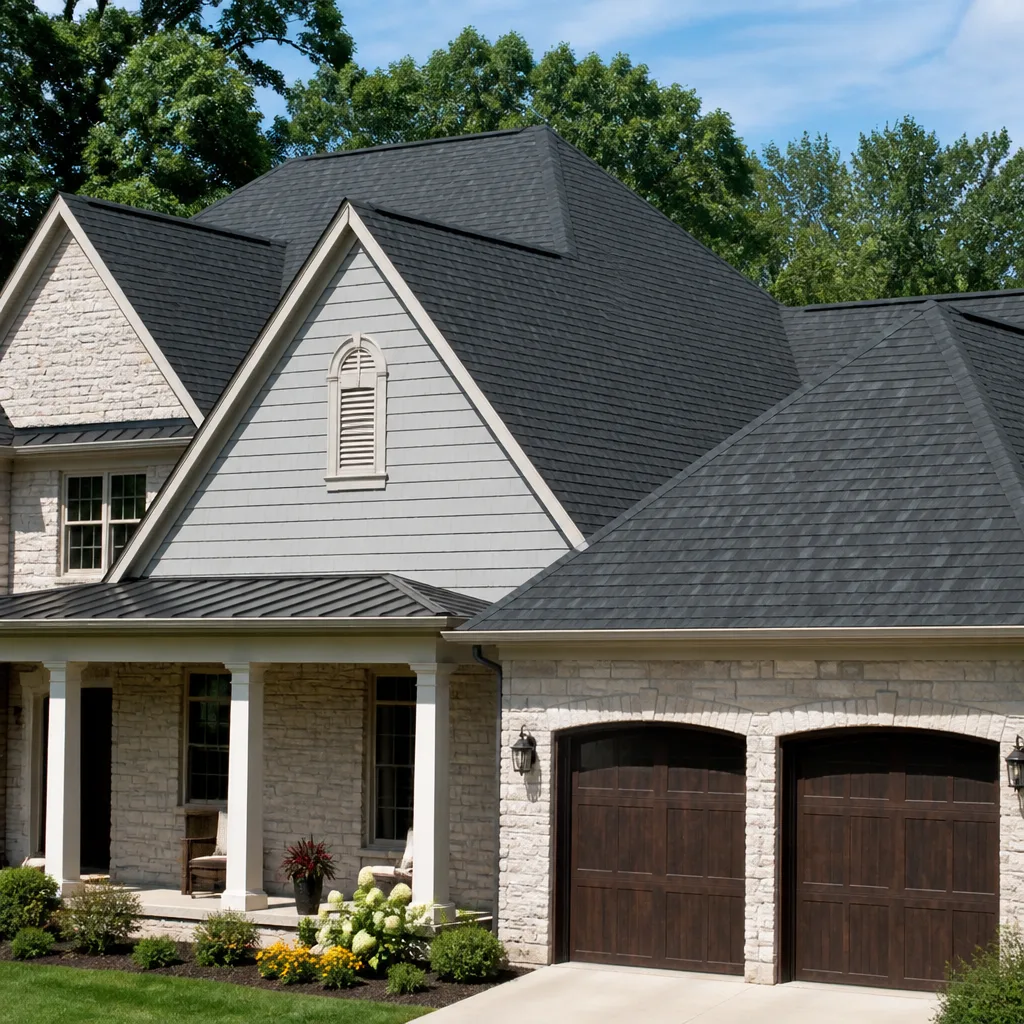 Roofing
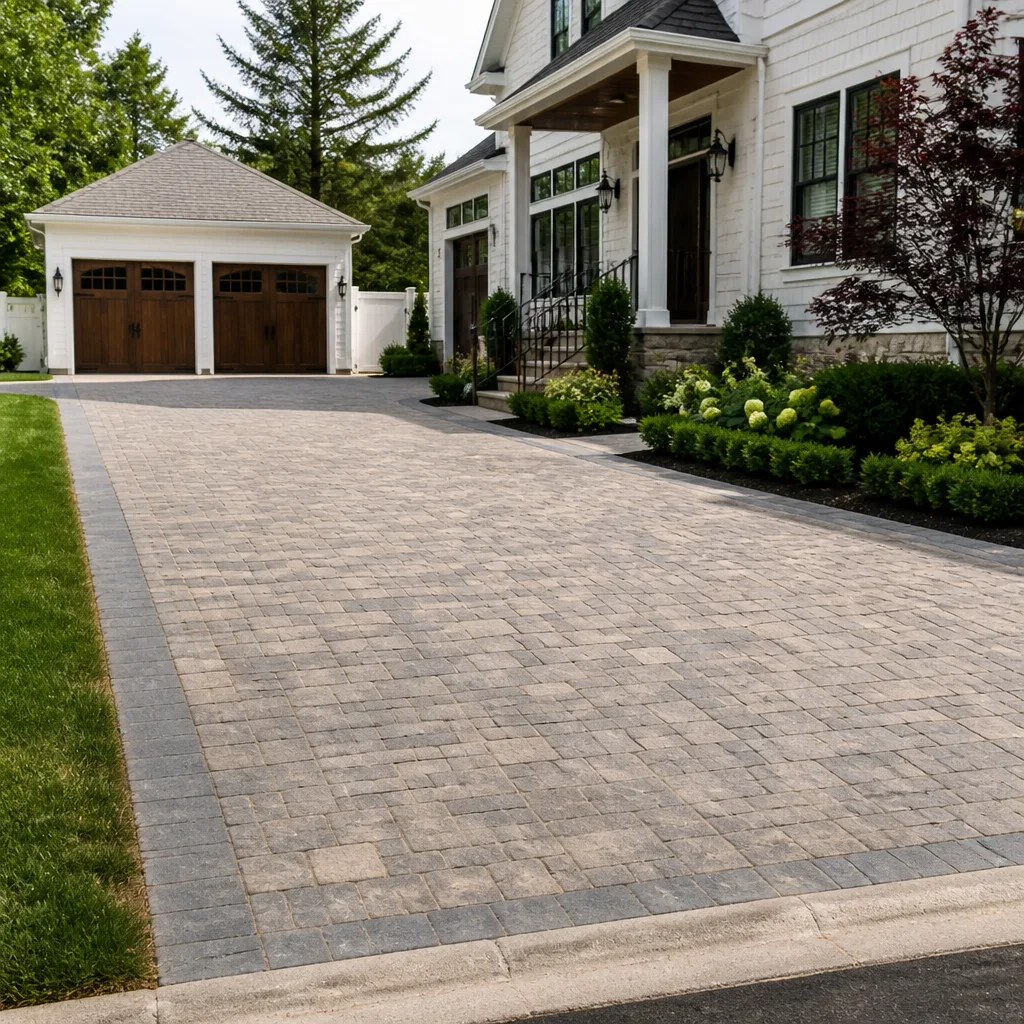 Driveway & pavers
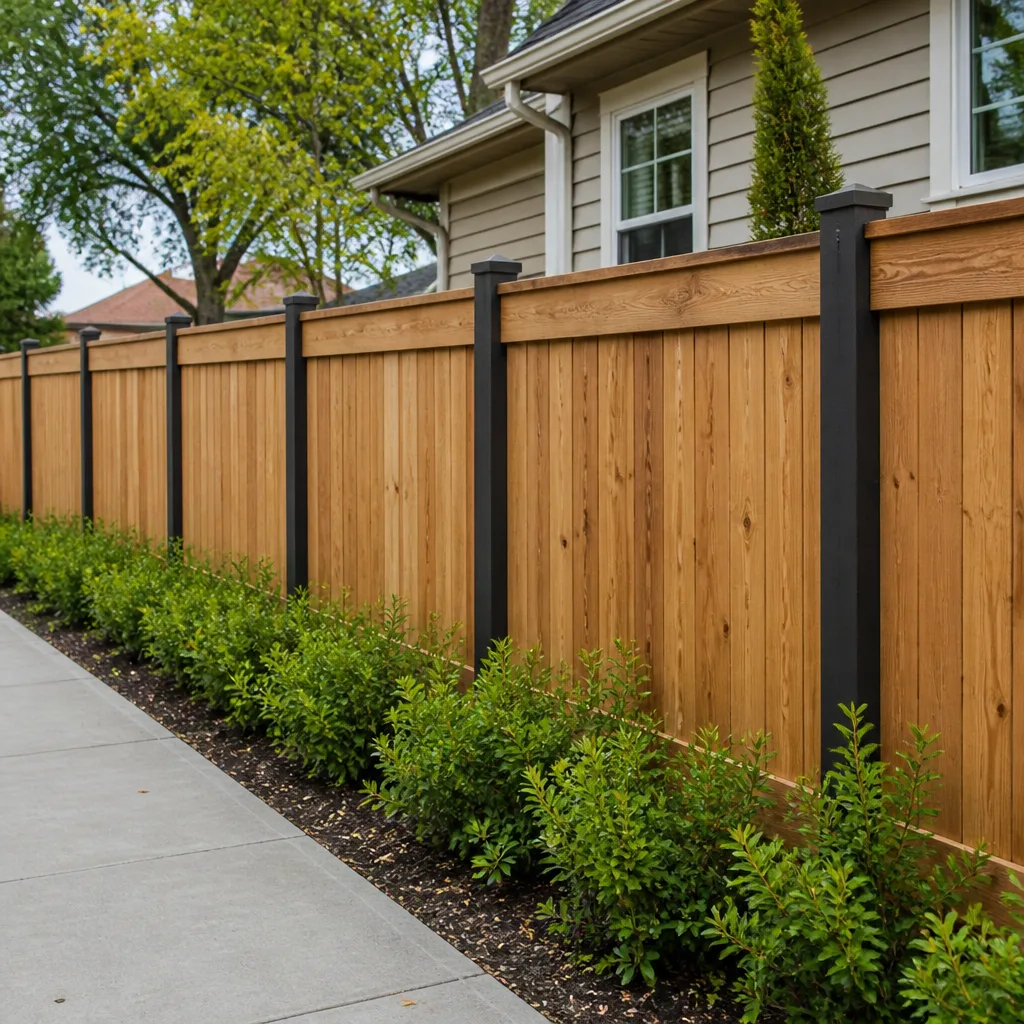 Fence
Free written scope consultation - allowances, timeline, and change-order rules on paper before a single trade is scheduled
The Complete Windows & Doors Guide for Lancaster Homeowners
Lancaster is hard on windows. Summer afternoons regularly push past 100°F, winter nights drop into the 20s, and the wind that sweeps across the Antelope Valley carries fine desert dust into every gap it can find. That 80-degree swing turns window and door selection into a thermal engineering decision, not a style decision. Most national buying guides were written for a mild coastal climate and lead with the wrong number. This guide walks through what actually matters here: solar heat gain, wind and dust wear on seals, Title 24 rules for our climate zone, and the installation details that separate a window that lasts from one that leaks by year five.
Quick Answer
For Lancaster homes, prioritize a low solar heat gain coefficient (SHGC) over a low U-factor, choose frames and threshold seals built for wind-driven dust, and confirm the unit is rated for California Title 24 climate zone 5. In our heat, blocking solar gain in summer saves far more energy than insulating against winter cold. Get the SHGC right first, then the rest.
Styles & brands we work with
- Kitchen remodeling
- Bathroom remodeling
- Home additions & ADU
- Roofing
- Windows & doors
- Driveway & pavers
- Fence
Table of Contents
- Why SHGC Matters More Than U-Factor in Lancaster
- How Antelope Valley Wind and Dust Wear Out Doors and Windows
- Title 24 in Climate Zone 5: What to Know Before You Buy
- Installation: What a Local Crew Does Differently
- Why We Carry the Brands We Carry
- When to Repair vs. Replace
- Planning Your Project and Budget
- Common Mistakes to Avoid
Why SHGC Matters More Than U-Factor in Lancaster
Solar heat gain coefficient measures how much of the sun’s heat a window lets inside. The lower the number, the less heat gets through. U-factor measures how well a window holds heat in during cold weather. Most national guides lead with U-factor because their readers live where winter cold dominates the energy bill. Lancaster is the opposite. Our cooling load dwarfs our heating load, so the sun is the bigger enemy. On a west-facing Lancaster wall, the afternoon sun can push a poorly rated window’s interior surface 20 degrees hotter than the room, and your air conditioner pays for that difference all summer.
Look for these numbers when you shop:
- SHGC of 0.25 or lower on west and south-facing windows in Lancaster. These are the walls that take the brunt of summer sun.
- U-factor of 0.35 or lower still helps on our 20°F winter nights, but treat it as the second priority, not the first.
- Low-e coatings that block solar gain. Ask specifically which low-e type is on the glass; there’s a difference between coatings tuned for cold climates and coatings tuned for sun.
- Visible transmittance (VT) balanced against SHGC. A very low SHGC with very low VT makes rooms dim. Aim for the middle.
In our experience across Lancaster, a homeowner who swaps builder-grade single-pane windows for units with a 0.22 SHGC on the west side often reports the biggest comfort change in the late afternoon, when the rooms facing the sun used to bake.
How Antelope Valley Wind and Dust Wear Out Doors and Windows
The Antelope Valley wind is persistent, and it carries sand and fine dust. Over ten years, that combination wears out the small parts of a window or door long before the glass fails. The seals go first. Threshold weatherstripping on exterior doors compresses and cracks, sweep gaskets dry out, and weep holes at the bottom of window frames clog with grit. Once those fail, dust works its way in and the draft follows.
Frame material matters here too. Here’s how the common choices hold up against Lancaster’s dust and wind:
- Vinyl: Affordable and low-maintenance, but cheaper vinyl can warp and discolor under intense UV. Look for heat-stabilized vinyl if you go this route.
- Fiberglass: Expands and contracts little, which helps in our big temperature swings, and resists cracking. A strong choice for large openings.
- Aluminum: Durable, but conducts heat unless it has a thermal break. The frame gets hot to the touch on a July afternoon without one.
- Wood-clad: Warm look with an exterior cladding that handles sun and moisture. Needs the cladding intact to perform.
On thresholds, an adjustable sill with a durable sweep is worth asking for. In the western stretches of Lancaster where the wind funnels through, we see door sweeps fail years earlier than on more sheltered streets.
Title 24 in Climate Zone 5: What to Know Before You Buy
Lancaster sits in California climate zone 5, and any window or door replacement on a permitted job has to meet Title 24 energy requirements. If a salesperson can’t tell you the climate zone your window is rated for, that’s a warning sign. Here’s what to confirm before you sign anything:
- Confirm the zone. Ask for documentation that the unit meets Title 24 prescriptive requirements for climate zone 5. The number is tied to where the house sits, not where the salesperson’s office sits.
- Get the NFRC label. Every rated window carries a label from the National Fenestration Rating Council showing U-factor, SHGC, and VT. Keep a copy with your paperwork.
- Know the replacement exemption rules. Some like-for-like replacements follow different rules than a change in window size or style. A licensed contractor can tell you which applies to your job before you buy.
- Pull the permit. A permitted installation means an inspector confirms the work. The permit inspector works for you, not the contractor, and that’s a good thing.
Because Title 24 documentation can be confusing, we make sure every window and door project in Lancaster that requires a permit gets one, with inspections signed at the end. If a national outfit quotes you a replacement over the phone and never mentions the climate zone or the permit, that difference will show up later.
Installation: What a Local Crew Does Differently
The window you buy is only half the job. The other half is what happens when the old unit comes out. Flashing, caulking, insulation, and the way the frame is shimmed and sealed dictate whether you get a weathertight fit or a slow leak that shows up two winters later. A national chain installs to a script and moves on to the next town. A crew that lives here knows what the wind does to a poorly flashed corner.
Here’s the sequence a careful install follows:
- Measure the rough opening precisely. A window forced into a sloppy opening never seals right.
- Remove the old unit and inspect the framing for rot or damage from past leaks.
- Flash the opening so water sheds outward, not into the wall.
- Set and shim the unit square, checking level on all sides.
- Insulate the gap between frame and rough opening.
- Caulk the exterior with a sealant rated for high heat and UV.
- Test operation and check the sill and threshold for a tight seal.
That last step is where dust intrusion gets caught early. On a Lancaster job, we’re also checking that seals are right before the first windy season, not after. If you’re planning a larger remodel that involves new openings, our guide to Home Additions & ADU in Lancaster covers how window placement changes the plan.
Why We Carry the Brands We Carry
We carry Andersen and Marvin for a reason beyond the name on the frame. Both lines publish their NFRC ratings clearly, offer glass packages with low SHGC options suited to hot climates, and build frame systems that hold up to temperature swings. In Lancaster, that combination is what matters. A window rated for a cold climate might pass the U-factor check and still let the July sun pour heat into your living room. We pick glass packages tuned to the sun.
The same standard applies across every trade we touch. On kitchens, KraftMaid and Cambria; on roofs, GAF and CertainTeed; on hardscapes, Techo-Bloc and Belgard. Those are materials you can look up and compare, not mystery brands off a van. When you buy windows, the brands should be ones you can verify.
Our crew members have up to 28 years of experience, and every eligible job includes permits pulled and inspections signed. If a product fails or the installation isn’t right, our 90-Day Done Right Promise is written on the contract, not buried in fine print. One call brings Tom Barrett back to make it right.
When to Repair vs. Replace
Not every draggy window or sticky door needs replacing. Sometimes a new seal, a fresh sweep, or a re-glaze buys you years. But some signs mean the unit is past saving. Here’s how to tell the difference:
- Repair if the glass is intact, the frame is sound, and only the weatherstripping, sweep, or hardware has failed. Threshold seals and sweeps are the most common fix.
- Repair if a single window in a set sticks or lets in a draft while the rest operate fine.
- Replace if the glass has lost its seal and shows fog or condensation between panes. That means the insulating gas is gone.
- Replace if the frame is warped, cracked, or rotted. A failed frame can’t be sealed reliably.
- Replace if the unit is single-pane and the room is consistently too hot in summer or too cold in winter. That’s a performance problem, not a maintenance problem.
In Lancaster, the foggy-pane tip-off shows up fast, because our temperature swings stress the seals. If you see it in one window, it’s worth checking its neighbors.
Planning Your Project and Budget
Window and door pricing varies with size, glass package, frame material, and how many openings you’re doing at once. Rather than toss out a single number, here’s the framework we use when we quote a Lancaster job. We put the scope in writing, the allowances in writing, and any price change in writing before work moves. An allowance that isn’t on paper is a surprise waiting for a date.
- Standard replacement window: priced per unit, with the glass package driving most of the difference. Low-SHGC glass adds some cost and pays back in comfort and cooling bills.
- Large or custom openings: priced higher because the frame and glass get heavier and the installation takes more care.
- Exterior doors: cost more than windows for the same opening size because of the frame, threshold, and hardware.
- Permits and inspection: a line item on eligible jobs, not an afterthought.
We offer free estimates and will give you a written line-item quote. Ask for a second opinion on any written estimate you’ve received; that’s free too. Our published offers include a free second opinion and no trip charge inside the county. For larger exterior projects that often pair with new windows, our Driveway & Pavers in Lancaster and Fence Installation in Lancaster pages show how we handle the same written-scope approach.
Common Mistakes to Avoid
- Leading with U-factor and ignoring SHGC. In Lancaster’s heat, a great U-factor with a high SHGC means sun pouring in all summer. Check SHGC first.
- Buying over the phone from a national outfit without a climate zone check. If the quote doesn’t mention Title 24 zone 5, the unit may not be right for our code.
- Skipping the permit. An unpermitted install means no inspection, and you own the risk. The last contractor who told you permits were optional wasn’t doing you a favor.
- Letting the installer caulk over a bad flashing job. Caulk hides a leak for a season or two. Flashing is what keeps water out for good.
- Ignoring threshold and sweep wear. In the windy stretches of Lancaster, a failed sweep lets in dust and draft that no glass upgrade fixes.
- Choosing a cheap glass package to save a few hundred dollars. Over a Lancaster summer, that decision costs more in cooling than it saved up front.
- Accepting a verbal allowance. Every scope, allowance, and price change needs to be in writing before any work starts.
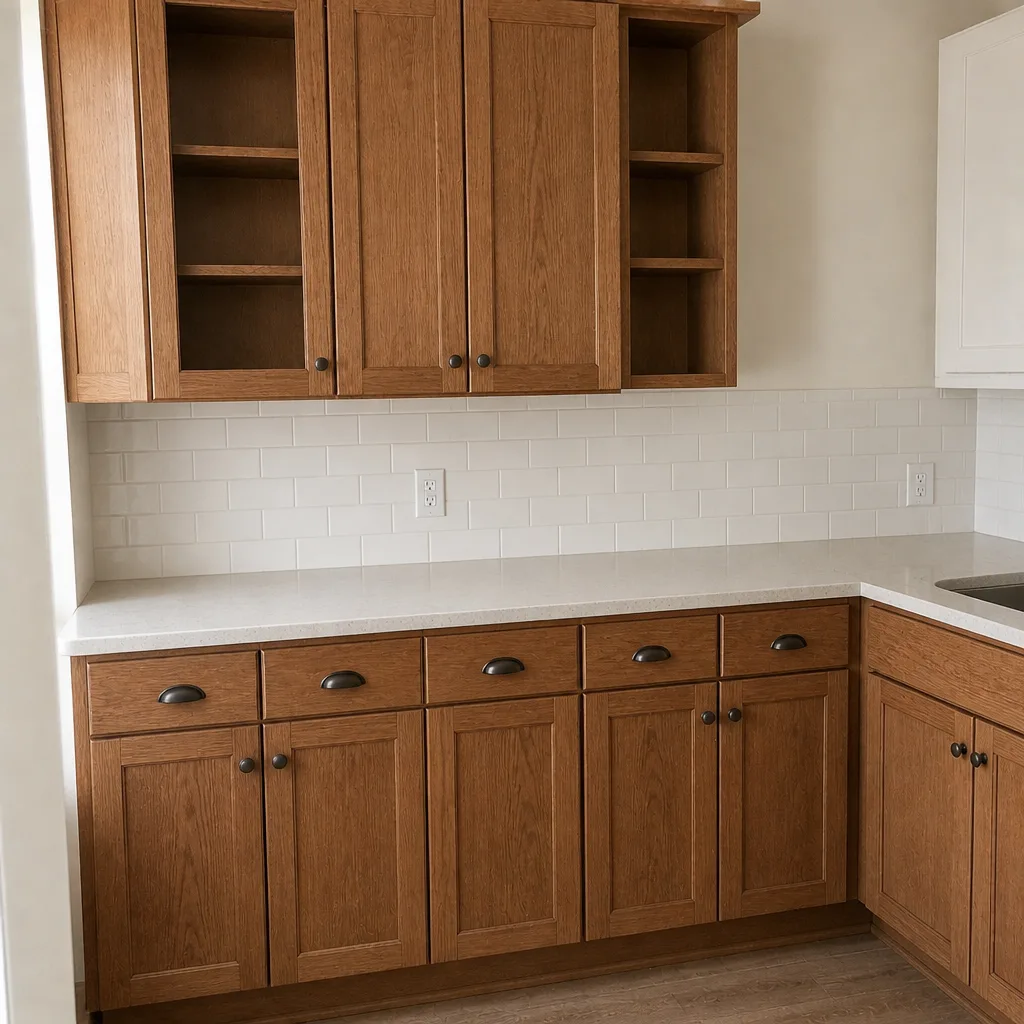
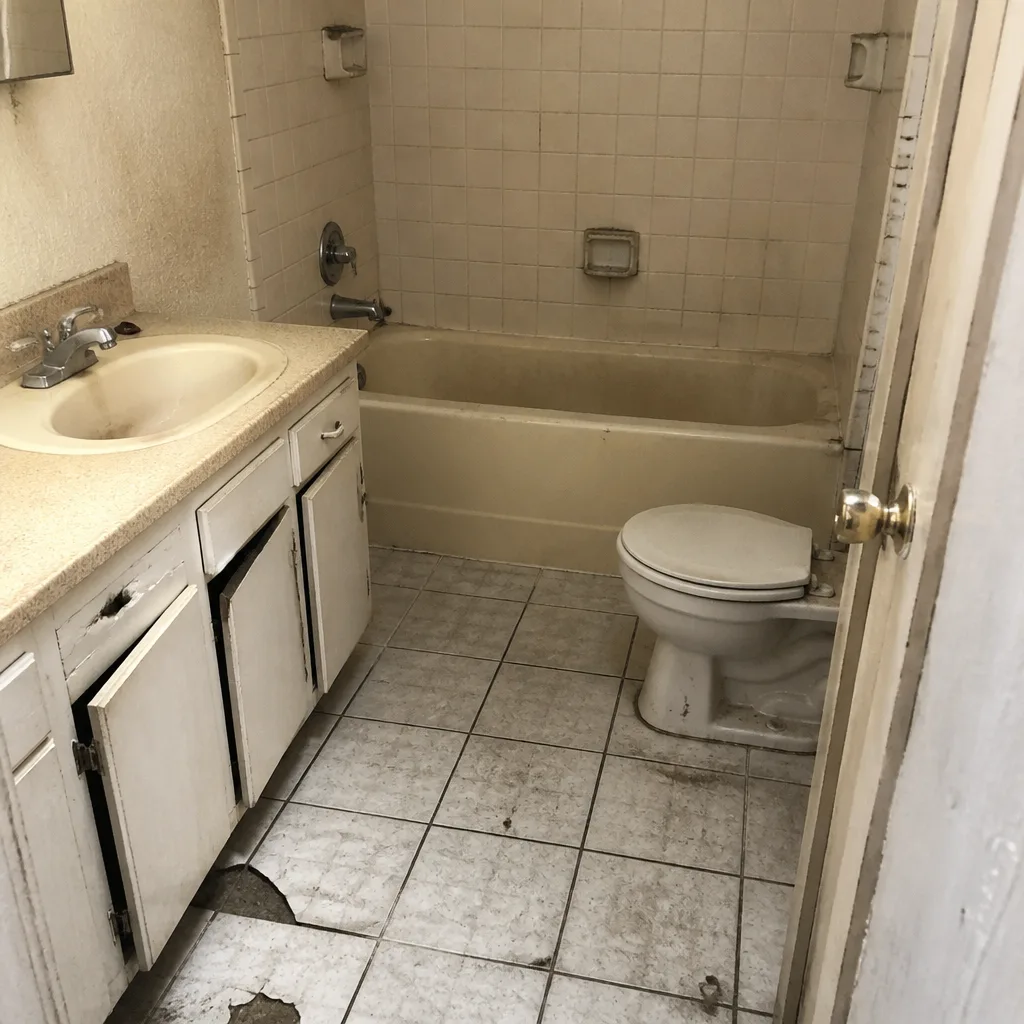
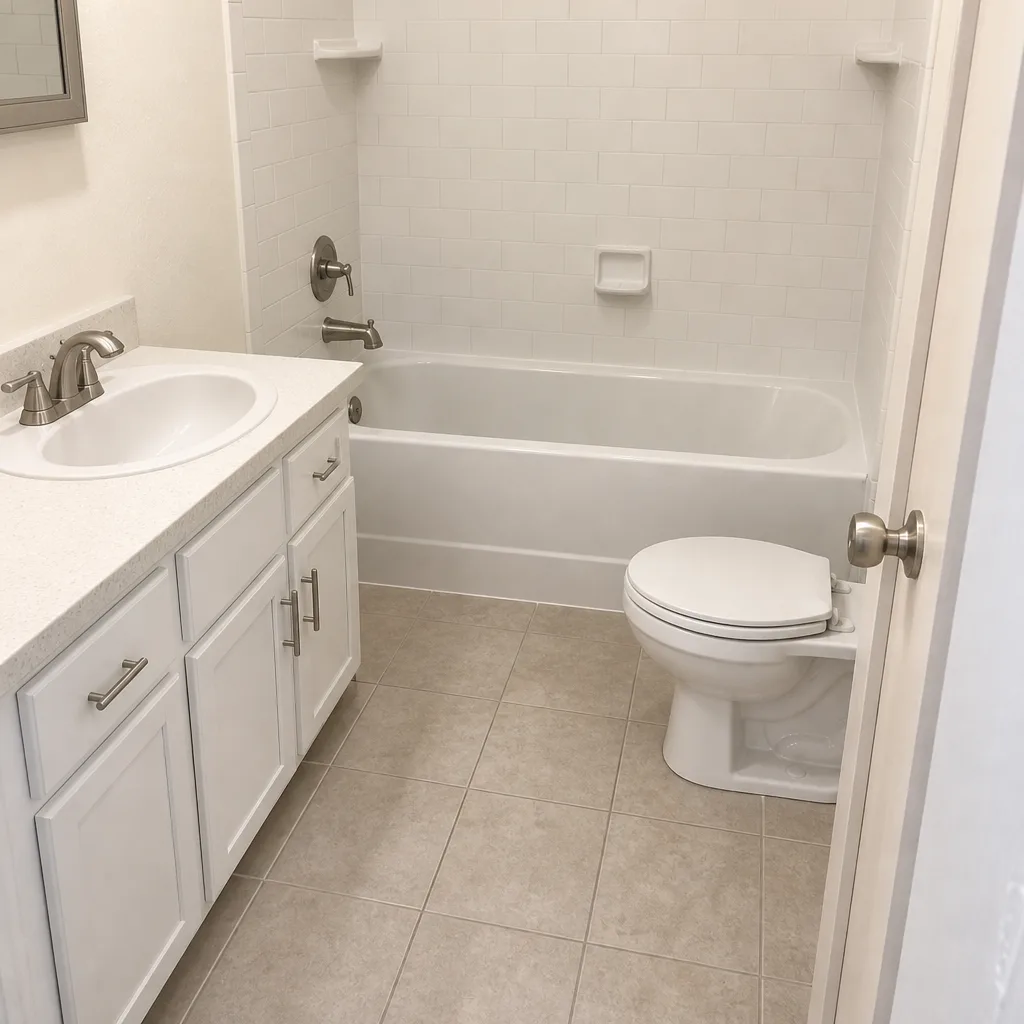
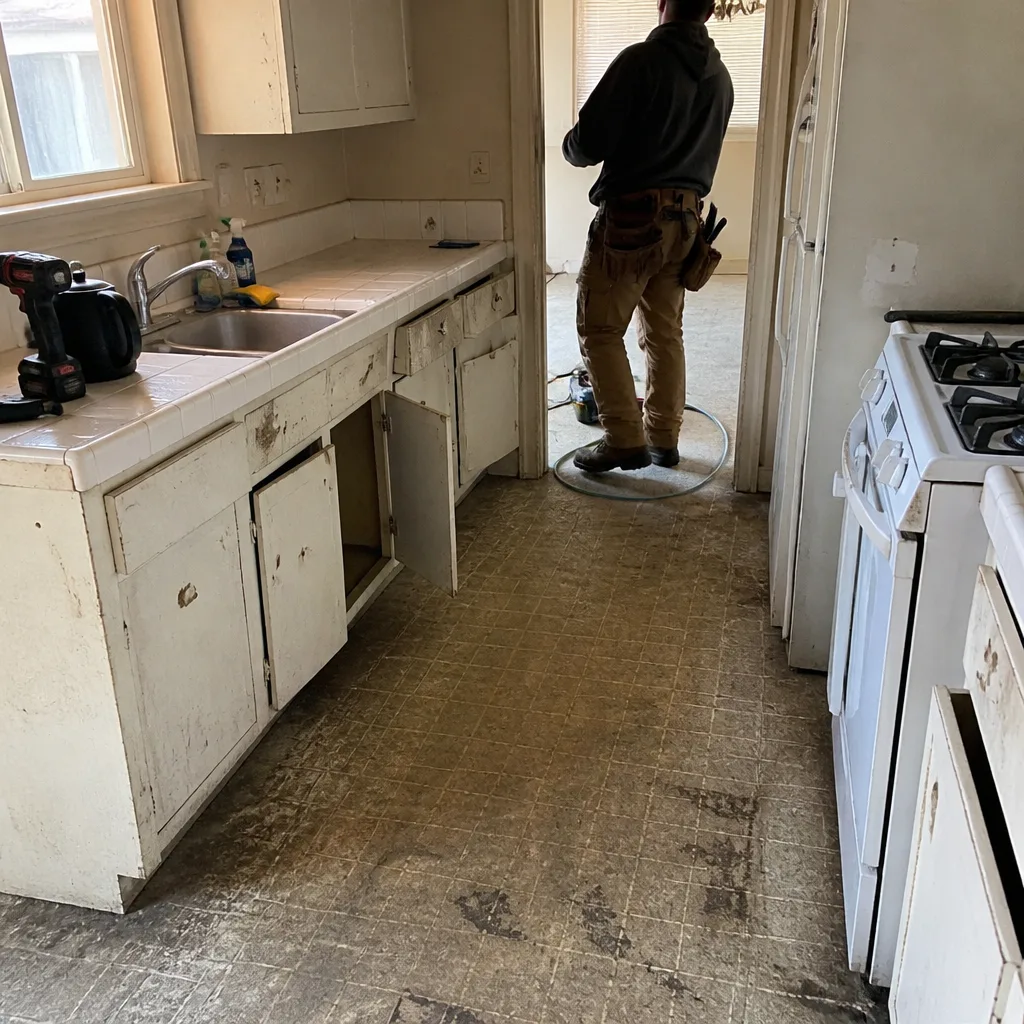
See the difference
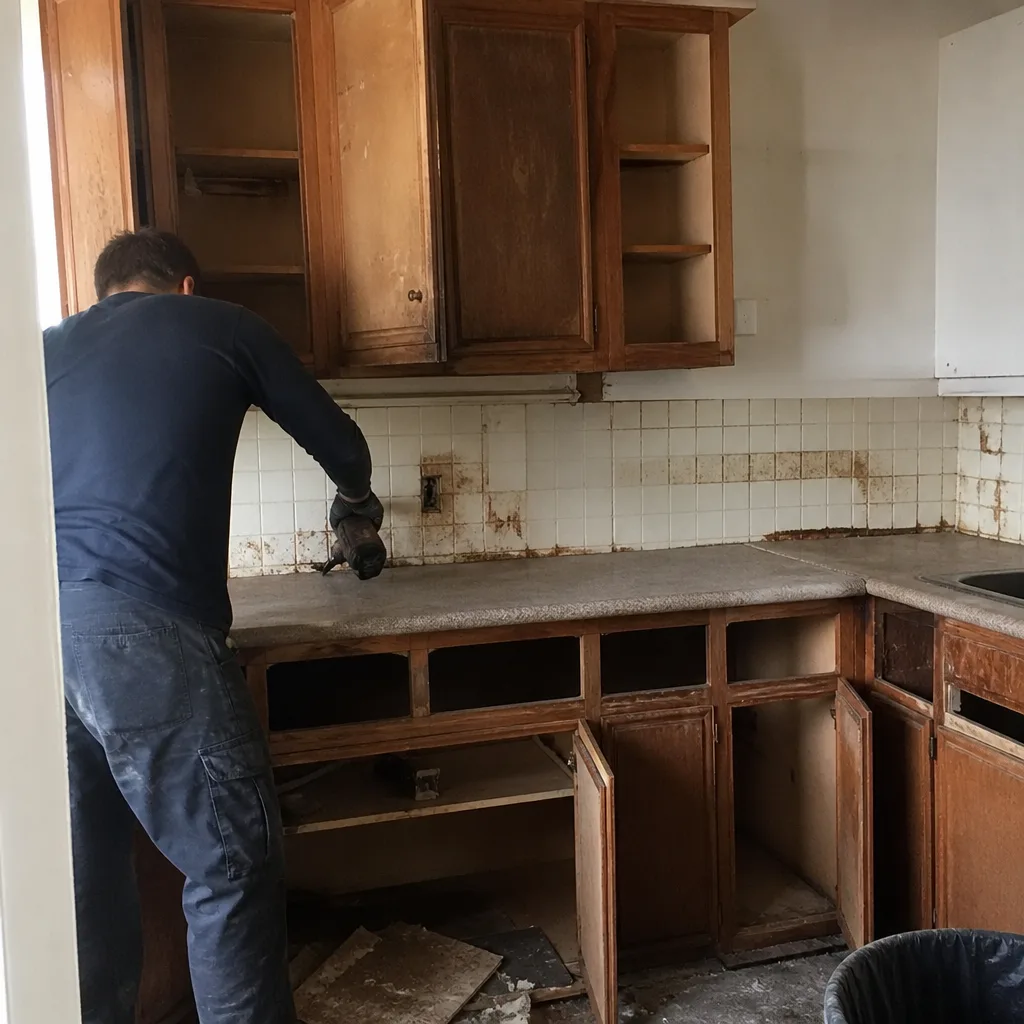 Before
 After
 Before
 After
 Before
 After
When to Call a Professional
Some jobs are weekend projects. Windows and doors under a permit, or anything involving a failed seal, a warped frame, or a door threshold that lets in wind, are not. If you’re seeing fog between panes, a draft you can feel at the jambs, or a door that no longer closes square, it’s time to have it looked at. And if you’ve been quoted a replacement over the phone with no climate zone or permit mentioned, get a second opinion before you sign. Barrett & Sons Construction Lancaster offers free estimates in Lancaster. Call (888) 427-1810 to schedule yours. A live person answers the phone, day or night.
Frequently Asked Questions
Aim for an SHGC of 0.25 or lower on west and south-facing windows. Lancaster’s cooling load is heavier than its heating load, so blocking solar heat gain matters most. Call (888) 427-1810 for an exact recommendation on your home’s orientation; estimates are free.
Often yes, and any permitted job must meet Title 24 requirements for California climate zone 5. Rules vary by job size and whether the opening changes, so a licensed contractor should confirm before you buy. We pull permits and sign off inspections on every eligible job. Call (888) 427-1810 to check your project.
Persistent wind carrying grit wears out sweeps and weatherstripping faster than in sheltered climates. Over ten years, that wear can let in dust and draft even when the door itself is fine. A fresh sweep and sill can often fix it. Call (888) 427-1810 for an inspection.
Pricing depends on size, glass package, and frame material, so it’s quoted per unit rather than a flat number. A written line-item quote is the only way to compare fairly. Call (888) 427-1810 for a free estimate; we’ll put the scope and allowances in writing.
Fog or condensation between the panes means the seal has failed and the insulating gas is gone. Once that happens, the window can’t be repaired; the unit needs replacing. Warm interior glass in summer is another sign. Call (888) 427-1810 to have yours checked.
No, not unless the scope changes, and then it changes in writing. Every price change arrives as a written change order before work proceeds. To see how that process works on your project, call (888) 427-1810. You can also start from our Barrett & Sons Construction Lancaster home page.
The Bottom Line
Lancaster’s climate rewards a different set of priorities than most window guides teach. Lead with SHGC, not U-factor. Choose frames and seals that stand up to wind and dust. Confirm Title 24 climate zone 5 documentation and pull the permit. Then get the installation right, because flashing and caulking decide whether the window performs. Get those four things in order and you’ll feel the difference the first hot week of summer. Get them wrong and you’ll spend the next ten years chasing drafts.
Call (888) 427-1810 for a free estimate on windows and doors in Lancaster.
Written by the team at Barrett & Sons Construction Lancaster.