
Last updated November 17, 2026
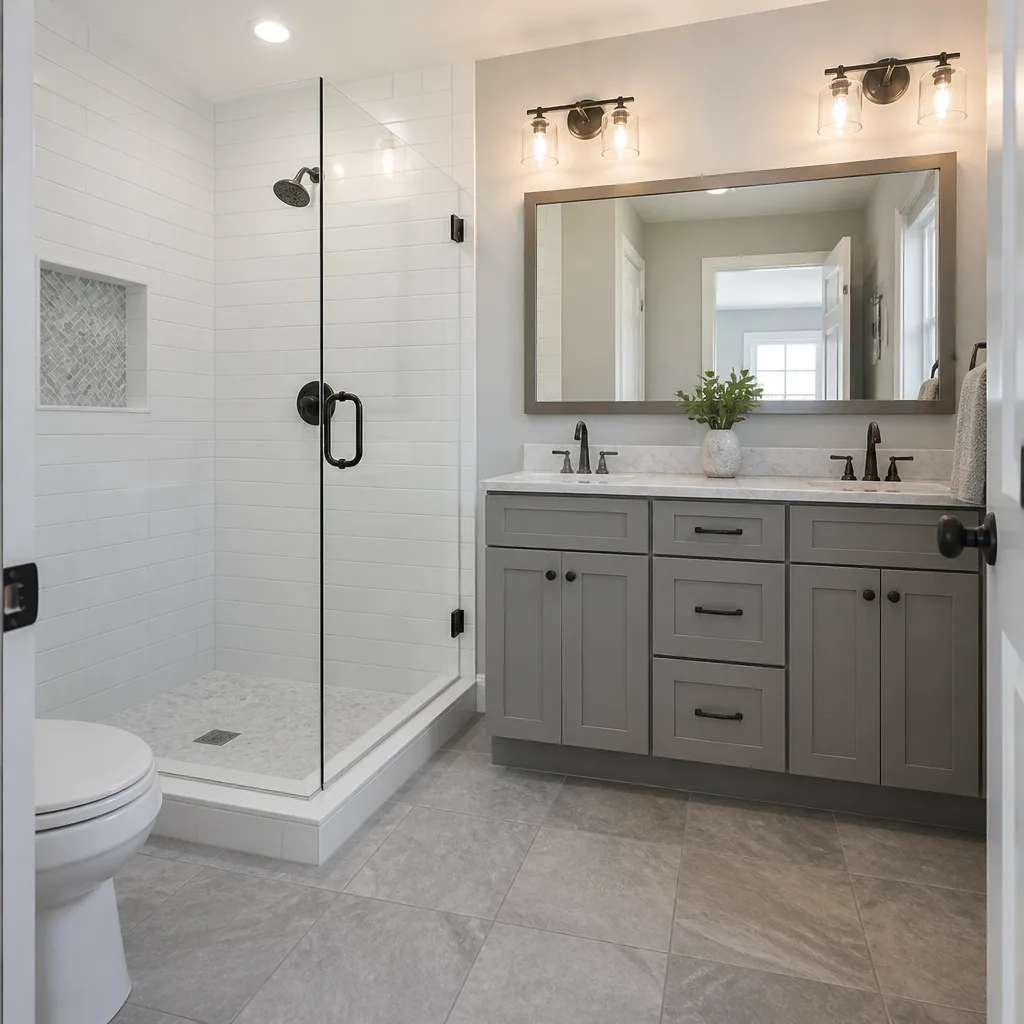 Bathroom remodeling
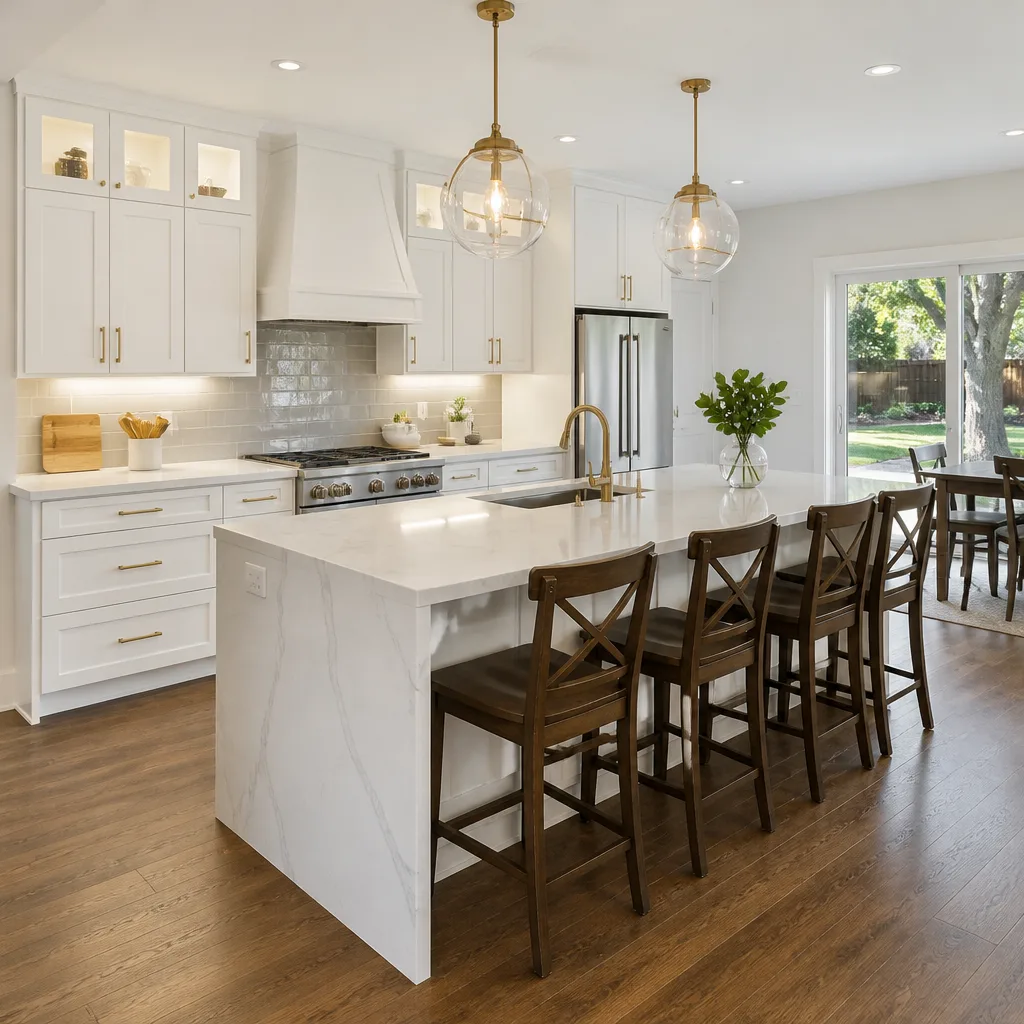 Kitchen remodeling
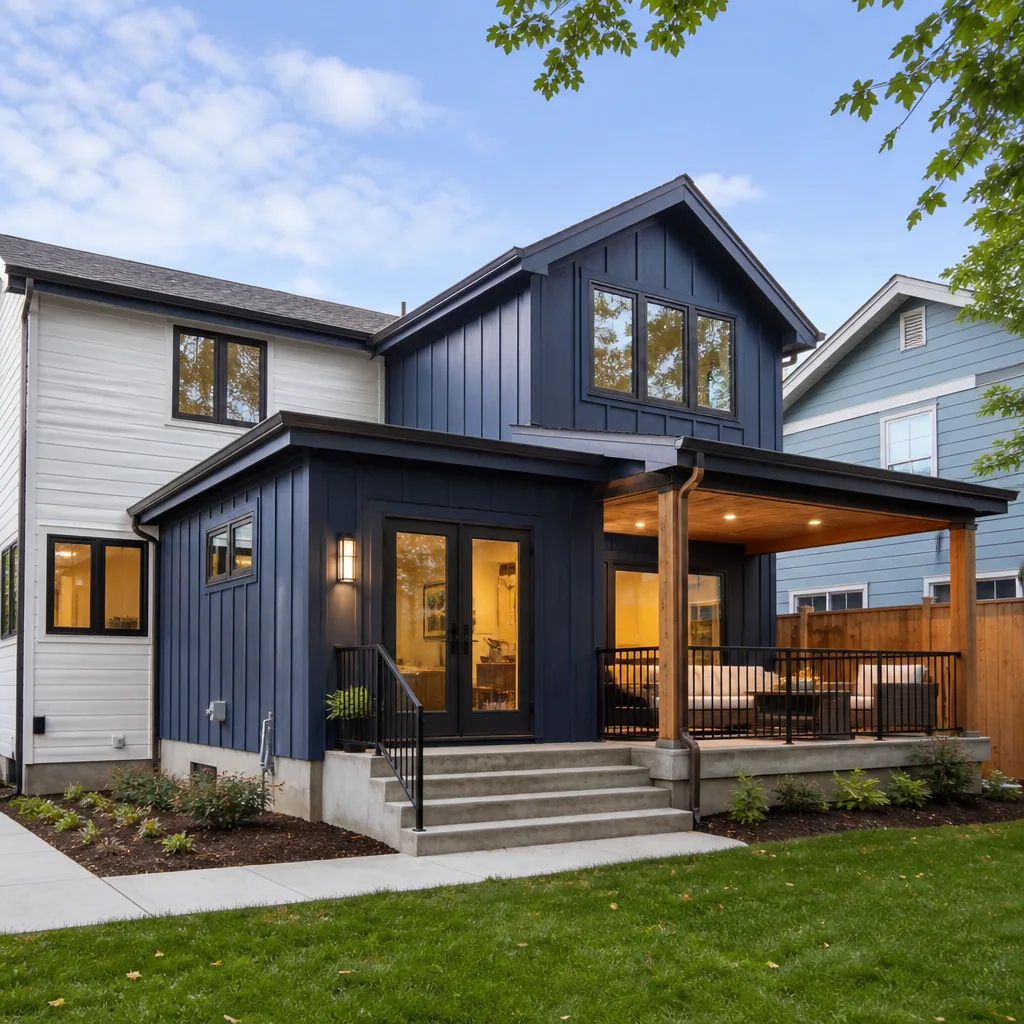 Home additions & ADU
 Roofing
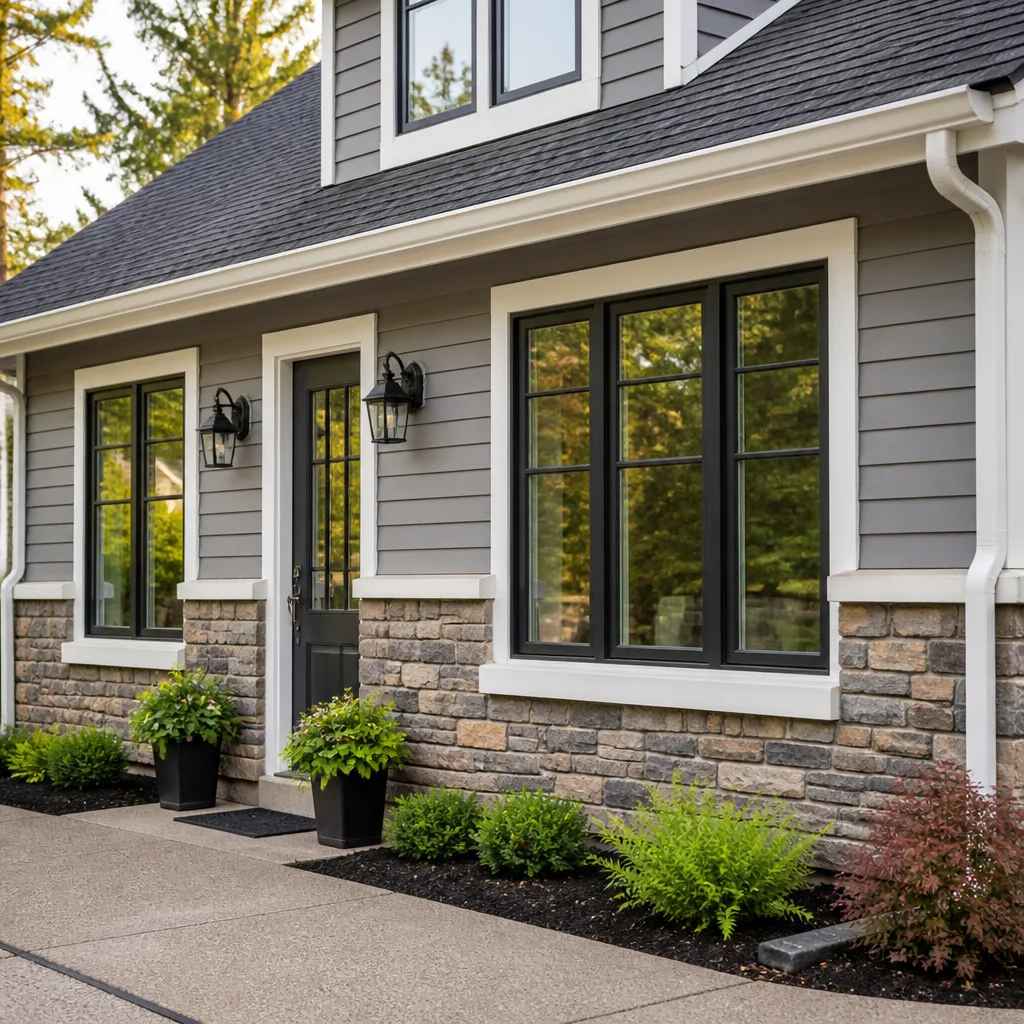 Windows & doors
 Driveway & pavers
 Fence
Free written scope consultation - allowances, timeline, and change-order rules on paper before a single trade is scheduled
How Long Does Bathroom Remodeling Take? Timelines and What to Expect
A full bathroom gut-and-rebuild takes roughly 10 to 14 working days of actual labor. The project that stretches to eight weeks does so because nobody managed the schedule between the plumber, the tile setter, and the vanity delivery. That’s the part nobody puts in the quote. In our experience across Lancaster, the work isn’t what slows a bathroom down – it’s the gaps between trades, the lead times before a hammer ever swings, and the decisions that get made late. This guide breaks down where the real time goes, phase by phase, so you can plan around it instead of against it.
Quick Answer
A typical full bathroom remodel takes 6 to 10 weeks from demolition to final inspection, with about 10 to 14 of those days being hands-on labor. A cosmetic refresh (new fixtures, paint, no layout change) runs 2 to 3 weeks. The single biggest variable isn’t the size of the bathroom – it’s how well the schedule is managed between trades and how early materials get ordered.
Styles & brands we work with
- Kitchen remodeling
- Bathroom remodeling
- Home additions & ADU
- Roofing
- Windows & doors
- Driveway & pavers
- Fence
Table of Contents
- The Real Phase-by-Phase Timeline (With the Gaps Included)
- The Decisions That Add Weeks Before Work Starts
- How an Owner-Operated Crew Coordinates Differently
- One-Bathroom Households: Planning for Displacement
- Three Mid-Job Discoveries That Legitimately Add Time
- Lancaster Permits, Code, and Climate
- Reading a Schedule: Labor Days vs. Calendar Days
The Real Phase-by-Phase Timeline (With the Gaps Included)
Most timelines you find online list labor only. That’s the reason they’re wrong. Here’s a realistic phase breakdown for a full bathroom remodel in Lancaster, with the calendar days and the waiting days both in the open.
- Design and material selection: 1 to 2 weeks. Tile, vanity, faucets, lighting. This is where Schluter waterproofing systems and a Sterling tub or shower base get decided, because the right waterproofing depends on what fixture goes in. Skip this and you’ll be choosing tile the same week the tile setter needs to start.
- Permit processing: 1 to 3 weeks. Lancaster runs on standard permitting cycles. If the layout is changing – moving a drain, adding a vent, relocating a wall – the plan review takes longer than a like-for-like swap.
- Material lead time: 2 to 6 weeks. This runs parallel to permitting, which is why ordering early is the single best schedule decision you’ll make. Custom vanities, specialty tile with a low stock position, and any back-ordered fixture can each eat weeks. A Grohe shower valve that’s in stock today might be four weeks out next month.
- Demolition and rough-in: 2 to 3 working days. Tear-out, then the plumber and electrician move pipes and wires. This is the point where surprises under the floor show up.
- Inspection of rough-in: 1 to 3 days. The inspector signs off before walls close. Leave room for it on the calendar, not after.
- Waterproofing and tile: 4 to 6 working days. Schluter membrane goes in, flood test, then tile setting and grout. Tile doesn’t rush – grout cures on its own clock.
- Vanity, fixtures, finishes: 2 to 3 working days. Vanity set, faucets, toilet, lights, trim.
- Final inspection and punch list: 2 to 5 days. Inspector signs off, you walk the job, small items get finished.
Add the calendar days up and you land between 6 and 10 weeks. The labor alone is 10 to 14 days. That gap is the whole story of bathroom scheduling.
The Decisions That Add Weeks Before Work Starts
The clock on a bathroom remodel starts well before demo day. Three decisions in particular are the ones we see stretch schedules most often.
- Tile lead time. Stock tile moves in a week. Special-order tile, mosaic patterns, or anything with a factory finish can be four to eight weeks out. Order tile after permitting and the bathroom sits empty while you wait on a pallet.
- Custom vanity orders. Semi-custom runs 3 to 5 weeks. Full custom runs longer. If your layout depends on a 60-inch vanity with a specific sink cut, you’re waiting on a cabinet shop, and no amount of crew coordination makes a cabinet shop build faster.
- Permit processing in Lancaster specifically. Like-for-like swaps move faster than layout changes. If you’re relocating the toilet or adding a second shower head with a diverter, the plan review is heavier, and the review is the review. We pull the permits and get the inspections signed, and we plan the schedule around that timeline realistically – not optimistically.
The one rule that saves the most schedule: make every selection before demolition starts. It’s the same principle we apply on any job – scope in writing, allowances in writing, change orders in writing. A selection that isn’t made on paper is a delay waiting for a date.
How an Owner-Operated Crew Coordinates Differently
A general contractor juggling separate subcontractors – one plumber Monday, one tile setter who shows up “next Tuesday, maybe” – is where most of the wasted weeks come from. Each sub waits for the one before. If the plumber gets held up at a different job, your tile setter shows up, finds nothing to do, and leaves. That gap doesn’t show up on the invoice. It shows up on your calendar.
An owner-operated crew reads the schedule differently. Tom Barrett and his sons are on-site most days, and they know the plumber they’ve worked with for years is coming Thursday, so the tile truck isn’t booked until Friday. Nothing to coordinate across three different companies. When you’re the person responsible for the whole job, you don’t book a trade until the trade before it is actually finished.
We’ve built this into how we work from day one: every scope, every allowance, and every price change arrives as a written change order before work happens. That’s not just bookkeeping. A written schedule means everybody – including the homeowner – knows what’s happening Tuesday. Calls get answered by a live person, so if something shifts on Thursday, you hear it Thursday.
One-Bathroom Households: Planning for Displacement
If it’s the only bathroom, plan for the full calendar, not the best case. A realistic displacement window is 6 to 8 weeks for a full gut-and-rebuild, and up to 10 if your selections are still open when demo starts.
What that means practically:
- Line up a shower alternative before demo day. A gym membership, a neighbor’s shower, or a rental unit. Sort this out before you need it.
- Know your half-bath situation. A working toilet and sink nearby extends how long you can live in the house. Without one, plan for the full displacement.
- Stage the temporary bathroom setup. A bucket, a mirror, a shelf. It’s not glamorous, but it’s better than a surprise.
- Plan meals around the kitchen being available. If the bathroom is on the same plumbing run as the kitchen, the water can be off for hours, not days, but you’ll want to know which days.
We tell customers the honest number and then we work to beat it. The pitch that says “you’ll be back in your bathroom in three weeks” is a sales promise, not a schedule.
Three Mid-Job Discoveries That Legitimately Add Time
Even a well-planned bathroom can reveal problems once the walls are open. The difference between a smooth project and a mess is how those discoveries are handled – and whether you hear about them in writing before the schedule slips.
- Rotted subfloor or joist damage. Water that’s been leaking behind a tub surround for years doesn’t show until the wall is down. Repairing structure legitimately adds 2 to 5 working days. We issue a written change order with the repair scope and the added time before any of it starts.
- Out-of-date plumbing or electrical. Older Lancaster-area homes sometimes have undersized drains, cast iron that’s failed, or wiring that won’t support a new circuit. Bringing it up to code adds time and needs the inspector involved. This is the point where permits pulled and inspections signed turns out to be a feature, not a nuisance.
- Improper waterproofing in a previous remodel. A shower that was tiled directly onto drywall without a Schluter membrane or a proper vapor barrier has to come out. Redoing it correctly adds days but prevents the same problem three years from now.
Every one of those gets a written change order with the price and the schedule impact, before work proceeds. No surprise invoice at the end. The 90-Day Done Right Promise backs the finished work after the job is done.
Lancaster Permits, Code, and Climate
Lancaster sits in the Antelope Valley, where the climate creates real bathroom considerations. Winters are cold, summers are hot and dry, and homes here see big temperature swings between day and night. That matters inside a bathroom wall.
Cold winters mean tile and grout expand and contract. Hot summers stress the waterproofing and the sealants around the shower pan. A bathroom built without a proper Schluter waterproofing system and a correctly sloped pan will show early failure in Lancaster’s climate – cracked grout lines, moisture behind the tile, mold on the bath ceiling. That’s not a customer’s fault. That’s a build-quality issue, and it’s why we put waterproofing in as its own step with its own inspection.
On the permitting side, Lancaster requires permits for layout changes, plumbing and electrical work, and anything structural. Small cosmetic updates don’t typically need one. If you’re keeping the footprint and just replacing fixtures, no permit. If you’re moving a wall, moving a drain, or adding a vent, you need one. We pull permits and get inspections signed on every eligible job, because the last contractor most customers used told them permits were optional. Look it up. The inspector works for you, not us – that’s the point.
Reading a Schedule: Labor Days vs. Calendar Days
Here’s the concept in one sentence: the number on your schedule that matters isn’t total labor hours, it’s the last day of the calendar.
A simple breakdown to keep in your head:
- Labor days – the actual working days a trade is in your bathroom. For a full remodel, roughly 10 to 14.
- Wait days – planned idle days between trades (inspection, cure time, order arrival). For a well-planned Lancaster bathroom, roughly 15 to 30.
- Lead days – waiting on materials and permitting before demo ever starts. This is where the schedule actually gets made or lost: 2 to 6 weeks, depending on selections.
When someone tells you “two weeks,” ask whether that’s labor days or calendar days. When someone tells you “eight weeks,” ask whether the vanity and tile are already ordered. The honest answer tells you who’s run a bathroom before and who’s quoting from a template.
If you’re planning a bigger project – a master suite addition or a whole-home update – the scheduling math gets bigger, and the coordination matters more. The same principles apply on our Home Additions & ADU in Lancaster page.
Common Mistakes to Avoid
- Ordering tile after demolition starts. Two weeks into a bathroom build, waiting on a pallet, is the most common reason schedules slip. Order tile as soon as you’ve picked it, before demo day.
- Choosing a custom vanity with no build window. Semi-custom takes weeks. Full custom takes longer. If a vanity is on the plan, the order goes in before permit day, not after.
- Assuming the permit is optional. It isn’t. A bathroom with unpermitted plumbing or electrical can be flagged at resale, and the buyer’s inspector will find the wrong drain the same week. Pull it, sign it, keep the paperwork.
- Letting the lowest bid drive the entire decision. The quote that comes in 30% under everyone else usually comes back with change orders once the walls are open. We don’t price from a template on the phone, and we put every price change in writing before the work starts.
- Not planning for the one-bathroom displacement. Figure out where you’re showering before demo, not the morning after.
- Ignoring the waterproofing step. A shower built without a proper membrane or flood test is a shower that fails in 3 to 5 years in Lancaster’s temperature swings. It’s not a corner worth cutting to save a day.
- Skipping the flood test. It takes 24 hours and tells you whether the pan holds water. Skipping it means finding out the hard way after the tile is set.
If the bathroom remodel is part of a larger exterior-facing project, the same scheduling lessons carry over – see our pages on Driveway & Pavers in Lancaster and Fence Installation in Lancaster for how those timelines run.
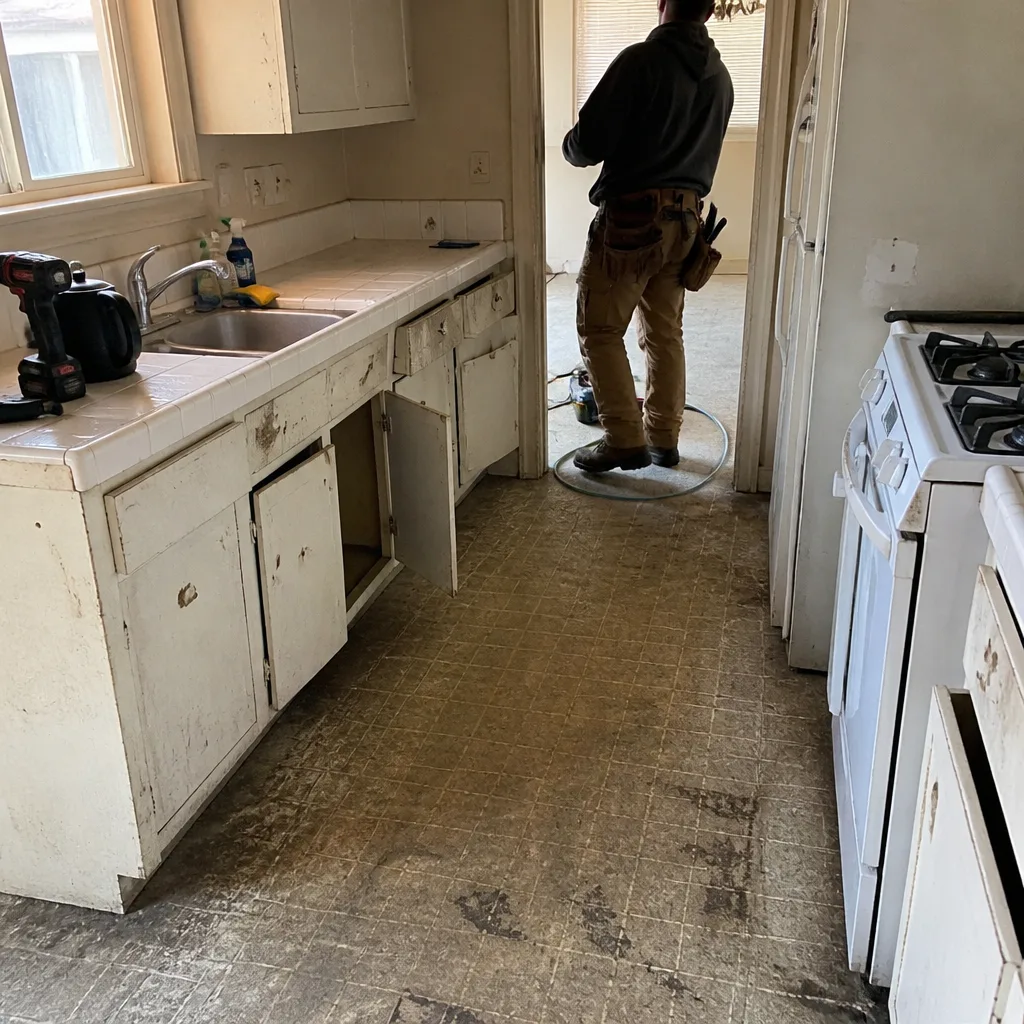
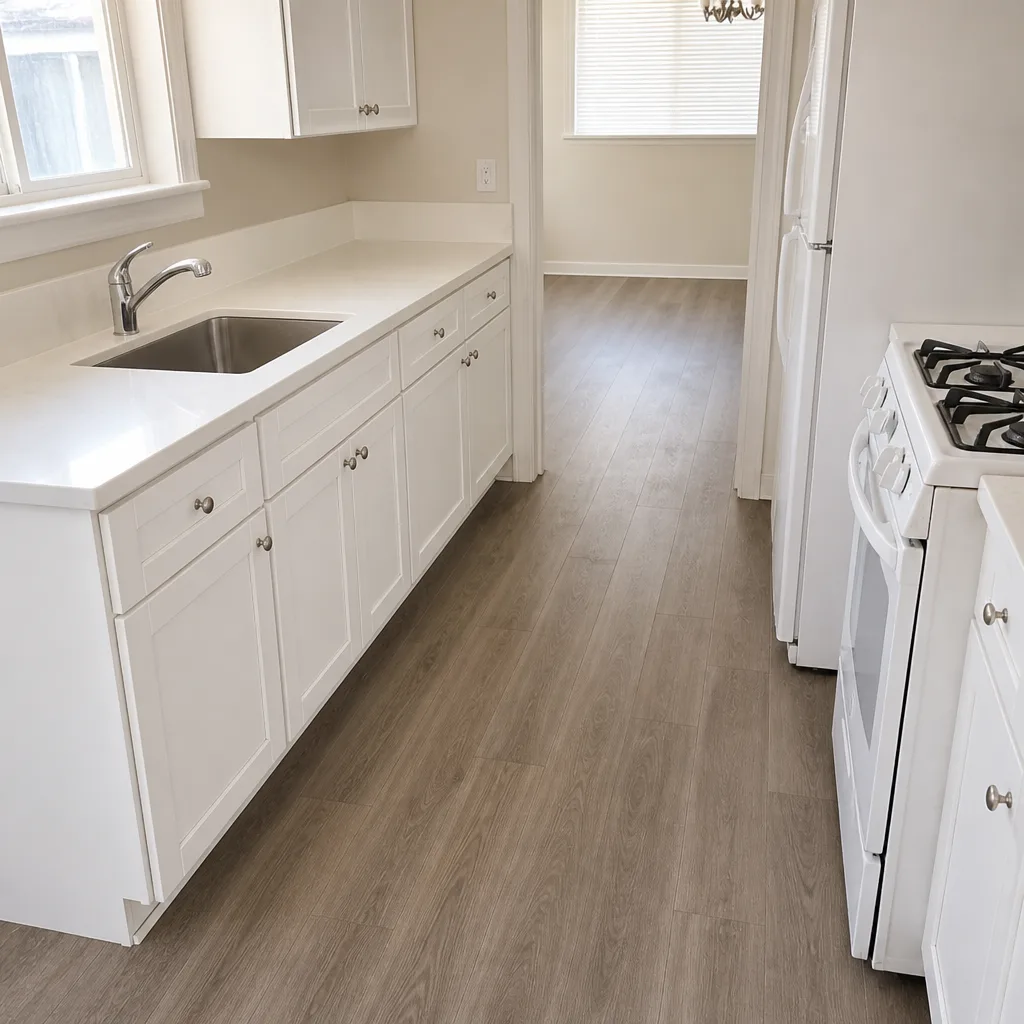
See the difference
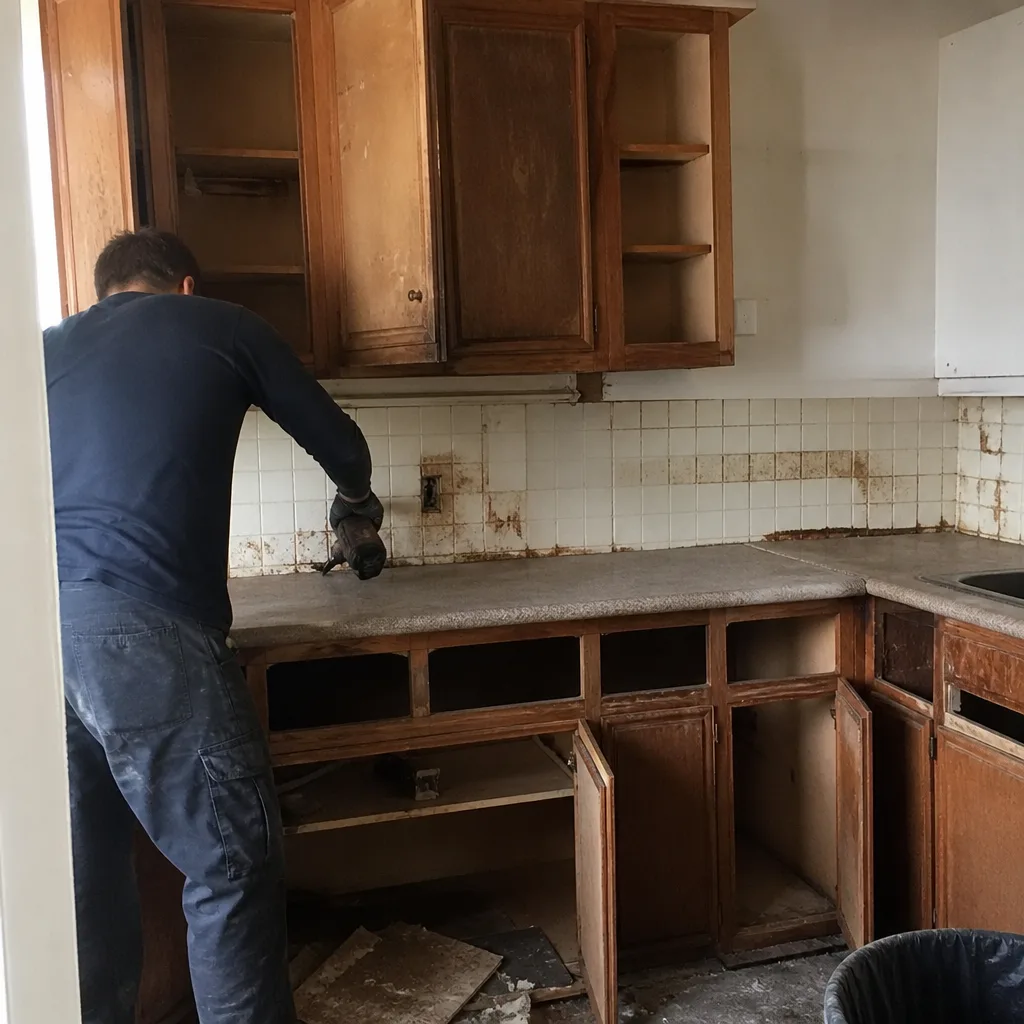 Before
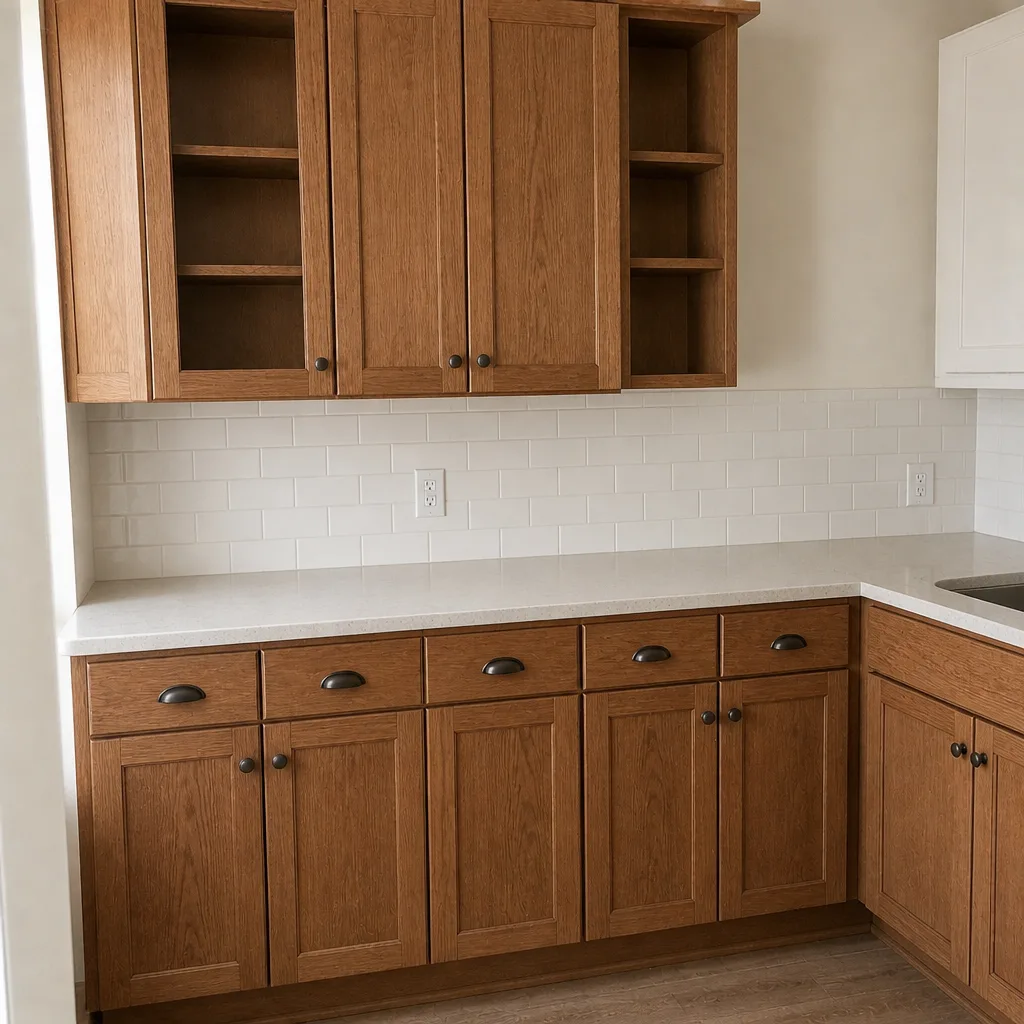 After
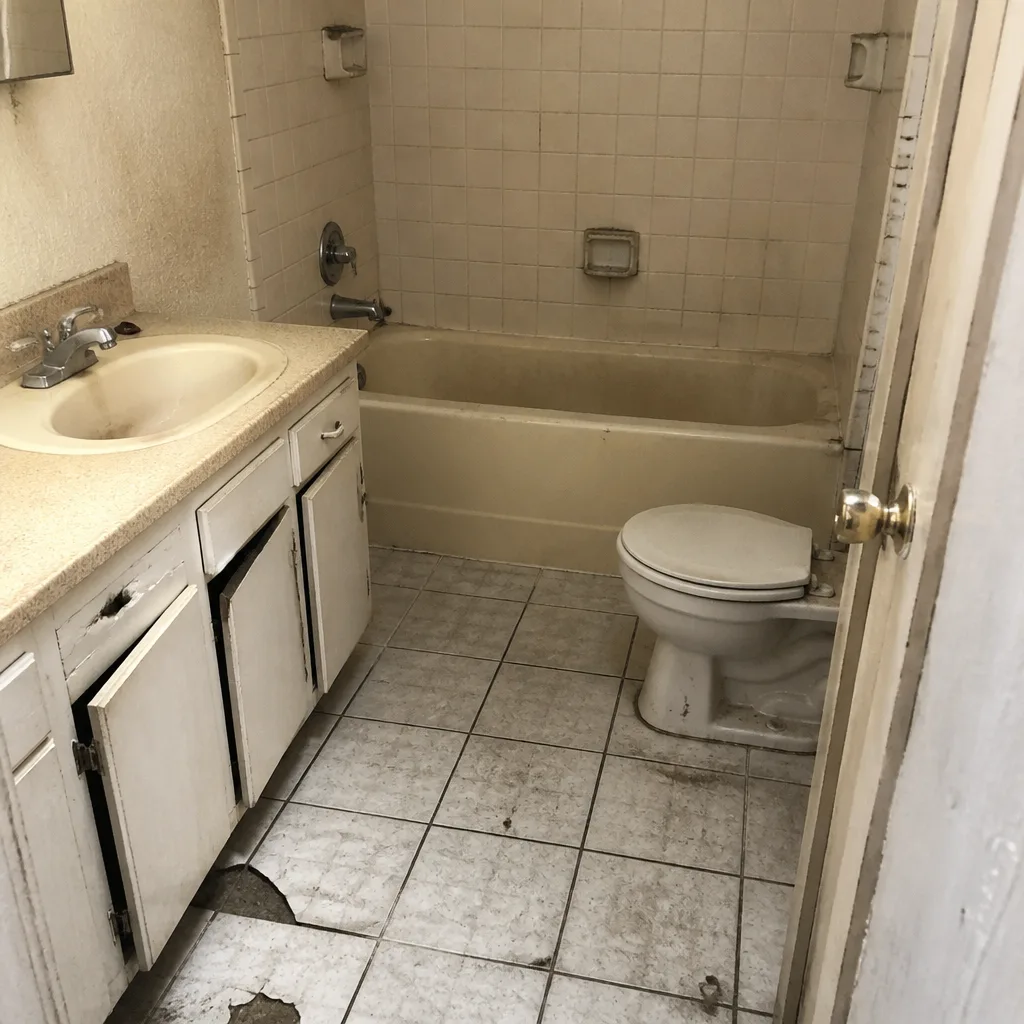 Before
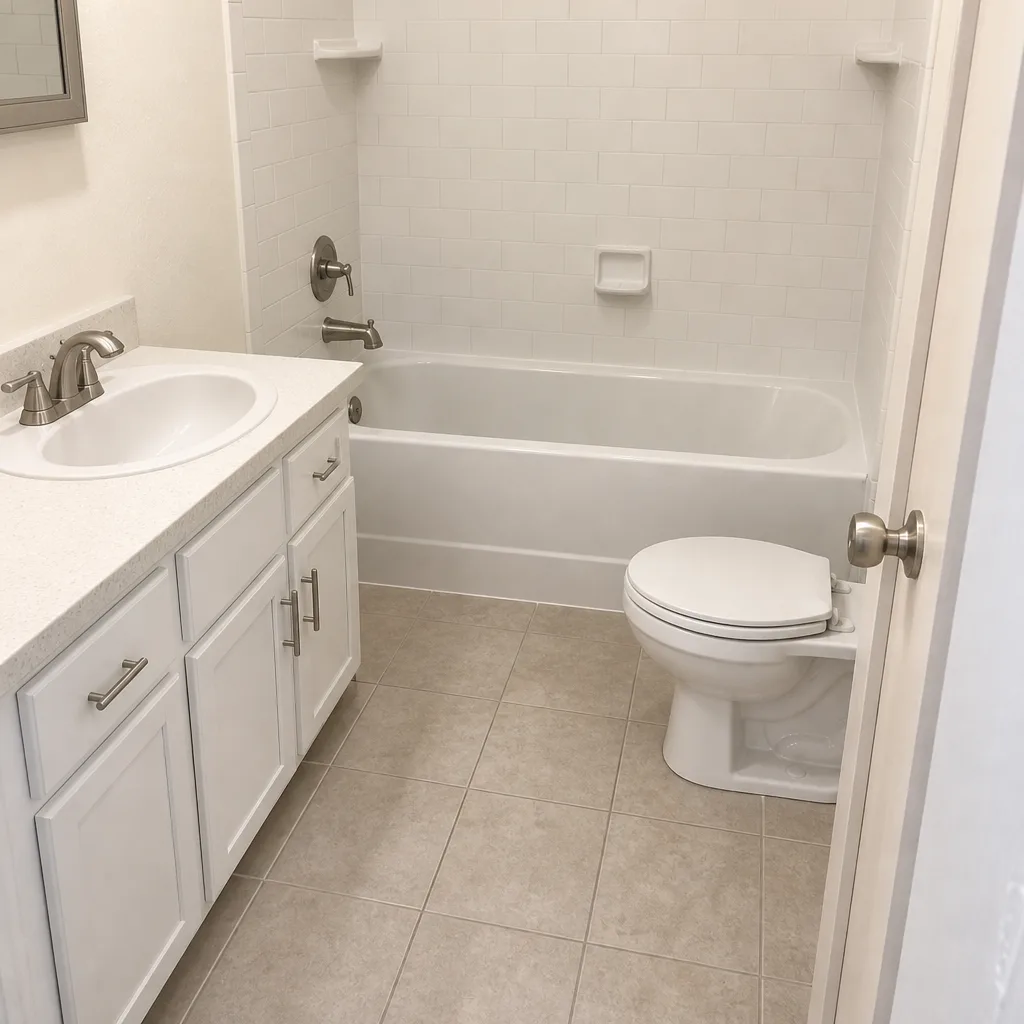 After
 Before
 After
When to Call a Professional
Bathroom remodeling is one of the few interior jobs where a piece of the work genuinely can’t be DIY’d safely. Moving a drain, adding an electrical circuit to a wet location, or opening up a shower pan to replace a rotted subfloor all require a licensed trade and a permit. If your plan includes any of those, or if you’ve discovered water damage behind a wall, call a pro. Old cast iron drains and aluminum wiring in some Lancaster-area homes are worth having a licensed plumber and electrician look at before the walls close. Our technicians have up to 28 years of experience in this work, and we pull permits and get inspections signed on every eligible job.
Barrett & Sons Construction Lancaster offers free estimates in Lancaster – call (888) 427-1810 to schedule yours.
Frequently Asked Questions
A full bathroom gut-and-rebuild in Lancaster typically takes 6 to 10 weeks from demolition to final inspection. Labor is only 10 to 14 of those days. The rest is permitting, material lead time, inspection windows, and drying and cure time between trades. Cosmetic refreshes run 2 to 3 weeks. Call (888) 427-1810 for a free estimate and a written schedule tailored to your project.
Not without a written change order signed before the work happens. We issue written change orders for every scope change, including the schedule impact. If a mid-job discovery like rotted subfloor or outdated plumbing turns up, you’ll see the added cost and time in writing before anyone touches it. Our 90-Day Done Right Promise backs the finished work afterward. Call (888) 427-1810 to talk through your project.
Yes. We pull permits and get inspections signed on every eligible job. In Lancaster, layout changes, plumbing and electrical work, and structural changes require a permit. A cosmetic swap typically doesn’t. We always file for a permit where one is required, because unpermitted plumbing shows up at resale and the buyer’s inspector will find the shortcut. Call (888) 427-1810 for a free estimate that includes permitting scope.
Plan for a displacement window of 6 to 8 weeks for a full build, up to 10 if selections are still open when demolition starts. Line up a shower alternative before demo day. A half-bath nearby extends how long you can stay in the house. We give you the honest calendar and work to hit it. Call (888) 427-1810 for a free estimate.
Material lead times ordered too late. Tile and vanity orders that get placed after demolition starts are the most common reason a schedule slips by weeks. Ordering tile and cabinetry as soon as selections are made is the single best decision a homeowner can make. We help coordinate those orders as part of the pre-construction plan. Call (888) 427-1810 for a free estimate and we’ll walk through your selections together.
Barrett & Sons Construction is owner-operated. Tom Barrett and his sons are on-site most days, not a franchise dispatching strangers to your door. There’s no call center – a live person answers the phone 24 hours a day. The 90-Day Done Right Promise is written on every remodeling contract: if something isn’t done right, one call brings Tom back. Call (888) 427-1810 for a free estimate.
The Bottom Line
The bathroom remodel that takes eight weeks isn’t eight weeks of hammering. It’s 10 to 14 working days of labor folded into a 6- to 10-week calendar, and the difference is schedule management – ordered materials, pulled permits, sequenced trades, and no waiting on a sub who’s on another job. The contractors who don’t tell you that are the ones whose jobs slip. Get the scope in writing, get the allowances in writing, and get the change orders in writing. That’s how the calendar stays honest. If you’re ready to plan a Lancaster bathroom remodel with a schedule you can actually hold, see what a name-on-the-truck, owner-operated crew looks like – start at the Barrett & Sons Construction Lancaster home page.
Call (888) 427-1810 to schedule your free estimate. Barrett & Sons Construction Lancaster pulls permits and gets inspections signed on every eligible job, works from written change orders, and backs completed work with the 90-Day Done Right Promise. Ask about the Free Second Opinion on Any Written Estimate and the permanent 10% Senior & Veteran discount.
Written by the team at Barrett & Sons Construction Lancaster.