
Last updated November 17, 2026
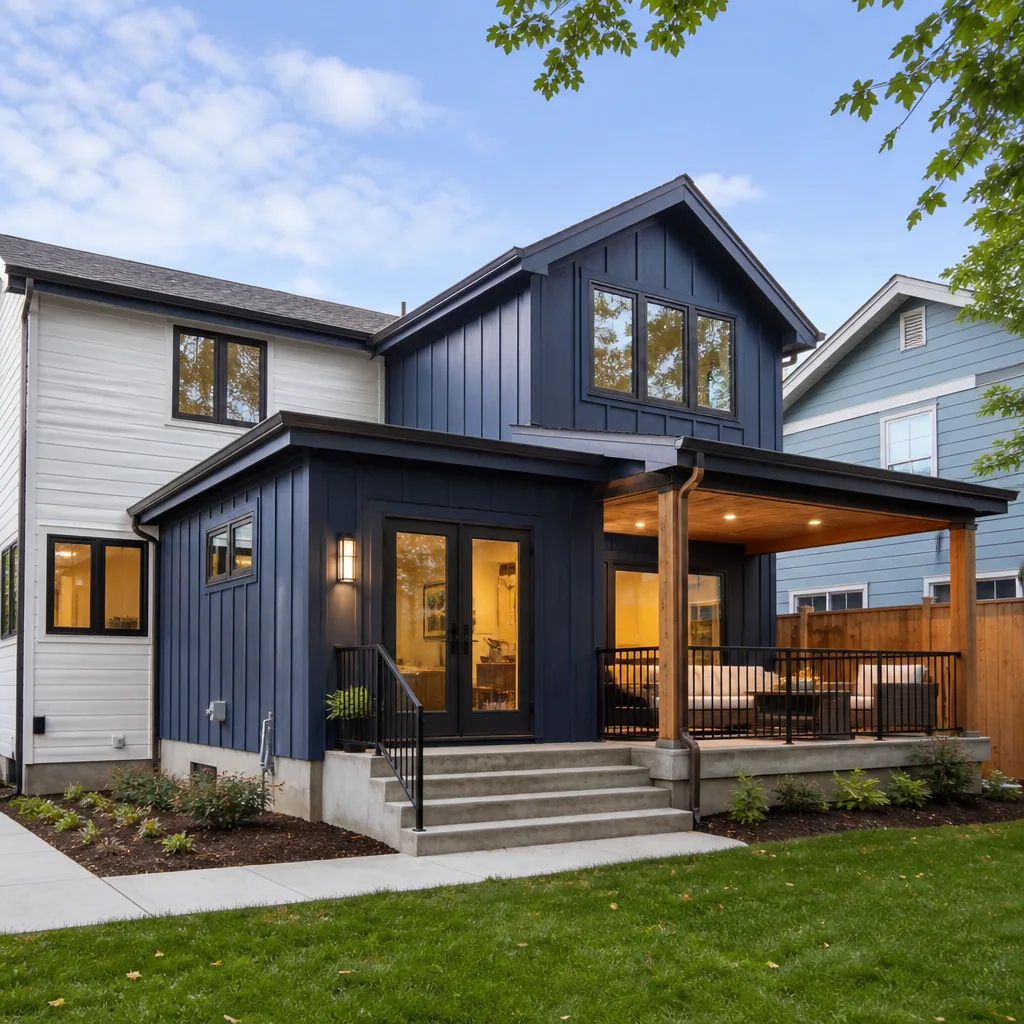 Home additions & ADU
 Kitchen remodeling
 Bathroom remodeling
 Roofing
 Windows & doors
 Driveway & pavers
 Fence
Free written scope consultation - allowances, timeline, and change-order rules on paper before a single trade is scheduled
Home Additions & ADU Warning Signs Every Homeowner Should Know
The contractor who wrecks an addition budget usually isn’t the guy in the beat-up truck with the lowest bid. In our experience across Lancaster and the surrounding high desert, it’s the smooth mid-range operator who talks a great game, wins the job on confidence, and then falls apart at the permit counter. The early warning signs are rarely about price. They’re about process. This guide walks through the specific behaviors that predict a troubled project, so you can spot them before you sign anything and before the first nail moves.
Quick Answer
The biggest warning signs of a bad home addition or ADU contractor are a scope that names square footage but never structural drawings, pressure to skip permits, payment schedules that front-load cash before milestones, no discussion of utility capacity, and vague change order language. Any one of these is a reason to slow down and ask harder questions before you sign.
If a contractor tells you they can “handle the permits” without walking you through which permits are required and what they cost, that’s not reassurance. It’s a gap in their process. And on a project this size, a gap in the process becomes a hole in your wallet.
Styles & brands we work with
- Kitchen remodeling
- Bathroom remodeling
- Home additions & ADU
- Roofing
- Windows & doors
- Driveway & pavers
- Fence
Table of Contents
- Contracts That Name Square Footage Without Structural Drawings
- Contractors Who Discourage Pulling Permits
- Payment Schedules That Front-Load Cash
- No Talk of Electrical, Water, or Sewer Capacity
- Vague Change Order Language
- Contractors Who Win on Confidence and Lose on Execution
- Common Mistakes to Avoid
- Frequently Asked Questions
Contracts That Name Square Footage Without Structural Drawings
A proposal that says “600 square foot addition” and nothing else isn’t a scope. It’s a guess dressed up as an estimate. Square footage tells you how much space you’re getting. It tells you nothing about how the thing stays standing, how loads transfer, or whether the ground underneath can carry it. Those answers live in structural drawings and engineering, and if they aren’t part of the conversation before you sign, the scope isn’t real yet.
What that means for you is simple: the price will change once the scope becomes real. Sometimes that change is honest, because the engineer finds something nobody could have known from the driveway. Often it isn’t honest at all. The contractor lowballed the number to win the job and is counting on the “we found a problem” conversation later, when you’re already committed and remobilizing would cost you another contractor search.
Here in Lancaster, this pops up constantly on lot splits and rear additions in neighborhoods like Quartz Hill and the older stretches of west Lancaster, where a lot of homes sit on slab-on-grade with tight setbacks. A real scope conversation there addresses foundation type, roof tie-in, and setback compliance before square footage gets a number.
What a proper proposal includes:
- Dimensional drawings, even rough ones, showing how the addition ties into the existing structure
- Engineering or a written plan for structural review, with a name attached
- Foundation type and site conditions spelled out
- A line-item breakdown of major trades, not one lump sum
- Permit responsibility named explicitly
Contractors Who Discourage Pulling Permits
This is the one that should end the conversation. When a contractor tells you permits are optional on an addition or an ADU, or that pulling them will “just slow things down,” they are describing a structure that will cause you problems for as long as it stands. In California, an unpermitted addition creates title problems when you sell, exposes the work to a potential demolition order from the city, and leaves the structure effectively uninsurable if something goes wrong. We’ve seen homeowners in Lancaster discover a previous owner’s unpermitted addition at closing, and the fix cost more than the addition did.
Permits matter for a second reason that people miss. The inspector works for you, not for the contractor. Every inspection is a third party confirming the framing, the electrical, the plumbing, and the final are what they’re supposed to be. A contractor who wants to skip that is asking you to trust them instead of a process built to check them.
The permit stage is also where a lot of mid-range contractors quietly fall apart. Pulling permits on an addition means plan review, corrections, engineering stamps, and a paper trail that follows the job. That takes real office capacity. A contractor who has no back office and no process will talk you out of permits because the permit stage is the stage they can’t manage. When you hire for an addition or ADU in Lancaster, ask to see the permit history of the last three jobs the contractor finished. A real contractor won’t flinch at that question.
Payment Schedules That Front-Load Cash
How a contractor wants to be paid tells you how they run their business. A legitimate addition contract ties payments to inspection sign-offs and completed milestones. A troubled one ties payments to the calendar, and asks for a big chunk up front to “lock in your spot.” Some of that varies by job, and materials deposits are normal, but the pattern matters more than any single line.
Ask what each draw is attached to. If the answer is a date, ask again. If the answer is still a date, walk.
What a milestone-based schedule looks like:
- A modest deposit when the contract is signed, with a written receipt
- A draw when permits are issued and demolition or site work starts
- A draw when the foundation inspection passes
- A draw when framing and rough-in inspections pass
- A draw when drywall and finishes are substantially complete
- Final payment held back until the final inspection passes and you have your signed-off permit in hand
When payments are tied to inspections, the contractor’s incentive lines up with yours. They get paid when the work passes a check, not when the calendar says so. That single structural choice prevents a huge share of the addition disasters we hear about around Lancaster.
No Talk of Electrical, Water, or Sewer Capacity
An ADU meant for occupancy is a second house. It needs its own load on the electrical panel, its own water supply, and its own path for waste. If your contractor never raises those questions before finalizing the scope, they’ve skipped the part that makes the structure usable. We’ve watched homeowners sign ADU contracts on lots in the Antelope Valley where the main panel was already near capacity, and the “surprise” electrical upgrade hit six weeks in.
Before you sign, get the contractor to walk through:
- Current electrical panel size and available service capacity, and whether an upgrade is likely
- Water service capacity and whether a new water line or meter work is needed
- Sewer or septic capacity, including setback rules and any perc or design review the county requires
- Utility trenching and who pays for it
- Gas service, if the ADU will use it
Some of these questions connect to the structural side, and some to the site. Either way, a contractor who has built ADUs in this climate and this county will raise them without being prompted. A contractor who can’t answer them is guessing, and the guess is going to get expensive.
Vague Change Order Language
California law requires written authorization for changes on home improvement contracts over $500. A contractor who hedges on that, or who says “we’ll just work it out as we go,” is telling you how the whole project will run. The change order isn’t paperwork. It’s the mechanism that keeps the final bill from surprising you.
When change order language is missing or vague, the surprise usually lands at the end. You get an invoice with line items you never agreed to, for work that was never named as extra, and the only leverage you have is a conversation. That conversation goes better when the change order was signed before the work started. Ask any contractor how they handle change orders and listen for two things: does the number get agreed in writing before the work happens, and does the written change order spell out both money and scope.
On the additions and ADUs our crews build around Lancaster, this usually comes up when an allowance runs short or a detail wasn’t on the drawing. An allowance that isn’t on paper is a surprise waiting for a date. We put scope and allowances in writing at the front, so a change order is a short written document, not a surprise invoice at the end. Whether you hire our team or another one, insist on the same.
Contractors Who Win on Confidence and Lose on Execution
The most dangerous contractor on the list isn’t the cheapest. It’s the mid-range one who nails the first meeting: tight handshake, good truck, a smooth explanation of the process. All of that is fine, except confidence is easy to fake and execution isn’t. The warning signs show up in what the confident contractor can’t answer.
Ask about the permit stage and watch the eyes. A confident faker will wave it off. A contractor with real process will tell you the plan review timeline, the corrections they expect, and who handles the submittal. Ask about the change order policy and listen for the same thing. Ask for the last three jobs and the permit numbers on them. Ask who covers engineering, and whether the engineer has worked on this type of lot in this part of the county.
In Lancaster, the high desert climate raises the stakes on the design side too. A north-facing addition in a hot, dry part of town needs different attention than one on a shaded slope. Priors on slab-on-grade foundations and wind exposure matter. A contractor who has actually built in this valley will talk about those details before you ask. A contractor who won’t probably comes from somewhere flat that doesn’t have our wind or our soil.
None of this is about distrusting a nice contractor. It’s about trusting a process. A written scope, permits pulled, milestone payments, and change orders in writing are the process, and they don’t depend on your contractor being a stand-up guy. They hold a stand-up guy accountable too.
Common Mistakes to Avoid
- Signing a scope that names square footage only. If the contract doesn’t reference structural drawings or engineering, the scope isn’t real. It’s a placeholder, and the real number arrives after you’ve signed.
- Letting a contractor talk you out of permits. In California this creates title problems, potential demolition orders, and uninsurable structures. It’s not a shortcut, it’s a liability you inherit.
- Paying on the calendar instead of inspections. Draws tied to dates rather than inspection sign-offs put your money at risk before work is verified. Tie the money to milestones you can see.
- Forgiving a missing electrical or utility conversation. On an ADU meant for occupancy, the panel, water, and sewer capacity have to be addressed before the scope is final. Skipping it costs you later.
- Accepting a vague change order policy. The written authorization requirement on California home improvement work is your protection. Don’t surrender it because a contractor is in a hurry.
- Comparing bids by number only. A bid missing permits, engineering, and allowance detail isn’t cheaper. It’s incomplete, and the missing pieces become change orders.
- Forgetting to ask about manufacturer and materials. Named brands you can look up, like Andersen windows or Marvin, tell you what you’re buying. Mystery materials from an unlabeled van don’t.
See the difference
 Before
 After
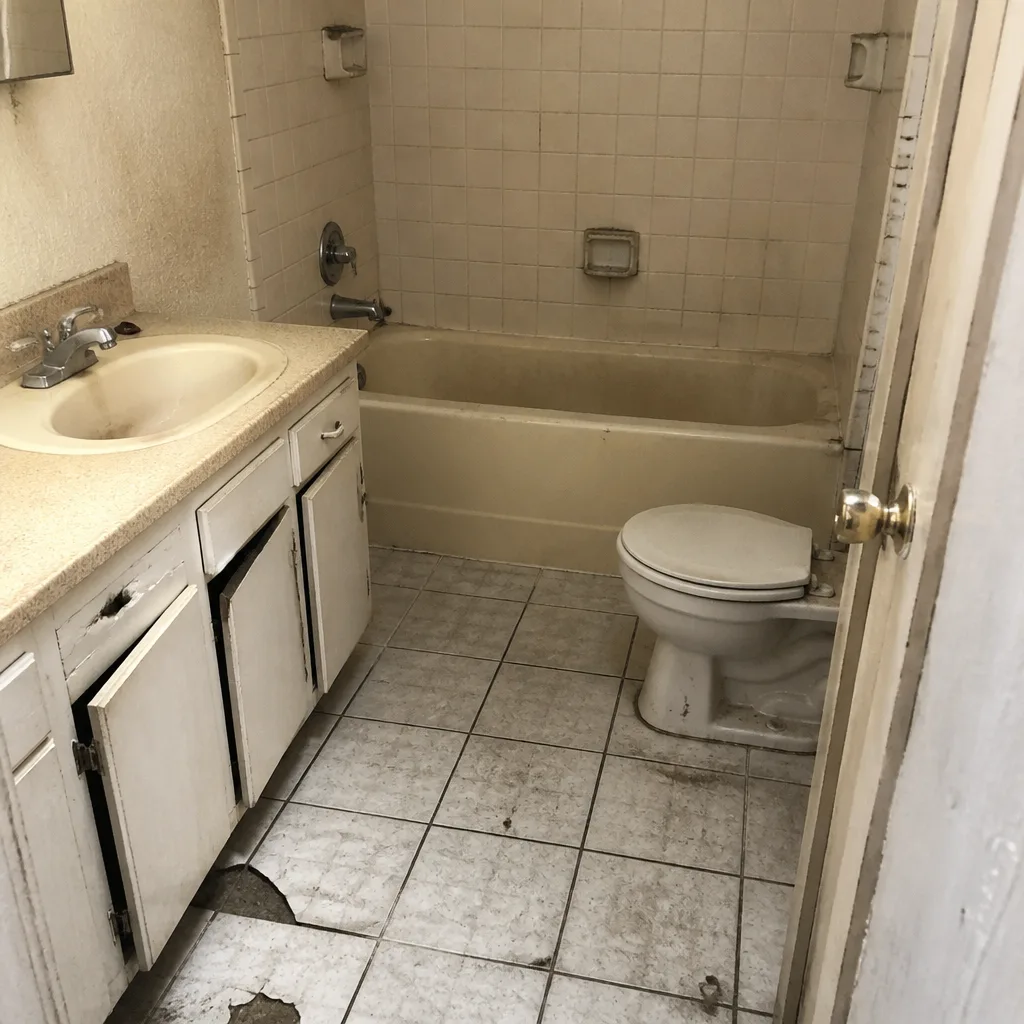 Before
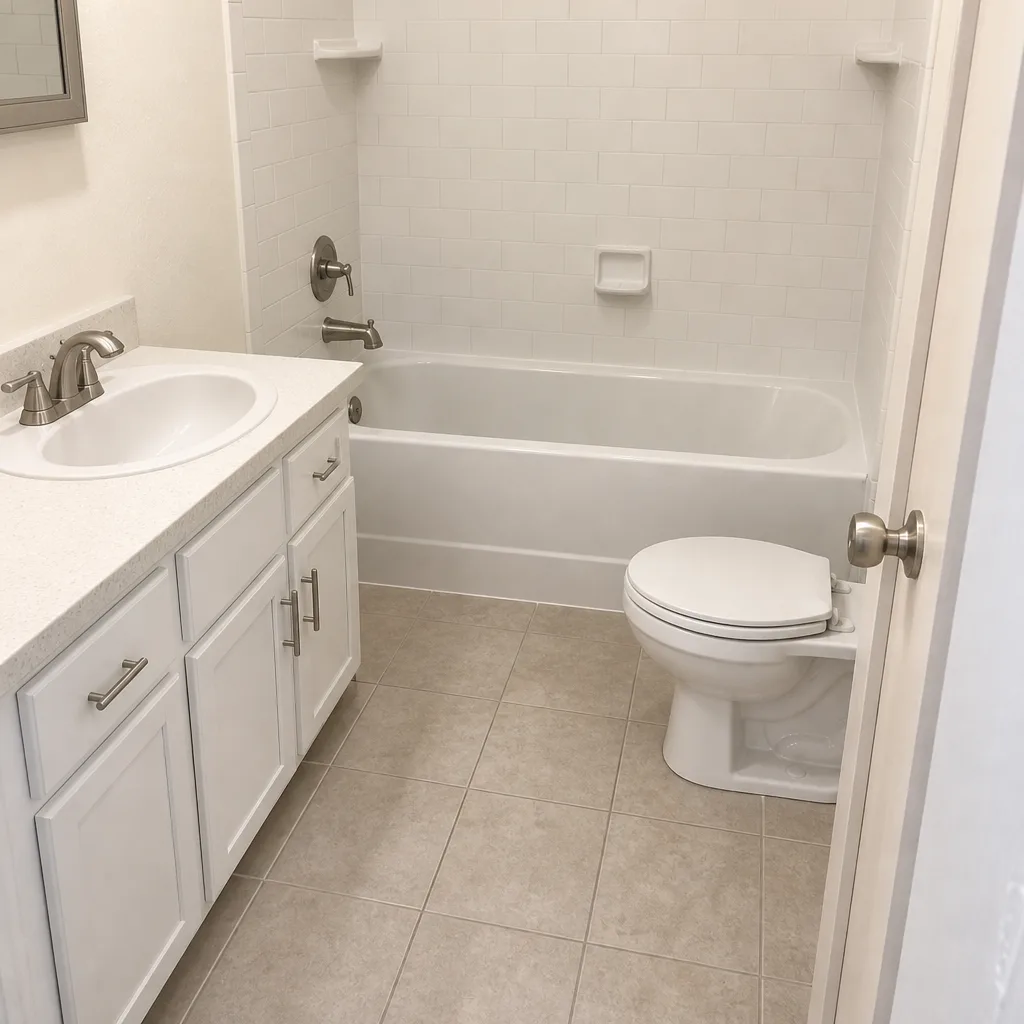 After
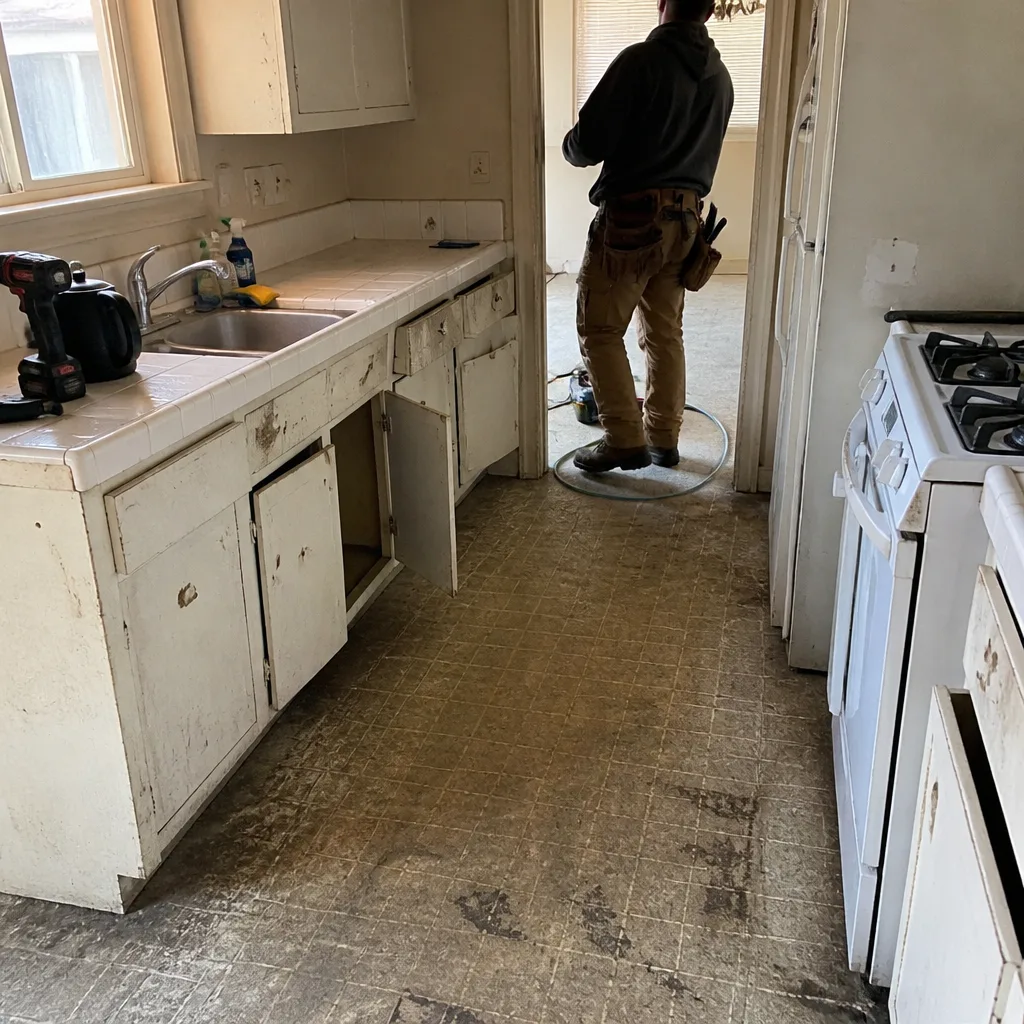 Before
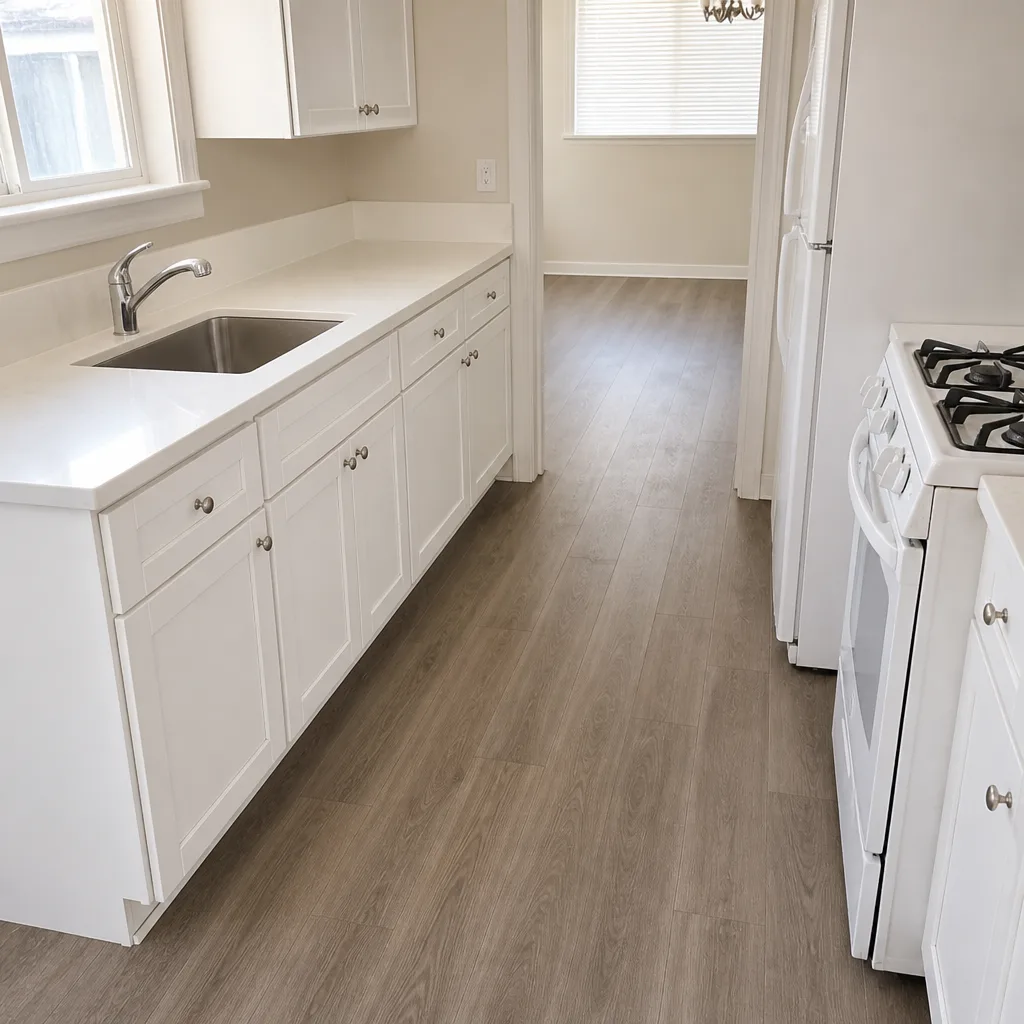 After
When to Call a Professional
If any of the warning signs above showed up in a proposal you’re holding, it’s worth a second set of eyes before you sign anything. That’s especially true if you’re planning an addition or ADU in Lancaster and you’re not sure whether the scope, the permits, or the change order language is what it should be. Getting a free second opinion on a written estimate costs you nothing and can save you the entire budget. When you’re ready to compare, call (888) 427-1810 and we’ll walk through the scope with you. If you’d rather see how we approach the work before you call, our Home Additions & ADU in Lancaster service page lays out permits, milestones, and written change orders in detail. A real contractor will welcome the second opinion.
Frequently Asked Questions
A home addition in Lancaster typically lands somewhere in the wide range you’d expect for a permitted build, and the honest answer is that no single number lives on a page. Square footage is only one input. Foundation type, tie-in to the existing roof, utility work, and which finishes you choose move the number a lot. If you want a real number, get a written scope with line items and then a quote against that scope. Call (888) 427-1810 for a free estimate in Lancaster; we put everything in writing.
The biggest red flags are pressure to skip permits, a scope that names square footage without structural drawings, payment schedules tied to dates rather than inspections, no discussion of electrical and utility capacity, and vague change order language. Any one of these is a reason to slow down. Two or more together means you should be looking at other contractors. Call (888) 427-1810 and we’ll look at any estimate you’re holding with you.
No. Skipping permits on an ADU in California creates title problems when you sell, exposes the work to a potential demolition order, and leaves the structure effectively uninsurable. The permit stage is also where the inspector checks the work on your behalf. Any contractor who suggests skipping it is telling you they can’t manage the permit stage. Call (888) 427-1810 if you want to talk through the permit process for your ADU.
An addition or ADU in Lancaster usually takes months, not weeks, and the permit stage is a big part of that. Plan review, engineering corrections, and inspections all take time, and work that skips those steps is work you don’t want on your property. A realistic timeline from a contractor who has built here will name the permit stage and the milestones. Call (888) 427-1810 for a timeline based on your actual scope.
Most homeowners stay in the house during an addition. Detached ADU construction rarely affects daily life the way an attached addition can. The disruption goes up when the addition opens the kitchen or a shared wall, and a good contractor will sequence that phase so you keep a working kitchen and a working bathroom most of the time. Call (888) 427-1810 and we’ll map out the phasing before you commit.
Before you sign, the contract should have a written scope with structural drawings or engineering, a clear statement of who pulls the permits, a payment schedule tied to inspections, a written allowance schedule, and change order language that puts every scope change in writing before work happens. If any of those are missing, ask for them. Call (888) 427-1810 and we’ll send you a checklist for what a Lancaster addition contract should look like.
The Bottom Line
The contractor who wrecks an addition or ADU budget isn’t always the cheapest bid. It’s the one who wins on confidence and loses on execution at the permit stage. Watch for a scope that names square footage but never structural drawings, pressure to skip permits, payments tied to the calendar, no utility capacity conversation, and vague change order language. Each of these is a built-in risk you don’t have to take. A written scope, permits pulled, milestone payments, and written change orders are the process that protects you, and it shouldn’t depend on a handshake alone. If you’re planning an addition or ADU in Lancaster and want a written scope you can compare against, we’re glad to help.
Call (888) 427-1810 for a free estimate in Lancaster. Whether you’re planning an addition, a detached ADU, or work that touches the same lot and utilities, we’ll walk through the scope, the permits, and the milestones with you in plain language. If your project includes driveway, paver, or fence work around the new structure, you can see how we approach those trades on our Driveway & Pavers in Lancaster and Fence Installation in Lancaster pages. And if you’re new to us, you can read about the company and its values on the Barrett & Sons Construction Lancaster home page before you call. We answer the phone with a real person, day or night, and we’ll put everything in writing before a single nail moves.
Written by the team at Barrett & Sons Construction Lancaster.