
Last updated November 17, 2026
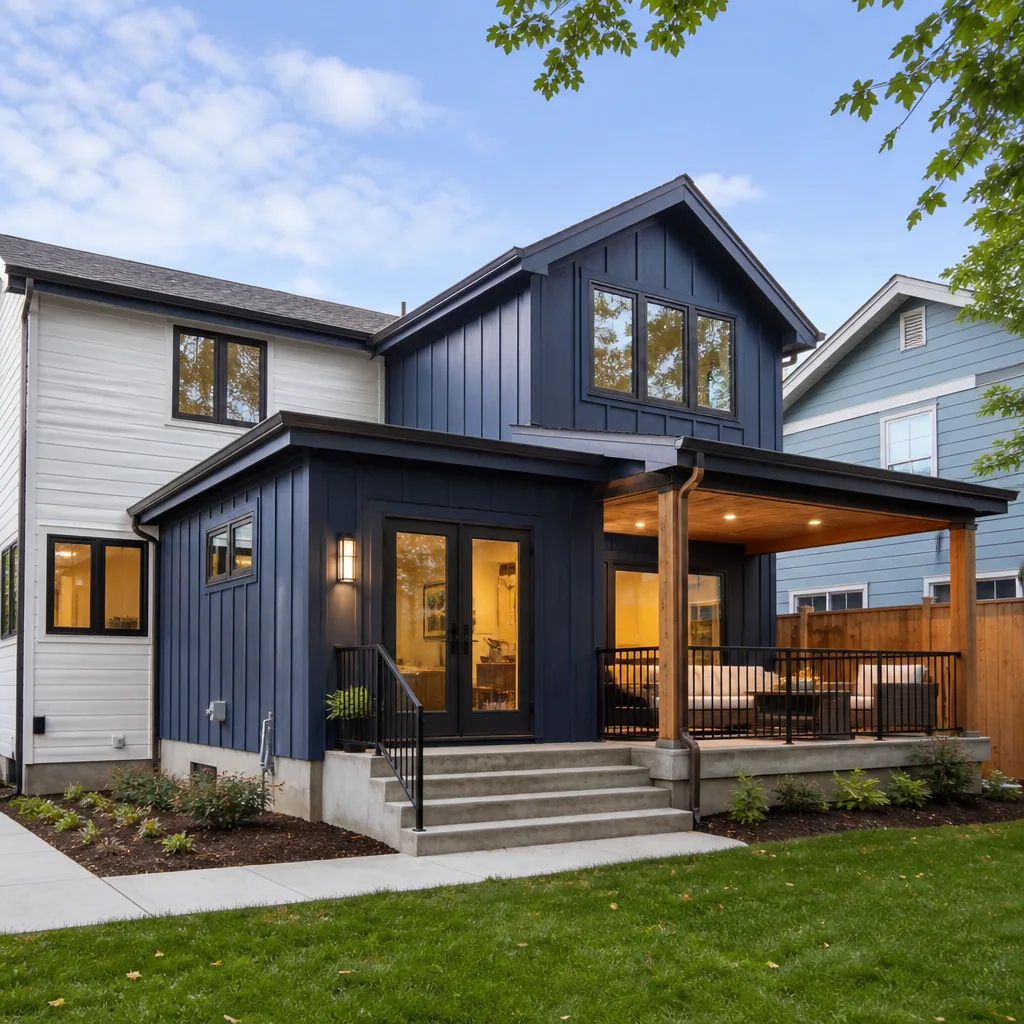 Home additions & ADU
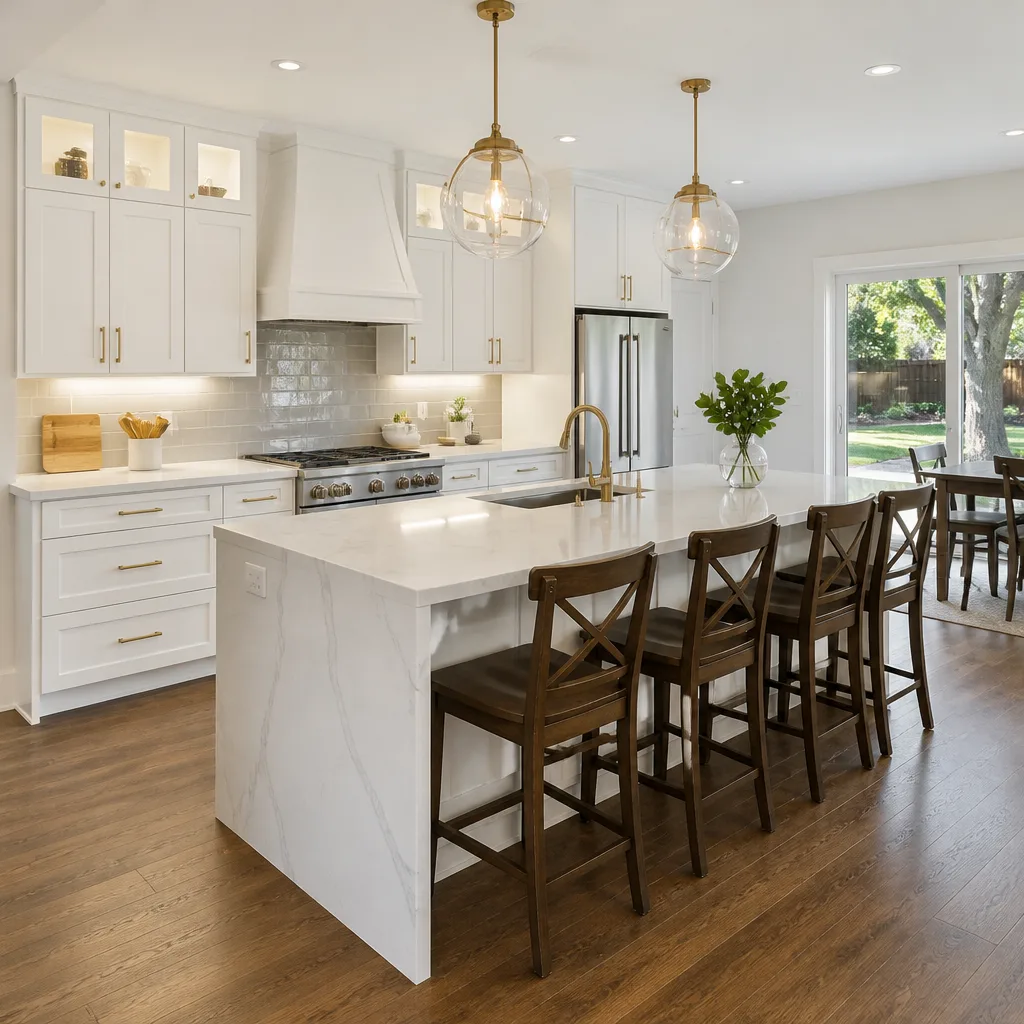 Kitchen remodeling
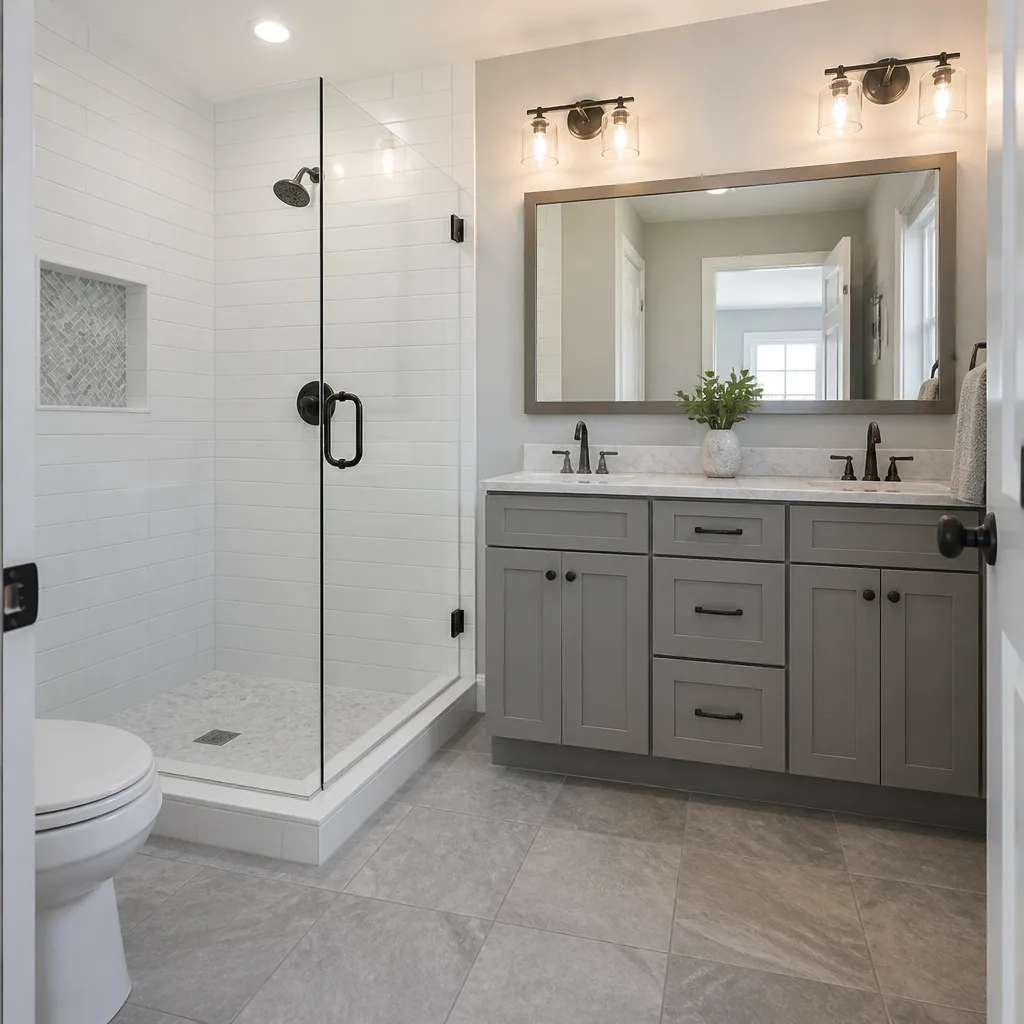 Bathroom remodeling
 Roofing
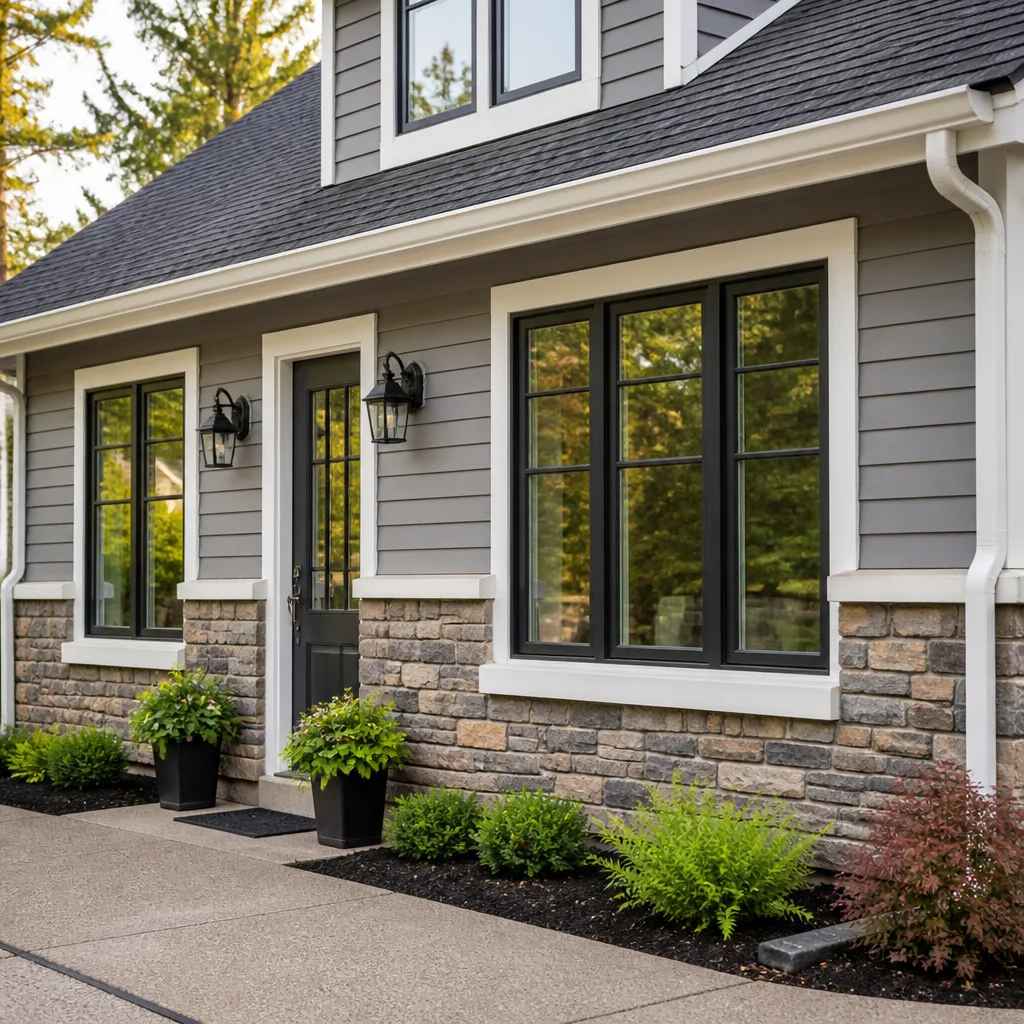 Windows & doors
 Driveway & pavers
 Fence
Free written scope consultation - allowances, timeline, and change-order rules on paper before a single trade is scheduled
The Complete Fence Installation Guide for Lancaster Homeowners
Lancaster regularly sees wind gusts over 50 mph. A fence built to typical residential specs – posts at 8-foot spacing in 24-inch holes – can rack and lean within two years. The Antelope Valley has its own rules, and they aren’t posted anywhere obvious. We’ve watched good fences fail here not because the material was cheap, but because the build was designed for a milder climate. This guide covers what actually matters on a Lancaster property: wind load, soil depth, HOA compliance, permits, materials that survive UV and sand, and the neighbor conversations most people dread. You’ll finish knowing what to ask before the first post goes in.
Quick Answer
Fence installation in Lancaster typically costs between $32 and $68 per linear foot installed, with the range driven by material and wind-rated post engineering. Expect a wood privacy fence at the low end, vinyl in the middle, and block or wrought iron at the top. The biggest local cost factor isn’t the material – it’s the footings, which must run deeper and use more concrete here than in coastal California. A 150-foot yard in Lancaster commonly lands between $5,000 and $9,500.
Styles & brands we work with
- Kitchen remodeling
- Bathroom remodeling
- Home additions & ADU
- Roofing
- Windows & doors
- Driveway & pavers
- Fence
Table of Contents
- Why Antelope Valley Wind Changes How a Fence Is Built
- Lancaster Setback, HOA, and Permit Rules You Need to Know
- Which Fence Materials Hold Up in Lancaster Conditions
- What Fence Installation Costs in Lancaster
- The Installation Process, Step by Step
- Property Lines, Neighbors, and Cost-Sharing Before the First Post
- What Permit-Pulling Should Look Like and the Red Flags
Why Antelope Valley Wind Changes How a Fence Is Built
Most fence guides are written by people who’ve never seen the Antelope Valley in spring. Here, the wind doesn’t just push a fence – it picks at it for hours, loading every panel like a sail. A wind gust hitting a 6-foot solid privacy fence delivers several hundred pounds of lateral force per panel. If the posts are undersized or the concrete footing is shallow, the fence doesn’t just sway. It racks, leans, and eventually splits at the rail connection.
The fix is engineering, not thicker material. In our experience across Lancaster, three build details separate fences that last from fences that fail:
- Post depth. A 24-inch hole is typical residential spec. In Lancaster soil – where caliche and sandy loam can both appear on the same lot – we set posts 30 to 36 inches deep, and deeper on exposed west-facing runs.
- Post spacing. Standard spacing is 8 feet on center. On windy lots, dropping to 6 feet changes how the fence handles a gust and is worth the added cost.
- Concrete volume. A 4-inch post in a 10-inch hole set 30 inches deep pulls roughly two 60-pound bags of concrete per post. That’s more than a coast-spec job.
Wind also has a directional pattern here. Gusts tend to come from the west and northwest, so a west-facing run usually needs the heavier build. A north-facing fence on a sheltered lot can often use standard specs. This is the kind of detail a Lancaster contractor reads from the site. A crew from the coast won’t have that instinct.
One more thing – the wind carries sand. Abrasion wears on any fence, particularly on the windward side where grit strikes the surface at speed. Wood gets its finish sanded off. Vinyl gets a dull, scratched face. It’s one reason paint and stain schedules on Lancaster fences run shorter than you’d expect.
Lancaster Setback, HOA, and Permit Rules You Need to Know
Before any post goes in the ground, you need to know three things: what your city allows, what your HOA requires, and whether the permit office wants to see the plan. Most contractors skip this conversation. We don’t.
Setbacks. Lancaster generally requires fences to sit on or inside the property line, but a corner lot changes the rules. On a corner, the sight triangle at the intersection has limits – usually 20 to 25 feet – where the fence has to stay below a height the city sets. That rule exists so drivers can see around the corner. If your yard sits at the intersection of a Lancaster street, this determines your fence height.
Height limits. Residential backyards in Lancaster generally allow up to 6 feet without a special review. Front yards are usually lower – often 3 to 4 feet – and a fence at the front property line may need to be behind a setback line. Corner lots meet the sight triangle rule here too.
HOAs. If your Lancaster property sits inside a development with a homeowners association, the HOA governs on top of the city. Most HOA fence rules cover:
- Approved materials (block and wrought iron often preferred over wood)
- Maximum height (frequently 5 feet to keep sightlines open)
- Color restrictions and design style
- How far back the fence must sit from the street-facing facade
- Setback from the property line, sometimes tighter than the city’s
Permits. A permit is usually required for a new fence over a certain height, and almost always required for block or masonry walls of any real length. The permit isn’t just paperwork – it triggers an inspection that checks footing depth and post specs. That inspection is to the homeowner’s benefit.
If you’re planning a larger property improvement that includes fencing along with hardscape, that’s usually the right moment to plan both together. Our Driveway & Pavers in Lancaster work often runs alongside fence projects so grading and footings share one plan.
Which Fence Materials Hold Up in Lancaster Conditions
Lancaster’s climate punishes materials in specific ways. Summer highs commonly cross 100°F, winter nights drop below freezing, UV is intense year-round, and the wind grinds sand into every surface. Here’s how the main options compare.
Wood (Cedar or Pressure-Treated Pine)
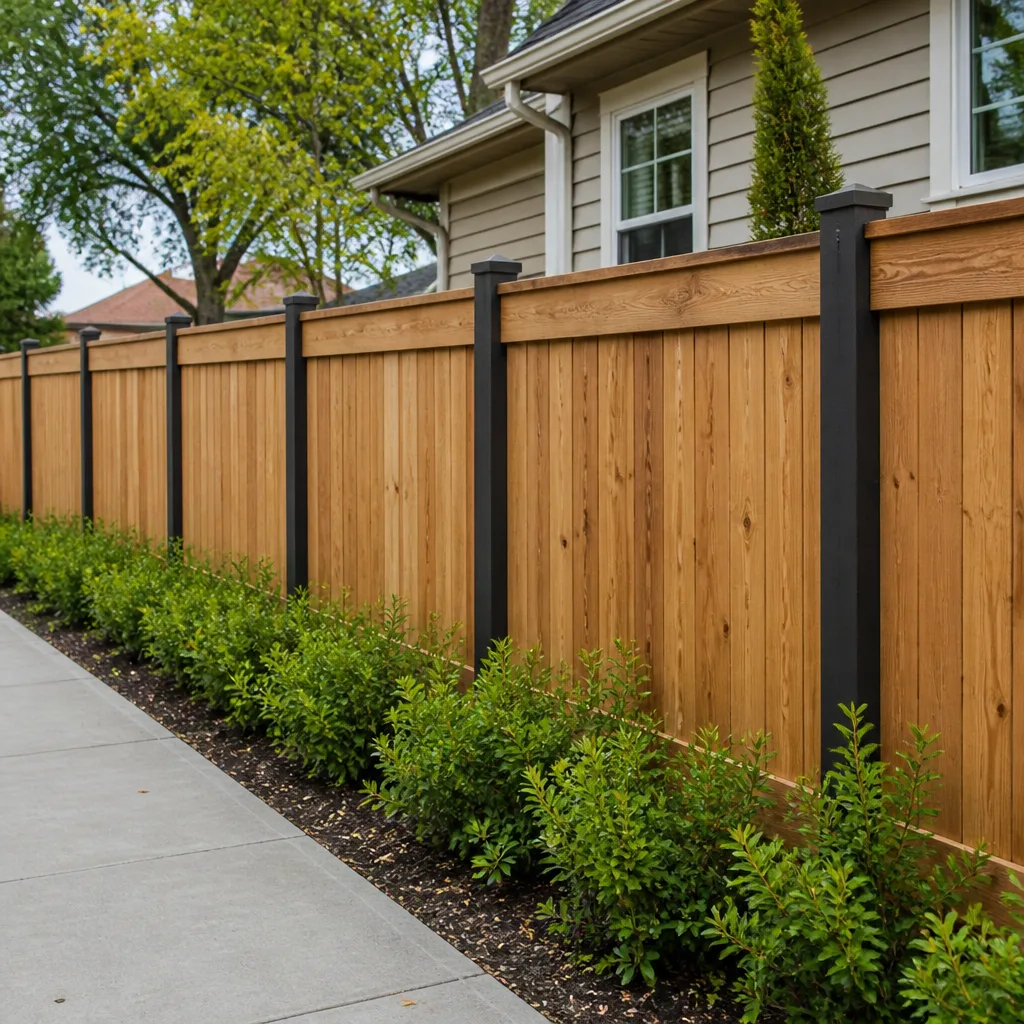
Wood remains the most requested fence in Lancaster – familiar, repairable, and neighbor-friendly. Cedar handles UV better than pine and holds stain longer. Expect to restain or reseal every 2 to 3 years here instead of the 5 years a coastal homeowner gets. Budget $32 to $48 per linear foot installed.
Vinyl
Vinyl is low maintenance, but the Lancaster sun tests it. Cheaper vinyl chalks and yellows within five years, and the wind cycling at the posts can crack brittle panels at the rail. A quality vinyl with UV stabilizers lasts much longer. Budget $42 to $60 per linear foot installed.
Masonry Block
Block is the fence that survives a Lancaster gust without argument. It’s also the most expensive upfront and requires proper engineering for height and footing. Many older homes around the Antelope Valley already have a block wall, and extending it is often the cleanest approach for wind-heavy lots. Budget $55 to $95 per linear foot installed.
Wrought Iron
Wrought iron cuts wind load because it lets air through, so it doesn’t sail in the way a solid panel does. It’s a favorite on corner lots and along HOA-controlled entryways where height limits apply but security matters. Budget $45 to $80 per linear foot installed.
Whichever material you choose, the brand your contractor installs matters. We work with established manufacturers like Boral and CGI for block and gate components because those names are verifiable and their specs can be looked up. A mystery brand from an unmarked van is a different story.
If you also need pavers or a driveway refresh alongside the fence line, it pays to plan the sequence together. Our guide on Barrett & Sons Construction Lancaster home lays out how we handle multi-trade projects without the scheduling chaos.
What Fence Installation Costs in Lancaster
Fence pricing in Lancaster is driven more by footings than by the fence itself. A 150-foot yard here costs more than the same yard in a milder climate because every post runs deeper, uses more concrete, and may need bracing on a windy lot. Here’s a realistic line-item range for a residential project.
| Line Item | Typical Range (Installed) |
|---|---|
| Wood privacy fence, up to 6 ft | $32 – $48 per linear foot |
| Vinyl privacy fence, up to 6 ft | $42 – $60 per linear foot |
| Wrought iron fence | $45 – $80 per linear foot |
| Block wall, 6 ft | $55 – $95 per linear foot |
| Post footing (30 – 36 in deep, wind-rated) | $45 – $90 each |
| Gate installation, single drive gate | $350 – $1,100 |
| Removal of old fence | $4 – $9 per linear foot |
| Permit and inspection fees | $150 – $500, depending on scope |
For a typical 150-foot backyard fence in wood, expect to land between $5,000 and $9,500 once footings, permitting, and cleanup are included. A block fence on the same yard runs higher. These are ranges, not a quote. Every yard has its own access issues – tight side yards, slope, rock – that move the number in one direction or the other.
One more cost fact most guides leave out: in Lancaster, schedule the fence and the pavers separately in writing even if the same crew does both. Our driveways and hardscape work follow the same rule about written change orders for exactly this reason. If a scope change happens mid-job, it doesn’t get done until it’s on paper.
The Installation Process, Step by Step
Here’s what a well-run Lancaster fence installation looks like from first call to final inspection.
- Site walk and property line check. We pull the plat map to confirm the property line, look at drainage, and identify any HOA restrictions that apply.
- Material and wind-load decision. We pick the material, set post spacing (6 or 8 feet) and footing depth based on the lot’s exposure.
- Permit application. We file the permit with the city or county, submit the plan, and wait for approval before any digging begins.
- Utility locate. Every trenching or digging project needs the utility locate first. Digging into a gas line is a life-safety event, not an inconvenience, and it’s a hard stop.
- Post setting. Holes are dug to depth, posts set, and concrete poured. If the fence touches gas or electrical runs, a licensed trade handles that, not us.
- Panel and rail installation. Fence panels go up, gates are hung, and hardware is set.
- Final inspection. The city inspector checks the post depth and structure. We pass it or we fix it – and we don’t sign off until it’s signed off.
Most residential fence jobs in Lancaster run 2 to 4 days of on-site work, plus the permit wait. Block walls run longer. The permit timeline is why we tell homeowners to schedule at least 3 to 4 weeks ahead of when they want the fence up.
Property Lines, Neighbors, and Cost-Sharing Before the First Post
The most common fence dispute in Lancaster isn’t about the fence. It’s about whose yard the fence sits on and who paid for it. Before any post goes in the ground, get clear on three things.
- Where the line actually is. Your plat map or a survey shows it. If the map is unclear, a survey is cheap insurance compared to tearing out a fence that crossed the line by a foot.
- Whether the fence goes on the line or inside your yard. A fence on the line is shared property. A fence inside your line is yours, and you choose the material.
- Cost-sharing. There’s no legal requirement in Lancaster for a neighbor to split a fence cost, but most neighbors do when the conversation starts early and the plan is in writing. Put the split in writing before work begins.
We’ve seen a good fence relationship blow up over a boundary question that a 20-minute conversation would have solved. Have the conversation early. Bring the plat map. Agree on the split in writing. Then build.
What Permit-Pulling Should Look Like and the Red Flags
Permits are the single fastest way to tell whether a contractor is running a clean operation or hoping nobody asks. The permit inspector works for you, not for the contractor, and the inspection is the reason a hidden footer problem gets caught before the fence is finished.
Here’s what a proper permit process looks like on a Lancaster fence job:
- The contractor tells you upfront whether the project needs a permit and why
- They file it in your name and share the permit number with you
- The inspection is scheduled and the contractor is on-site for it
- Any inspection correction is handled before final payment
The red flags are equally clear. If a contractor says “we don’t need a permit for that” without looking it up, ask them to show you. If they suggest the homeowner pull the permit themselves to avoid the hassle, that’s a sign they’re not planning to be on-site for the inspection. If they suggest skipping the inspection altogether, walk away. That contractor is telling you they’d rather save a step than make sure your footings are actually deep enough for an Antelope Valley gust.
Barrett & Sons pulls permits and passes inspections on every eligible job, and if that’s not how your last contractor operated, this is the conversation to have before you sign with the next one. Our Fence Installation in Lancaster page walks through how we handle permits and change orders, and the same approach applies to bigger projects like a Home Additions & ADU in Lancaster.
Common Mistakes to Avoid
- Using a coastline spec on a Lancaster lot. An 8-foot post spacing in a 24-inch hole is going to fail inside two years on an exposed lot. Ask about post spacing and footing depth before you ask about price.
- Skipping the utility locate. Digging into a gas or water line is a serious safety event. No fence is worth it. A reputable contractor calls in the locate on every job.
- Assuming the HOA approved it because the city did. A Lancaster fence that passes city review can still fail HOA approval and have to come out. Both approvals happen before digging.
- Building on an unconfirmed property line. A fence on the wrong side of the line by a foot has to be torn out at your cost. Buy the survey or pull the plat map first.
- Hiring the crew that skipped the permit conversation. If they don’t want to talk about permits, they’re telling you something about how they’d handle a phone call after the fence starts leaning.
- Choosing vinyl on the cheapest tier. Thin vinyl in Lancaster’s UV and sand abrasion load yellows and scratches within five years. Spend the extra on a UV-stabilized product.
- Leaving change orders unwritten. If the scope changes mid-job (rock in the hole, unexpected slope), it goes in writing before the extra work happens. Verbal change orders are where surprise invoices come from.
See the difference
 Before
 After
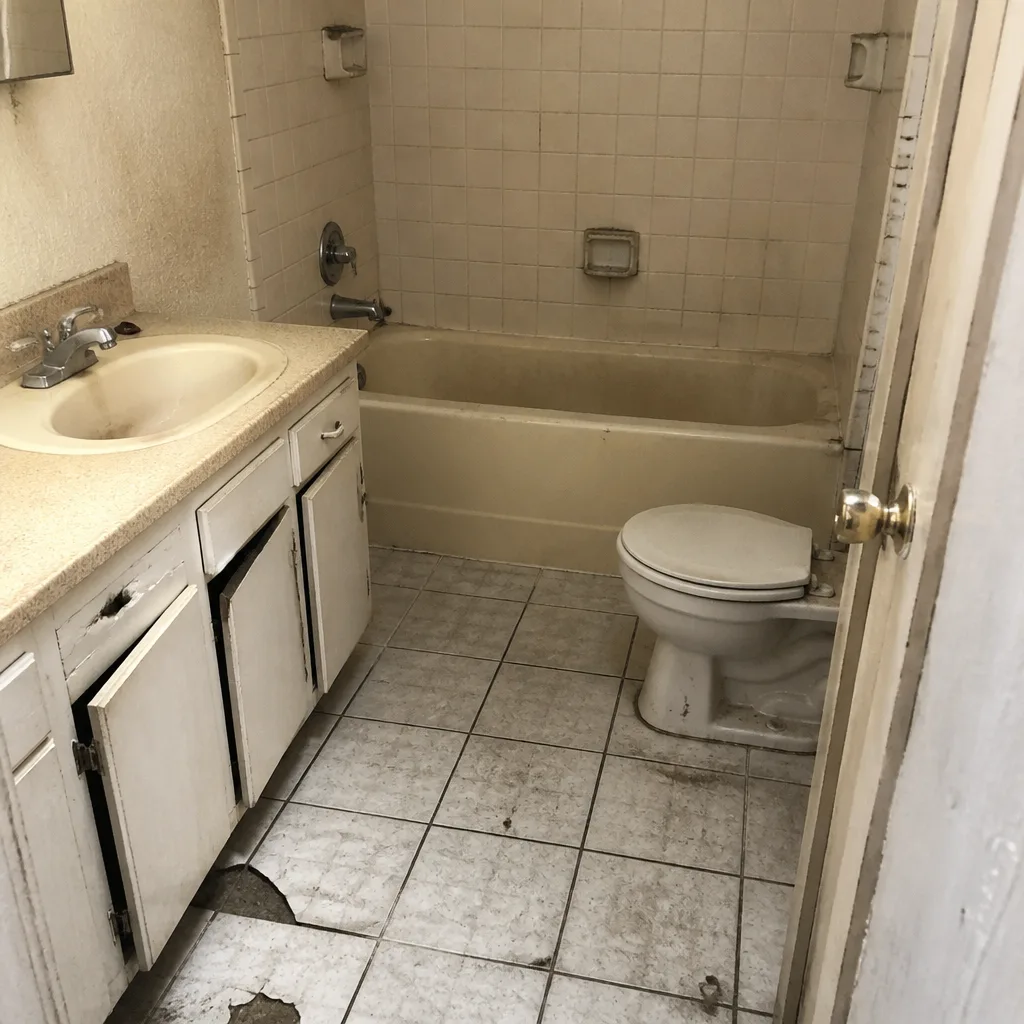 Before
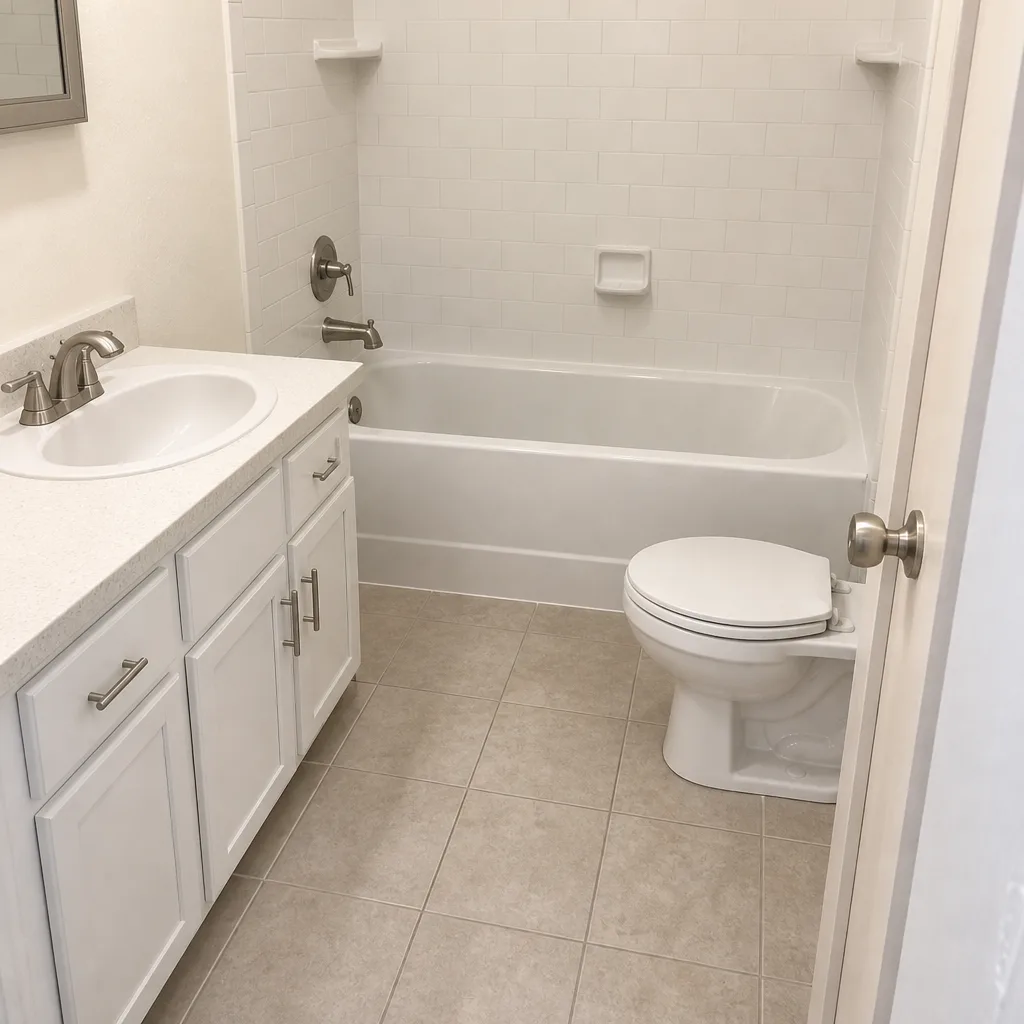 After
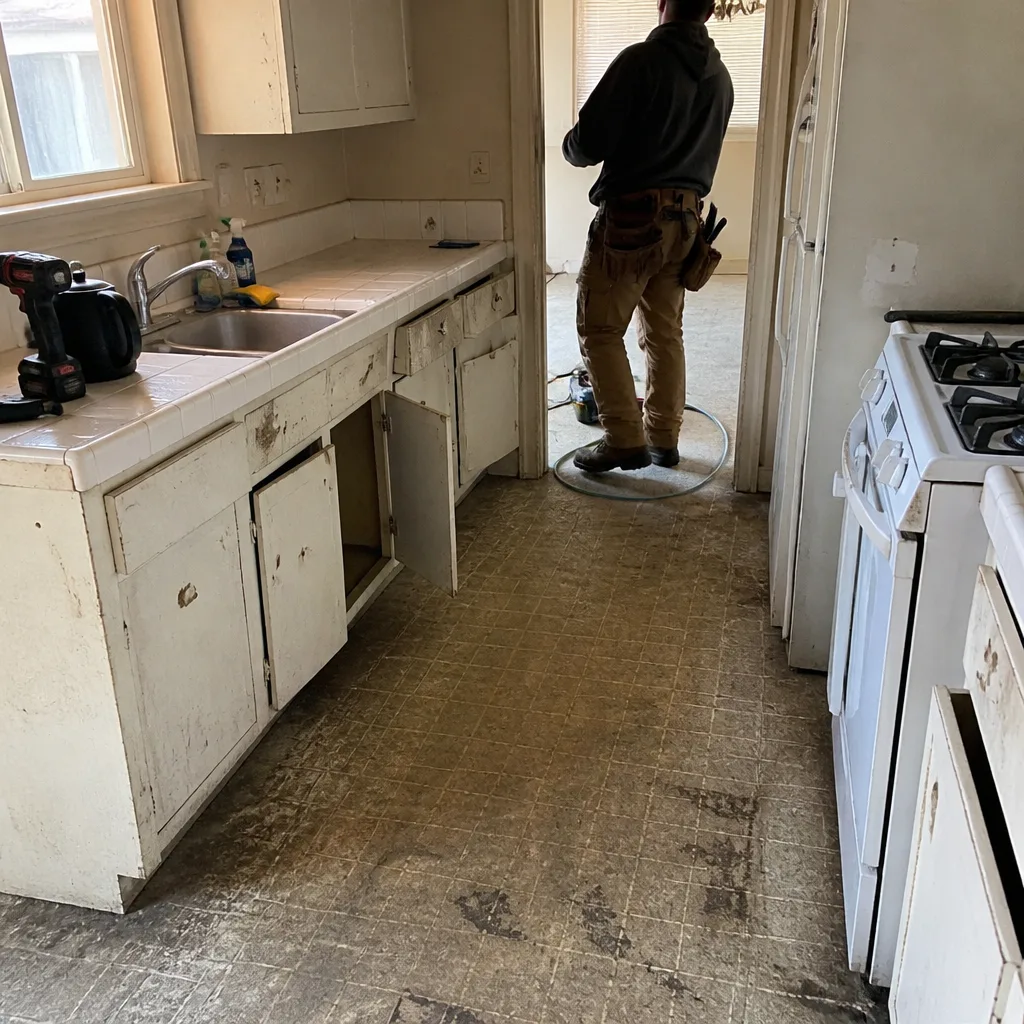 Before
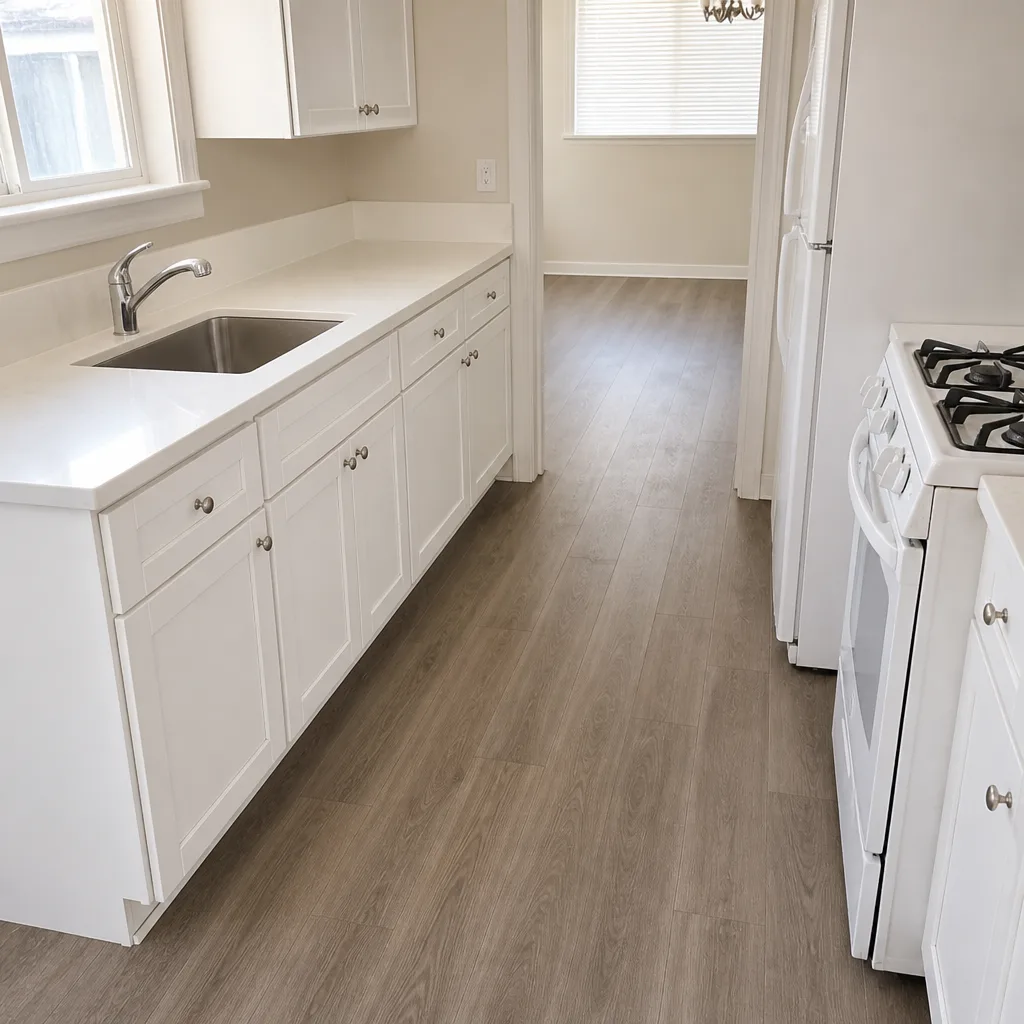 After
When to Call a Professional
Most homeowners in Lancaster can handle a small decorative fence or a repair. But certain fence jobs need a licensed contractor – and some need a written permit plan.
Call a professional when:
- The fence is over 6 feet, or it’s block or masonry of any real length
- The job involves digging near gas, electrical, or water service
- You’re on a windy ridge or an exposed west-facing lot
- Your HOA requires approval or material restrictions
- A property line question is unresolved
- The existing fence is failing at the posts (a sign the footings weren’t built for Lancaster wind)
Barrett & Sons Construction Lancaster offers free estimates in Lancaster. Call (888) 427-1810 to schedule a site walk. We pull the permitting, show you the wind-rated spec, and the price change – if there is one – arrives in writing before any work proceeds. Our crew members are background-checked, and our team brings up to 28 years of experience on jobs like this.
Frequently Asked Questions
Fence installation in Lancaster runs $32 to $68 per linear foot installed depending on material, with wood at the low end and block or wrought iron at the top. A 150-foot yard typically lands between $5,000 and $9,500 once footings, permitting, and cleanup are included. Call (888) 427-1810 for an exact quote – estimates are free.
A permit is usually required for new fences over 6 feet and almost always required for block or masonry walls of any real length. Corner lots and front-yard fences often face height or sight-triangle review. Your contractor should confirm this in writing before any digging begins. Call (888) 427-1810 if you’re not sure whether your project needs one – we’ll look it up.
Post holes in Lancaster should be 30 to 36 inches deep, not the 24 inches a milder climate typically uses. Antelope Valley wind gusts over 50 mph put lateral load on every panel, and a shallow footing won’t hold over the long haul. A permit inspector will check the depth on any permitted job.
Block and wrought iron handle Lancaster wind and sun better than wood or vinyl. Wrought iron lets air pass through, so it takes less wind load. Block is heavier and more expensive but needs almost no maintenance. Wood and vinyl both work fine when the post spacing and footings are built for the local wind exposure.
On our jobs, every price change arrives as a written change order before the work happens. Common surprises in Lancaster – rock in the hole, unexpected slope, a corner-lot sight triangle – are exactly why we walk the site before writing the estimate. If scope changes, you approve it in writing. If it doesn’t, the number on the estimate is the number on the invoice.
On-site work runs 2 to 4 days for a typical residential wood or vinyl fence, plus the permit wait and utility locate. Block walls run longer. We recommend scheduling 3 to 4 weeks before the target install date. A written schedule and permit number are part of every job plan.
The Bottom Line
Lancaster fences aren’t built to the same spec as fences in San Diego or Sacramento. Wind load, footing depth, and sun exposure decide how long a fence lasts, and the good contractor handles those decisions before the first post is set. Get the property line confirmed. Get the HOA and city approvals in writing. Choose a material for Lancaster conditions, not for a climate that doesn’t exist here. And if the contractor who shows up dodges the permit question, walk. Barrett & Sons Construction Lancaster publishes its license number and stands behind every job with a 90-Day Done Right Promise.
Ready to price your fence? Call (888) 427-1810 to schedule a free estimate. We answer the phone with a live person, we show up when we say we will, and every scope, allowance and change order comes to you in writing – no surprise invoices, no mystery brands, no skipped inspections.
Written by the team at Barrett & Sons Construction Lancaster.