
Last updated November 17, 2026
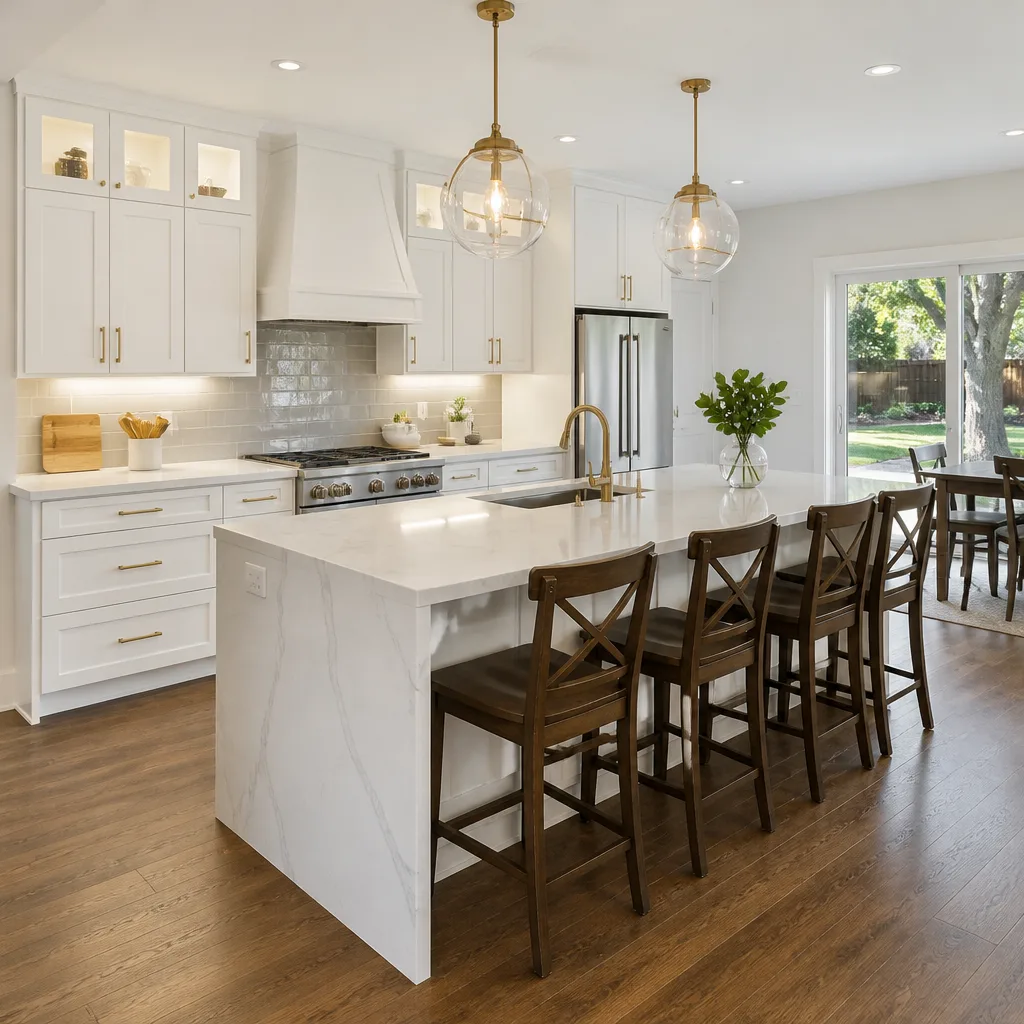 Kitchen remodeling
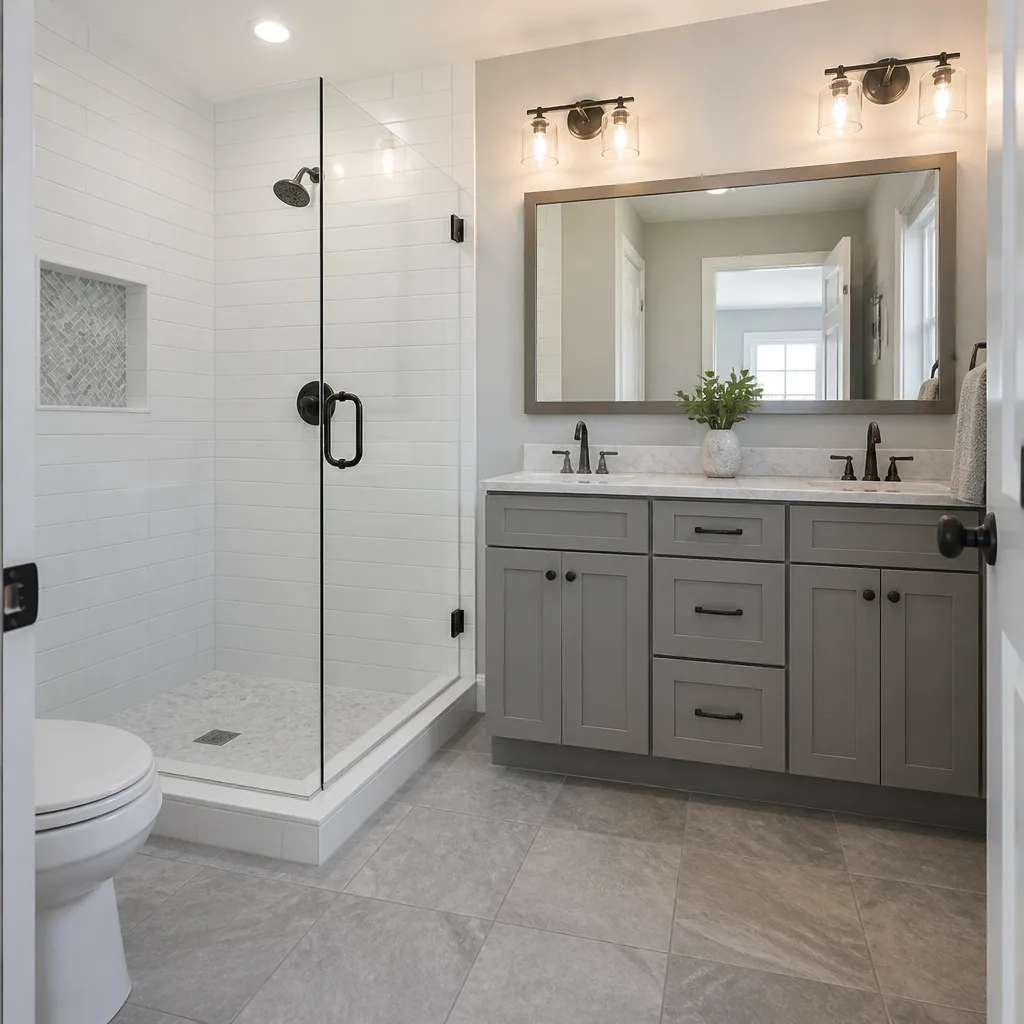 Bathroom remodeling
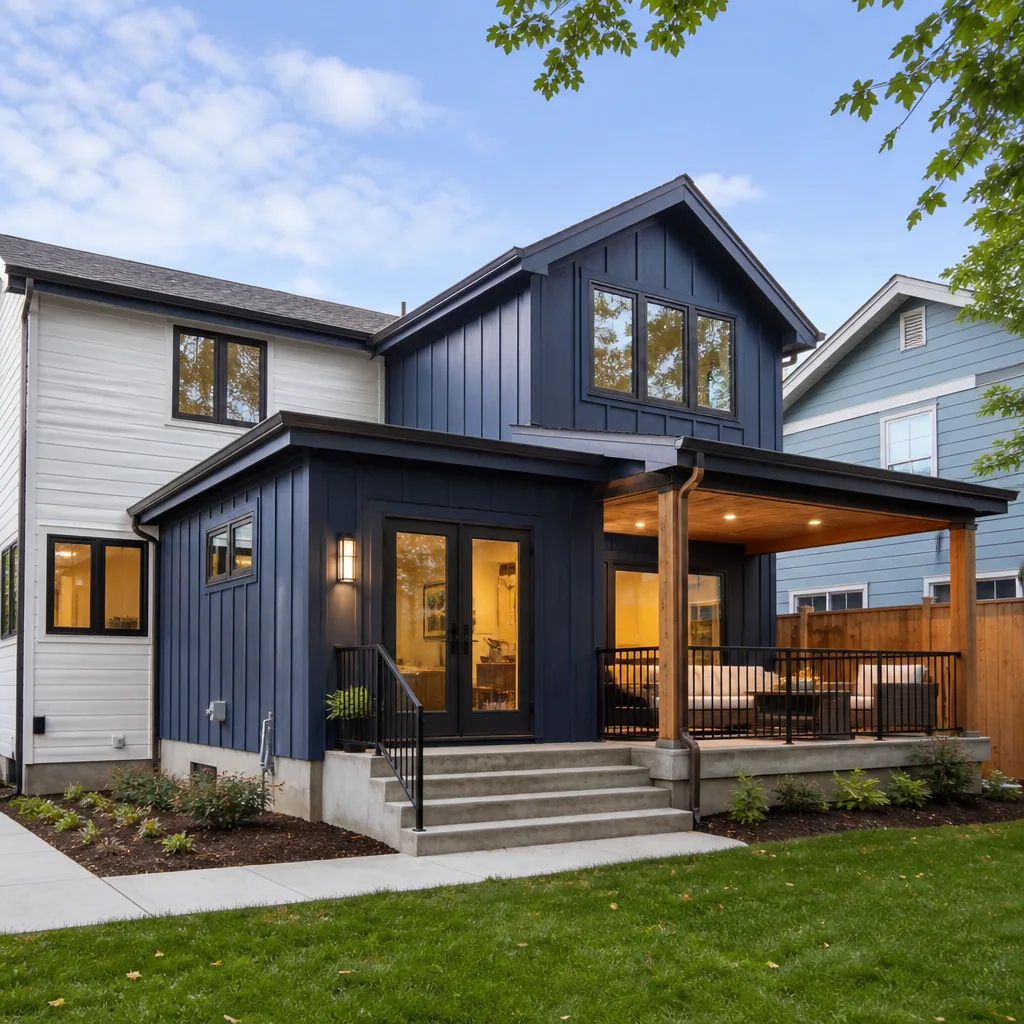 Home additions & ADU
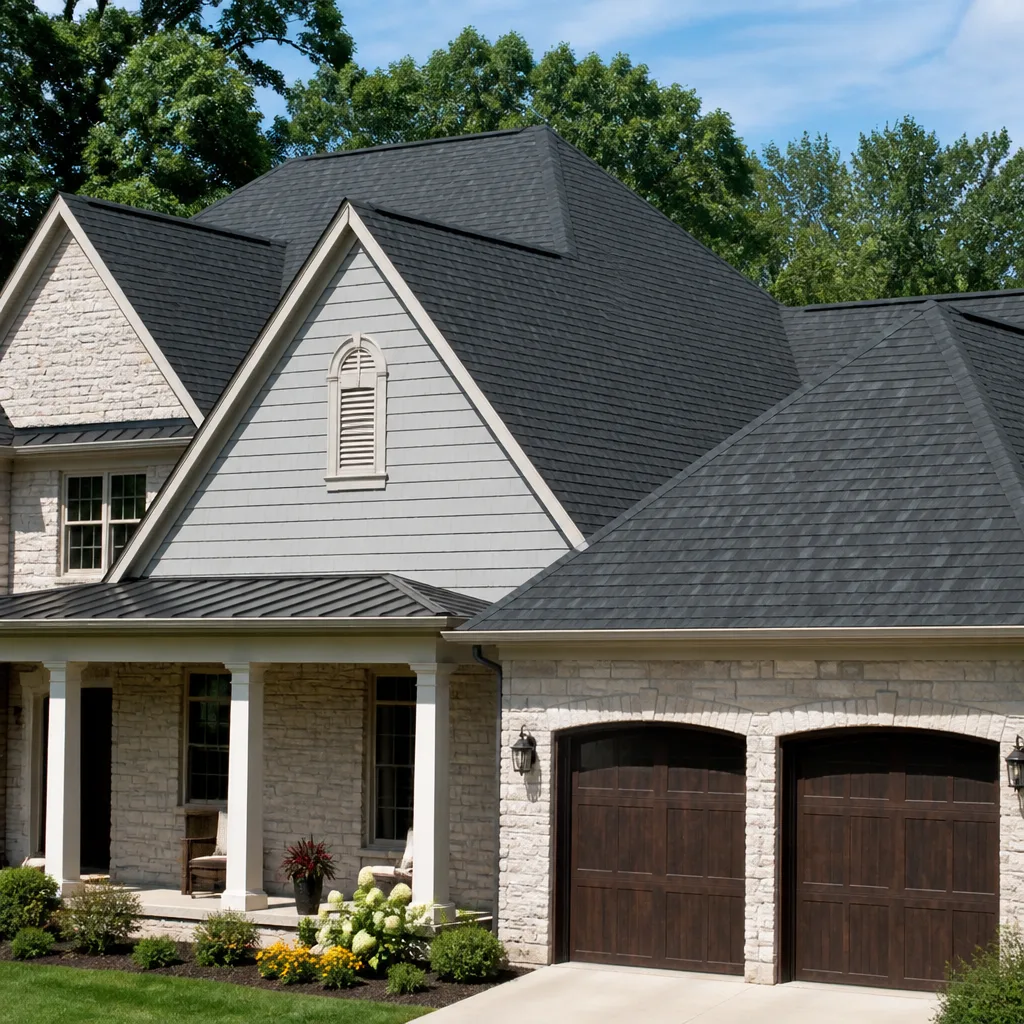 Roofing
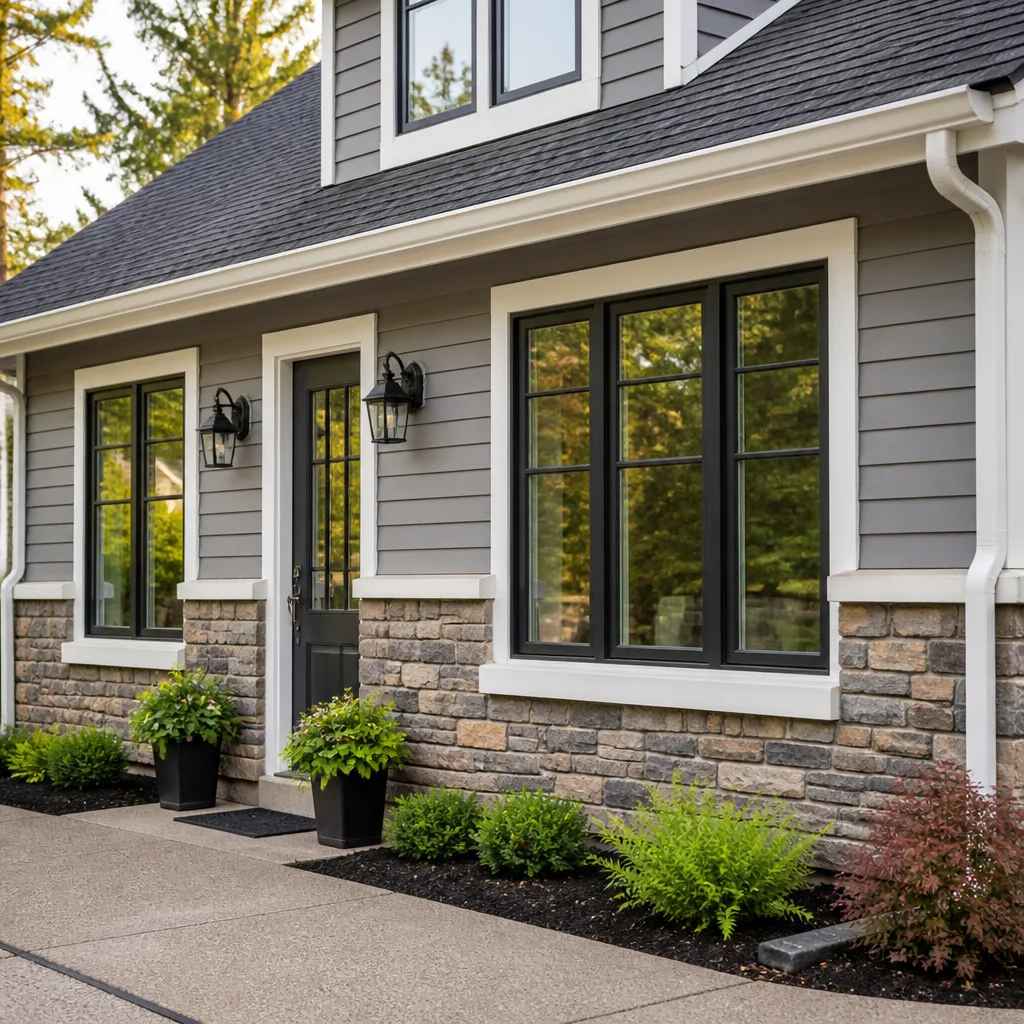 Windows & doors
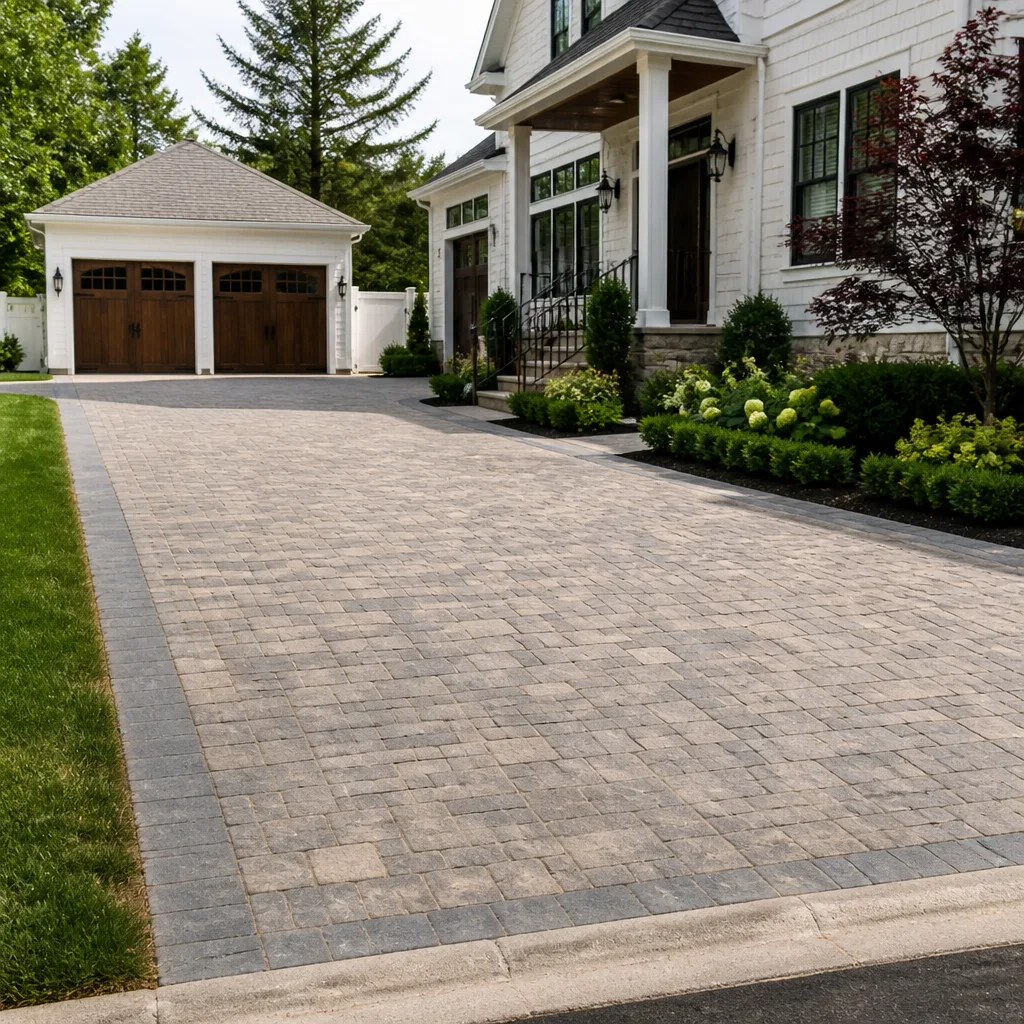 Driveway & pavers
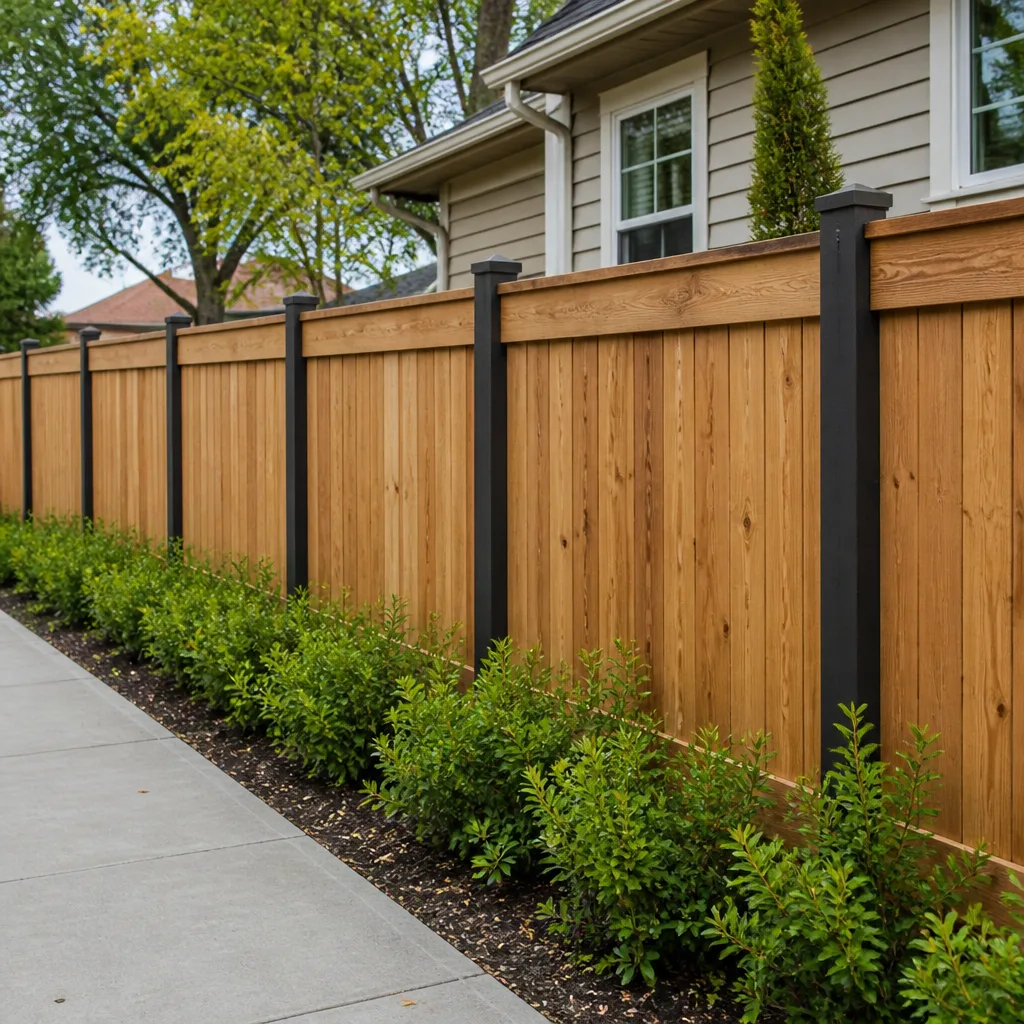 Fence
Free written scope consultation - allowances, timeline, and change-order rules on paper before a single trade is scheduled
The Complete Guide to Construction in Lancaster
Most construction guides written for “California homeowners” were written with San Jose or San Diego in mind. Lancaster sits at 2,356 feet, bakes at 110°F in July, and freezes pipes in January, and none of that shows up in the advice you’ll find on page one of Google. The soil under your lot may swell like a sponge after a winter rain and crack like a dry lakebed by August. The city has its own permit counter, and depending on your parcel, Los Angeles County may want a say too. This guide covers the parts of building in Lancaster that generic advice skips: soil, permits, temperature swing, project sequence, and how to check that the person holding the nail gun is actually licensed for the trade. By the end you’ll know what a realistic Lancaster project looks like from first walk-through to final inspection.
Quick Answer
Construction in Lancaster, CA follows the same broad phases as anywhere else – design, permits, site prep, build, inspection – but the desert High Desert climate, expansive clay pockets on the east side, and the split between City of Lancaster and Los Angeles County jurisdiction make the local details matter more than the generic ones. Projects here typically run 4 to 16 weeks depending on scope, permit turnaround runs longer than coastal California averages, and material specs for concrete, stucco, and roofing need to account for a temperature swing that can hit 40°F in a single day. Get the soil, the permits, and the material specs right up front and the rest of the project tends to hold.
Styles & brands we work with
- Kitchen remodeling
- Bathroom remodeling
- Home additions & ADU
- Roofing
- Windows & doors
- Driveway & pavers
- Fence
Table of Contents
- Why Lancaster’s Climate Changes the Construction Playbook
- Lancaster Soil and Foundation Prep
- City of Lancaster vs. Los Angeles County Permits
- Material Specs for the Temperature Swing
- The Sequence of a Lancaster Project
- How to Verify a Contractor in Lancaster
- Common Mistakes to Avoid
- When to Call a Professional
Why Lancaster’s Climate Changes the Construction Playbook
Lancaster isn’t a suburb with palm trees. It’s a high-desert city on the western edge of the Antelope Valley, and the weather here does things to building materials that coastal California guides never mention. The daily swing is the big one. A July afternoon at 108°F can drop to the upper 60s overnight, and a January day can go from a 70°F afternoon to a 26°F night. That’s a 40-degree swing in a matter of hours, and it happens dozens of times a year.
What that swing does, in plain terms:
- Concrete cures fast in summer heat and can flash-set if it’s poured without the right mix and shading. Winter pours need cold-weather curing blankets or the slab surface can craze within days.
- Stucco applied in direct July sun will dry unevenly and hairline-crack. The fix is timing the scratch and brown coats to morning hours and keeping the wall damp for the first 48 hours.
- Roofing shingles and underlayment behave differently at 130°F surface temperature than at 70°F. Asphalt shingles get soft and can scuff underfoot, and self-adhered underlayment won’t seal properly below about 40°F. That narrows the sensible roofing window in Lancaster to spring and fall for most installs.
- Wood framing and trim expand and contract with the swing. Door and window rough openings on the sun side of a house need a little more clearance than the coast, or you’ll be adjusting strikes every summer.
We’ve seen this play out in real projects across the Antelope Valley. A stucco patch done at 2pm in August looks fine until the first cold snap, when the cracks open up. A slab poured without a summer mix design curls at the edges six weeks later. None of this is exotic. It’s just the local weather doing what it does, and a contractor who’s worked here knows to plan around it.
Lancaster Soil and Foundation Prep
The ground under Lancaster is not uniform, and that’s the detail most out-of-area contractors miss. Broadly, you’re on sandy, well-drained high-desert soil that compacts reasonably well and drains fast. That’s the good news. The complication is the pockets of expansive clay, particularly on the east side of Lancaster and toward the Quartz Hill and Antelope Acres edges where lots were graded from older alluvial deposits. Expansive clay swells when it gets wet and shrinks when it dries, and in a climate that goes months without rain and then dumps an inch in a day, that cycle is aggressive.
What that means for foundation choices:
- Slab-on-grade is the default for most Lancaster homes and additions, but on an expansive clay lot the slab needs an engineered design with proper reinforcement, moisture barriers, and often a deeper footing than a coastal-equivalent project would call for.
- Post-tension slabs show up on some new construction and additions on the tougher lots, particularly where the geotech report flags high plasticity index clay.
- Raised pier-and-beam foundations are less common but make sense on certain sloping lots near the foothills, where grading for a flat slab would mean cutting and filling too aggressively.
A soils report, sometimes called a geotechnical report, is the right starting point for any addition, ADU, or new slab over about 400 square feet. The report tells you what’s actually under the specific lot, not what’s under the neighbor’s lot. We’ve seen two adjacent parcels in east Lancaster with completely different soil profiles, and building the second one off the first one’s report was a $14,000 mistake the homeowner ate. For driveways, patios, and other flatwork, the prep matters just as much. Compaction, a proper base course, and edge restraints are what keep a paver driveway from settling, and if you want to see how we handle that side of the work, our page on Driveway & Pavers in Lancaster walks through the sequence step by step.
City of Lancaster vs. Los Angeles County Permits
Which permit counter you walk into depends on where your parcel sits, and this trips up a lot of homeowners. The City of Lancaster has its own building department and its own set of rules for parcels inside city limits. Parcels in the unincorporated county areas around Lancaster – Quartz Hill, Antelope Acres, parts of the west side – go through Los Angeles County Building and Safety. The two jurisdictions don’t share a permit system, and a permit pulled from the wrong one is the same as no permit at all when the inspector shows up.
Projects that generally need a permit:
- Any structural change: additions, ADUs, wall removals, new openings in load-bearing walls.
- New roof or full re-roof (overlay in some cases, but always check).
- Electrical panel upgrades, new circuits, and any new gas line.
- Window and door replacement where the rough opening changes size, and always for egress windows.
- Fences over 6 feet, retaining walls over 4 feet, and any fence on a property line with a drainage or sight-line issue.
- Driveways and hardscape that changes grading or stormwater flow toward a neighbor.
- Water heaters, HVAC replacement, and solar in most cases.
Projects that usually don’t need a permit but still need to be done right:
- Interior paint, flooring, and cabinet replacement (not moving plumbing or gas).
- Like-for-like fence repair on the existing line.
- Cosmetic bathroom updates that don’t move supply or drain lines.
Here’s the part that matters: we’ve seen Lancaster-area homeowners get told “permits aren’t required out here, it’s unincorporated” by a contractor who was simply wrong. The permit inspector works for you, not for the contractor. A signed-off inspection is the second set of eyes on the framing, the electrical, the plumbing rough-in, and the final. It’s the cheapest insurance on the whole job. If your contractor suggests skipping it, that’s a decision to walk away from. Our Home Additions & ADU in Lancaster page covers the permit and inspection sequence on the more complex scopes in detail.
Material Specs for the Temperature Swing
A spec sheet written for a Riverside project isn’t automatically right for Lancaster. The 40-degree swing and the summer UV load change what holds up here, and the difference shows up in the materials more than anywhere else.
In our experience across Antelope Valley jobs, the materials that hold up best when chosen for the swing:
- Roofing underlayment: a synthetic underlayment rated for high-temperature exposure, not the standard 30-pound felt. Asphalt shingles from a brand like GAF or CertainTeed with a proper high-temperature rating hold color and granules better here than builder-grade shingles. A 30-year shingle in Lancaster is often closer to a 20-year shingle by actual performance, and the right product spec narrows that gap.
- Stucco: a three-coat system with proper weep screed detailing, applied in the morning, cured damp for the first two days. One-coat stucco systems exist but we don’t recommend them for Lancaster exteriors.
- Concrete: summer pours need a mix with retarding admixture or the slab starts curing before it’s finished. Winter pours need blankets. The finisher’s timing is the whole game.
- Windows: dual-pane low-E is standard in Lancaster, not optional. West-facing glass takes the worst of the afternoon sun, and a quality window like Andersen or Marvin with the right solar heat gain coefficient keeps the summer cooling bill down meaningfully. We’ve seen cheap single-pane replacements fail the seal within four or five summers on the west side.
- Plumbing fixtures: brass and ceramic internals from a name brand hold up better in the high-mineral water that runs through parts of the valley than the builder-grade imports. American Standard and Toto are the two we install most often, and Schluter waterproofing systems are our default behind tile in wet areas because the temperature swing keeps any waterproofing membrane working hard.
The common thread: pay a little more for the material that’s rated for the climate, and stop paying to redo it every six or seven years. That’s the whole strategy.
The Sequence of a Lancaster Project
Most Lancaster construction projects follow the same rough order, whether it’s a bathroom remodel or a full addition. Knowing the sequence helps you plan money and time, and it helps you spot a contractor who’s skipping steps.
- Site assessment and scope. Walk the property, measure, photograph existing conditions, and figure out what the real scope is. This is where we write the scope and the allowances down. An allowance that isn’t on paper is a surprise waiting for a date.
- Design and engineering. Plans, and for structural work, engineering. A soils report if it’s an addition, ADU, or new slab.
- Permit submittal. City of Lancaster or Los Angeles County, depending on your parcel. This is where the first delays stack up. Summer submittal volumes and plan-check backlog can push two-to-four-week turnarounds to six or eight.
- Site prep and demolition. Grading, excavation, utility locates (call 811 – it’s free and required), and demo. Desert grading often needs more watering for dust control than coastal work, and the schedule needs to account for it.
- Foundation and framing. Slab, stem walls, then framing. Inspections happen along the way and stop the job until they pass.
- Rough-in trades. Electrical, plumbing, and HVAC go in before the walls close.
- Insulation, drywall, and finishes. Insulation is where Lancaster’s climate matters most – R-values in the attic need to account for summer heat more than winter cold.
- Final trades and trim. Flooring, cabinets, fixtures, paint, exterior trim.
- Final inspection and punch list. The permit inspector signs off, we walk the punch list with you, and any open items get wrapped.
Realistic timelines for a typical Lancaster project, based on what we see: a bathroom remodel runs four to seven weeks from permit issuance. A kitchen remodel eight to twelve. A roof replacement is usually one to three days on the roof itself, assuming the weather cooperates. A 400-square-foot addition runs three to five months from permit pull to final inspection. An ADU over a garage is often four to six months. The bigger variables are permit turnaround and inspection scheduling, not labor.
One more Lancaster-specific delay to plan around: roofing and exterior stucco crews are booked solid from mid-September through Thanksgiving because that’s the sensible window for the work. If your roof needs replacing, get on the calendar in spring or plan to wait.
How to Verify a Contractor in Lancaster
A California contractor’s license covers specific classifications, and a B-2 (general building) license doesn’t automatically authorize specialty trade work. Electrical work needs a C-10. Plumbing needs a C-36. Roofing needs a C-39. HVAC needs a C-20. If a contractor shows you a valid license but it’s not classified for the work they’re doing, they’re not actually authorized to do it, and the permit may not pull or the inspection may not pass.
How to check, step by step:
- Get the license number in writing on the bid, not a business card. Tom Barrett publishes his – look it up yourself before you sign anything.
- Look up the number on the Contractors State License Board (CSLB) website. The lookup is free and takes two minutes.
- Confirm the license classification matches the trade: B for general building, C-10 for electrical, C-36 for plumbing, C-39 for roofing, C-20 for HVAC, C-27 for landscaping (which is what most paver and fence work falls under).
- Check the “bond and insurance” status on the same page. If the bond lapsed or the insurance isn’t current, keep looking.
- Ask for a certificate of insurance naming you as certificate holder directly from their carrier, not a photocopy they provided.
- Ask for three local references from the last 18 months, and call them. Ask specifically whether the final price matched the bid.
Fences deserve a special note in Lancaster because of the wind. Our page on Fence Installation in Lancaster covers the wind load and post-depth specs that separate an eight-year fence from a twenty-five-year fence here. The number of fences we’ve replaced after three years because the posts were set too shallow is one of the more expensive patterns we see.
Common Mistakes to Avoid
- Skipping the soils report on a foundation job. Two parcels on the same street can have completely different clay content. The $800 to $1,500 you spend on a geotech report is the cheapest money on the job, and skipping it is how a $30,000 addition turns into a $45,000 one.
- Pouring concrete or applying stucco in the afternoon sun. Both need morning application in Lancaster from May through September. A contractor who wants to start concrete at 1pm in July is a contractor who hasn’t poured here.
- Assuming City of Lancaster permits cover unincorporated parcels. They don’t. Check the jurisdiction on your property tax bill or with the city before you sign a contract that claims “permits included.”
- Replacing windows with single-pane to save money. Lancaster’s west-facing glass needs dual-pane low-E. The energy savings and the resale value pay back the difference inside four or five years, and single-pane fails the seal faster here than anywhere.
- Not getting allowances and change orders in writing. The bid says “tile allowance $4/sq ft” and you pick a $9 tile, and suddenly the invoice is $6,000 higher than expected. An allowance that isn’t on paper is a surprise waiting for a date.
- Hiring the lowest bid without checking the license classification. A general B license doesn’t authorize electrical or plumbing or roofing. If the crew that shows up isn’t licensed for the trade, you own the consequences.
- Not scheduling exterior work in the spring or fall. Lancaster’s real roofing and stucco windows are spring and fall. A summer install done by a crew in a hurry and a winter install done in a cold snap are both trouble waiting to show up.
When to Call a Professional
Some jobs in Lancaster are homeowner-doable: painting, a fence picket repair, replacing a bathroom faucet, patching drywall. Others are not, and the “not” list is bigger than most people think. Call a licensed professional before you touch:
- Anything structural. Load-bearing wall removal, new openings, and any change to the foundation require engineering and permits.
- Any electrical work beyond swapping a fixture. Panel upgrades, new circuits, and any work near the service entrance are dangerous and code-regulated.
- Gas line work, in any form. Gas leaks are lethal and the permit requirement isn’t optional.
- Roof work above one story, or any work at height on a pitched roof. Falls are the leading cause of construction death in California and the stats haven’t moved in decades.
- Foundation repairs, slab work, and any excavation near utilities.
The permit inspector, the engineer, and the licensed trade are doing work the homeowner physically cannot do safely. Pay for that. Barrett & Sons Construction Lancaster offers free estimates in Lancaster – call (888) 427-1810 to schedule one, and we’ll walk your project honestly and tell you what it actually needs.
See the difference
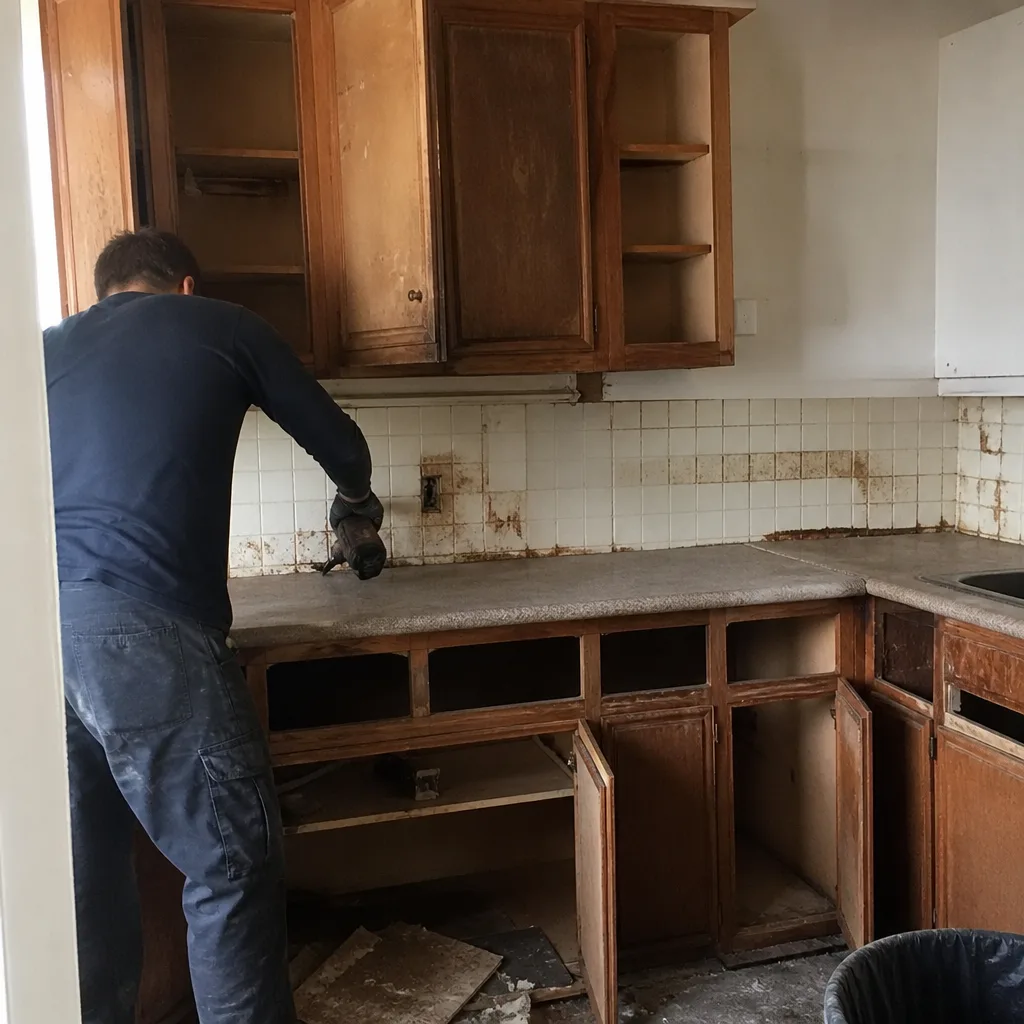 Before
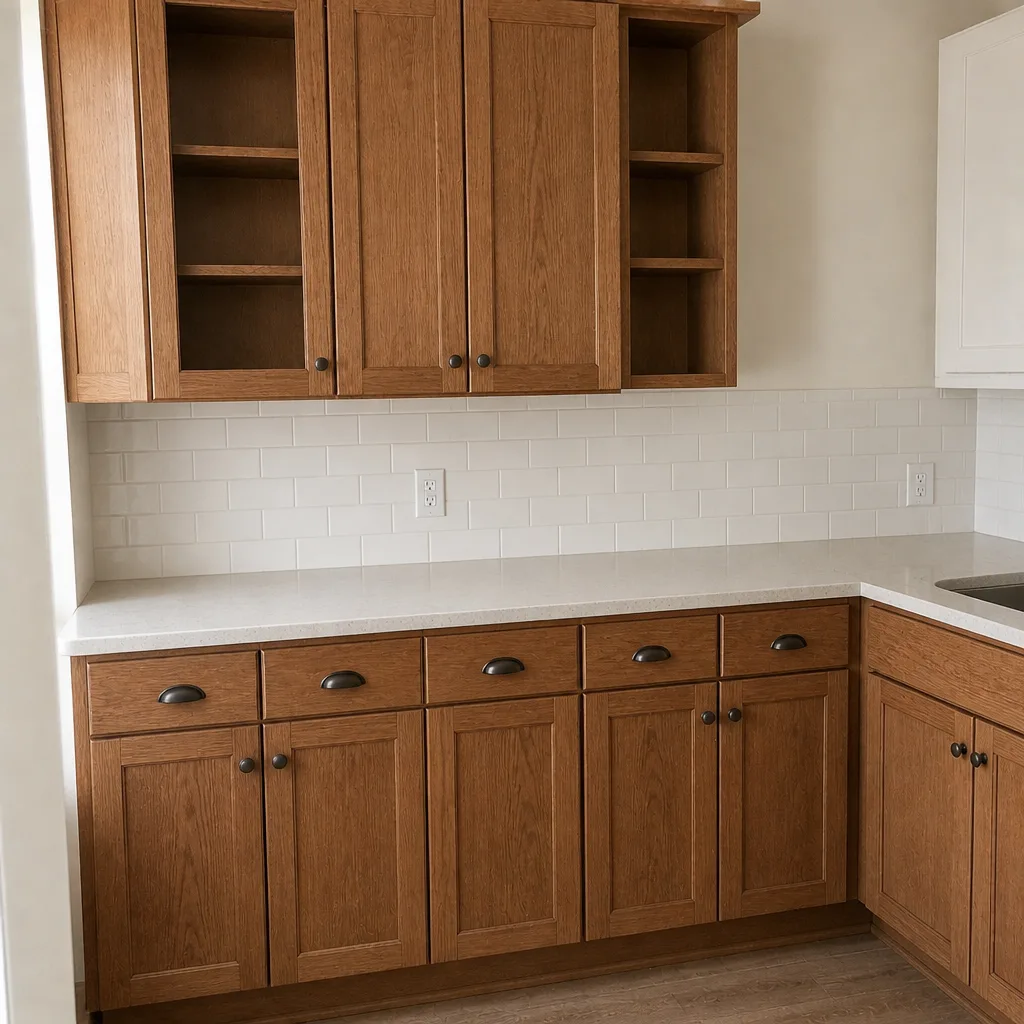 After
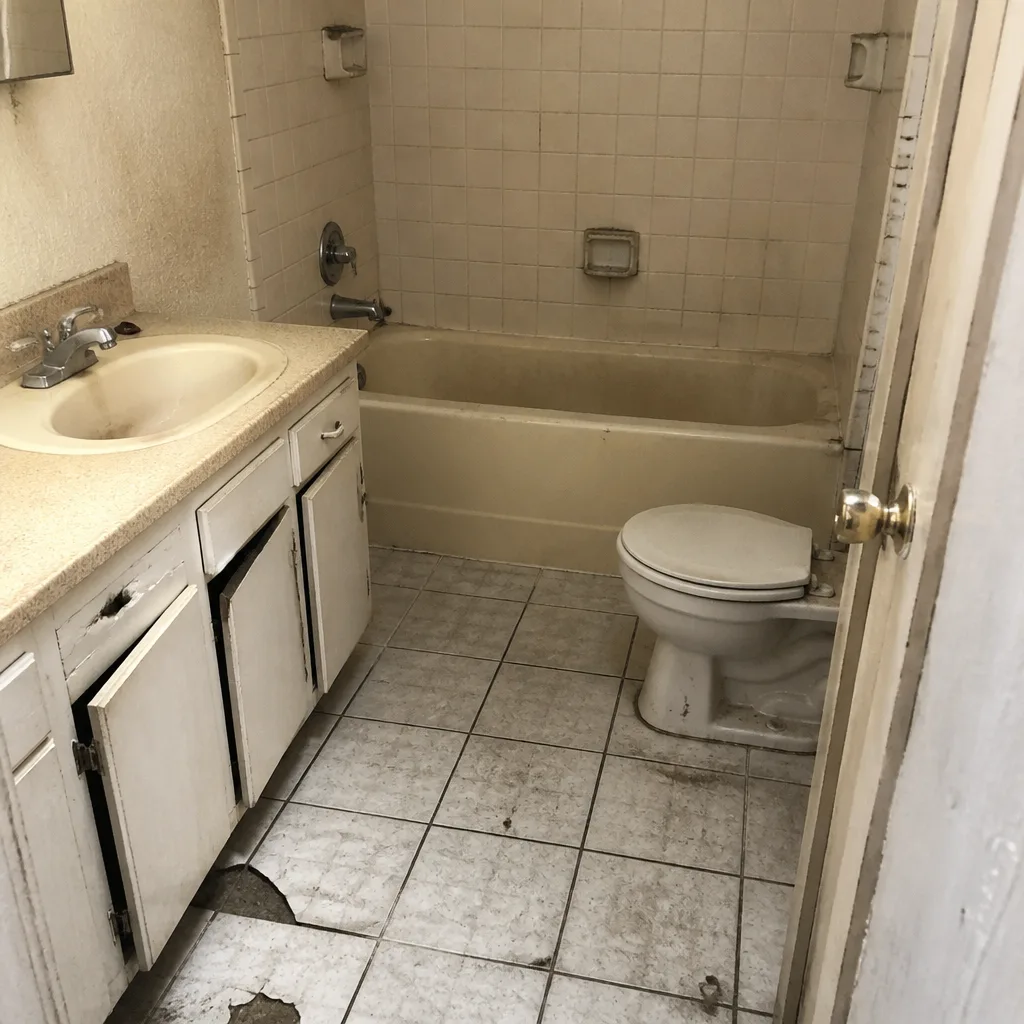 Before
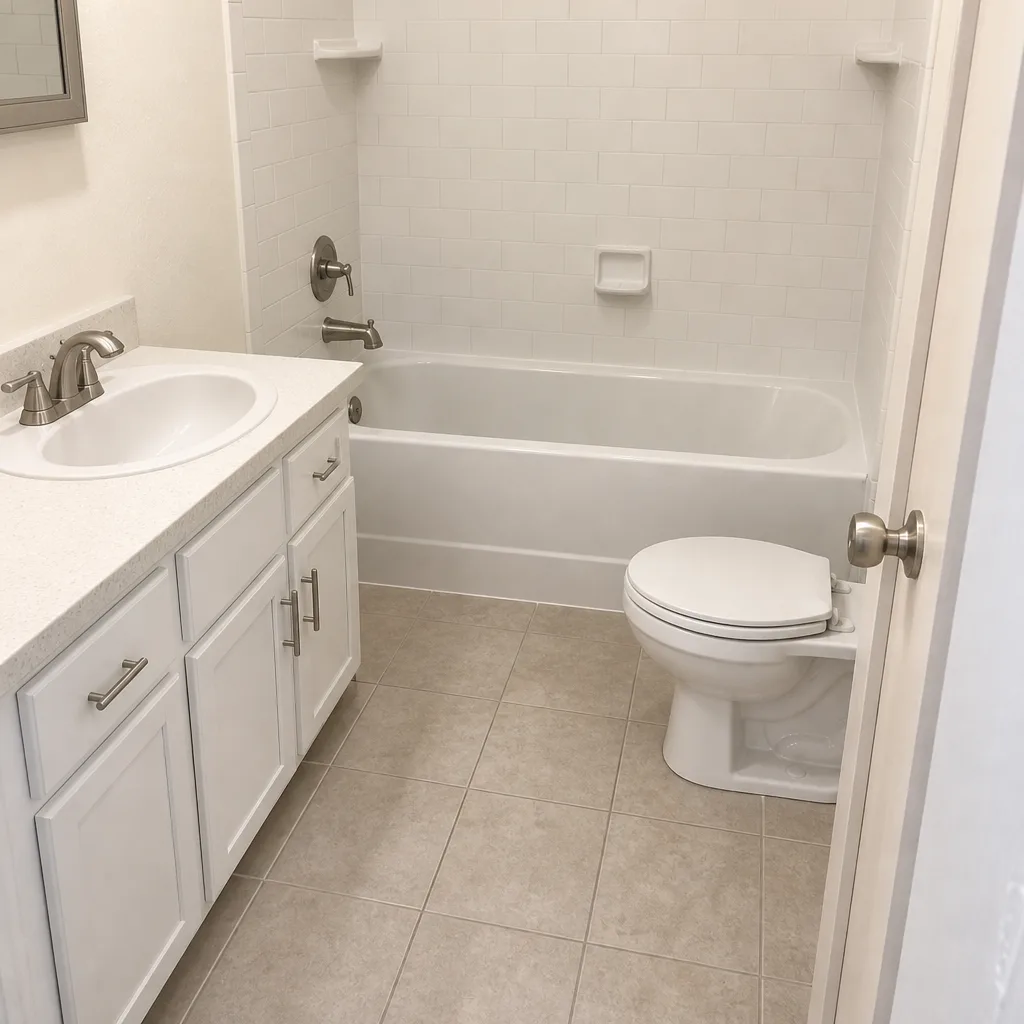 After
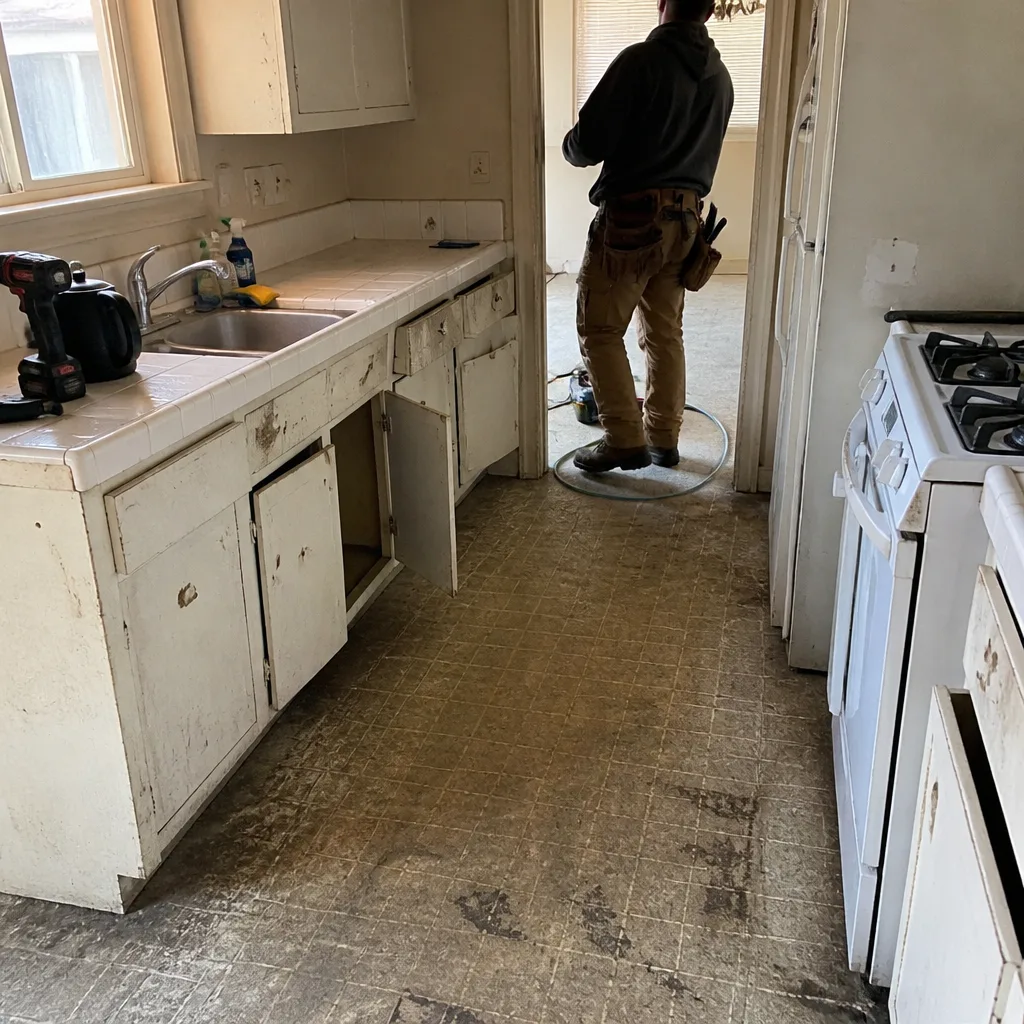 Before
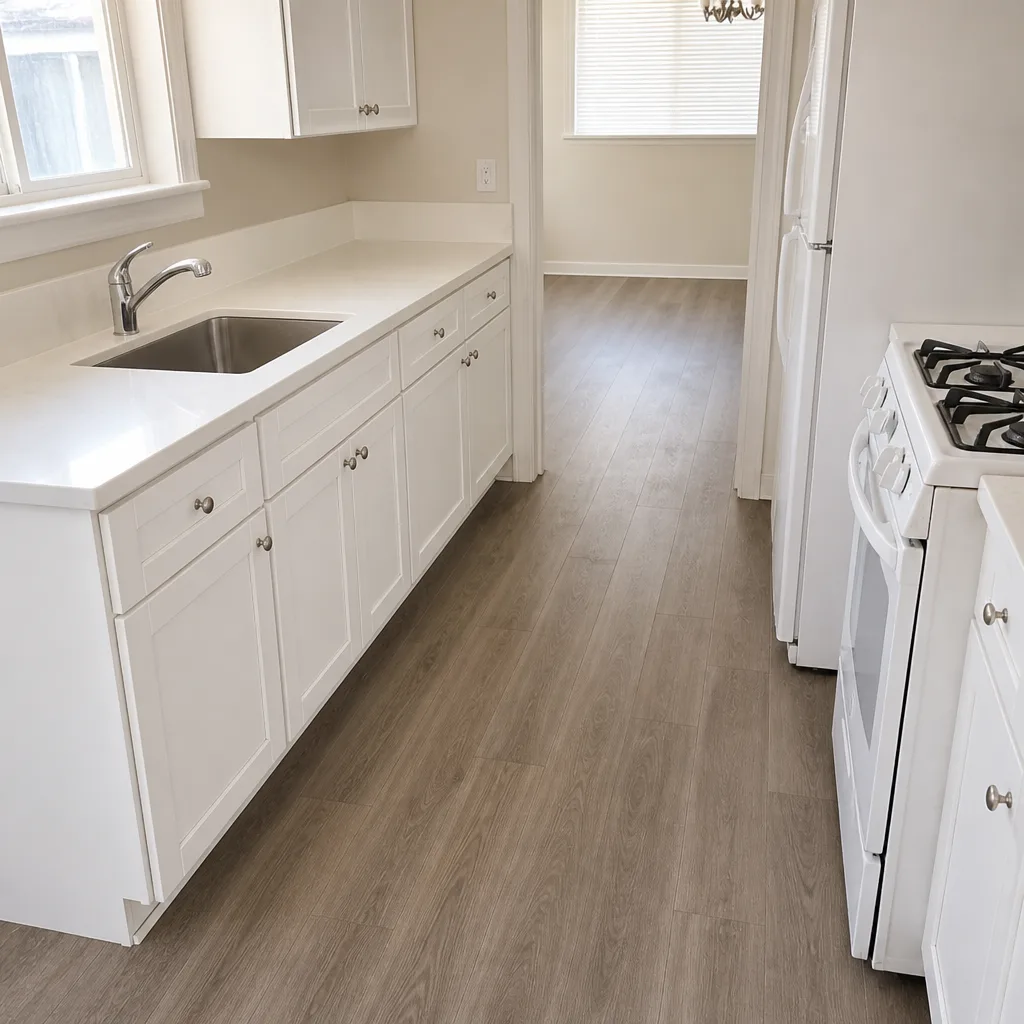 After
Frequently Asked Questions
A typical kitchen remodel in Lancaster runs $28,000 to $75,000 depending on scope, with mid-range full remodels landing around $45,000 to $60,000 for a 150 to 200 square foot kitchen. Cosmetic updates (cabinet refacing, new countertops and appliances) can run $12,000 to $22,000. The big variables are whether walls move, whether plumbing relocates, and the finish level. Call (888) 427-1810 for an exact quote – estimates are free.
Fences over 6 feet tall, and any fence on a property line with a drainage or sight-line issue, generally require a permit in Lancaster. Like-for-like repair on an existing fence usually doesn’t. If you’re in an unincorporated area, the permit comes from Los Angeles County, not the City of Lancaster. Check the jurisdiction before you build. Call (888) 427-1810 if you’re not sure which counter you need – we can tell you in a two-minute conversation.
A typical 400-square-foot addition in Lancaster takes three to five months from permit pull to final inspection, with permit turnaround adding two to eight weeks before work starts. An ADU conversion or new build often runs four to six months. The two biggest local variables are permit submittal volume at Lancaster City Hall and inspection scheduling during the busy fall. Call (888) 427-1810 for a project-specific timeline.
Lancaster’s soil includes pockets of expansive clay, especially on the east side and toward Quartz Hill, that swell when wet and shrink when dry. That cycle is harder on slabs than coastal soil, which is why we spec deeper footings, engineered reinforcement, and often a post-tension design on the tougher lots. A soils report per parcel is standard practice here for additions and ADUs. Call (888) 427-1810 for a site assessment.
Only in writing, and only before the work happens. Every scope change, every allowance, and every price change arrives as a written change order before a single nail moves. That’s the difference between a name-on-the-truck contractor and a national outfit that quotes one number on the phone and another at the door. Call (888) 427-1810 for a free estimate with a written line-item scope.
Yes. Every eligible job includes permits pulled and inspections signed, whether that’s City of Lancaster or Los Angeles County depending on the parcel. The permit inspector works for you, not for us – that’s why we like the inspection. If a contractor tells you permits are optional in Lancaster, that’s the sign to call someone else. Call (888) 427-1810 to talk through your project.
The Bottom Line
Construction in Lancaster rewards the contractor who knows the local weather, the local soil, and the local permit counters – and punishes the one who treats it like a coastal job with a longer drive. The 40-degree daily swing changes material specs. The expansive clay pockets on the east side change foundation design. The City and County split changes which counter you walk into. None of it is exotic, but all of it needs planning up front. Get the soils report, pull the right permits, spec the right materials, and get every allowance and change order in writing. If you want a free estimate from a crew that knows the Valley, Barrett & Sons Construction Lancaster home is where to start.
Contact Us
If you’re planning a project in Lancaster, call (888) 427-1810 for a free estimate. Ask anyone on your street, or look up the license number yourself before you sign anything. We’ll walk your property, write the scope down, and tell you honestly what it needs. Estimates are free, and the call is answered by a live person.
Written by the team at Barrett & Sons Construction Lancaster.